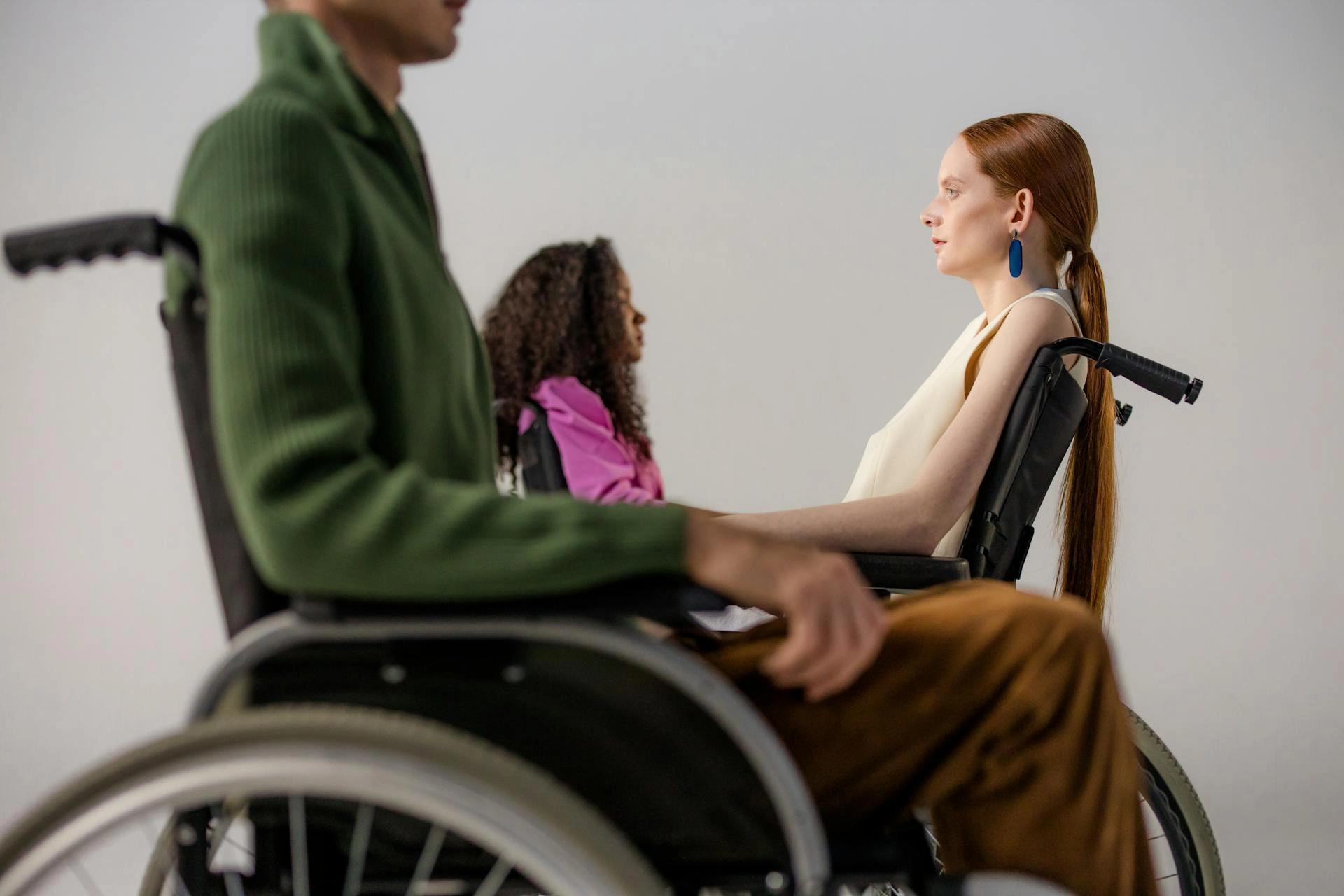
Disabled people are twice as likely to be unemployed as non-disabled peers. Workplaces often remain inaccessible and exclusionary, shutting people out before their skills can be recognised. Here, our Disability Rights and Workplace Inclusion Correspondent, Matthew Kayne, explains why inclusion must be enforced as a right, why the Equality Act needs teeth, and why employers who ignore it should face consequences
When people without disabilities talk about work and disability, conversations are often wrapped up in the language of kindness. “Isn’t it good when employers give disabled people a chance?” they’ll say, as though offering someone a job were a generous gesture rather than the most basic expectation of fairness.
But employment is not about favours. It’s about rights. It’s about equality. And for disabled people like me, it’s about the constant struggle to prove we belong in spaces that should never have shut us out in the first place.
Disabled people are twice as likely to be unemployed as non-disabled people. That isn’t because we lack skills, ambition, or determination but because workplaces are still built around a narrow idea of what a “normal” employee looks like.
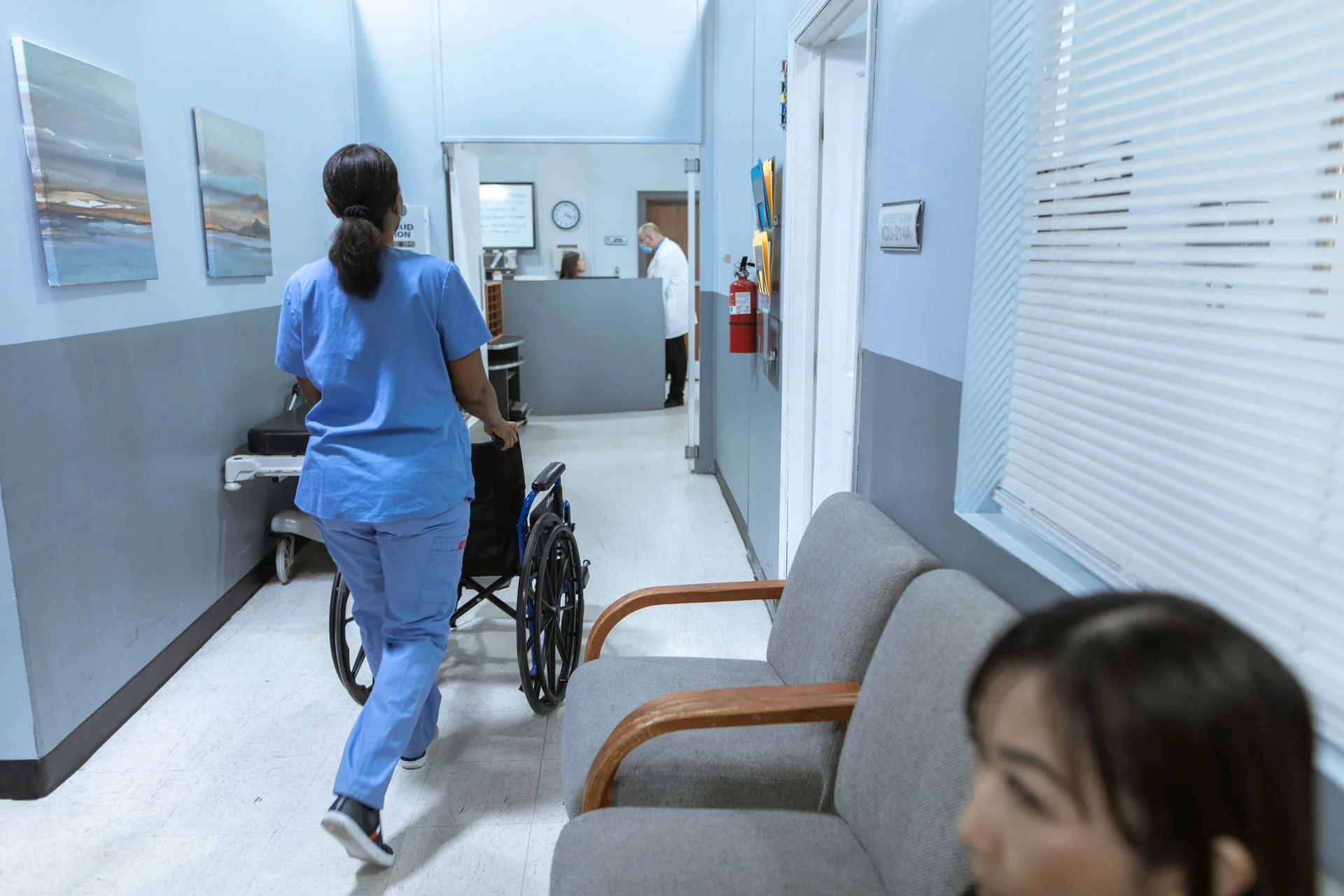
I know this reality first-hand. I have felt the frustration of being overlooked, the sadness of being underestimated, and the exhaustion of constantly having to justify my right to be in the room. There have been jobs I wanted to apply for but knew I couldn’t, because the workplace wasn’t accessible. I’ve rolled up to interviews where the building had steps at the entrance and no ramp. I’ve sat in waiting rooms while other candidates sailed through, knowing before I even entered the room that the employer hadn’t thought about how someone like me might fit in.
Exclusion isn’t just about income, either. For many disabled people, a job offers dignity, purpose and identity. It’s somewhere to form relationships, develop life skills, and feel valued.
The barriers to employment for people with disabilities start early. At school and college, most young people look forward to work experience placements. They’re a chance to learn, to grow, and to get a taste of working life.
But many disabled people aren’t given that chance. Because of my age and my disability, for example, I was told that work experience wasn’t possible. Imagine being told at the age of fifteen that you can’t even try because of other people’s ignorant assumptions. That message sticks with you. It shapes your confidence, and it shapes your sense of what is possible.
Even when disabled people do find work, they are too often confined to insecure, part-time, or low-paid roles. Leadership positions are rarely offered, and professional development is limited. Meanwhile, society loses talent, innovation, and diversity of thought. Workplaces that fail to include disabled people are weaker workplaces.
It doesn’t have to be this way. The same systems that exclude us can, with imagination and will, be reshaped to let us in. Inclusion can be achieved through fair recruitment and cultures that expect equality rather than treat it as an exception. The solutions are for the most part free and extraordinarily simple to implement. All that’s lacking in many organisations is the determination to put them into practice.
Take recruitment processes, for example. Accessibility should be built in from the start. Job adverts should spell out, in straightforward terms, that candidates can ask for what they need, whether that is receiving application forms in large print, extra time for an assessment, or the option of an online interview. Including a named contact person and an email address for adjustment requests would make the offer real rather than tokenistic.
Interviews should take place in venues that are genuinely accessible: step-free entrances, working lifts, wide doorways, and accessible toilets. Online interviews should be offered as a standard choice, not a reluctant fallback. Elsewhere, hiring managers should receive basic training so they can focus on a candidate’s skills and experience rather than making assumptions about disability.
None of this is complex or expensive. These are simple steps that can turn recruitment from a barrier into a fair process where disabled people can compete on equal terms.
I’ve seen how small adjustments like these can open doors. Something as simple as flexible scheduling, assistive technology, or accessible meetings can transform a person’s ability to contribute. I remember one role where the employer invested in adaptive software for me. It wasn’t complicated or expensive but it transformed my ability to do the job and restored my confidence. Suddenly, I wasn’t being judged on my wheelchair or my disability. I was judged on my skill, my knowledge, my contribution. That sense of equality is transformative.
Beyond the practical, workplace culture matters too. Colleagues and managers must understand inclusion and implement it across the board. This might be as simple as normalising flexible working, using inclusive language, and actively challenging discrimination. Small acts of respect can make a huge difference to a disabled person’s confidence and productivity.
We also need to recognise intersectionality. Disabled people may face compounded discrimination if they are young, older, or from a minority background. I have seen how assumptions about age, disability, or education level can limit opportunities, even when a person is capable, motivated, and ready to contribute.
Let’s be clear here that too many organisations don’t give a damn. They treat the Equality Act and their own policies as tick-box exercises, knowing there’s little chance of being called out. That has to stop.
If an office is still inaccessible or recruitment shuts people out, there should be real consequences; fines, legal action, and public scrutiny must become the norm. Until breaking the rules actually hurts, some employers will keep acting like equality is optional.
Until exclusion carries a tangible cost, some employers will go on treating equality as optional and society will keep wasting talent and potential as a result.
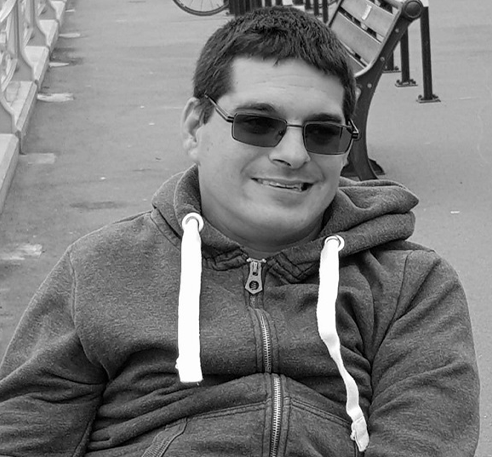
Matthew Kayne is broadcaster, political campaigner and disability rights advocate who has turned personal challenges into platforms for change. He is the founder and owner of Sugar Kayne Radio, an online station dedicated to uplifting music and meaningful conversations, and the leader of a national petition calling for reform of the UK’s wheelchair service. Living with cerebral palsy and a survivor of bladder cancer, Matthew channels his lived experience into advocacy, broadcasting, and songwriting. His long-term ambition is to bring this experience into politics as an MP, championing disability rights, healthcare access, and workplace inclusion.
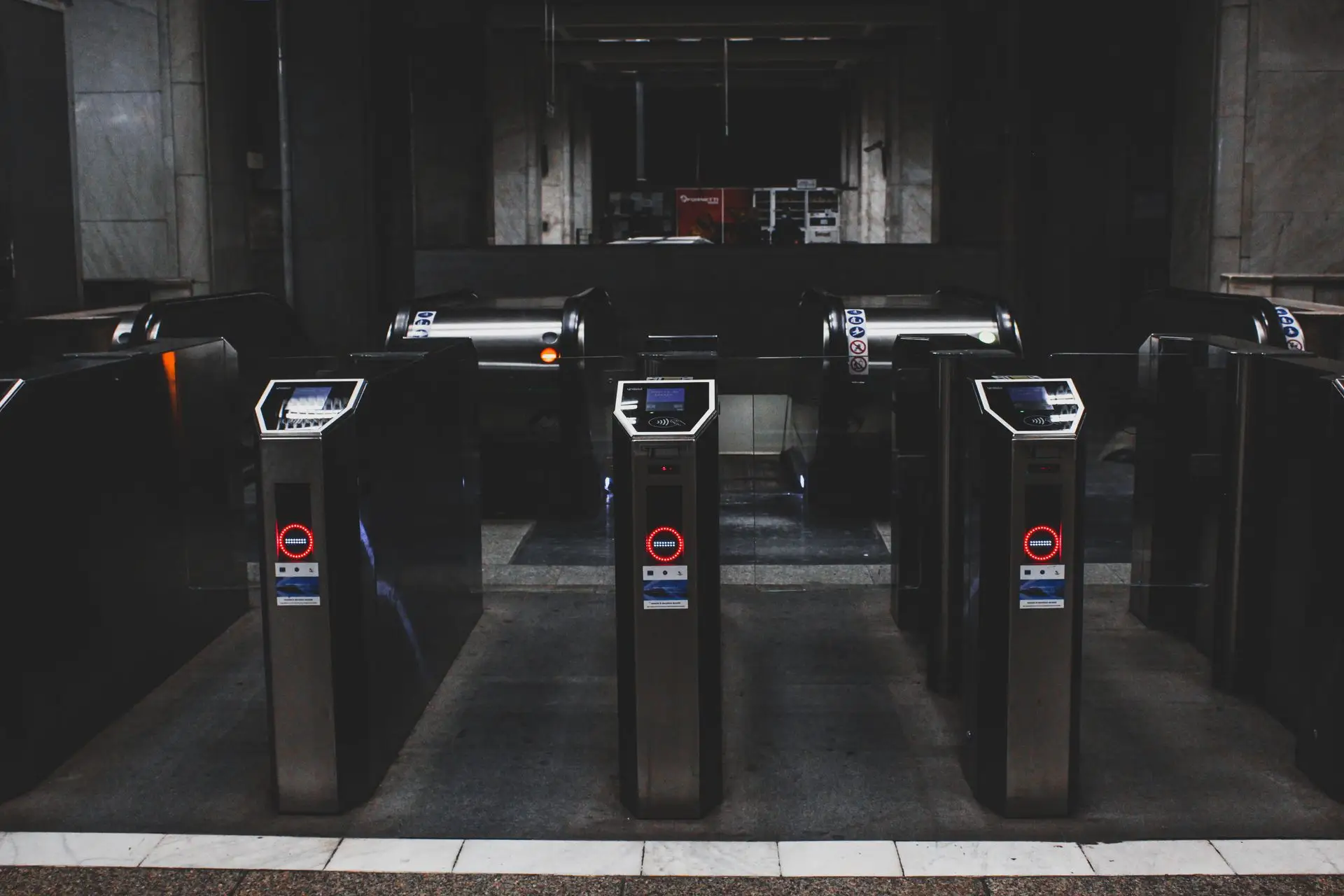
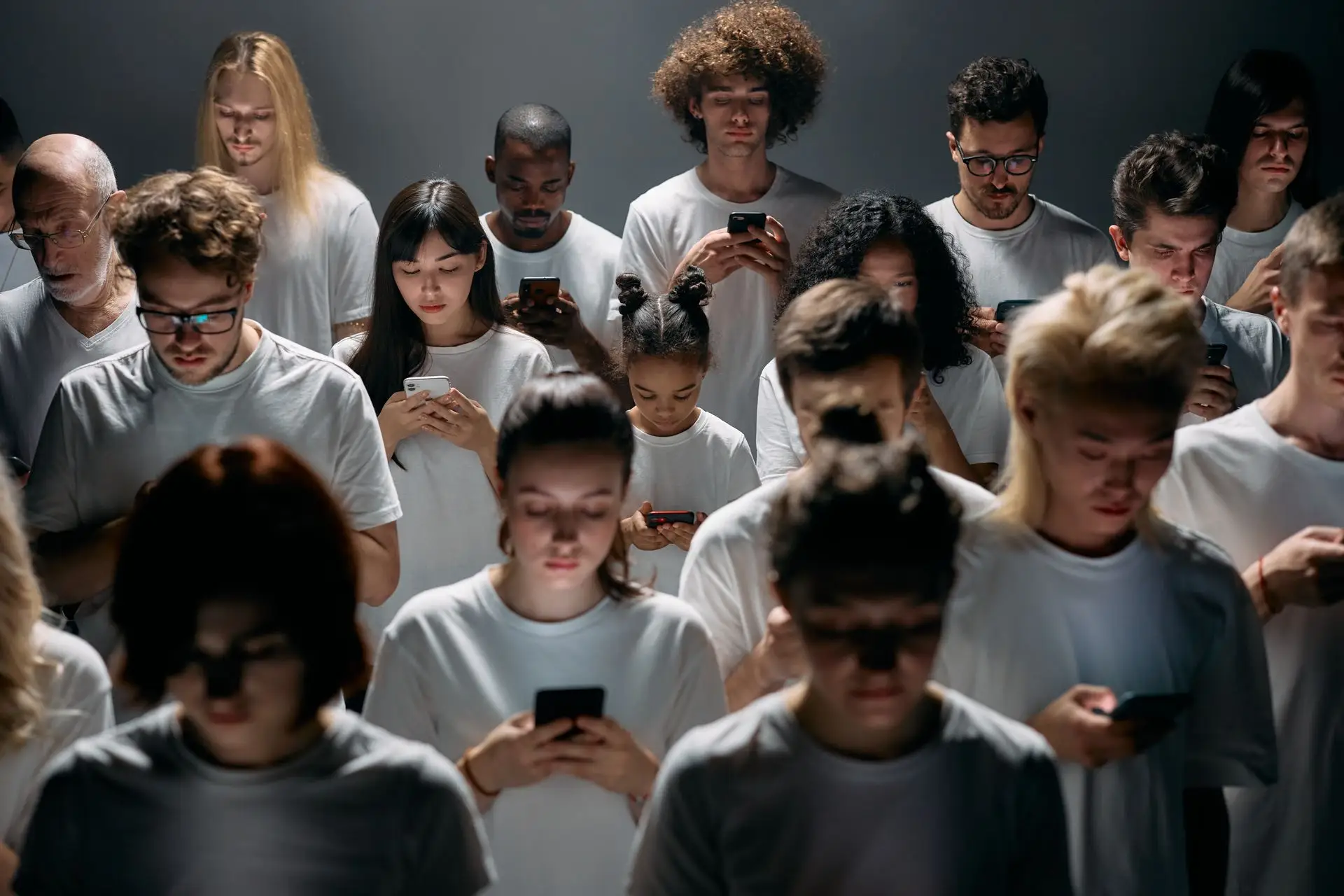
Main image: Courtesy Pexels