The Government’s latest tax increases on rental income could discourage private investment and leave tenants facing higher rents and fewer choices. Targeted rent subsidies offer an alternative way to help lower-income households without requiring the state to own more homes, argues Harry Margulies
The October Budget announced a further two-percentage-point rise in property income tax rates from April 2027. The change applies to individuals in England, Wales and Northern Ireland, and takes the basic, higher and additional property rates to 24 per cent, 44 per cent and 49 per cent respectively. The National Residential Landlords Association warned of higher rents as landlords seek to cover the extra cost.
Everyone should have access to decent accommodation, including those who cannot afford to buy their own home. If the government wants to make renting more affordable, it needs to think about what will keep homes available to rent and what will encourage people to invest in more of them.
Consider the structure of the English housing market. According to the English Housing Survey for 2024 to 2025, 65 per cent of households owned their homes, 19 per cent rented privately and 16 per cent rented in the social sector. That last group includes tenants of housing associations as well as councils. Private landlords house a larger share of households than the entire social rented sector.
Most people dream of owning their own homes. But not everyone can, or wants to, do so. A functioning private rental market is essential to a healthy housing system. Private landlords invest capital, take financial risks and provide a service. In return, they expect a reasonable return on their investment. Governments on the left generally accept that employees want higher wages, that people receiving benefits want those benefits increased and that businesses need to earn a profit to survive. But when it comes to investors, the expectation suddenly changes. There seems to be a reluctance to accept that capital, too, needs a return.
Capital goes where investors believe the return justifies the risk. If taxes and regulation make letting unattractive, landlords will cut investment, sell or put their money elsewhere. A home sold to another landlord can stay in the rental market. A home sold to an owner-occupier is still a home, but there is one fewer property to rent. If fewer new homes are built for rent, the supply of rental accommodation also suffers. Existing properties may receive less investment and maintenance. With fewer homes to choose from, tenants may face higher rents. Where access is restricted, there is also a risk of unofficial payments to secure a tenancy.
Some people cannot afford market rents and need help. Why not pay part of the rent directly to private landlords, enabling lower-income tenants to access privately owned accommodation? Ownership, maintenance and management would stay with the landlord. The government could direct assistance to the tenant who needs it and adjust the amount as circumstances change, without having to buy or build the property itself. Housing assistance should be a benefit to the person in need, not necessarily a permanent entitlement to a particular publicly owned property.
Portugal offers an example. Its Porta 65-Jovem programme subsidises part of the rent for eligible young tenants, generally aged 18 to 35. The scheme has income and rent-to-income requirements. Approved applicants can reapply annually for up to five years of support. The tenant gets help paying the rent while the home remains privately owned.

That shows how a subsidy can help someone rent a home. When comparing this approach with investment in social housing, we still need to ask how many homes each pound of public money makes available, at what quality and at what total long-term cost. That calculation should include administration and maintenance, as well as whether either approach encourages investment and expands the supply of homes over time. We should judge the two systems by their results rather than political preference. A subsidy can help someone afford a home that already exists. Its effect on the number of homes is a separate question.
If private landlords make a reasonable return and taxpayers spend less to help more people into decent accommodation, that is a good outcome. If we want more affordable rental accommodation, we need more investment in housing. The test for government is how to put private capital to work alongside public money so that more people can afford a decent home.

Harry Margulies is a journalist, author, commentator and public intellectual whose work interrogates religion, politics and morality with sharp wit and fearless clarity. A second-generation Holocaust survivor, he was born in Austria and spent time in an Austrian refugee camp before moving to Sweden. Educated by Orthodox rabbis throughout his childhood, he ultimately abandoned faith in his teens – a journey that has shaped his lifelong commitment to secularism, critical thinking and freedom of expression. His latest book, Is God Real? Hell Knows, has been described by ABBA’s Björn Ulvaeus as “funny, sharp, and unafraid.”
READ MORE: No, Elon, AI won’t make money obsolete. Elon Musk predicts that AI and robotics could create a world of plenty and make currency irrelevant. But according to Harry Margulies, greater abundance can never truly eliminate scarcity and some system will always be needed to allocate finite assets and resources.
Do you have news to share or expertise to contribute? The European welcomes insights from business leaders and sector specialists. Get in touch with our editorial team to find out more.
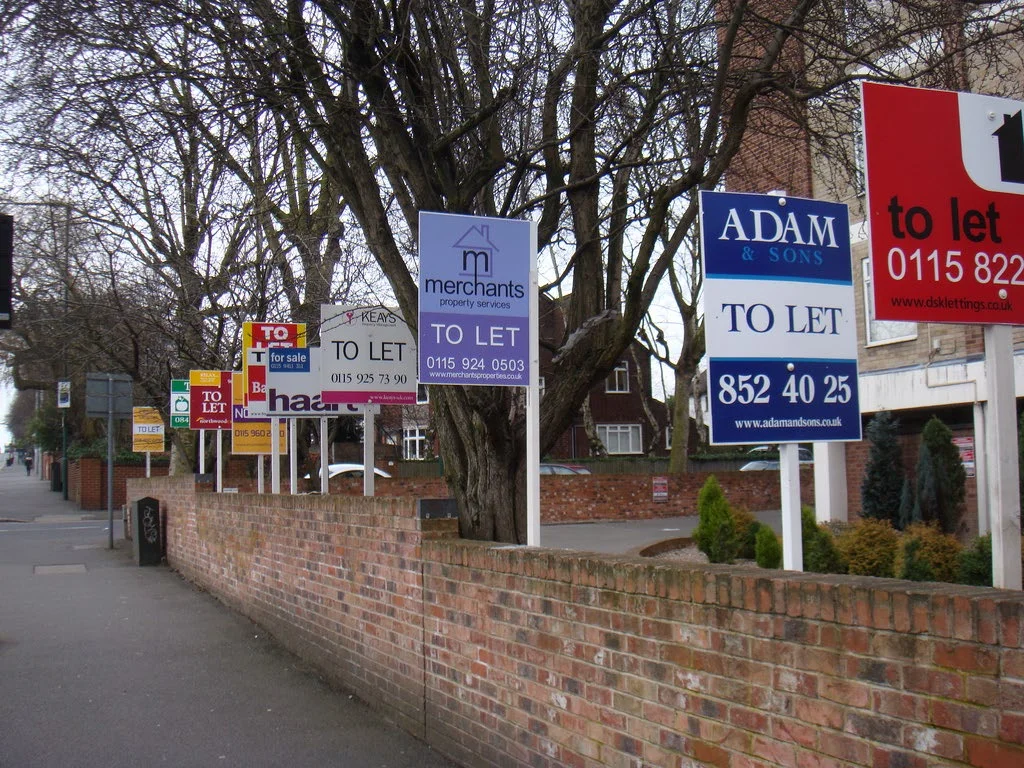
Main Image: Locksley McPherson Jnr., Evidence of the credit crunch / CC BY 2.0 / cropped