Due to decades of overfishing, Cornwall’s lobster population dwindled. Recovery has been hampered by hatchlings’ vulnerability to predation, with only a tiny fraction surviving long enough to reach the seabed. In Padstow, the National Lobster Hatchery is raising them through their most vulnerable weeks before divers carry them down. Oxford zoologist Professor Tim Coulson joined a release dive to discover more about this ecological rescue mission
Lobsters are home underwater. I am not.
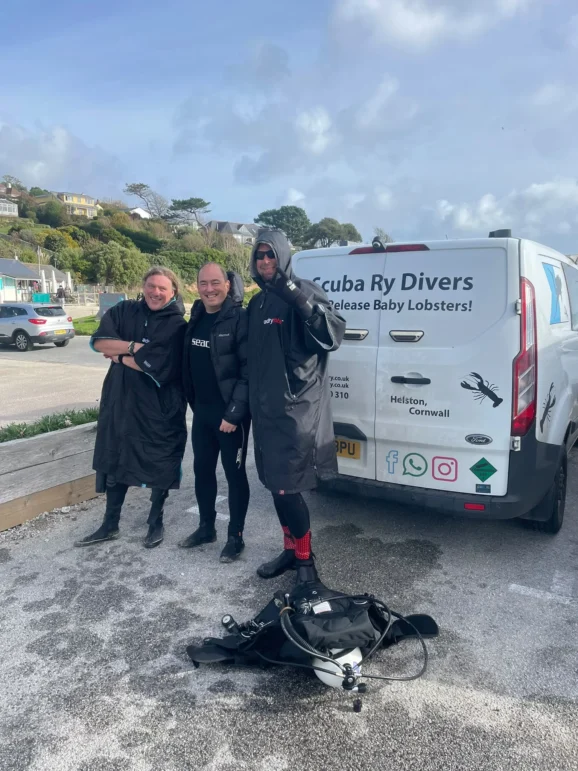
When a friend learned I had started to scuba dive and, knowing my love of wildlife, he suggested I sign up for a lobster release diver course. It sounded fascinating, so I did, and in late October I made my way down to Falmouth for the two-day course.
Day one of the Lobster Release Course, which run by diving school Scuba Ry and is recognised by Scuba Diving International (SDI), was educational and involved visiting the National Lobster Hatchery in Padstow.
Lobsters are a culinary delicacy, but it takes a long time before they become delicious. Some European lobsters grow to over one metre in length and can live for decades. The biggest individuals are reproductively critical, as larger females generally produce more eggs per brood, and what this means is that removing them for food can significantly impact their population. Only a small number of large individuals can be sustainably removed for food before their population starts to feel their loss and decline in size.
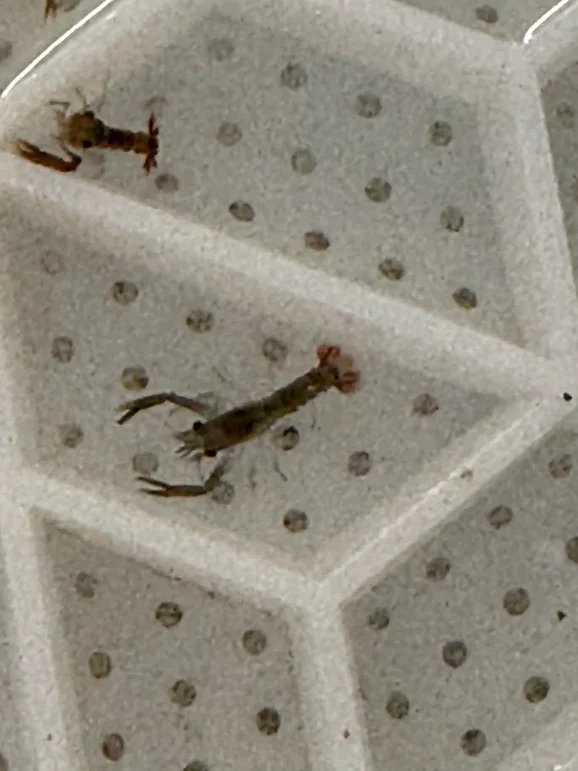
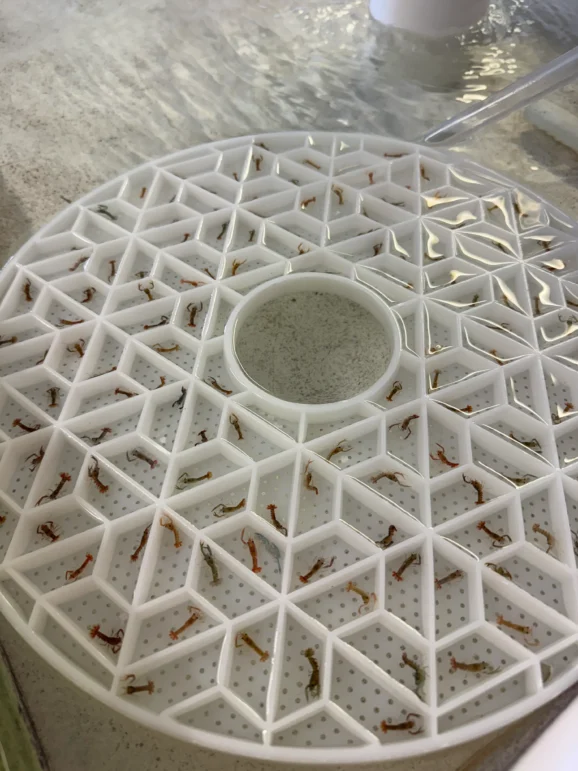
The hatchery cites an estimate that in the wild only 0.005 per cent of hatchlings survive long enough to settle on the seabed. The fertilised eggs remain attached to the mother for nine to 12 months before the tiny larvae hatch. These are food for fishes, crabs and even other lobsters, and this makes the first few weeks of life the riskiest in a lobster’s life. Only a fraction will moult enough times to resemble a tiny lobster before they bury themselves into the ocean floor where they feed, before eventually making their way to rocky reefs where they set up home. With each moult, life becomes a little safer, as the lobsters grow to be larger and increasingly robust. The lobster hatchery allows eggs to hatch and grow to the point at which they are ready to burrow into the seabed, at which point they are released back into the ocean.
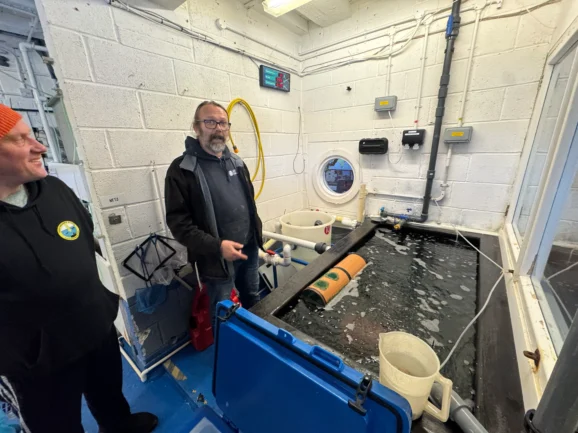
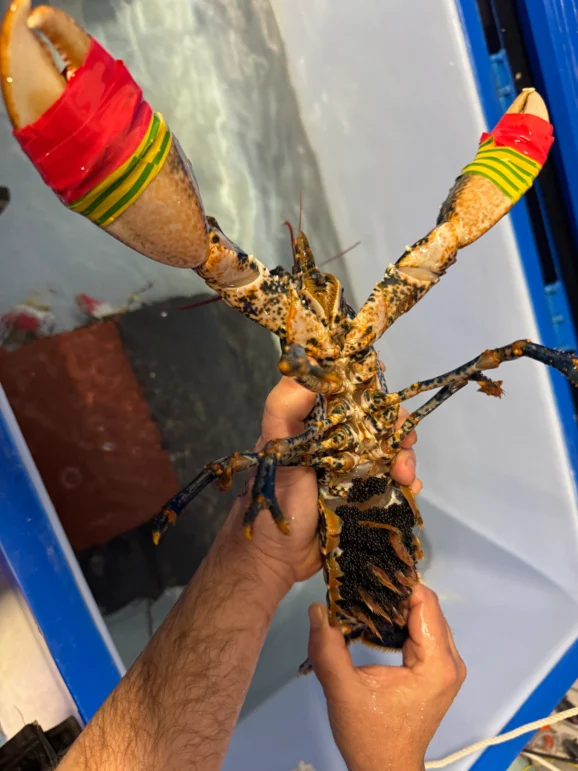
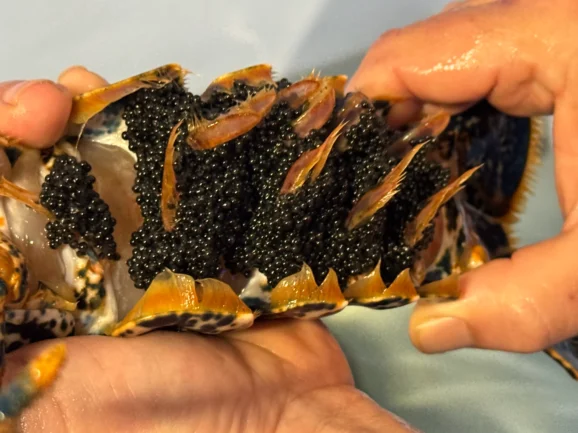
Off Cornwall, lobster catches fell in the late 1980s and early 1990s despite increased fishing effort, prompting tighter controls on what could be landed. Today, local fishermen with a special licence can bring females carrying eggs that are close to hatching to the hatchery. It is otherwise illegal to land an egg-bearing female lobster in England. The hatchery keeps and feeds the females in large tanks until their eggs hatch into larvae, before returning the new mums to the sea. The larvae are then kept and fed until they are ready to burrow. Scuba divers can release the baby lobsters directly onto the seabed, and that is what I was there to do.
Although there are no regular scientific lobster surveys off the Cornish coast, there is anecdotal evidence that the hatchery’s approach is working. Fishermen, restaurant owners, marine biologists and divers are all supportive of the work being done, speaking positively about it and stating there are more adult lobsters off the Cornish coast today than there were a couple of decades ago.
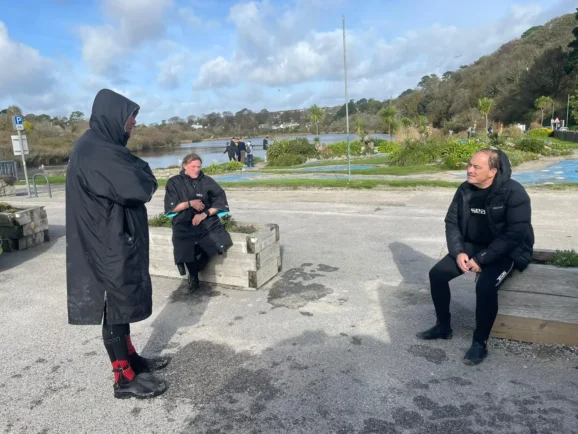
One piece of scientific research that has been done, at the University of Exter’s Cornish campus, has found no evidence that the hatchery’s approach is impacting lobster genetics. They are not being domesticated, and there is no evidence that the releases is altering the genetic structure of the lobster population. The approach is biologically sensible, appears to work for lobsters and offers opportunity for any marine species, from crabs to some species of fish, that lay eggs.
My lobster release dive happened on day two of my adventure. We started the day with a practice dive. We learned how to handle the unwieldy plastic containers in which the baby lobsters were now housed, while clearing our masks of water and retrieving our breathing gear if dislodged – all standard skills that scuba divers learn. While doing this, I inadvertently knocked a valve in my buoyancy control device, a waistcoat that the diver inflates or deflates to enable them to descend, ascend or float at depth. It meant that when I surfaced, my life-saving waistcoat would not inflate and I kept sinking. Although I had plenty of air in my aqualung, it felt like I was being dragged under by all the scuba gear — as if I was drowning, and I started to panic. The diver running the course was fantastic, and in no time at all, with his help, I was safely heading for shore, a little shaken but no worse for wear. Just keen to get out of the gear that had been dragging me down to the murky depths, and, as it turned out, a little emotionally scarred.
On our second dive, I released a tray of lobsters, but before I could aid my dive partner in releasing his, I realised I was starting to worry I’d suffer a repeat of the feeling I was drowning, and to err on the side of caution, I chose to halt the dive, returning to the surface and swimming to shore.
Although I was never in any danger, the brief feeling of being dragged underwater by the dive gear means I will need to do a few more recreational dives before I feel confident enough to release more baby lobsters off the Cornish coast.
I can say with confidence that no lobsters were harmed in my slightly nerve-wracking adventure. Some were returned to the wild, and who knows, when my great-grandchildren visit Falmouth decades from now, they might encounter a giant lobster that started its life in a hatchery, and to which I had given its freedom.

Professor Tim Coulson FRS is Professor of Zoology at the University of Oxford and a leading researcher in ecology and evolutionary biology. He has worked with wolves, lions and other predators, and has published more than 200 scientific papers. His highly acclaimed first popular science book, A Little History of Everything from the Big Bang to You was published by Penguin Michael Joseph in 2024. His next book, Predators: How Animals that Kill Have Shaped Life on Earth will be published by Headline Press in March 2027. It can be pre-ordered here.
READ MORE: AI might kill us all, but not until it’s got what it wants. AI still depends on humans, so wiping us out now would make little sense. The greater danger is that it could first make us dependent, exploit us for labour and energy, and only eliminate us once we are no longer useful, says Professor Tim Coulson.
Do you have news to share or expertise to contribute? The European welcomes insights from business leaders and sector specialists. Get in touch with our editorial team to find out more.
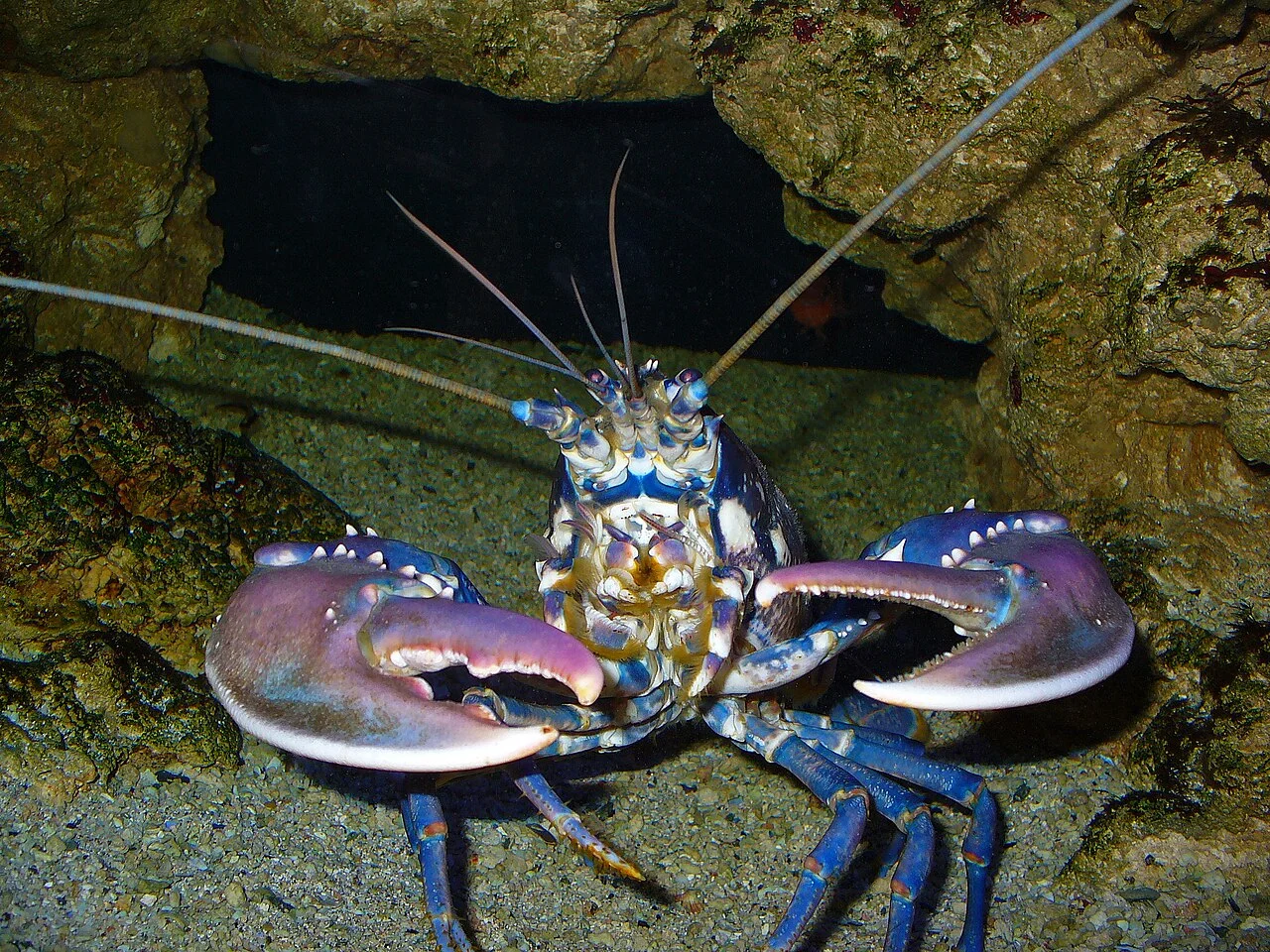
Main Image: The European lobster. Credit: H. Zell / CC BY-SA 3.0