Changing the company delivering an NHS wheelchair service can promise a fresh start for users, yet ultimately leave the same problems in place. Real reform means fixing how wheelchair services are commissioned, monitored and held accountable, writes Matthew Kayne
Britain likes to describe itself as a country that protects equality, dignity and the rights of disabled people. Politicians regularly talk about creating an inclusive society in which disabled people can work, volunteer, study, travel and live independently.
But there’s a fundamental contradiction at the heart of that ambition: how can we ask disabled people to participate fully in society when the very equipment that enables that independence can be delayed, unsuitable, poorly maintained or simply impossible to get when it’s needed?
For a wheelchair user, a wheelchair is part of your life. It’s your mobility, your independence and, in many cases, your connection to the outside world. It can determine whether you can go to work, attend university, meet friends, visit family, access healthcare or simply leave your own front door.
When the system providing that wheelchair fails, then, the consequences are both personal and practical. That’s why Britain’s wheelchair services should be treated as a national political issue rather than a technical NHS procurement matter.
Under my previous provider, I experienced serious problems and frustration with delays, equipment and communication. When the service subsequently moved to a new provider, I hoped that this would represent a genuine fresh start. Instead, I found myself still waiting, still struggling with unsuitable equipment and still trying to get somebody to listen. That experience has left me questioning whether the fundamental problem is much bigger than the name of the company delivering the contract.
If a contract changes, the company name changes and the paperwork changes but the user is still waiting, still struggling with unsuitable equipment and still trying to get somebody to listen, what exactly has been reformed?
There are systemic questions about how wheelchair services are commissioned, monitored and held accountable, and parliament has debated wider concerns about wheelchair provision and the case for stronger independent scrutiny. The Government has also introduced a national Wheelchair Quality Framework intended to establish clearer expectations around the quality of wheelchair services.
But the real test is what happens to the person sitting in the wheelchair: whether they receive the right chair quickly enough, whether it works in their home and community, whether they can get help when it breaks and whether there’s a genuinely independent route to accountability when the service fails.
Too often, the wheelchair user becomes the person with the least power in the entire process. The provider has the contract, the commissioner controls the funding, the NHS controls the clinical pathway and Government controls the policy framework. Yet the individual who actually has to sit in the wheelchair every day can find themselves having to fight simply to be heard.
A wheelchair service should begin with a basic principle: the person using the wheelchair is the expert in their own life. Clinical professionals have essential expertise, engineers have technical expertise and commissioners have financial and contractual responsibilities. But the wheelchair user understands something that nobody else can fully understand – the practical difference between a wheelchair that technically meets a specification and one that actually enables them to live.
A person who can’t rely on their wheelchair may be unable to get to work, miss medical appointments, become more dependent on carers or family members, or become isolated. The Government then pays elsewhere. More pressure can fall on social care, families and the NHS, while the disabled person loses something much harder to put a financial value on: independence.
Simply moving from one private contractor to another can’t be the whole answer, not when the Government has yet to create a system in which private providers are held sufficiently accountable for the outcomes experienced by the people they serve. Outsourcing delivery can’t mean outsourcing responsibility, yet that’s the current state of play.
Britain needs an independent review of wheelchair provision that examines the entire system: commissioning, contracts, waiting times, clinical assessments, repairs, communication, complaints, procurement and the involvement of disabled people in decision-making. Wheelchair users must be at the centre of that review because their expertise is essential to understanding whether the system actually works.
The Government should publish meaningful performance data so wheelchair users can see how long people are waiting for assessments and equipment, how long repairs take and how complaints are resolved. Providers should be judged against clear standards and repeated failure should have consequences.
Governments frequently talk about increasing disabled people’s employment and participation in the economy but those ambitions can’t be separated from basic accessibility. You can’t tell disabled people that they should work more while failing to provide the equipment that enables them to travel to work, or promote independent living while making people fight for the equipment that independence depends upon.
My experience has become bigger than my own wheelchair. I started from personal frustration but the more I’ve learned, the more I’ve realised that it’s a political issue.
The measure of success that should be applied is whether the person sitting in a wheelchair can actually live the life they want to live. For years, Government has repeated promises of ensuring disabled people have greater independence. Yet for me, and for many other wheelchair users who have been allocated unsuitable equipment, that promise has remained stuck in one place.
Parliament, it’s time to get the wheels in motion. Stop promising and start delivering.

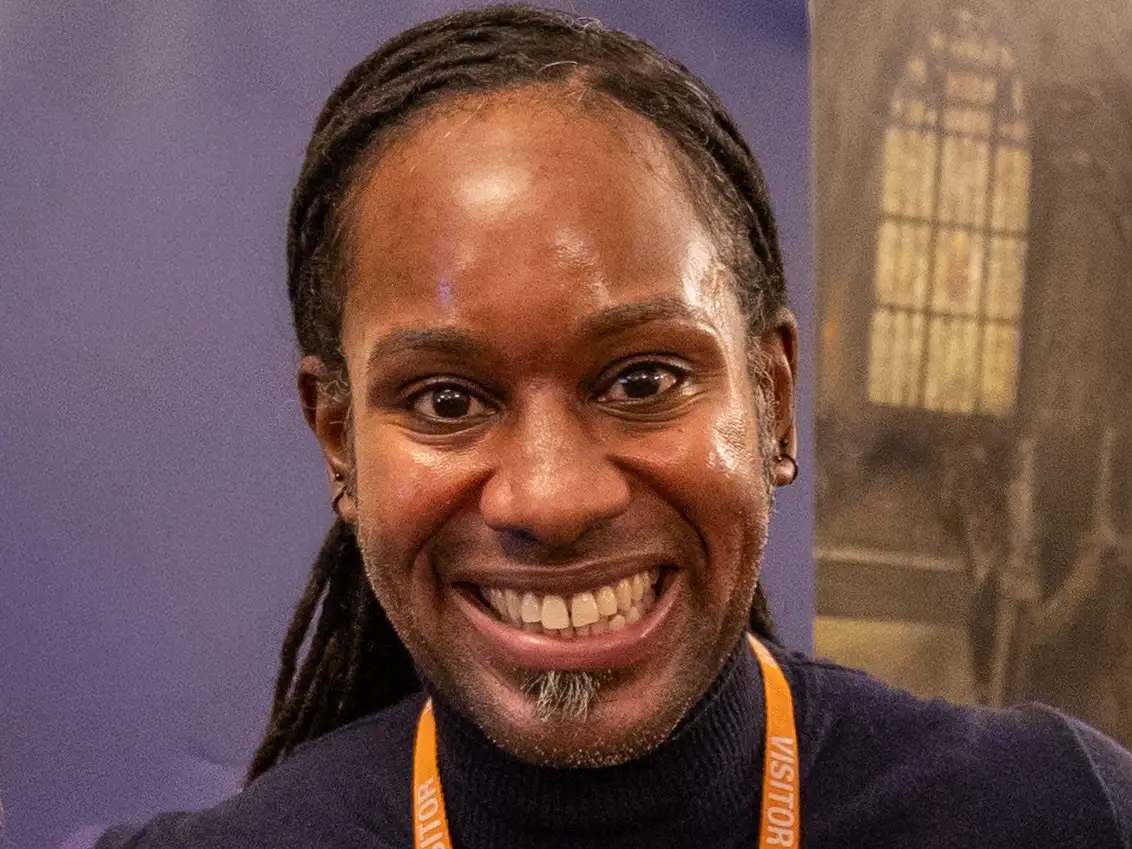
Matthew Kayne is a broadcaster, political campaigner and disability rights advocate who has turned personal challenges into platforms for change. He is the founder and owner of Sugar Kayne Radio, a DAB and online station dedicated to uplifting music and meaningful conversations, and the leader of a national petition calling for reform of the UK’s wheelchair service. Living with cerebral palsy and a survivor of bladder cancer, Matthew channels his lived experience into advocacy, broadcasting and songwriting. His long-term ambition is to bring this experience into politics as an MP, championing disability rights, healthcare access and workplace inclusion.
READ MORE: ‘Andy Burnham becomes Prime Minister in five days – now he must deliver for disabled people‘. Prime Minister-in-waiting Andy Burnham is heading to No. 10 promising “good growth in every postcode”, but Matthew Kayne says that Britain’s disabled community will judge his words on whether change reaches their doorstep.
Do you have news to share or expertise to contribute? The European welcomes insights from business leaders and sector specialists. Get in touch with our editorial team to find out more.
Main Image: SHVETS production/Pexels