Sir Ranulph Fiennes once gave a teenage Ben Hooper a map towards an impossible dream. Decades later, with friends and relatives raising concerns about the explorer’s isolation from those who know and love him, Hooper, adventurer turned registered mental health nurse, asks what recent events can teach us about liberty, dignity and the right to remain heard when we need care
I was 15, with GCSEs looming, when I first wrote to Sir Ranulph Fiennes.
Most people know the outline of Ran’s extraordinary life. The Transglobe Expedition saw him circumnavigate the globe from north to south through both poles. With Dr Mike Stroud, he crossed almost the entirety of Antarctica unsupported. He lost fingertips to frostbite and later removed what remained himself, using a Black and Decker fretsaw, in his shed on Exmoor.
Months after a heart attack and double bypass, he completed seven marathons on seven continents in seven days. In 2009, aged 65, he summited Everest on his third attempt, having also survived cancer.
There are the records, the books, the expeditions and the millions raised for charity. To me, he was Ran, and to a teenager from a home with little room for impossible dreams, he was proof that the impossible could at least be planned for.
In 1994, I wanted to follow him and Mike Stroud across Antarctica, so I spent hours in the local library studying maps, reading about polar exploration and pestering librarians with questions when I should probably have been concentrating on my studies. Eventually, I wrote to Ran.
I expected nothing back, or perhaps a polite letter advising me to finish my education and acquire some common sense. Instead, a large padded envelope arrived containing a personalised letter, expedition plans, documents, ration lists and the names of people who might help me.
A few months later, aged 16, I heard from Sir Vivian Fuchs, leader of the Commonwealth Trans-Antarctic Expedition. His letter, on British Antarctic Survey headed paper, came with maps, paperwork and so much handwritten advice that he continued up the margins when he ran out of space. Two giants of polar history had taken a schoolboy seriously, and I never forgot it.
My Antarctic expedition never happened. Life took me in a different direction and the dream gradually slipped beyond reach, though Ran remained part of my life and the encouragement he had shown me as a teenager stayed with me.
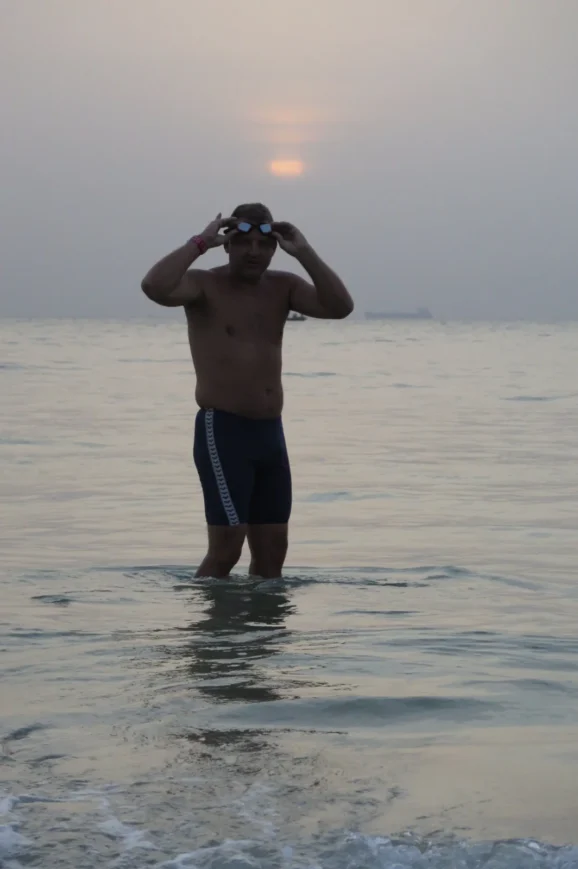
In 2014, Ran agreed to become patron of Swim the Big Blue, my attempt to swim 3,000km across the Atlantic from Africa to Brazil.
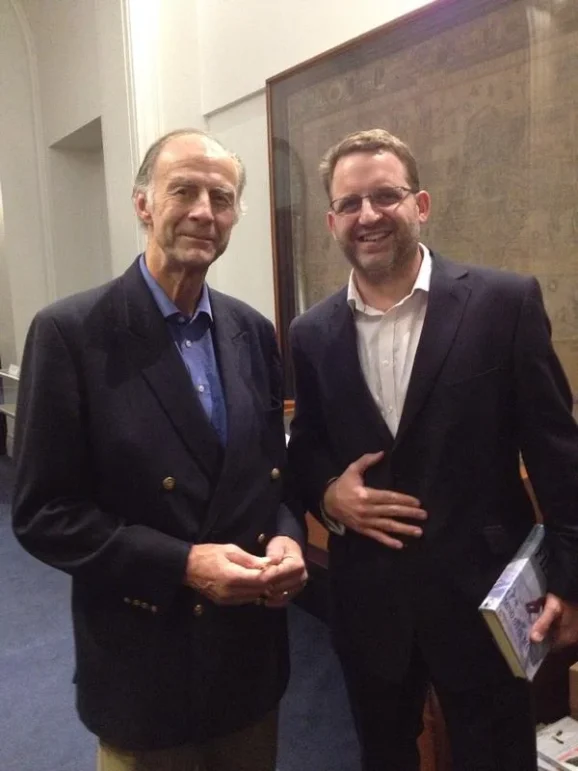
When I finally stepped into the ocean off Senegal in 2016, I carried with me something I had learned from him years earlier: enormous things begin when somebody takes an idea seriously and believes an ordinary person can achieve something extraordinary. Ran later wrote the foreword to the story of my expedition, due to be published soon, and we remained in touch through Christmas cards, messages, updates and the occasional quip.
Then, one evening in 2021, backstage at Malvern Theatres with a cup of tea in his hand, Ran told me something personal about his health. I gave him my word that it would go no further and kept that promise until he chose to speak publicly about his Parkinson’s diagnosis. To me, that is what friendship means.
For years, I sent him a ridiculous Christmas card and usually received one back, sometimes accompanied by a letter or email carrying news of his latest exploits. In December 2023, nothing came.
At first, I thought little of it. Ran was always busy and had recently filmed a series, so I imagined he might be planning another adventure, perhaps involving the Norwegians, or the Bastard Norgies, as he jokingly called them. Christmas cards get lost, emails end up in spam and Ran had better things to do than reply to me.
As the weeks turned into months, I began to worry and tried repeatedly to reach him, eventually discovering that I was not the only person having difficulty making contact. The same was true of Jon Kirk, editor of this magazine, who had also worked with Ran over the years and had similarly heard nothing from him.
By September 2026, those concerns had become public, with friends and relatives reported to have struggled to maintain contact with Ran, now 82, and raising questions about his care. Several national newspapers carried their accounts alongside differing views from people close to him, while Cheshire Police said on 28 September that they had no immediate safeguarding concerns and were satisfied that he was living in an appropriate setting with suitable care and professional oversight.
I do not know the full picture and have no wish to speculate about matters that are properly private. Ran, his family, clinicians, carers, lawyers and the authorities may know things that I do not, and nobody can responsibly judge his capacity, wishes or welfare from newspaper reports alone.
But as an NMC-registered mental health nurse, his story prompted me to think about something much wider: how easily the balance between protecting somebody and preserving their liberty can become blurred when they are old, unwell or dependent upon others for care. I have spent years working at the sharp end of that balance, where decisions about safety, capacity and risk can determine where somebody lives, who they see, how much independence they retain and how much say they continue to have over the ordinary details of their own life.
The law recognises that people who lack capacity to make certain decisions about their care retain fundamental rights over their liberty, requiring restrictions to be justified, proportionate and legally authorised where necessary. Those safeguards exist because care can become so focused on preventing harm that choice, relationships, independence and identity begin to disappear from the life being protected.
I have seen how complicated those decisions can become when somebody is acutely unwell, frightened, confused or unable to make every decision for themselves. Capacity can vary according to the decision being made and may change as somebody’s health changes, meaning a person who needs considerable help deciding where they should live may still know exactly who they want to see, what makes them comfortable, what upsets them and how they want to spend their day.
An elderly woman with dementia, for example, may live behind a locked door for her safety and spend every afternoon putting on her coat because she wants to go home. A man recovering from a brain injury may require close supervision and remain clear about which relatives or friends he wants around him. Someone receiving psychiatric care may be experiencing the most serious illness of their life and still communicate very clearly what frightens, reassures or distresses them.
Nursing has taught me that the person must remain visible through all of this. Every patient had friendships, routines, ambitions, loyalties, humour, dislikes, pleasures and people they loved long before a diagnosis appeared in their medical records, and those things continue to matter when other people become involved in making decisions about their lives.
Safety is part of good care, as are freedom, identity and human connection. The difficult work lies in preserving as much of all four as somebody’s circumstances allow, continually asking what the person understands, what they are communicating, what they have valued throughout their life and which restrictions are genuinely necessary.

My professional experiences inevitably shape the way I think about Ran, a man whose life has been defined by independence, movement, judgement, risk and an extraordinary determination to choose his own direction. Deserts, ice caps, mountains and oceans have formed the geography of his life, and anyone seeking to understand the person surely has to understand something of the life he has spent creating.
I cannot know what Ran wants now and would never claim to speak for him. But I can say what nursing has taught me to hope for any person receiving care: that their voice is heard for as long as they can express it, that their past wishes and relationships help inform decisions when communication becomes harder, and that increasing vulnerability never turns them into little more than a diagnosis or a collection of risks to be managed.
Thousands of families and professionals face versions of these decisions every day with people living with dementia, learning disabilities, brain injuries and serious mental illness. The circumstances differ enormously, though the central responsibility remains the same: protect the person and preserve as much as possible of the life they recognise as their own.
Privacy belongs within that principle too. Knowing Ran for many years gives me no automatic right to know every detail of his care or to expect access to him, and friendship cannot confer ownership over another person’s time or company. What friendship does leave me with is a sincere hope that the man who once chose his own route across continents still has his own wishes listened to wherever possible.
More than three decades ago, Ran took a teenage boy with an improbable dream seriously. I had no expedition record, no sponsors and very little idea what I was doing, and he still sent me maps, plans, ration lists and the names of people who might help. Years later, when I finally attempted an impossible journey of my own, he supported me again.
Exploration has always depended upon judgement, preparation, trust and people who understand you well enough to know when help is required, and those qualities seem just as valuable when life becomes more dependent upon others.
I hope Ran is safe and comfortable, and above all I hope he is being heard. After a lifetime spent determining his own direction, the question that matters most to me is whether his voice still carries weight in deciding where he goes next.
And if you’re reading this, Ran, thank you for everything. Whatever lies ahead, whether it brings a new adventure or forms part of your final one, I wish you safe travels and hope that, wherever you are, you’ve managed to avoid those Bloody Norgies.
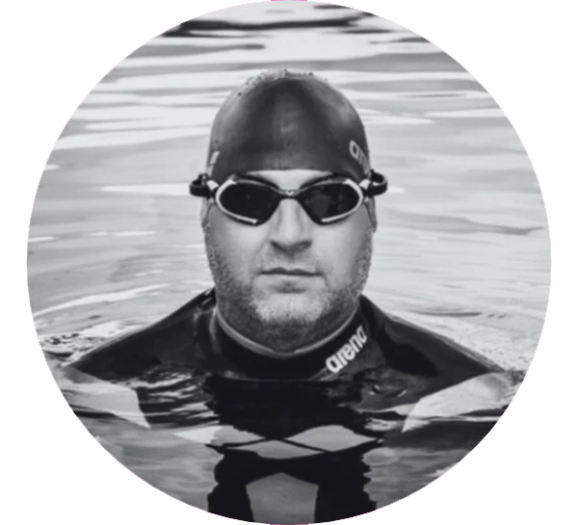
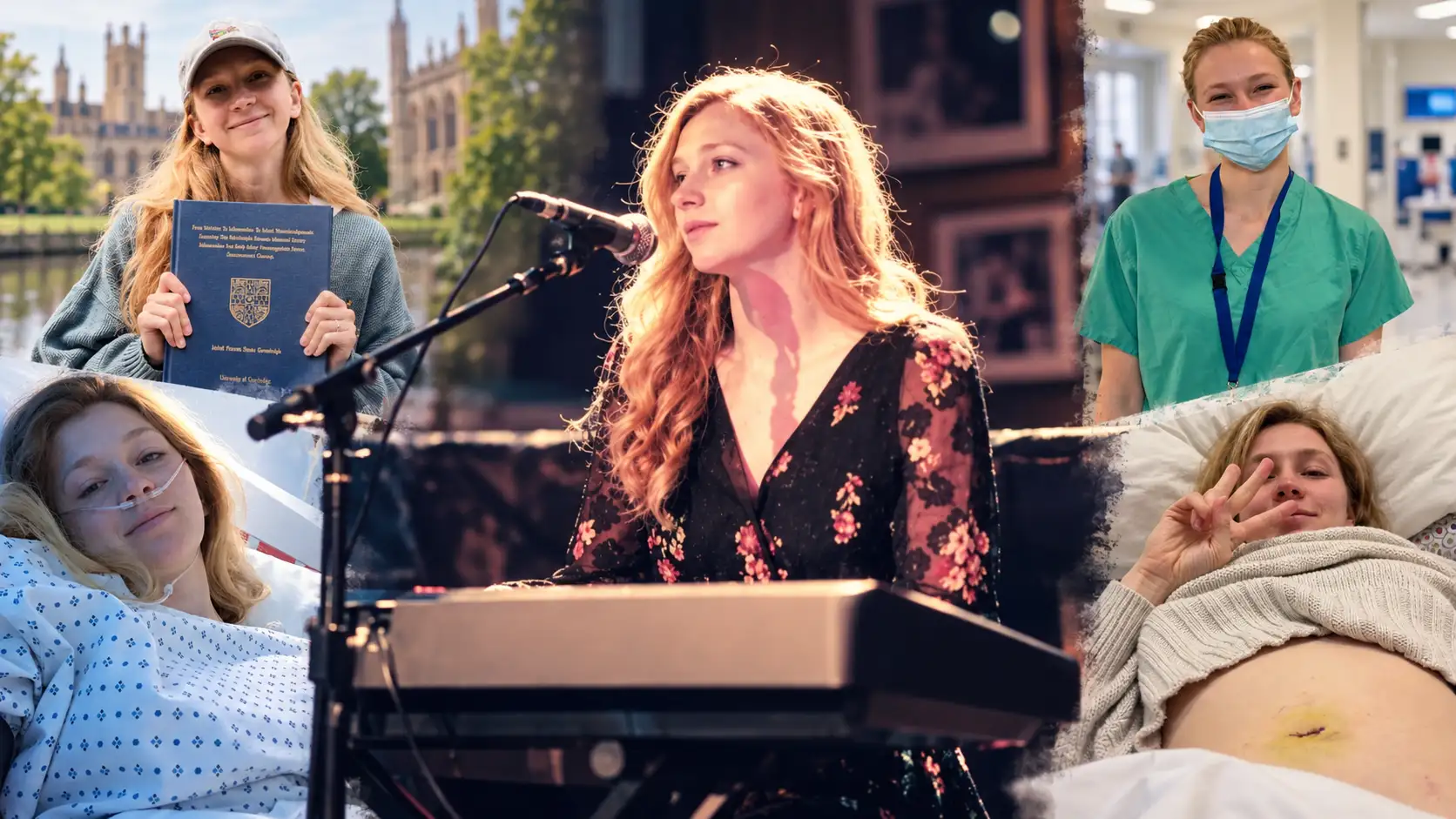
Ben Hooper made global headlines with his bid to swim every mile of the Atlantic Ocean — a challenge Sir Ranulph Fiennes OBE called “the last great bastion to be conquered.” His four-month, 2,000-mile route from Senegal to Brazil, known as Swim the Big Blue, was derailed mid-Atlantic after his support vessel was damaged by storms, despite him surviving a near-fatal encounter with thousands of Portuguese Man O’War. He remains the only person with a WOWSA-verified attempt at the feat. Follow him on Instagram and X @TheBenHooper or via www.thebenhooper.com
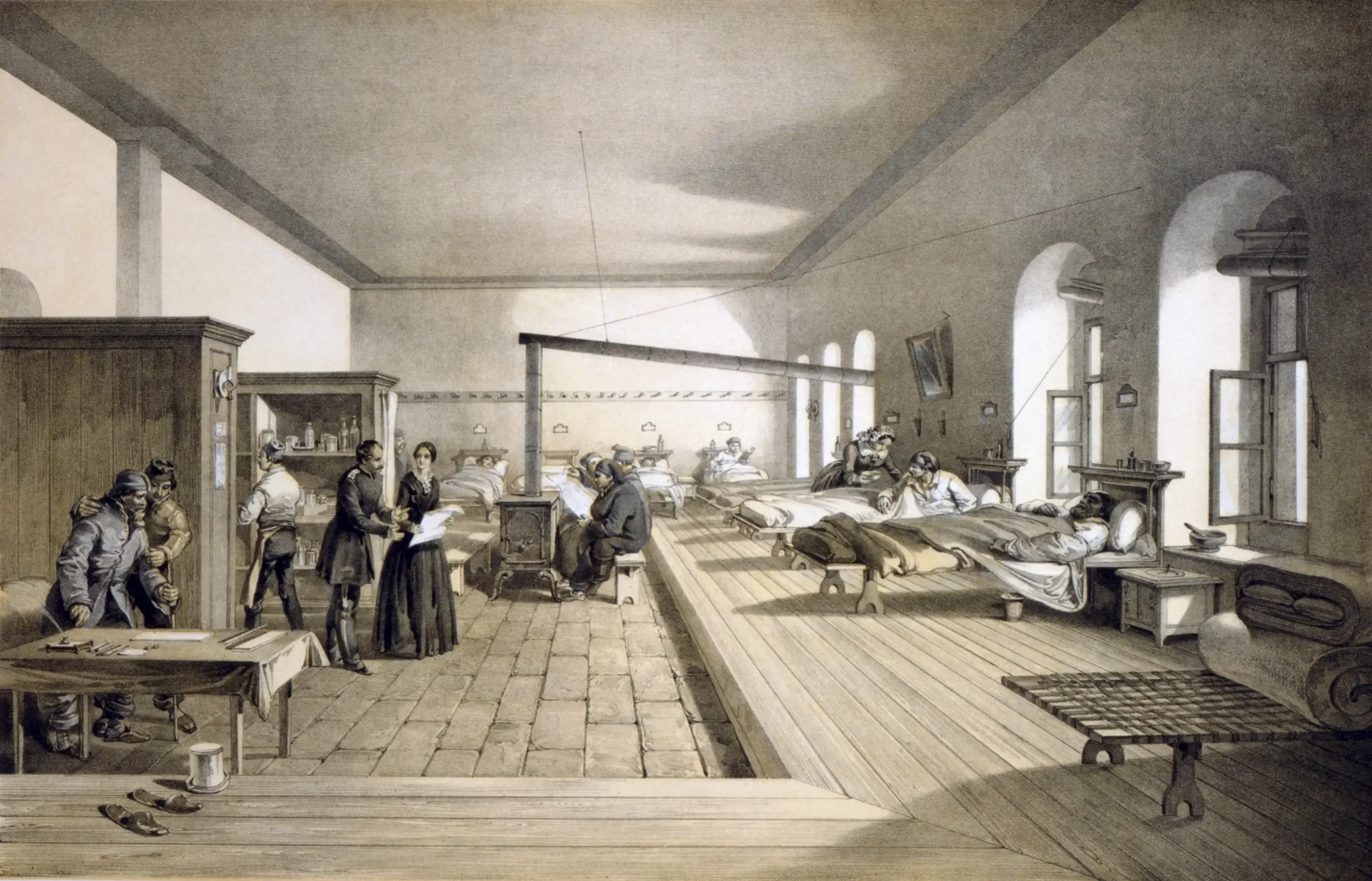
READ MORE: As hospitals shut out fresh air, common sense goes out the window. With hospitals spending millions on ventilation and cooling systems, George F Winter wonders whether modern healthcare has overlooked some remarkably simple lessons from the past.
Do you have news to share or expertise to contribute? The European welcomes insights from business leaders and sector specialists. Get in touch with our editorial team to find out more.
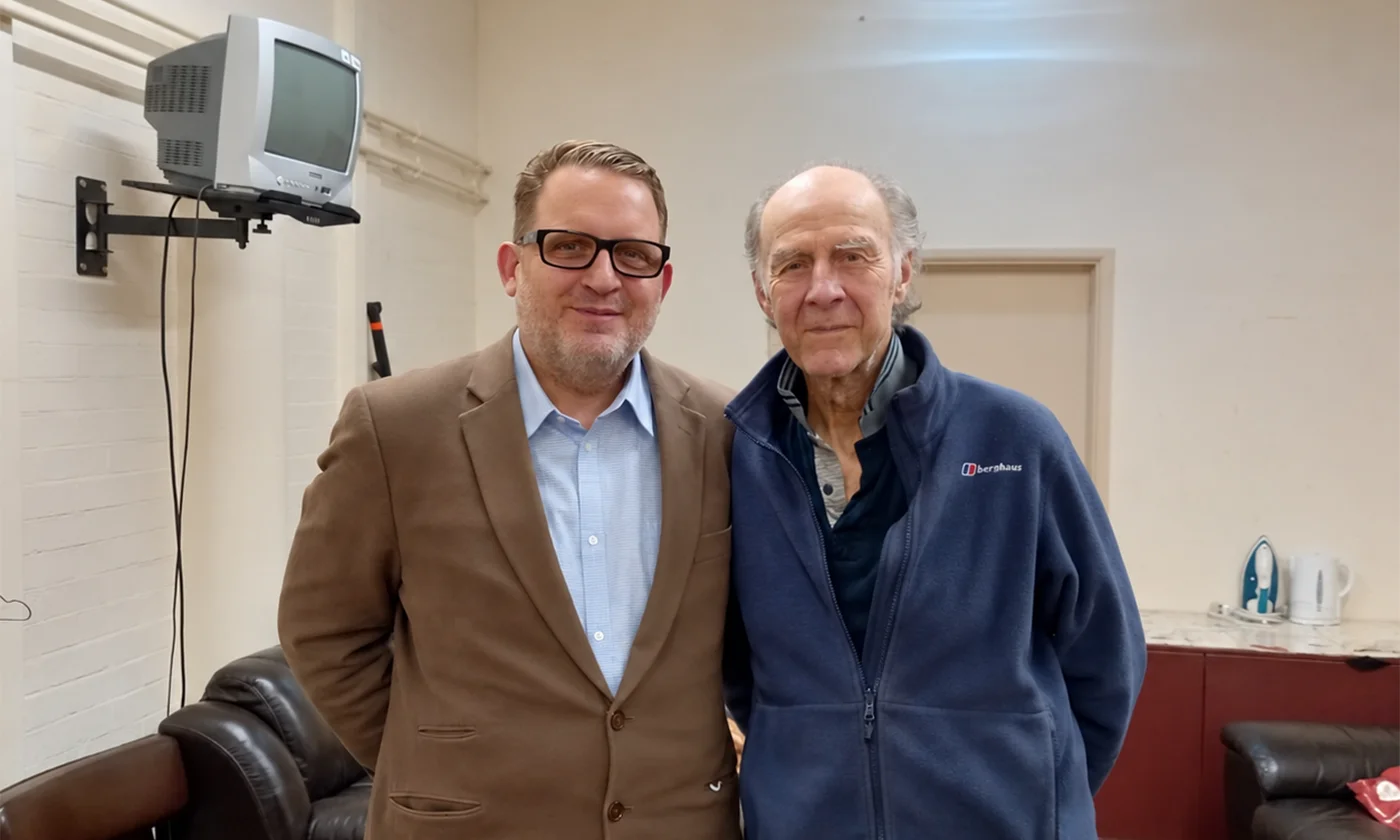
Main image: Ben Hooper with Ran backstage at Malvern Theatres in 2021, during a friendship that began when Hooper first wrote to the explorer as a teenager. Credit: Ben Hooper