As Europe rearms and the last US-Russia nuclear arms treaty expires, former Hare Krishna monk Andrew Horn reflects on his grandfather Donald Soper, a founding member of the CND, and asks whether peace can ever be built on fear
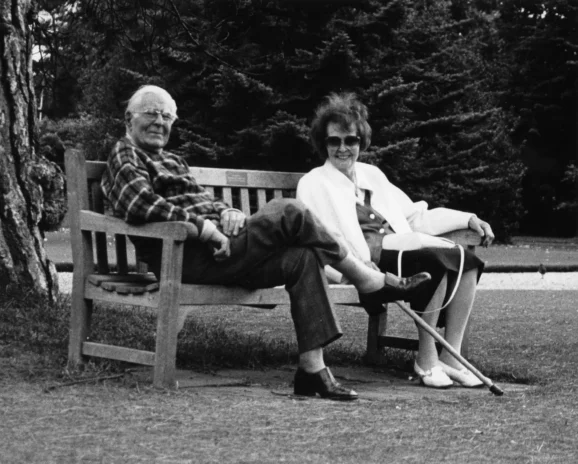
Donald Soper, later Baron Soper of Kingsway, was not a pacifist in the popular caricature of the word.
My grandfather was a Methodist minister, socialist, life peer, open-air preacher and one of the great public moralists of 20th-century Britain. He made Tower Hill and Speakers’ Corner his pulpit for decades, became known as “Dr Soapbox”, joined the Peace Pledge Union in 1937, preached pacifism throughout the Second World War and became a founding member of the Campaign for Nuclear Disarmament.
He opposed violence, but there was nothing timid about him. That is what people sometimes misunderstand about pacifists.
Donald once told me how he’d been a sixth-former at Aske’s School in south London, a talented fast bowler, when one of his deliveries struck an opposing batsman over the heart. The boy collapsed and died in his arms.
At a guess, that boy whom my grandfather cradled helped make him the pacifist he became. It was one of those moments that divides a life into ‘before’ and ‘after’. My grandfather never stopped loving cricket, but he never bowled fast again. The victor, he later said, should never leave the vanquished hurt in any game.
Yet he remained a walking contradiction: a boxing champion at school, a lover of Muhammad Ali’s title fights and a man whose encounters with the public at Speakers’ Corner could be as combative as any sporting contest. Woe betide you if you took him on while he defended his socialist battlements in a cassock.
The only person he never quite got the better of was his beloved Marie, to whom he was married for more than 60 years. When she delivered one of her stern cries of “Donald!”, the best he could usually muster was a sheepish chuckle.
This is what made him interesting to me then, and what makes him relevant now. He was an official pacifist, but he was not passive. He believed in peace, but he did not confuse peace with silence, retreat or moral vagueness. If he thought something was wrong, he said so.
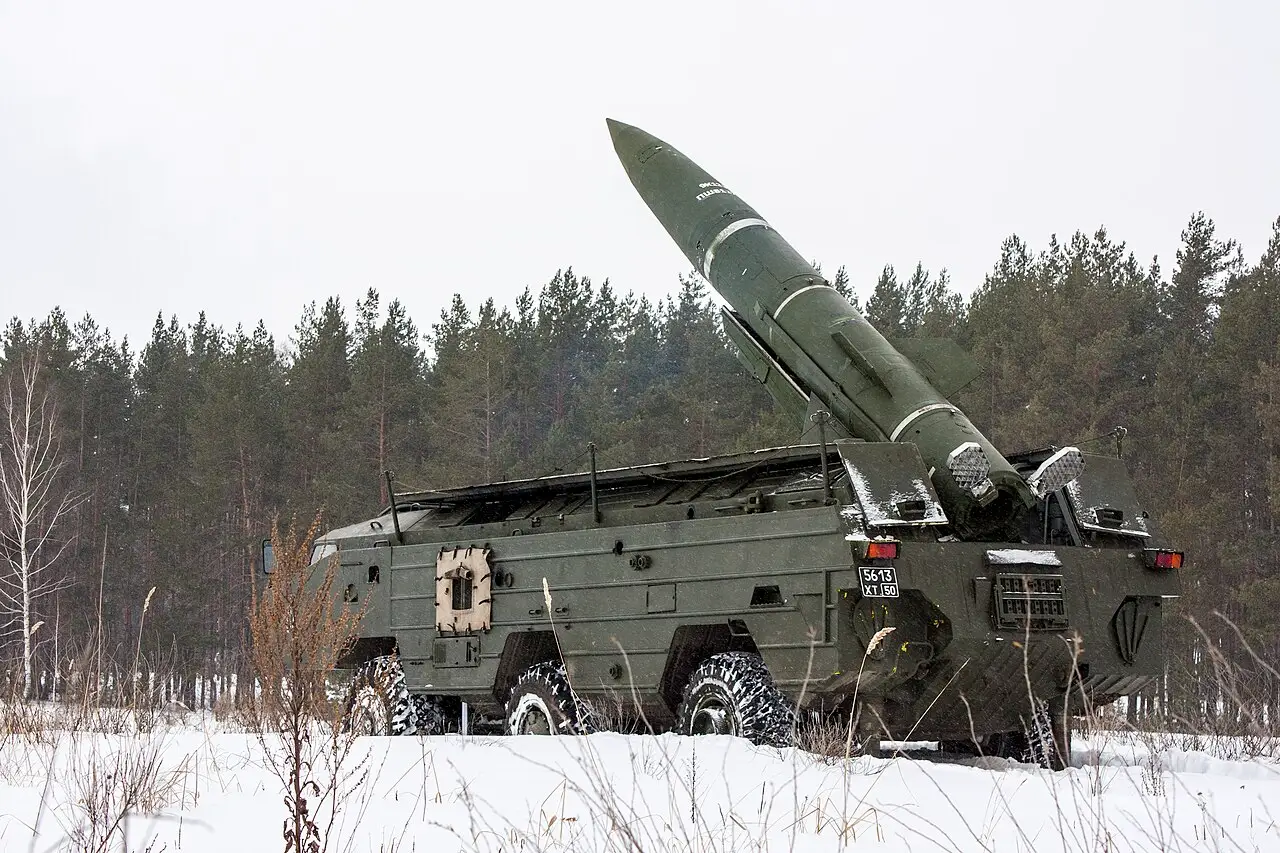
That uncompromising stance is, today, more important than ever, as we live in an age when nuclear danger is again being discussed with an ease that should disturb us. In February, the New START treaty expired, leaving the world without binding limits on the strategic nuclear arsenals of the United States and Russia for the first time in more than half a century. The Stockholm International Peace Research Institute (SIPRI) estimates that at the start of 2026 there were 12,187 nuclear warheads , with states modernising and, in many cases, giving renewed prominence to nuclear weapons in their security thinking.
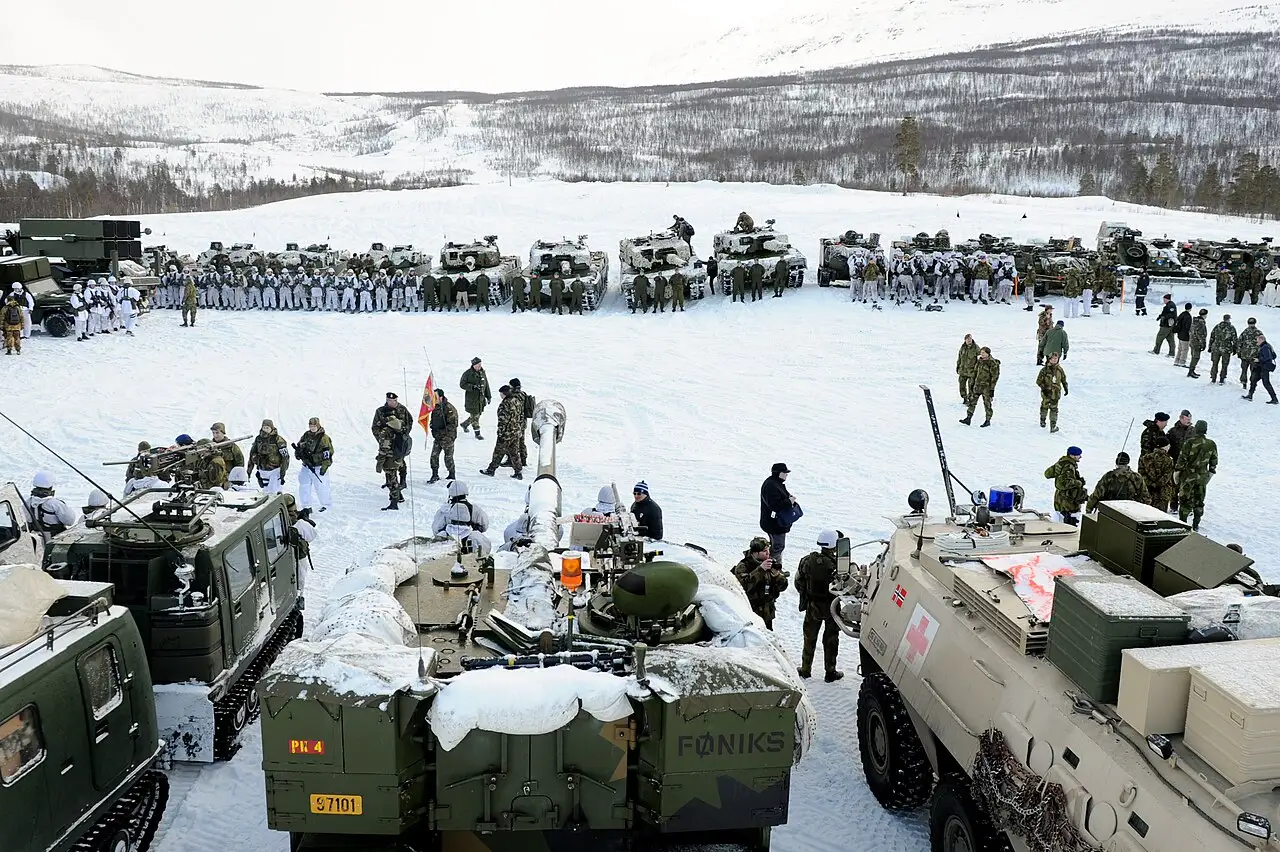
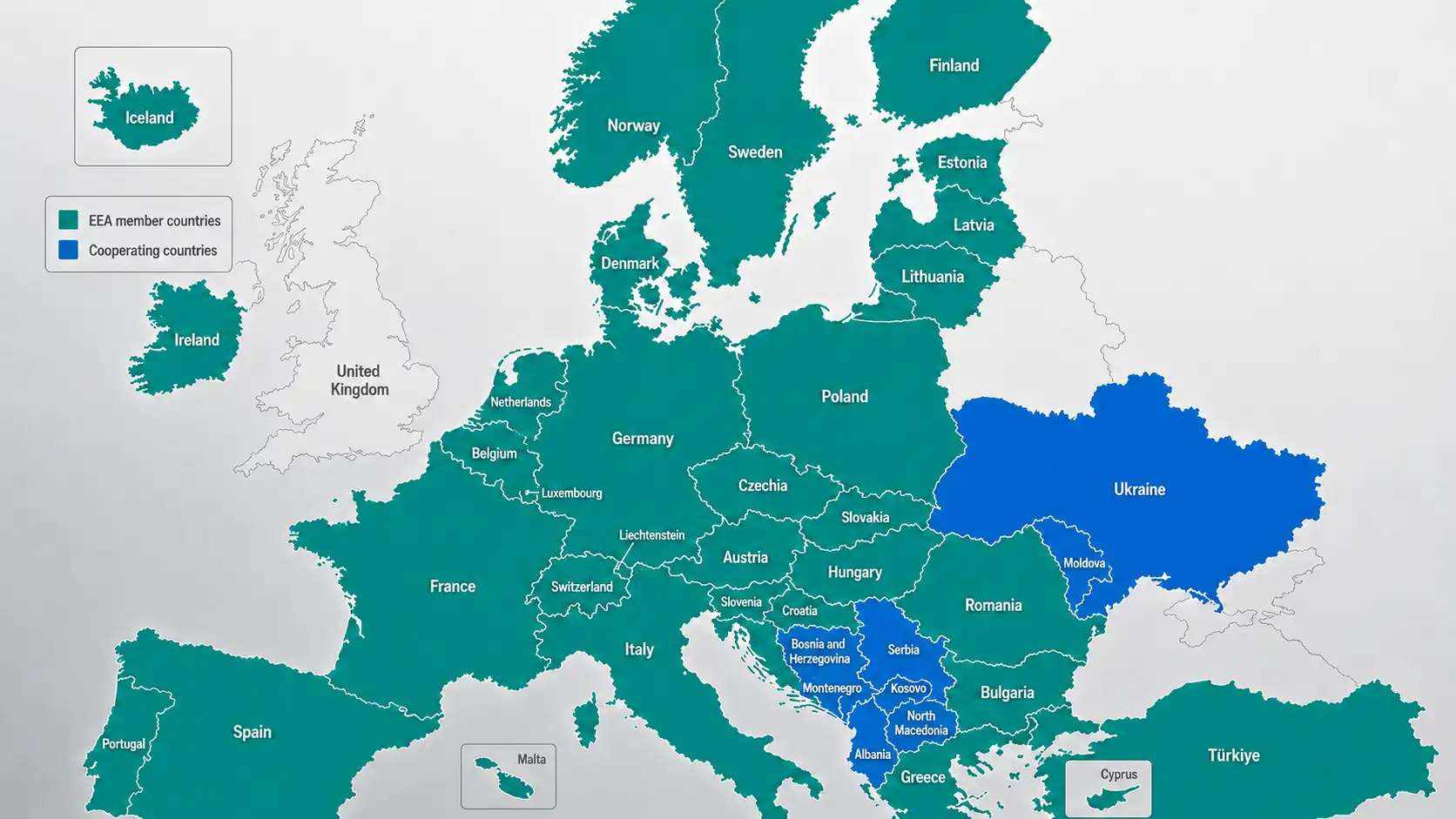
At the same time, Europe is moving further into the language of deterrence. In July, 12 countries, including the United Kingdom, committed to invest US$50.66 billion over the next decade in Deep Precision Strike capabilities, described by the Government as part of NATO’s defence and deterrence. The official argument is familiar enough: if we can show strength, we can prevent aggression.
I understand the logic. No serious person should pretend that malevolent intent disappears just because good people dislike violence. My grandfather knew that, and Krishna knew it too. The Bhagavad Gita, one of the great spiritual texts of India, does not begin in a quiet monastery but on a battlefield, with the hero Arjuna recoiling from the violence before him and Krishna instructing him on duty, action and the nature of the self.
That is why the Bhagavad Gita has always seemed to me a more difficult and useful text than any easy slogan about peace. It does not allow us to solve the problem of violence merely by announcing that we are against it. It asks what a human being should do when action itself appears compromised, when withdrawal may be cowardice and aggression may be sin.
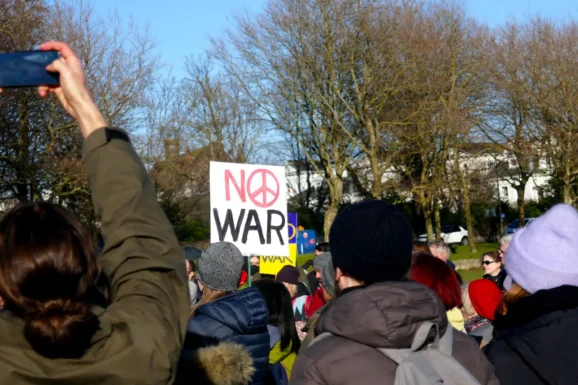
I was a Hare Krishna monk during the 1980s, when nuclear fear was part of the atmosphere of the age. The CND was resurgent, Greenham Common had become a symbol of protest and hundreds of thousands of people marched against nuclear weapons. For many, this was a political argument. For me, because of my grandfather and because of the spiritual tradition in which I was living, it was also a question about human nature.
Can military deterrence ever produce peace, or can it only postpone catastrophe by maintaining a balance of fear?
That question is not an argument for naivety, for leaving free societies defenceless nor for assuming that aggressors will be restrained by goodwill. Neither the world nor human beings are like that. Anyone who has ever watched a crowd, a parliament, a family row or a religious community knows that anger, vanity, fear and the desire to dominate are not abstractions.
But that is precisely why nuclear deterrence is such a morally troubling foundation for security. It may restrain behaviour, but it does so by threatening devastation on a scale that no moral imagination can fully contain. It depends on fear, calculation and the promise of retaliation. It can stop a shot being fired, but it cannot change the inner conditions that make the shot imaginable.
My grandfather’s pacifism was more than a denial of conflict, reflecting a fundamental refusal to accept that violence was the final truth about human beings. He could argue furiously, he could ridicule opponents, he could thrust uncomfortable truths into the face of power, but beneath all that was a belief that life itself was sacred and that the moral law was not suspended because governments discovered more efficient means of destruction.
The spiritual traditions I later encountered put the same point differently. They teach that the crisis begins before the weapon is built, lying in false self and its appetite to possess, dominate and defend the ego at any cost. We then build political systems that magnify those impulses and call the result ‘realism’.
Realism has its place just as the state has duties and alliances have obligations. The vulnerable cannot be protected by sentiment alone. Yet if realism means accepting that peace must forever rest on the capacity to annihilate millions, then realism has become a very narrow view of reality.
A spiritually serious politics would begin elsewhere. It would ask not only what weapons we need, but what kinds of people we are becoming as we rely on them. It would ask whether security built entirely upon fear can ever mature into peace. It would ask whether courage might sometimes mean refusing the emotional intoxication of escalation, even while recognising the need to resist aggression.
That, I think, is what my grandfather’s example still offers. He was no gentle caricature of pacifism. He was pugnacious, funny, exasperating, fearless and sometimes ferocious. But his life insisted that the rejection of violence need not be weakness. Far from it, it can be a form of moral combat.
We need that distinction now. The danger of the nuclear age is not only that we have built weapons capable of destroying cities but also that we have trained ourselves to speak of them as instruments of stability, as if peace were merely the successful management of terror.
Deterrence may prevent war for a time. Perhaps, in this imperfect world, it sometimes does. But it cannot produce peace in the deeper sense, because peace is not simply the absence of attack. Rather, it is the transformation of the fears and desires that make attack possible.
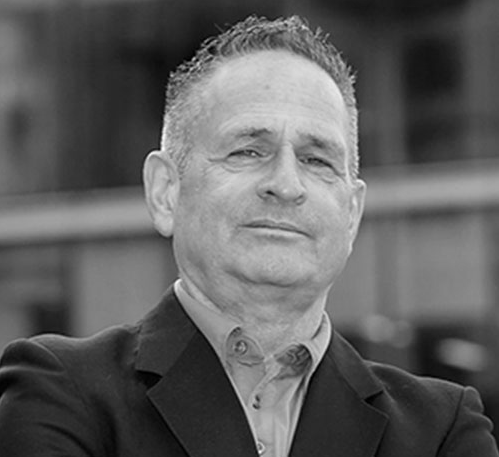
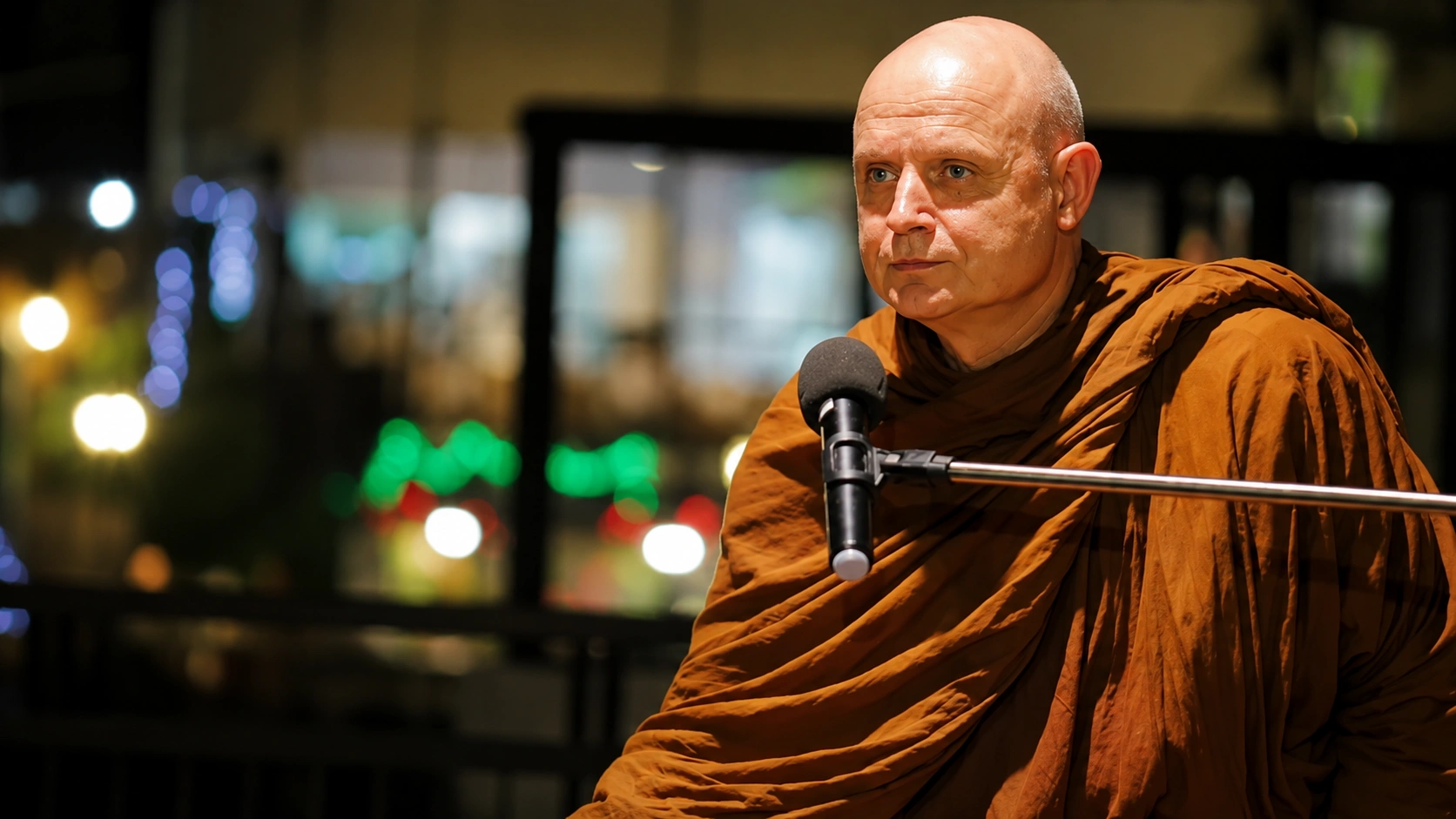
Author Andrew Horn, the son of the great neuroscientist Sir Gabriel Horn and grandson of the socialist peer Baron Soper, is widely regarded as one of the world’s leading experts on traditional Indian and Sanskrit drama whose English translation of the epic 16th-Century Vidagdha Madhava by Rupa Goswami is considered the most accurate ever published. Despite his notable lineage, Andrew chose a different path, becoming a Hare Krishna monk for 20 years. During this time, he was given the name ‘Arjundas Adhikari’, signifying devotion to the hero Arjuna from the Mahabharata. He also appeared on Top of the Pops with Boy George for the singer’s 1991 hit, Bow Down Mister.
READ MORE: ‘Why sacred stories keep returning in Western society‘. As Britain prepares to stage the world premiere of Sir John Tavener’s final opera, Krishna, former monk and translator Andrew Horn explores why sacred and mystical traditions continue to resonate in an age of artificial intelligence, technological acceleration and growing secularisation.
Do you have news to share or expertise to contribute? The European welcomes insights from business leaders and sector specialists. Get in touch with our editorial team to find out more.
Main Image: Mil.ru, via Wikimedia Commons (CC BY 4.0)