The NHS wants to treat more people in their own homes, yet disabled and vulnerable patients are too often left waiting for care without updates or reassurance. If the system is to improve, staff must be properly supported and communication must be treated as part of healthcare itself, writes Matthew Kayne
The future of the NHS is increasingly being built around one simple idea: treating more people at home.
Successive governments have argued that more healthcare should be delivered in the community rather than in hospitals. Ministers speak about reducing pressure on accident and emergency departments, preventing unnecessary admissions and helping people live independently for longer.
Many people support that vision. For disabled people, older people and those living with long-term health conditions, receiving care at home is often exactly what they want. Home provides familiarity, dignity and independence. Community healthcare has the potential to improve lives while reducing pressure on an NHS already under enormous strain.
The problem begins when the care people rely on never arrives.
District nurses are among the unsung heroes of the NHS. Every day, they care for patients recovering from surgery, manage complex wounds, change catheters, administer medication, support people at the end of life and help thousands remain safely in their own homes.
They do extraordinary work under immense pressure. The system, however, is asking them to do more than any service can reasonably deliver.
According to the NHS Long Term Workforce Plan, staffing has failed to keep pace with rising demand as the population ages and more patients live with multiple, complex conditions. Findings from the 2024 NHS Staff Survey revealed that only 40 per cent of district and community nursing staff could meet all the demands on their time, with 71 per cent reporting doing unpaid overtime.
Patients increasingly describe waiting for hours without communication. Appointments are delayed or missed altogether. Telephone calls go unanswered and messages receive no response. Families cancel work, delay commitments and spend the day wondering whether somebody is still coming.
That uncertainty can be every bit as stressful as the treatment itself. Healthcare depends on trust, and patients should never spend an entire day looking out of the window wondering whether the professional responsible for their care has forgotten them.
For disabled people, the consequences can be even greater. I know this through my own experience.
When you live with a disability, healthcare appointments are rarely isolated events. Everything has to be planned carefully. Personal assistants arrange their schedules. Family members organise their day around visits. Equipment is prepared, medication is timed correctly and other appointments are rearranged.
When nobody turns up, the entire day can collapse. It can mean increased pain, delayed treatment, greater anxiety and a growing sense that the system no longer values your time.
Too often, patients are expected to wait without answers, updates or any idea whether help is still coming. That should never become normal.
The NHS rightly talks about putting patients at the centre of care. Communication must therefore be treated as part of healthcare itself.
A simple telephone call takes minutes. A text message confirming a delay takes seconds. Patients understand that unexpected clinical situations happen and that district nurses cannot guarantee exact arrival times.
Silence leaves vulnerable people frightened, carers unable to plan and disabled people trapped inside their homes waiting for care that may never arrive. It is a failure of the system.
The government’s continued ambition to move more services into the community is sensible, but, first, community care has to work.
District nurses are carrying increasingly heavy caseloads while trying to provide safe, compassionate care. They deserve better support, and patients deserve honesty.
If services are overwhelmed, governments should say so. If staffing levels are insufficient, they should address them. If communication systems are outdated, they should invest in technology that keeps patients informed.
Pretending everything is working while patients continue waiting behind closed doors helps nobody.
There is also an economic argument that politicians often overlook. When community healthcare fails, the consequences rarely remain within community healthcare.
Small medical problems become larger ones. People attend accident and emergency departments because they cannot access care elsewhere. Hospital admissions increase, recovery takes longer and the NHS spends more money dealing with problems that could have been prevented. Poor community care only shifts pressure elsewhere.
For disabled people, the stakes are even higher. Community healthcare often determines whether someone can continue living independently or whether their condition deteriorates to the point where more intensive intervention becomes necessary. A missed visit can affect physical health, mental wellbeing, confidence and whether someone continues to trust the healthcare system at all.
Trust is incredibly difficult to rebuild once it has been lost. Politicians regularly speak about restoring public confidence in the NHS, but that confidence will be rebuilt through everyday experiences.
It will be rebuilt when patients know someone will contact them if plans change, when vulnerable people no longer spend entire days waiting without answers and when disabled people feel their time is valued as much as everyone else’s.
Healthcare begins the moment a patient is told that help is on its way. If ministers are serious about creating an NHS fit for the future, community healthcare must stop being treated as an afterthought. District nurses need more staff, patients need better communication, and disabled people need services they can rely on.
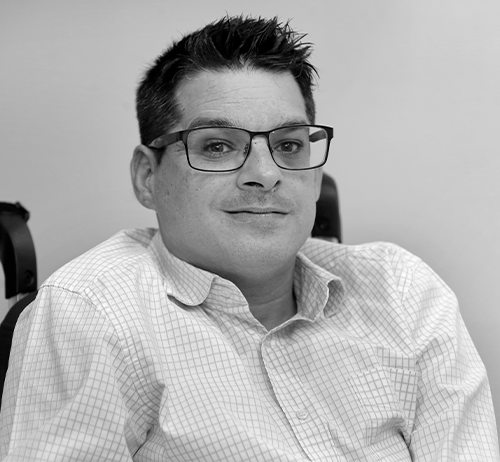
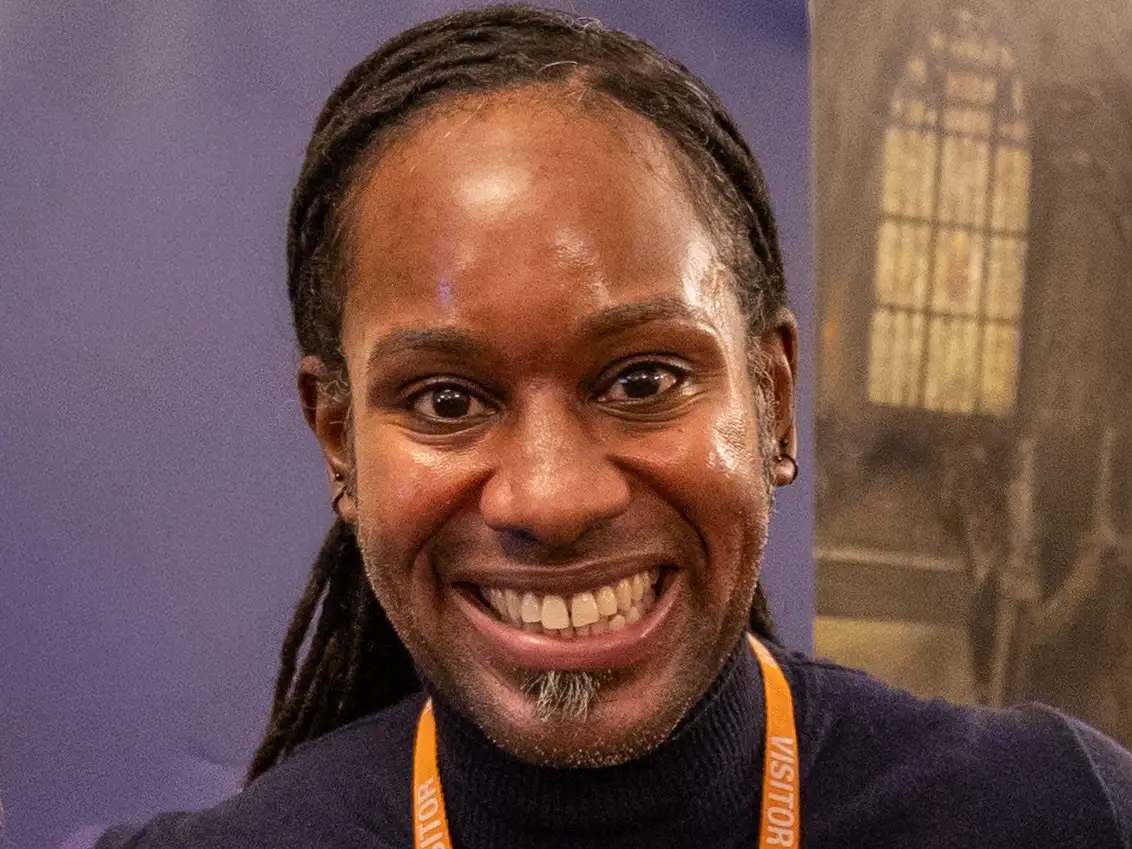
Matthew Kayne is a broadcaster, political campaigner and disability rights advocate who has turned personal challenges into platforms for change. He is the founder and owner of Sugar Kayne Radio, a DAB and online station dedicated to uplifting music and meaningful conversations, and the leader of a national petition calling for reform of the UK’s wheelchair service. Living with cerebral palsy and a survivor of bladder cancer, Matthew channels his lived experience into advocacy, broadcasting, and songwriting. His long-term ambition is to bring this experience into politics as an MP, championing disability rights, healthcare access, and workplace inclusion.
READ MORE: ‘Britain needs more than another new prime minister‘. Sir Keir Starmer’s resignation may have dominated the headlines, but Britain’s deeper political crisis is the recurring political instability that prevents long-term reform and leaves disabled people paying the price, writes Matthew Kayne.
Do you have news to share or expertise to contribute? The European welcomes insights from business leaders and sector specialists. Get in touch with our editorial team to find out more.
Main Image: Yaroslav Shuraev/Pexels