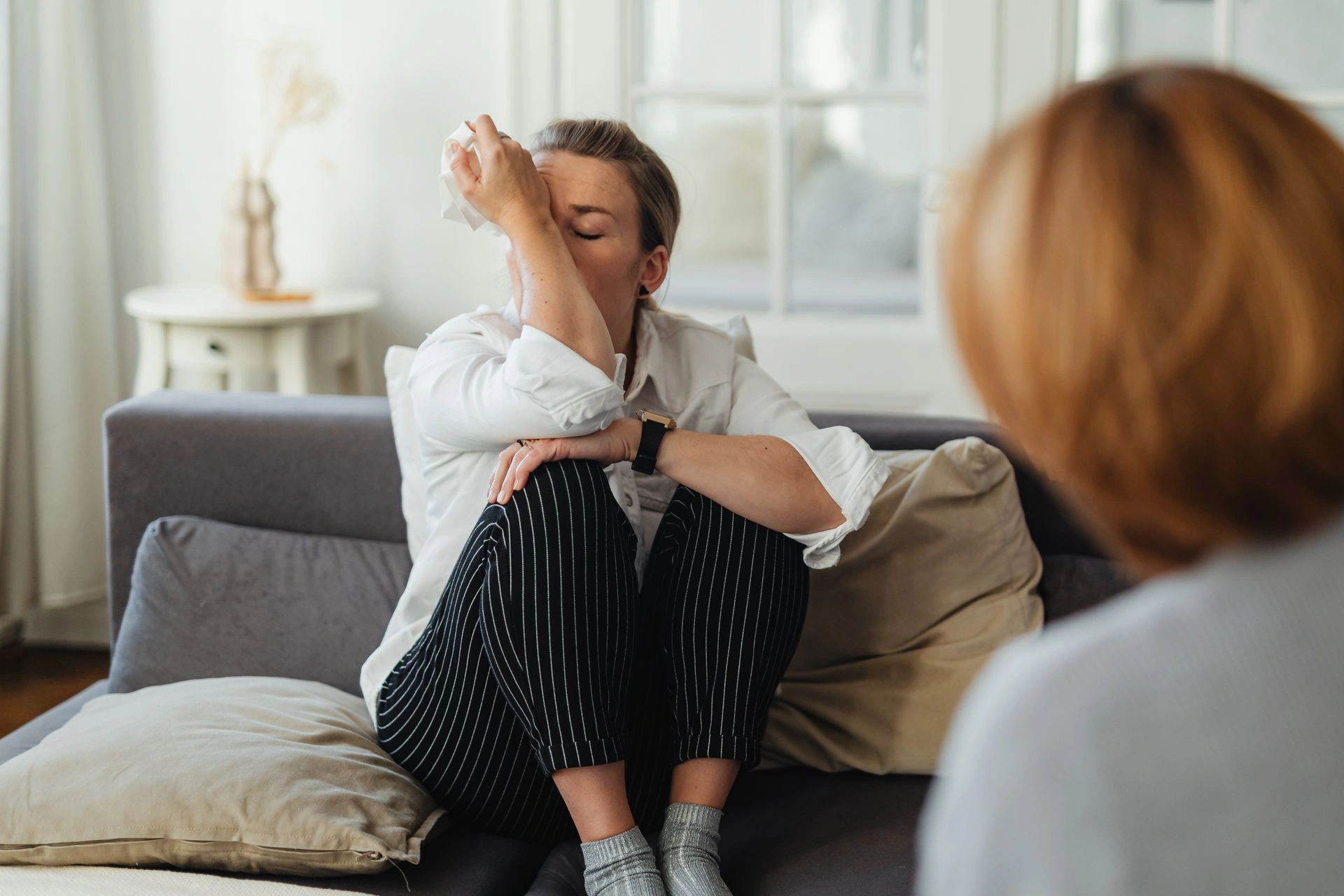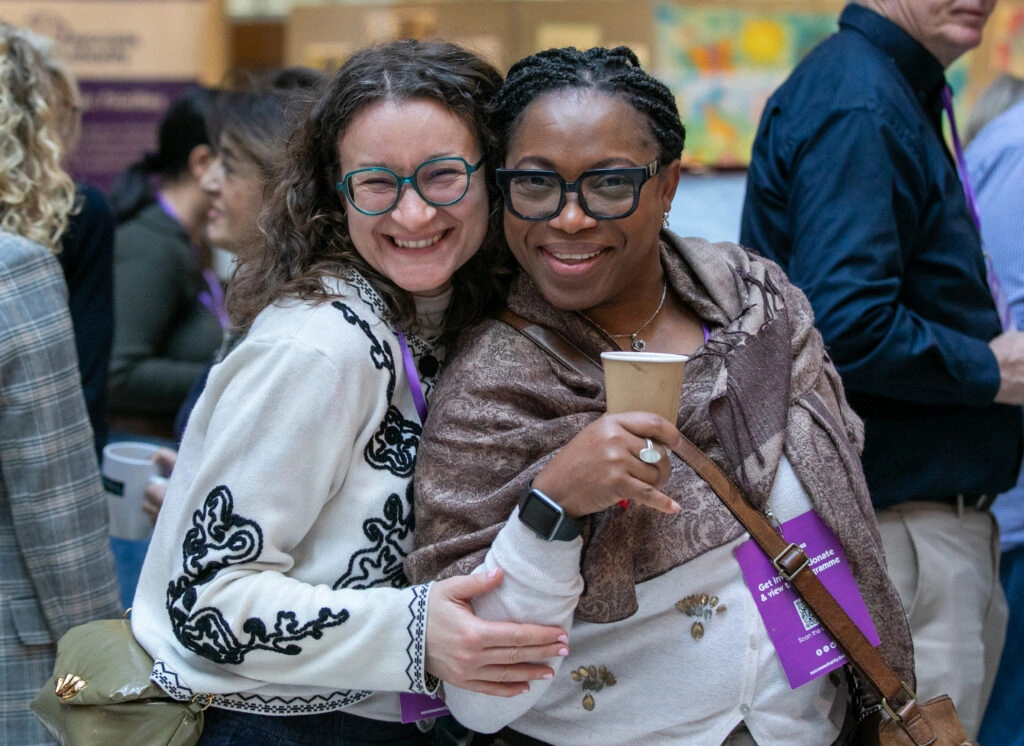
Clinicians, researchers and families gathered at the SUCCESS charity’s ninth annual conference in the capital to discuss long-term recovery after childhood brain cancer. Marco Previero, Health Correspondent for The European, attended the event where discussions revealed a growing emphasis on helping survivors build meaningful lives once treatment ends
A couple of weeks ago, I attended Success Life After Cure (“SUCCESS”) Charity’s ninth annual conference: for survivors, by survivors. The conference was held in London and brought together families, survivors, leading clinical professionals, policy makers and parliamentarians, united by an ambition I have always admired – the belief that survivors’ futures can be improved with the right level of targeted recovery care rather than being left to hope and circumstance.
I attended as Health Correspondent for The European, though I should also acknowledge a significant personal connection to SUCCESS’s work. I was a founding trustee and treasurer of the charity for six years, and, more importantly, I am the father of a childhood brain cancer survivor. This was not only SUCCESS’s ninth annual conference. It was also my ninth.
Unlike the first one, with much of the focus on survivors and their stories, this conference carried a heavy emphasis on a packed programme of medical and policy sessions, delivered by clinicians and researchers, and other healthcare professionals. As the day progressed, a question kept niggling at me: who was this conference really for? The professionals trying to shape better clinical outcomes, or the survivors and families trying to shape a meaningful life after treatment ends?
It was, by any measure, fascinating and valuable, and a reminder of how far paediatric neuro-oncology, neuropsychology, endocrinology – and various other “ologies” linked to curing childhood brain tumours – have come and how hard experts are working to improve outcomes beyond cure. But for this parent and his “survivor” daughter, a qualifier she doesn’t particularly like, the tone and content of the conference felt slightly misaligned with the day-to-day realities that begin when treatment ends.
The science itself was compelling. SUCCESS’s work, energetically championed by its strongest spokesperson and advocate, Helen Spoudeas, a former leading paediatric endocrinologist at Great Ormond Street Hospital for more than 20 years, is ambitious in scope, aiming to ensure that advances in science and medicine give survivors the best chance of building meaningful lives.
Even so, the programme left me wondering what outcome it was ultimately seeking to optimise. Was it primarily a forum for professional knowledge exchange about mitigating late effects? Or was it meant to provide reassurance for families, raise awareness and help survivors imagine the shape of life after treatment? The implicit measure of success was not entirely clear – that is, whether the focus was better medicine, better protocols, or better lives expressed through friendships, schooling, independence and belonging.
If the conference was “for survivors, by survivors”, then the programme, I felt, left an unfinished piece of the innovation puzzle unsolved: not how to treat, but how to live, how to build a meaningful life when curing brain cancer inevitably comes with limitations.
An illustration might help. When Millie was diagnosed with brain cancer, she followed a strict and aggressive chemo protocol over a period of four months, targeting fast dividing cancer cells. In doing so, it also damaged fast dividing healthy cells (hair follicles, cells in the gut, bone marrow etc). And of course, reproductive cells. For Millie, this means her eggs may have been affected. Had she been a boy, the concern would have been damage to sperm-producing cells. The long-term impact varies depending on the child, their age, and importantly the specific chemo agents and dosage used. The principle is broadly similar: children who undergo chemo will carry some degree of increased risk of fertility problems later in life.
The session on “Fertility treatment options for males and females Panhypopituitary Survivors – are they effective and equitable?” (as an aside, why not just call the session “Can survivors still have children and is it fair for everyone?”) was clinically impressive. It focused on all the right things: fertility preservation, endocrine pathways, data-led “gonadotoxic” risk profiles, referral thresholds, storage protocols and the practicalities of banking sperm at the right time in the treatment journey. A clear demonstration that clinicians are thinking well beyond “cure” and into the long tail of adult life. And then came the conclusion: treatment works, but few (less than 10 per cent) come back to use their stored sperm (I suspect it’s even lower for eggs or preserved ovarian tissue for girls). The possible explanation given was that perhaps the intervention has not been available long enough for the cohort to reach an age where they are ready to start a family.
My own lived experience hints at a possible different reason. Could it be that, in order to have children, you need to be able to have a stable relationship with someone? This is an area Millie, and many other survivors, struggle with, not least because fatigue, anxiety, feeling “different” and lack of specific hormones that promote bonding with other human beings make connecting to others much more difficult. The science in the session was excellent, but it only felt like half of the innovation needed in the context of the conference, because fertility is not just a physiological thing, it is intimately linked to confidence, belonging, social ease, the ability to form and sustain meaningful connections.
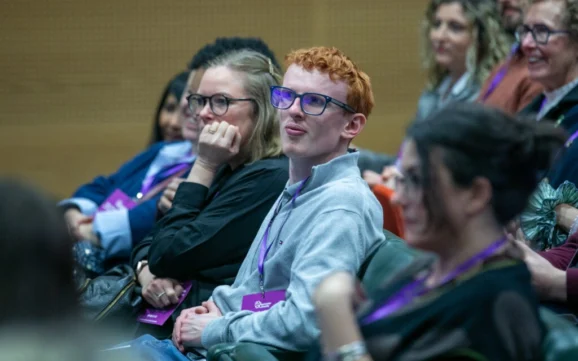
I would have liked to have seen more sessions where medical innovations to preserve options for survivors (biology and function), are leveraged to improve life innovations to help these young people use those options constructively (relationships, identity, confidence, connection, purpose). Even now that she is close to celebrating her 20th birthday, fertility is the last thing I worry about for Millie, and the last thing she worries about, though I appreciate this may change with time and maturity. I understand why it matters medically, and maybe, just maybe to Millie later in life, and I am grateful to the medical professionals who continue to invest in means to preserve it.
The reality is that my day-to-day focus is helping her build a meaningful life within the limitation she carries, to make sure that this particular ordinary day of the week feels worth living. If those foundations are in place, then we can let the future be what it will be; and if they are not, then even the best “preserved options” will remain for the birds. For Millie, innovation should help not just in what might be possible one day… but about making life possible now, in the present, in this moment.
SUCCESS is a small charity with big ideas. That’s both its strength and its challenge. I love it for that and I have always admired its objective and Helen’s vision for it. I will always try and support it when I feel I can add value. But I sense the route to becoming really successful at raising money will be to translate what medicine is achieving now and in the near future, into what families and survivors actually need. That translation is where the charity’s clearest value proposition sits: not simply by backing science, but helping survivors and their families understand how to complete that journey from survival to a life that feels worth living.
And so my final thoughts return to the words of those survivors at the conference – I wish there had been much more of them. Throughout the day, innovation came from them outside the auditoriums where professionals updated us on “tailored online problem solving (TOPS-UK) for teenagers with brain injury”. It came from their ability to describe what life after cure actually feels like. What success feels like. I have changed their name to preserve their anonymity.
Sarah spoke about flat hunting, which was “stressful but exciting”, and her feeling of independence, even as her parents worried but helped her to look.
Carl described his amazing “screaming into the light” art composed through generative AI as a way to express himself, and talked about simply looking forward to meeting people.
Lily, so clear in the benefits she derived from the SUCCESS friendship group, and how lonely she would feel without it, told us how staying in touch with people with similar disabilities makes life feel more connected and possible.
Leah (whose incredibly moving presentation at the 2024 conference I still remember) honestly and courageously reflected how before SUCCESS she thought she was “an inconvenience” and labelled herself “as a problem”, but now she doesn’t “mind talking about it as long as it encourages people to get in touch with this charity”.
Tessa, described her “six or seven years of nothing” post-treatment, thinking she was on her own, until SUCCESS became “the first time I came across people that were a bit like me” and how those connections, beyond her other childhood friends, were “special”.
Along these stories of belonging, one young survivor, Matt, was there as a reminder of the stark reality of brain tumours. He spoke clearly, maturely and matter-of-factly about being due another brain operation 10 days after the conference for a recurring growth: “They’ll have a look, take it off and see what’s happening”. In that single, understated, sentence I recognised only too well the possible shape of a life journey repeatedly rewritten by uncertainty, scans, waiting rooms, life altering side effects, and heartbreak.
Threaded through all these voices was the same powerful message: knowing you’re not the only one with this particular need changes everything. To be successful, SUCCESS needs funding. When donors hear the lived experience, in honest, vulnerable human language, it does what data never can. It makes the mission felt, and feeling is ultimately the most powerful bridge to giving. I hope to see more if it at next year’s conference and wish SUCCESS another successful year ahead.
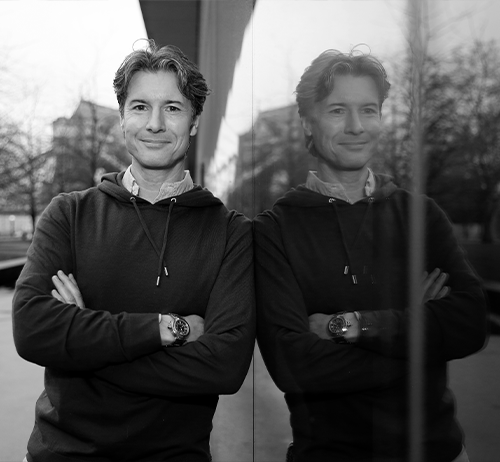
Marco Previero is a health-innovation commentator and patient advocate specialising in survivorship, rehabilitation and user-centred models of care. His perspective is informed by twelve years navigating paediatric oncology as the father of a childhood brain cancer survivor, with experience spanning acute treatment, long-term follow-up across multi-disciplinary specialism (specialist rehabilitation, neurocognitive support, endocrinology, and psychosocial services, education support), and the systems that shape recovery. A former founding Trustee of SUCCESS Life After Cure Ltd and a named contributor to a 2025 North Thames Paediatric Cancer Network and Great Ormond Street Hospital study, he writes for The European on patient experience, survivorship, health innovation and the future of care pathways.
READ MORE: ‘Why mere survival is no longer enough for children with brain tumours‘. While medical advances now allow most children with brain tumours to live for decades after diagnosis, the system still fails to measure, model, and properly fund the long-term rehabilitation that determines how well they live those years. Marco Previero, our Health Innovation Correspondent, draws on his daughter’s recovery to show why rehabilitation deserves the same rigour, funding, and policy attention as treatment.
Do you have news to share or expertise to contribute? The European welcomes insights from business leaders and sector specialists. Get in touch with our editorial team to find out more.
Main image, courtesy SUCCESS Charity