Card fraud accounts for more than one-in-three UK identity fraud cases

John E. Kaye
- Published
- News, Technology
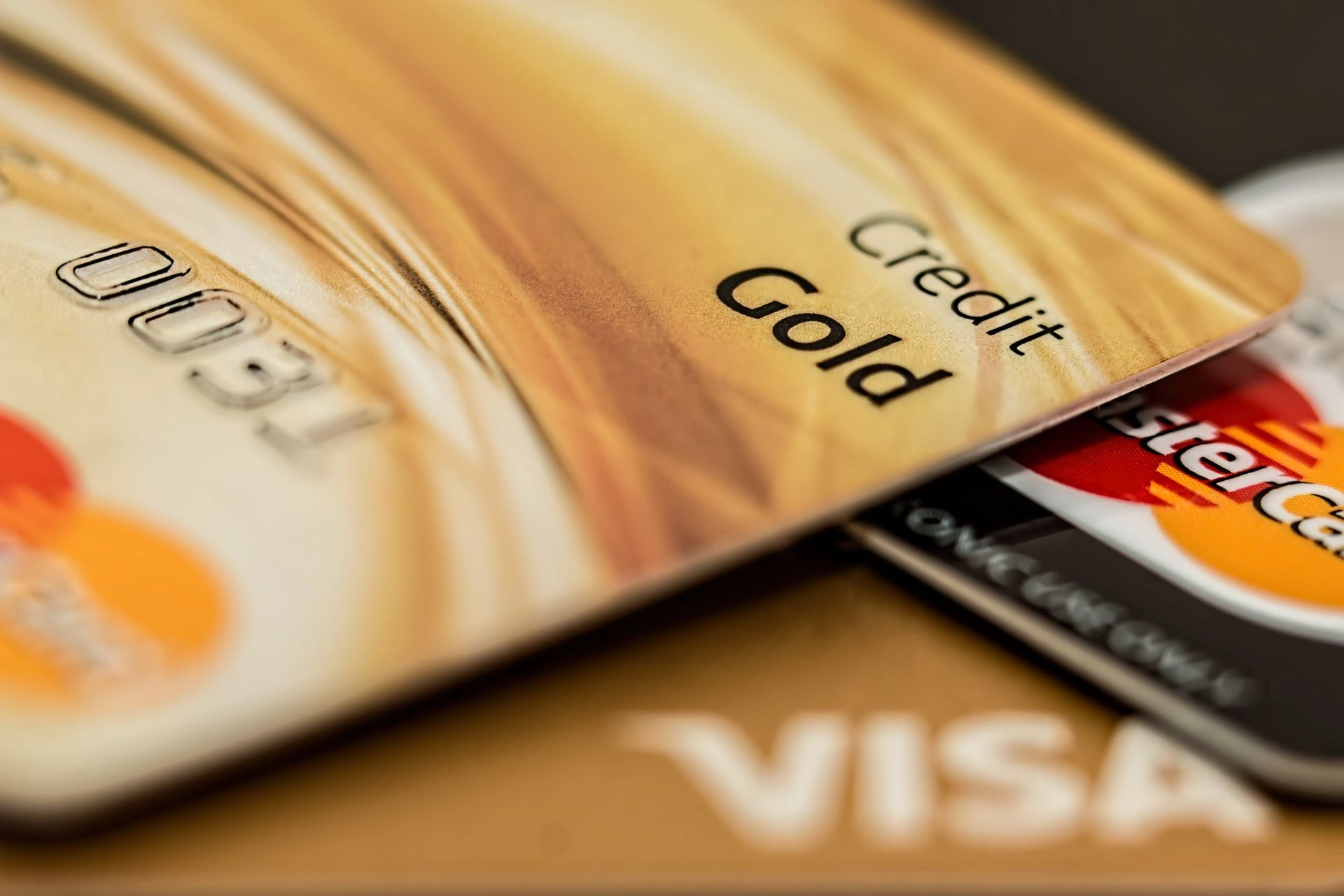
Almost 88,000 cases involving credit, debit or store cards were recorded last year, with bank account fraud pushing the two categories to nearly two-thirds of the national total
Card fraud was the most common form of identity fraud recorded in Britain last year, accounting for more than one-in-three cases.
According to new research, there were 87,818 cases involving credit, debit or store cards in 2025, representing 36.29 per cent of the 242,003 identity fraud cases nationwide.
Bank account fraud was the second-largest category, with 63,678 cases, or 26.31 per cent of the total. Together, card and bank account fraud accounted for almost two-thirds of cases.
Communications fraud, including cases involving mobile phone and other communications accounts, meanwhile, ranked third with 27,659 cases, followed by online retail with 17,794 and insurance with 16,461.
And loan-related identity fraud accounted for a further 14,220 cases, while 1,236 involved asset finance. Mortgage fraud was comparatively rare, with 43 cases recorded.
The figures were analysed by cyber security firm Inflection Point using data from Cifas, which operates the National Fraud Database and records cases reported by member organisations across banking, insurance, telecommunications and retail.
The findings have prompted warnings for consumers to check statements, credit reports and other accounts regularly, with small unfamiliar payments or unexpected correspondence potentially providing the first indication that personal details have been misused.
Iain Godding, founder of Inflection Point, said: “Card and bank account fraud stand out because between them they make up such a large proportion of the identity fraud being recorded.
“For most people, these are also the accounts they use every day, so it is worth keeping an eye on them rather than assuming you would immediately notice if something was wrong.
“An unfamiliar payment is an obvious warning sign, but identity fraud does not always start with somebody taking a large amount of money.
“Sometimes the first clue can be a small transaction, a letter about an account you never opened, a new phone contract you do not recognise or an unexpected change to an insurance policy.”
READ MORE: Global fraud summit told AI scams and sextortion are driving industrial-scale crime. INTERPOL and the UN are bringing together more than 1,300 officials, police, tech firms and private-sector leaders this week amid growing alarm over AI-enhanced fraud, worldwide scam centres and the mounting human cost of financial crime.
Do you have news to share or expertise to contribute? The European welcomes insights from business leaders and sector specialists. Get in touch with our editorial team to find out more.
Main image: Pixabay
TOP STORIES
-
 France calls in army after riots sweep cities
 -
An Italian affair – Stanley Johnson takes London's society set on the Silk Road
-
Himalayan mountainside moved 40cm before avalanche killed 1,451 in Nepal, scientists reveal
-
Scientists and engineers quitting jobs as AI changes roles ‘beyond recognition’, study finds
-
UK profit warnings hit near two-year high as businesses struggle with rising costs
-
Microsoft pulls out of major UK AI data centre project amid power grid delays
-
Russia takes control of more European corporate assets amid Ukraine tensions
-
EU leaders resist calls to delay carbon rules as energy costs soar
-
‘A big step forward’ – PM Andy Burnham hails plans for Great British Railways HQ in Derby
-
UK economy grows just 0.1 per cent as construction falls and services stall
-
Germany risks losing €155bn a year under tighter AI data rules, new study warns
-
Pope Leo XIV diagnosed with lung cancer after surgery in Rome
-
France faces freezer meltdown as hackers strike supermarket chains
-
Bumble shares soar 50% amid $1bn takeover talks
-
China slump drives Volkswagen to sharpest quarterly fall in more than four years
-
Hollywood mega-powerhouse created as Paramount completes Warner Bros Discovery takeover
-
Gamers face gridlock as latest Grand Theft Auto download 'nears two days'
-
Samsung profits soar ninefold to record £61bn amid AI chip boom
-
New Springer books put the UN’s struggling sustainability goals to the real-world test
-
Europe’s solar boom set for two-year slowdown after record growth
-
Let it pea. Musicians turn vegetables into instruments at Beatles' Abbey Road studios
-
Golden naked Trump statue unveiled at European Parliament
-
Jaguar puts controversial rebrand on the road with £130K 1,030PS Type 01
-
Deepfakes and identity fraud drive new wave of post-hire background checks
-
Spain crowned Europe’s top retirement destination