European network alliance doubles in size as digital sovereignty drive accelerates

Marco Ryan
Technology & Leadership
- Published
- News, Technology

Five companies from Germany, Spain, Sweden and the Netherlands have joined SAFENet as Europe steps up efforts to reduce its reliance on foreign-controlled cloud, networking and AI infrastructure
A European network technology alliance formed to strengthen the continent’s digital independence has more than doubled in size just weeks after its launch.
The Sovereignty Alliance for European Network Technology, or SAFENet, has added five companies from four countries, increasing its membership from four businesses to nine.
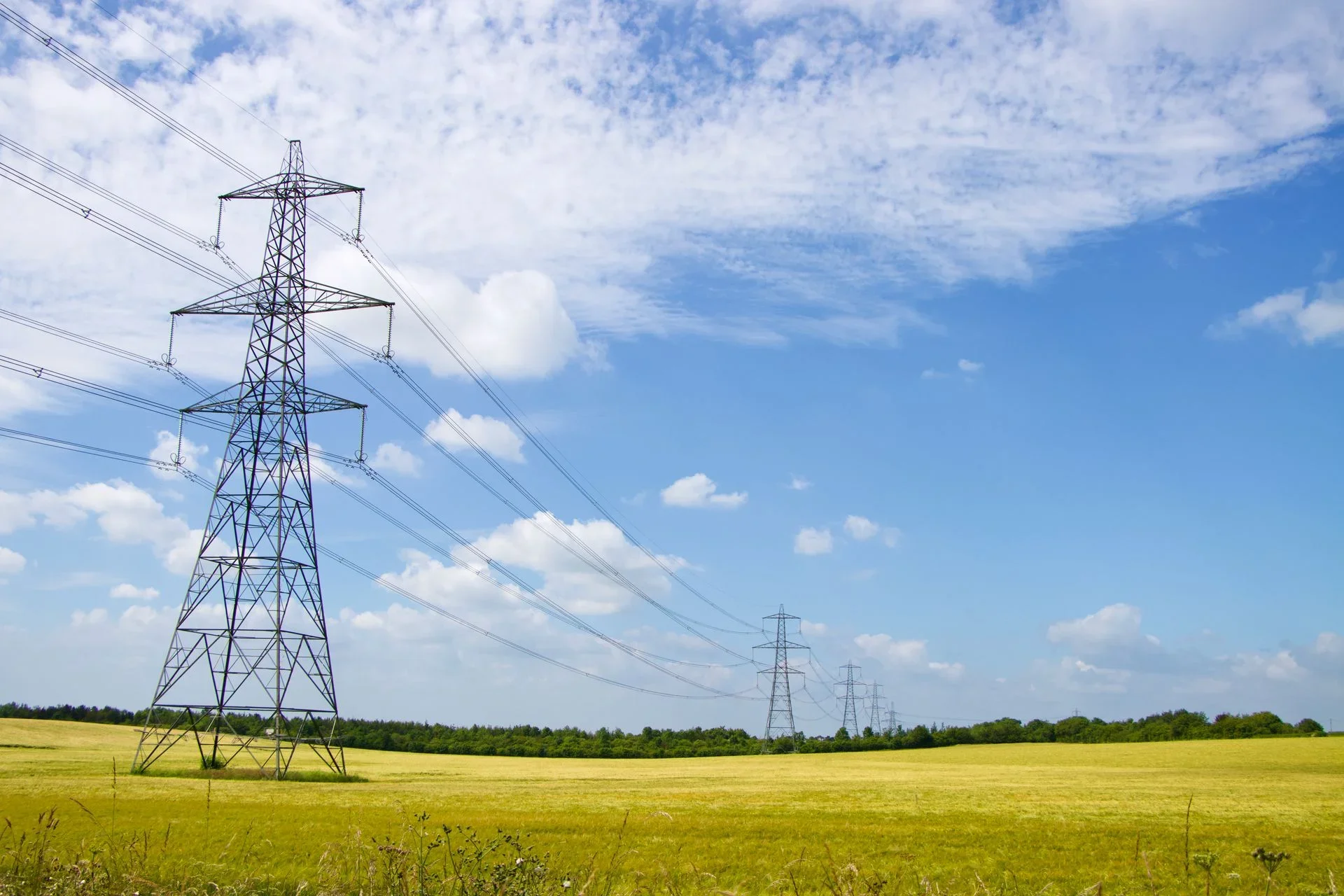
Its expansion comes amid growing concern over Europe’s dependence on overseas providers for everything from cloud computing and AI to networking equipment and critical communications. Fears intensified this year over a potential U.S “kill switch” that could restrict Europe’s access to vital American-controlled digital services.
In April, four European technology companies launched what they described as the continent’s first fully sovereign disaster recovery package, designed to keep critical systems running if access to a foreign provider were lost.
Polling presented to members of the European Parliament at the time reportedly found 86 per cent of respondents believed the possibility of the U.S restricting Europe’s access to digital services should not be ruled out, while 59 per cent considered it a real and concrete risk.
Schwarz Group, the owner of Lidl and Kaufland, is also considering spending up to €5.6bn on a German data centre intended to support cloud and AI services governed by German law and reduce reliance on foreign providers.
SAFENet says its goal is to strengthen Europe’s technological capacity to act and ensure European network technology has greater influence as policymakers decide how the continent’s digital infrastructure should develop.
Jan Oetjen, its chairman, said: “The fact that they are joining SAFENet shows just how great the need is for a common European voice in the field of network technology.”
He added: “The more capabilities and markets we bring together within SAFENet, the more effectively we can advocate for Europe retaining control over its digital infrastructure and being able to shape its own technological future.”
The alliance has previously warned that Europe risks allowing its dependence on overseas network technology to become entrenched. Clark Parsons, managing director of the Innovate Europe Foundation, said in June: “Europe has the tools, the precedent and the political moment. The question is whether it will act before the dependency becomes irreversible.”
Its five new members are Genexis, IPmotion, MB connect line, Teldat and Waystream, bringing together businesses involved in broadband, industrial networking, mobile connectivity, cybersecurity and fibre infrastructure.
Dutch-Swedish company Genexis develops fibre termination and home networking products, while Germany’s IPmotion makes mobile internet access and router systems for sectors including rail, road transport and public safety.
MB connect line, also from Germany, specialises in secure remote access, industrial routers and operational technology security. Spain’s Teldat develops router, SD-WAN, 5G and cybersecurity systems for businesses, public institutions and critical infrastructure.
Sweden’s Waystream produces access switches and routers for fibre networks used by municipal networks and operators across Northern and Central Europe.
READ MORE: Is Europe regulating the future or forgetting to build it? The hidden flaw in digital sovereignty. As Europe builds on the GDPR and AI Act, the next frontier lies beyond rulebooks and penalties, writes Vendan Kumararajah, who argues that digital sovereignty will endure only if governance, legitimacy and distortion detection are engineered directly into the architecture of AI systems themselves, rather than imposed from outside through compliance alone.
Do you have news to share or expertise to contribute? The European welcomes insights from business leaders and sector specialists. Get in touch with our editorial team to find out more.
Main image: The European
TOP STORIES
-
 France calls in army after riots sweep cities
 -
An Italian affair – Stanley Johnson takes London's society set on the Silk Road
-
Himalayan mountainside moved 40cm before avalanche killed 1,451 in Nepal, scientists reveal
-
Scientists and engineers quitting jobs as AI changes roles ‘beyond recognition’, study finds
-
UK profit warnings hit near two-year high as businesses struggle with rising costs
-
Microsoft pulls out of major UK AI data centre project amid power grid delays
-
Russia takes control of more European corporate assets amid Ukraine tensions
-
EU leaders resist calls to delay carbon rules as energy costs soar
-
‘A big step forward’ – PM Andy Burnham hails plans for Great British Railways HQ in Derby
-
UK economy grows just 0.1 per cent as construction falls and services stall
-
Germany risks losing €155bn a year under tighter AI data rules, new study warns
-
Pope Leo XIV diagnosed with lung cancer after surgery in Rome
-
France faces freezer meltdown as hackers strike supermarket chains
-
Bumble shares soar 50% amid $1bn takeover talks
-
China slump drives Volkswagen to sharpest quarterly fall in more than four years
-
Hollywood mega-powerhouse created as Paramount completes Warner Bros Discovery takeover
-
Gamers face gridlock as latest Grand Theft Auto download 'nears two days'
-
Samsung profits soar ninefold to record £61bn amid AI chip boom
-
New Springer books put the UN’s struggling sustainability goals to the real-world test
-
Europe’s solar boom set for two-year slowdown after record growth
-
Let it pea. Musicians turn vegetables into instruments at Beatles' Abbey Road studios
-
Golden naked Trump statue unveiled at European Parliament
-
Jaguar puts controversial rebrand on the road with £130K 1,030PS Type 01
-
Deepfakes and identity fraud drive new wave of post-hire background checks
-
Spain crowned Europe’s top retirement destination