Estonia’s e-residents launch more than 4,200 companies as business creation jumps 36%

John E. Kaye
- Published
- Foreign Direct Investment, News
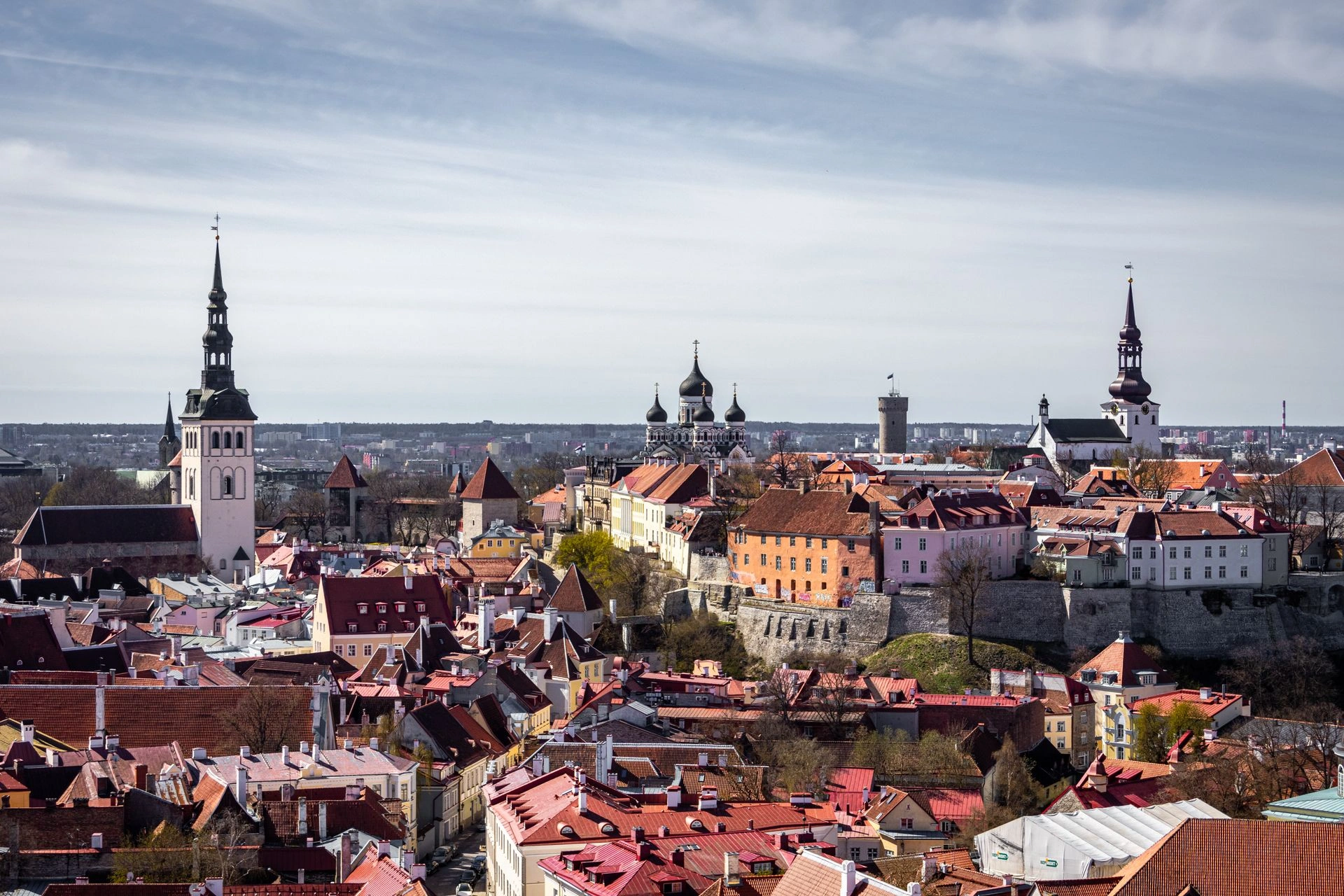
Foreign entrepreneurs using Estonia’s digital residency scheme have created an average of 600 companies a month this year, generating €57.6m in taxes and state fees in the first seven months
Estonia’s e-residents have founded more than 4,200 companies so far this year as the country’s digital business programme continues to attract entrepreneurs from around the world.
Company formation by e-residents is up 36 per cent on the same period in 2025 and 47 per cent on 2024, with an average of around 600 new businesses being created each month.
Estonia has also added 9,000 new e-residents since the beginning of the year. Among people who joined the programme during its first two months, 34 per cent had already gone on to establish a company – the highest proportion recorded by the scheme, new data shows.
The businesses are also becoming an increasingly important source of income for the Estonian state. During the first seven months of 2026, companies associated with e-residents generated €57.6m in direct revenue, including €35.3m in labour taxes, €19.5m in dividend income tax and €2.8m in state fees.
Since the programme was launched in 2014, its direct economic contribution to Estonia has reached €457m.
More than 144,000 people from 187 countries have become Estonian e-residents over the past decade, founding or co-founding more than 43,600 companies. Around one-in-five new Estonian companies is now founded by an e-resident each year.
The programme allows foreigners to obtain a secure digital identity giving them remote access to Estonian public services and the ability to establish and run an EU-based company online without living in the country.
Its expansion is also feeding business into Estonia’s professional-services sector. E-residents spent more than €18m with companies listed on the programme’s official service-provider marketplace in 2025, with turnover from servicing them rising 17 per cent year on year.
The government says the effect extends beyond company registration, creating demand for accounting, tax, legal and other business services.
Erkki Keldo, Estonia’s Economic Affairs and Industry Minister, said: “e-Residency allows entrepreneurs from around the world to choose Estonia as their home for business and brings companies and income to our economy that would otherwise go elsewhere.
“Alongside this, the demand for Estonian accounting, tax, legal and other business services is growing, giving our companies new clients and the opportunity to grow in the global market.”
READ MORE: They came to Malta as nomads. Then stayed on as founders. For a some startup minded digital nomads and entrepreneurs of nomads, Malta is emerging as more than a temporary destination for remote work. It becomes a place where professionals can build with greater stability, connect with likeminded innovators, enjoy Island life, and put down longer-term roots.
Do you have news to share or expertise to contribute? The European welcomes insights from business leaders and sector specialists. Get in touch with our editorial team to find out more.
Main image: Vish Pix via Pexels
TOP STORIES
-
 North Korean agents are infiltrating Western businesses by posing as employees, security chief warns
 -
Route 66 turns 100 next month – and there’s never been a better excuse for Europeans to hit the road
-
Serbia erupts in celebration as student protesters end Vučić’s 14-year grip on power
-
Two killed as Storm Boelo batters Britain with 85mph winds and leaves 90,000 homes without power
-
Man arrested on suspicion of arson after fire destroys Hitler’s Eagle’s Nest retreat
-
Britain faces higher winter energy prices as reliance on European electricity imports grows
-
Andy Burnham to make special Gogglebox appearance for Stand Up To Cancer
-
WPSL Golf targets £120 million valuation as billionaire-backed corporate deals and other commercial deals drive explosive global growth
-
Hackers could bring Britain’s essential services to a standstill, security chief warns after global website shutdowns
-
We’re talking to almost twice as many people on the phone as a decade ago, study finds
-
TalkTalk sells majority stake in Telecom Acquisitions as founder Nigel Barnett regains control
-
Company closures soar ahead of tax rises as new Budget looms
-
An Italian affair – Stanley Johnson takes London’s society set on the Silk Road
-
Himalayan mountainside moved 40cm before avalanche killed 1,451 in Nepal, scientists reveal
-
Scientists and engineers quitting jobs as AI changes roles ‘beyond recognition’, study finds
-
UK profit warnings hit near two-year high as businesses struggle with rising costs
-
Microsoft pulls out of major UK AI data centre project amid power grid delays
-
Russia takes control of more European corporate assets amid Ukraine tensions
-
EU leaders resist calls to delay carbon rules as energy costs soar
-
‘A big step forward’ – PM Andy Burnham hails plans for Great British Railways HQ in Derby
-
UK economy grows just 0.1 per cent as construction falls and services stall
-
Germany risks losing €155bn a year under tighter AI data rules, new study warns
-
Pope Leo XIV diagnosed with lung cancer after surgery in Rome
-
France faces freezer meltdown as hackers strike supermarket chains
-
Bumble shares soar 50% amid $1bn takeover talks