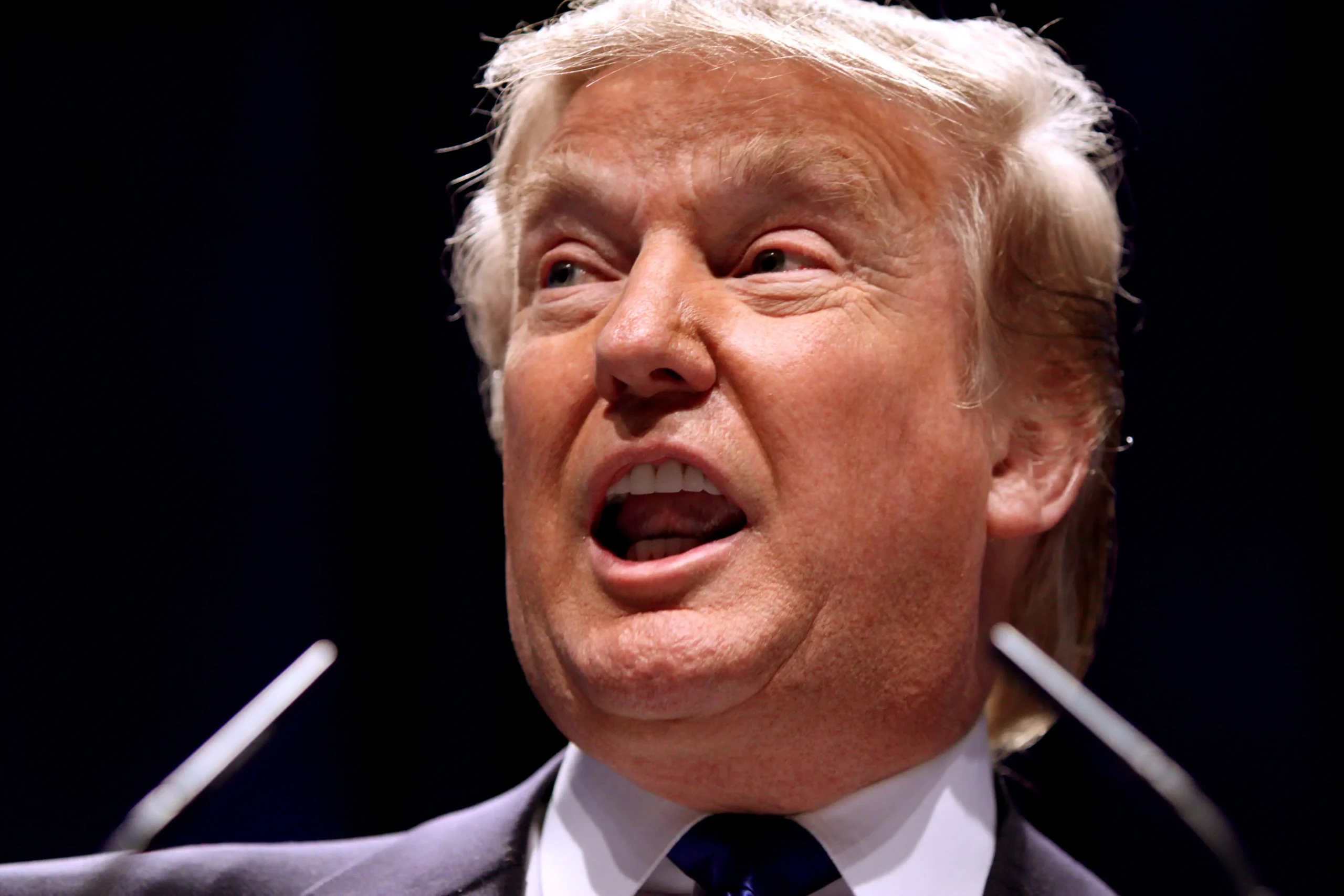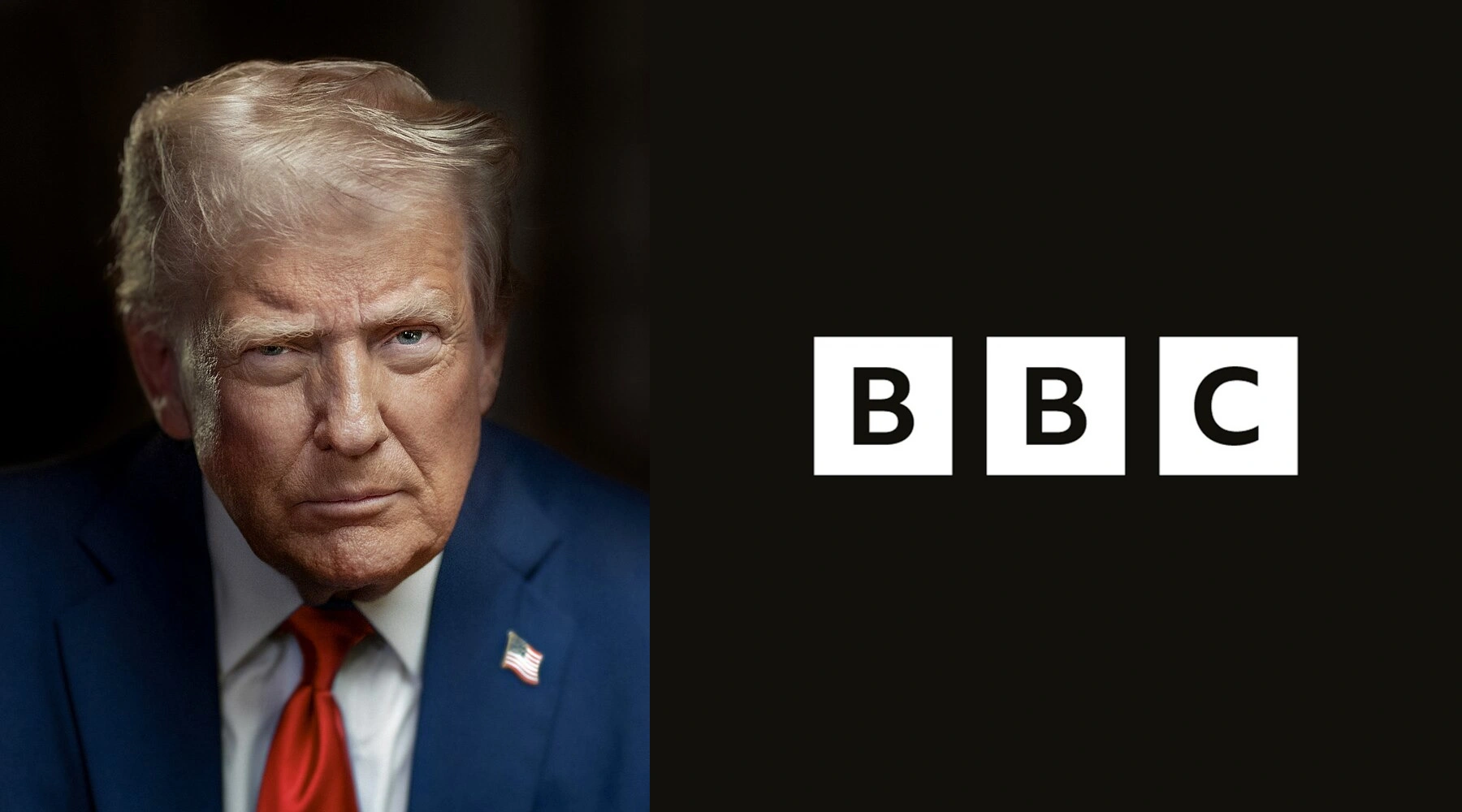
After the BBC admitted misrepresenting Donald Trump’s speech — prompting an apology to the White House and two senior resignations — Michael Leidig argues that the fallout shows how far parts of the media have drifted from neutral fact-presentation, and why public trust is now at breaking point
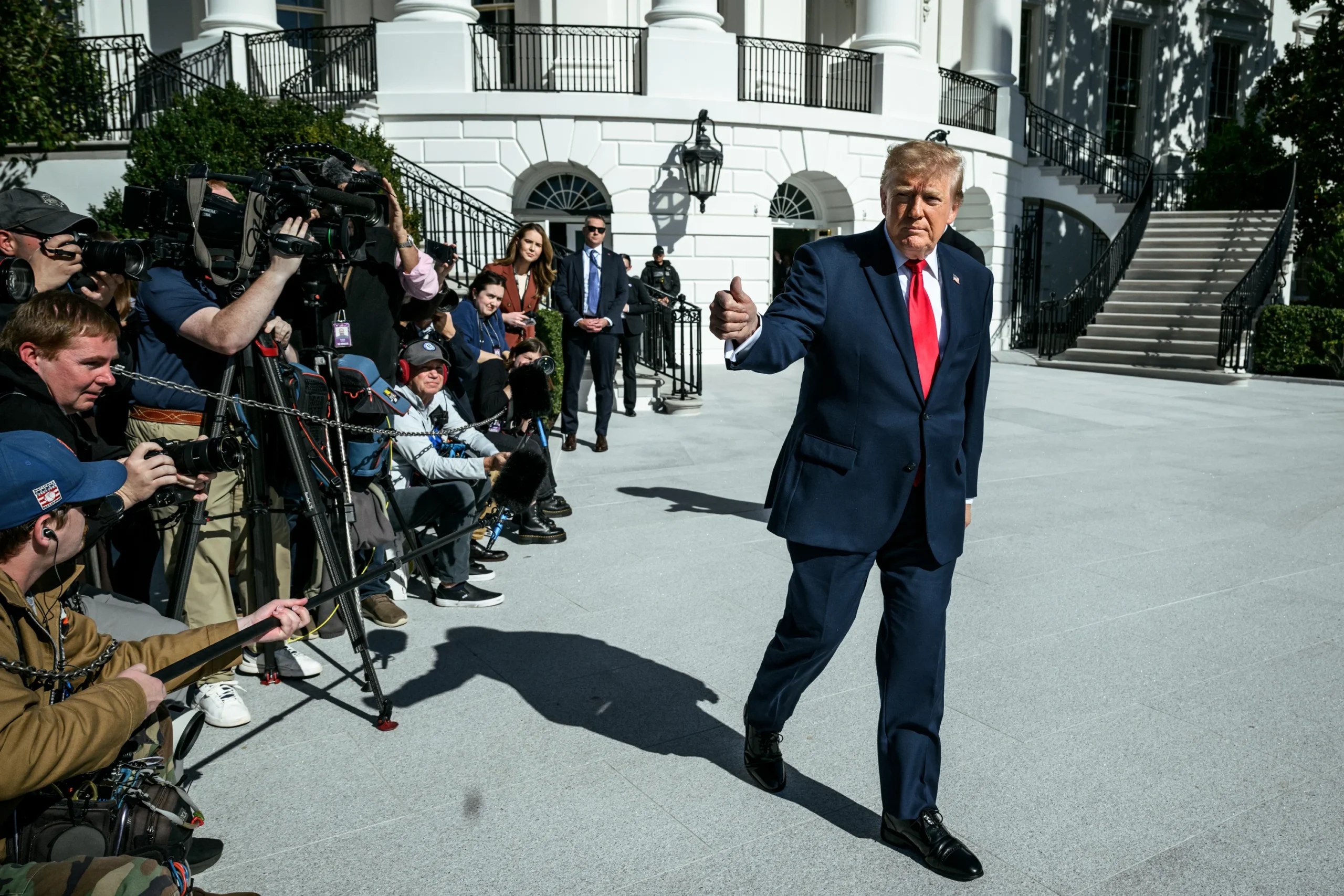
As I warned in my article in The European earlier this year, Donald Trump has now done exactly what I predicted: he is preparing to sue a major UK media organisation. At the time, many dismissed the idea as implausible or alarmist. This week, after the BBC admitted altering footage of his speech in a way that misled viewers, Trump says he will file a lawsuit for up to US$5 billion. This is not a surprise. It is in my view the inevitable consequence of a media ecosystem that has allowed political bias to seep so deeply into its reporting that even the most established institutions can no longer guarantee a fair presentation of facts.
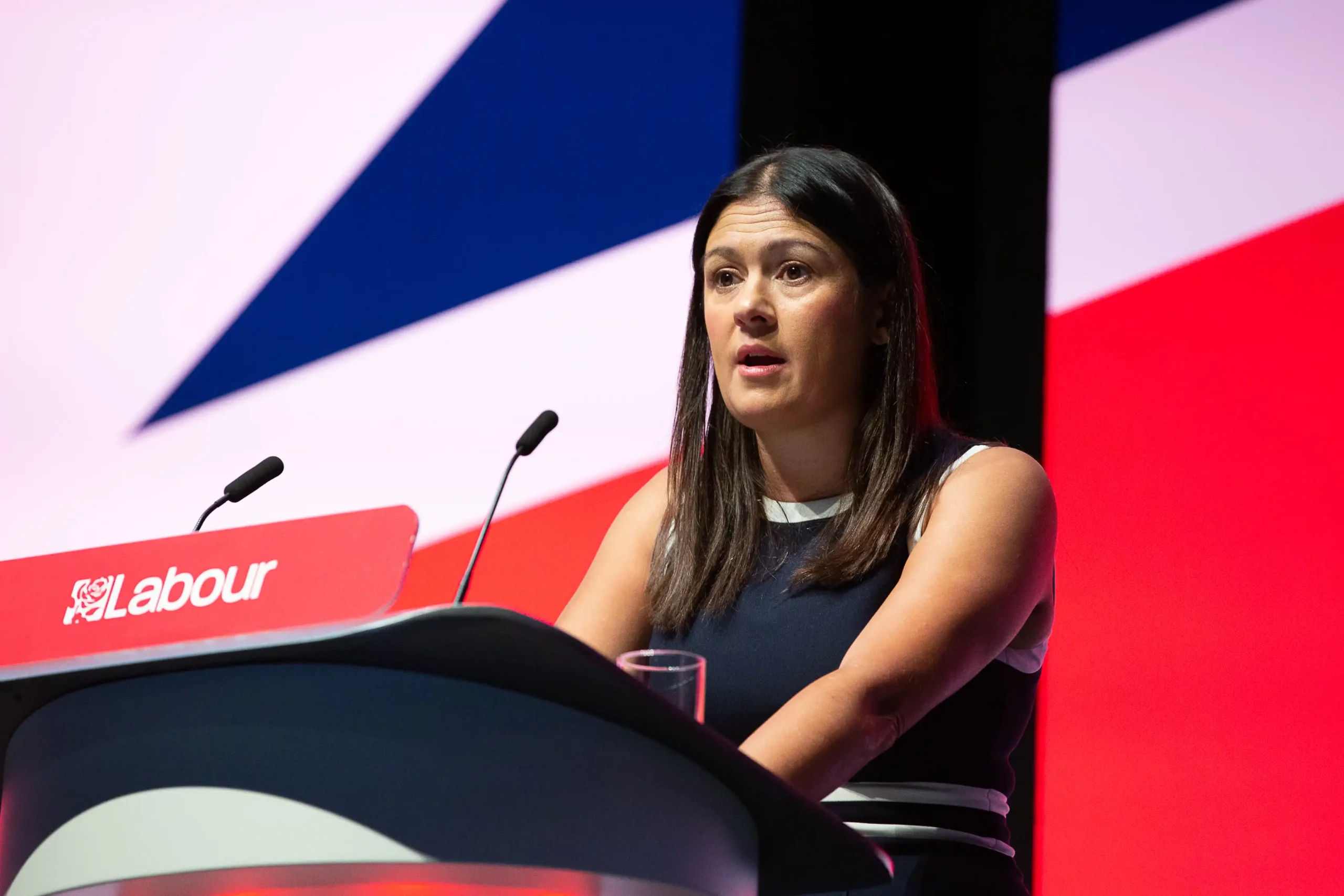
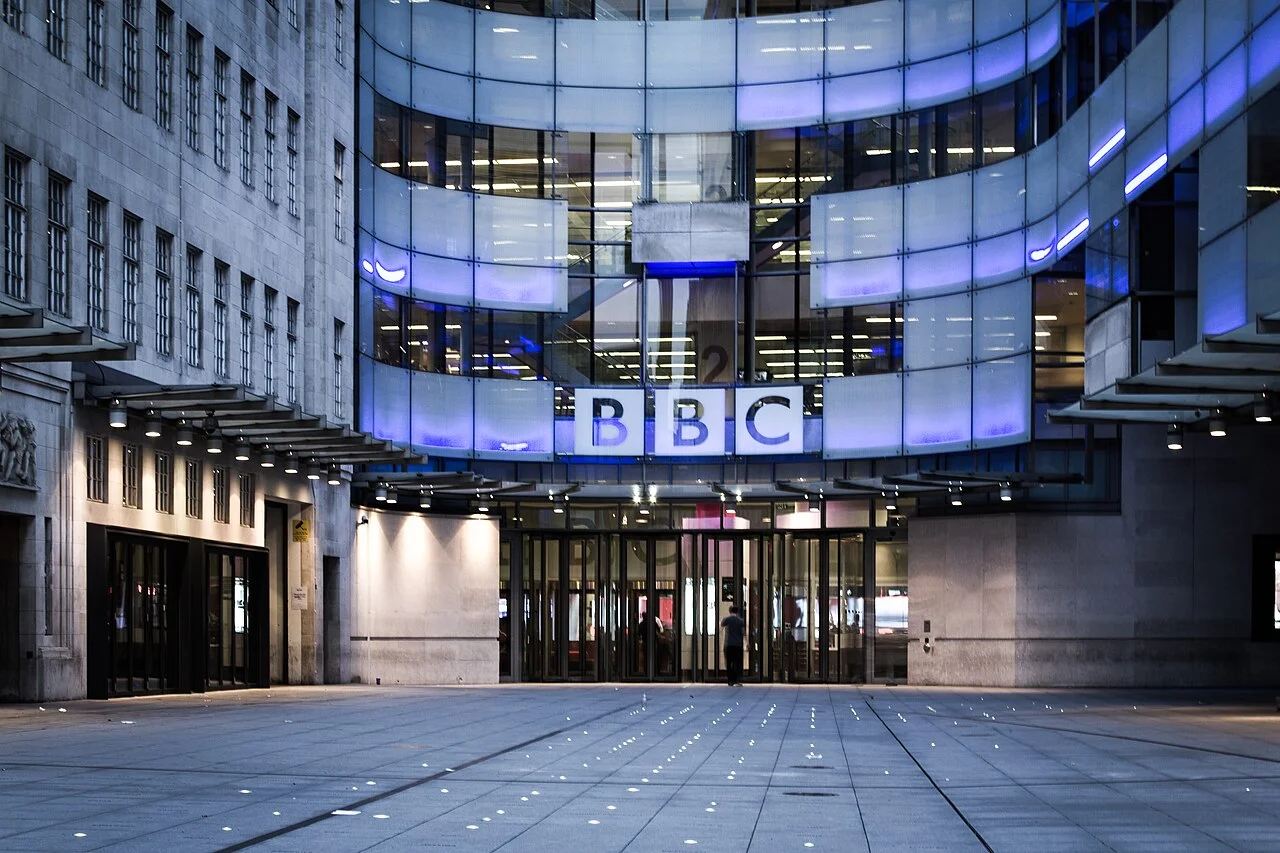
Whether you like Trump or not is irrelevant. What matters is that the BBC — a public broadcaster with a global reputation for impartiality — has apologised directly to the White House, acknowledged that the edit was wrong, and watched both its Director-General and head of News resign. This did not happen in a vacuum. It is part of the same pattern I identified when I criticised the UK press over the Louise Haigh story: the tendency to take technically correct facts and present them in a way that creates an entirely different impression.
In that case, coverage used language that made a decade-old minor phone offence sound like a major fraud scandal. In Trump’s case, the Panorama documentary cut together parts of his January speech in a way that amplified a narrative rather than reflect reality. The thread connecting both stories is the same: selective framing designed to satisfy an audience’s expectations rather than uphold journalism’s responsibilities.
This isn’t just about one documentary or one politician but reflects a wider crisis in the industry. Journalism has become so polarised, so driven by tribal expectations, that the factual foundation beneath our reporting is no longer stable. What once would have been unthinkable — a broadcaster splicing an edit, as Trump accused, and later apologising for its “error in judgement” — is now part of the landscape.
And that landscape is being torn apart by incentives that reward outrage over truth. For years, I have warned that media organisations were drifting into activism, that they were curating facts rather than presenting them, and that eventually someone with the resources, profile, and grievance would take them to court. Trump has simply become the first major figure to act on a trend I have spent a decade documenting: the collapse of neutral factual presentation.
Polarisation has created two separate realities, and the media now caters to them like rival brands. Algorithms reinforce this divide by feeding readers only what aligns with their worldview. Business models built on subscriptions reward emotional loyalty, not accuracy. AI systems trained on the output of biased newsrooms reproduce the same distortions at unimaginable scale. Truth has become tribal property.
I have experienced this shift personally. When I posted something positive about Trump, I lost hundreds of followers. When I posted something critical about him, I lost hundreds more. Both posts were factually correct. But in a world where information ecosystems are built on identity rather than truth, accuracy doesn’t matter — allegiance does.
The BBC scandal is therefore not an anomaly but a symptom. It is dangerous because when the institutions we rely on to stabilise public understanding become players in the ideological contest, trust collapses. Without trust, society cannot function. Without shared facts, democracy cannot operate. Without neutral storytelling, we lose the ability to see each other as people rather than enemies.
This is why I have long argued for reforms to the Editors’ Code that require impartial presentation of facts, even while allowing full freedom in interpretation. Broadcast rules demand this, but print has avoided it for decades, hiding behind legacy prestige. Yet prestige does not protect truth. Only standards do.
When a major U.S. media outlet falsely accused me of running a “fake news factory”, its reporters acknowledged the hit would damage my business, yet pressed on because it suited their wider ideological fight with a large British tabloid site. When a UK newspaper later published a piece about me written by a former journalist from a digital newsroom with undeclared conflicts, I complained — and won — because the presentation of facts was not fair. This is what bias becomes when it goes unchecked: activists with press cards, and journalists pushed into tribal roles.
When I filed my complaint about the Louise Haigh coverage, I was treated exactly the same way. Both political camps ignored the substance because the story didn’t serve either tribe. But when you apply the Editors’ Code properly — especially through the lens of factual bias — the reporting collapses. And Haigh is quite clearly vindicated.
Which brings us back to Trump. When the BBC, of all institutions, misrepresents a political speech, apologises, triggers resignations, and faces a potentially enormous lawsuit, we should not be asking why Trump is angry. We should be asking why this happened at all.
Because this is exactly the moment I warned the industry was hurtling toward: the point where trust breaks, a powerful figure sues, and the media can no longer hide behind its own mythology. If journalism is to survive this era, it cannot retreat into tribalism. It must return to what it once was — a profession defined by balance, by fairness, and by the courage to present all the facts, even when they complicate the preferred narrative.
Otherwise, the polarisation tearing society apart will only deepen, and the storytellers who once built understanding will become the accelerants of conflict.
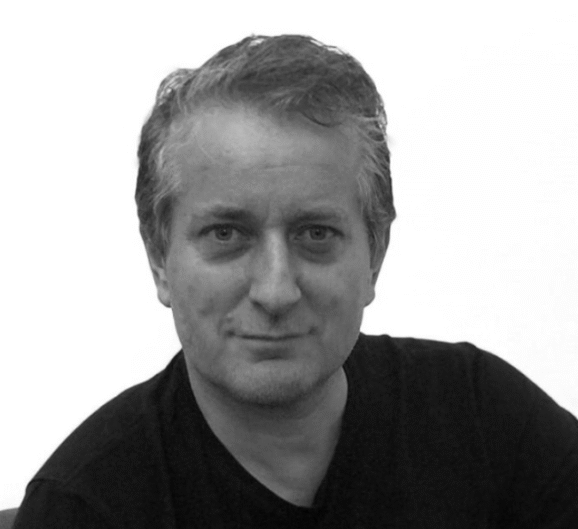
Michael Leidig is a British journalist based in Austria. He was the editor of Austria Today, and the founder or cofounder of Central European News (CEN), Journalism Without Borders, the media regulator QC, and the freelance journalism initiative the Fourth Estate Alliance respectively. He is the vice chairman for the National Association of Press Agencies and the owner of NewsX. Mike also provided a series of investigations that won the Paul Foot Award in 2006.
READ MORE: ‘Calling out bias: Lessons from the Louise Haigh media storm‘. Louise Haigh MP’s decade-old fraud case, recently resurfaced in the media, has unveiled a troubling trend in modern journalism: the rise of politically biased reporting. By focusing on sensationalism and omitting crucial context, newspapers run the risk of eroding public trust, polarising society, and compromising the core principles of balanced journalism.
Do you have news to share or expertise to contribute? The European welcomes insights from business leaders and sector specialists. Get in touch with our editorial team to find out more.
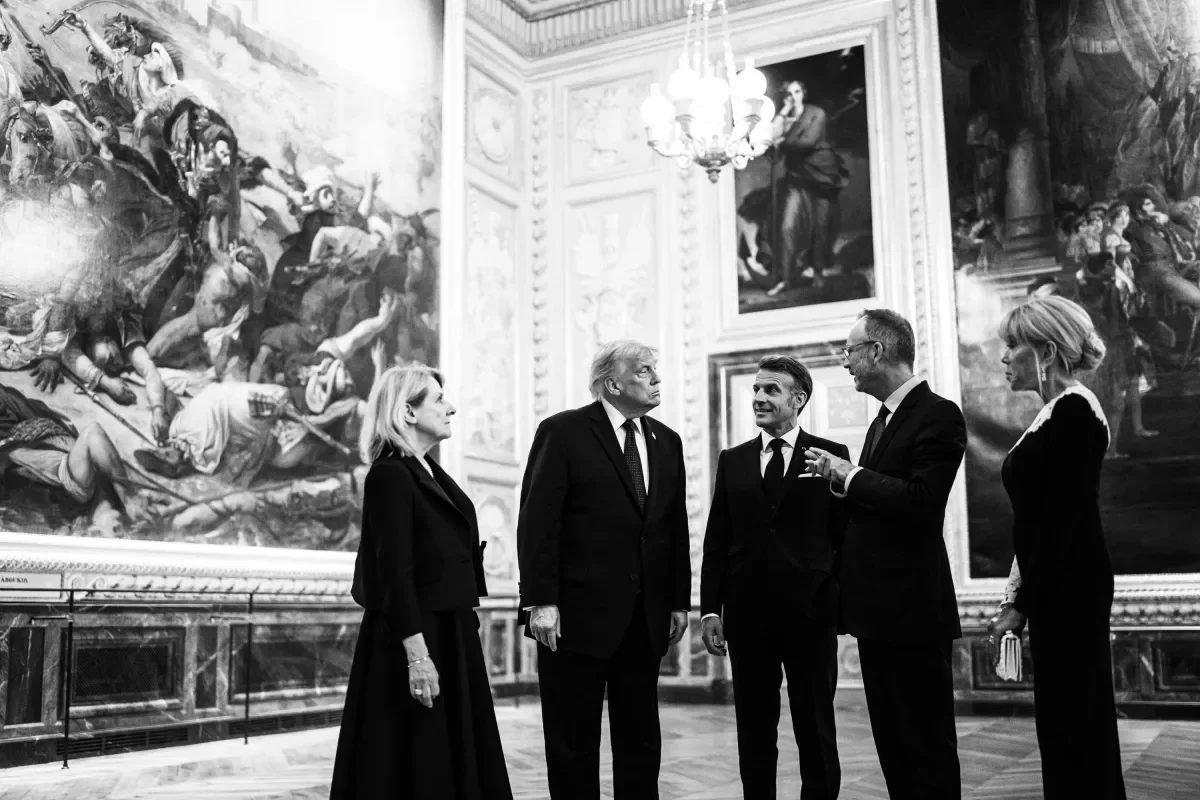
Main image: Trump Credit – Daniel Torok, White HouseFacebook, Public Domain