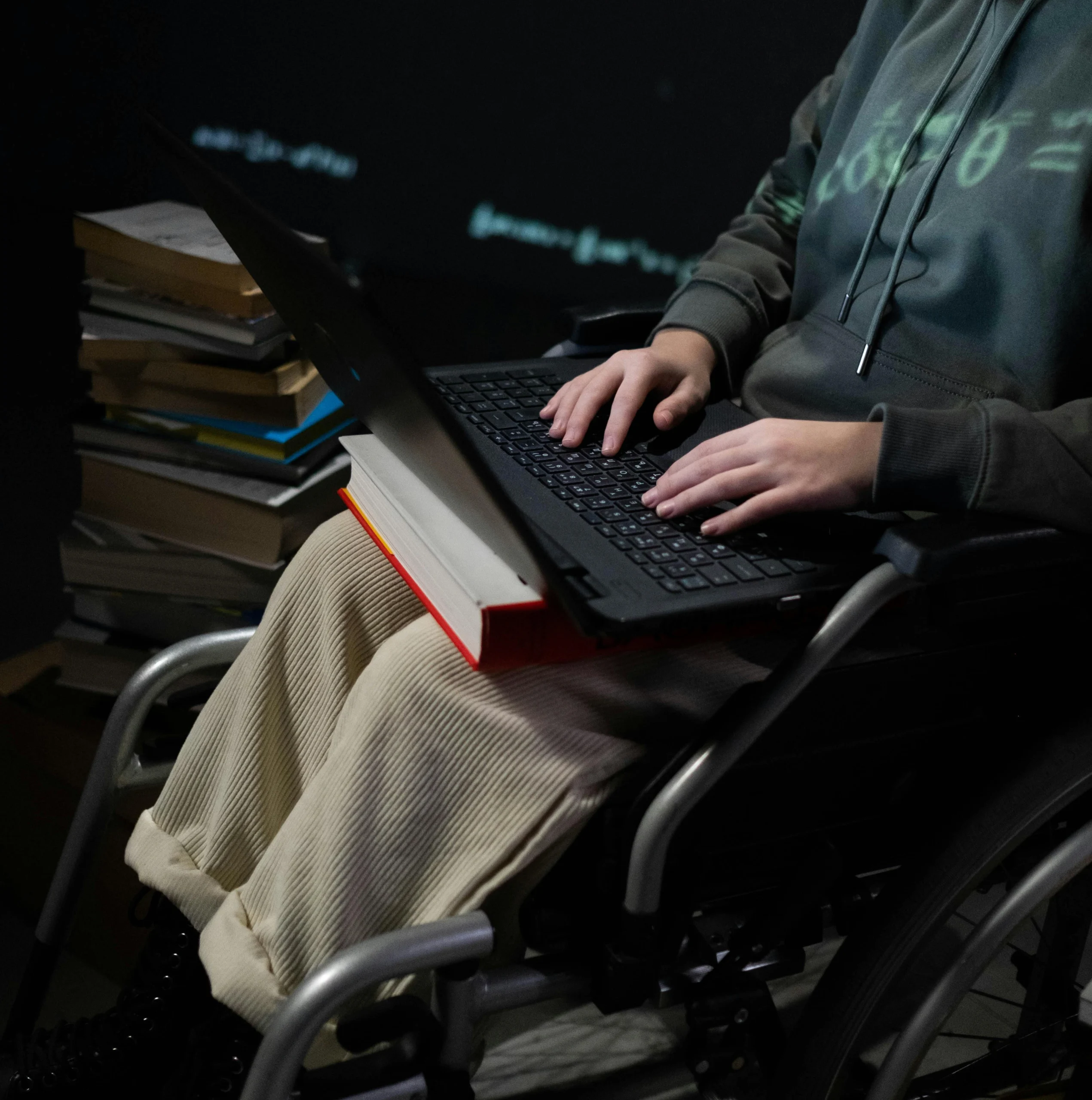
Despite decades of policy and rhetoric about inclusion, disabled students still face an education system that treats access as an afterthought. Real equality, argues Matthew Kayne, will only come when inclusion is designed in — not fought for
Education is supposed to be the great equaliser, the thing that gives everyone a fair chance in life. But for disabled people, it often feels like a fight just to get through the door. From the earliest years to higher education, barriers are everywhere, and they can shape not only your learning but also your confidence, friendships, and opportunities for the future.
For me, education has always been central to my story. It gave me skills, friendships, and the chance to imagine a different kind of future. But it also reminded me of how often the system is built without disabled people in mind. I’ve experienced this at every stage — from school, to Treloar College, to Southgate College, and later Middlesex University. Each step showed me both the possibility of inclusion and the painful reality of exclusion.
Treloar College in Hampshire was one of my first real experiences of independence. It was a specialist college for young disabled people, and it was the first time I lived away from home. In some ways, it was empowering. I could pursue my education in an environment that understood disability, and I met other students with experiences similar to mine. It was also where the roots of my radio journey began. But even in a specialist environment, there were limits. Choices were sometimes restricted, routines were inflexible, and independence was still something you had to fight for. I learned quickly that education for disabled people isn’t just about books and lectures — it’s about whether the environment around you allows you to grow as a person.
When I left Treloar and moved to Southgate College, I was suddenly in a mainstream environment. That shift was both exciting and daunting. On the one hand, I wanted to be treated like everyone else — to have the same classes, the same opportunities, the same friendships. But accessibility was a constant barrier. Lecture halls weren’t always easy to navigate, support staff weren’t always available, and sometimes I felt invisible. It wasn’t the teachers or students’ fault — most of them wanted to help — but the system wasn’t designed with people like me in mind. Each barrier chipped away at my confidence.
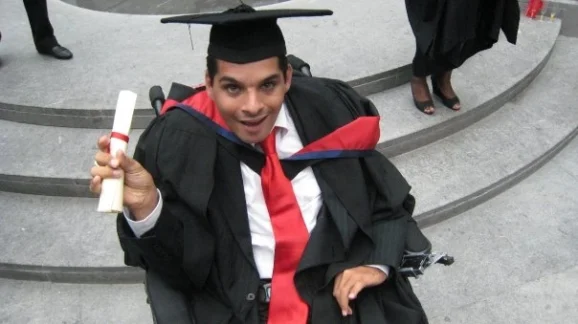
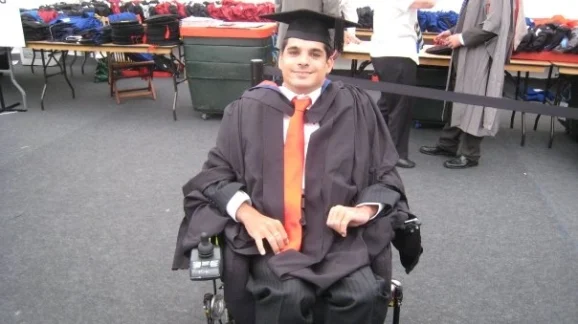
Later, at Middlesex University, the challenges continued. Higher education can be a liberating experience, but for disabled students it often comes with constant reminders that you are “different”. Support services existed, but I had to fight for them. I had to fill in forms, chase departments, and explain my needs again and again. That process was exhausting. Instead of focusing on my studies, I was spending time and energy negotiating for basic access.
What struck me most throughout my education was the attitude towards disabled students. Too often, we are treated as “add-ons” to the system, rather than as equal members of the student community. Adjustments are made reluctantly or slowly, and the burden is placed on the student to fight for what they need. That constant fight drains your energy and makes you feel like you don’t fully belong.
And yet, there were also moments of empowerment. I had supportive teachers and peers who encouraged me to keep going. I discovered my passion for media and radio. I built friendships that sustained me. These experiences showed me the potential of education to change lives — if only the system removes the barriers.
The barriers aren’t just physical — though those matter. Step-free access, adapted toilets, and transport to and from campuses are essential. But the barriers are also cultural. Disabled students are sometimes pitied, sometimes ignored, and sometimes underestimated. The assumption is often that we can’t achieve as much as our non-disabled peers. Those assumptions are damaging because they shape expectations — not only in the minds of teachers and classmates but sometimes in the minds of disabled students themselves.
Breaking these barriers requires more than ramps and lifts. It requires a cultural shift. Education must be built on the principle that disabled students are equal students. That means designing campuses, courses, and support services with inclusion in mind from the very start — not as an afterthought. It means listening to disabled students when they say what they need, and trusting them as experts in their own lives.
It also means valuing the contribution that disabled students make. Too often, we are seen as problems to be solved, rather than as people who bring creativity, perspective, and resilience. Disability is not a deficit; it is part of the diversity that enriches education.
For me, the barriers I faced in education didn’t stop me, but they did shape me. They taught me resilience and persistence. They also taught me that education should never be taken for granted — because when you are disabled, you know how easily it can be taken away.
Education can and should be the great equaliser. But until disabled students have the same access, the same dignity, and the same opportunities as everyone else, it will remain another system where inequality thrives. Breaking those barriers is not charity; it is justice. It is about recognising that every student has the right to learn, to grow, and to belong.
Until that is true for disabled students everywhere, education will not have fulfilled its promise.
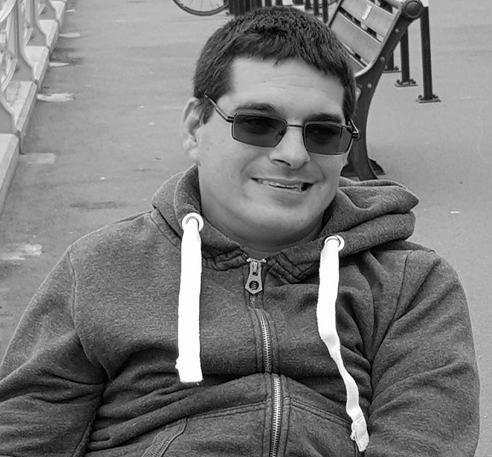
Matthew Kayne is broadcaster, political campaigner and disability rights advocate who has turned personal challenges into platforms for change. He is the founder and owner of Sugar Kayne Radio, an online station dedicated to uplifting music and meaningful conversations, and the leader of a national petition calling for reform of the UK’s wheelchair service. Living with cerebral palsy and a survivor of bladder cancer, Matthew channels his lived experience into advocacy, broadcasting, and songwriting. His long-term ambition is to bring this experience into politics as an MP, championing disability rights, healthcare access, and workplace inclusion.
READ MORE: ‘The fight for independence disabled people shouldn’t have to wage’. After 15 years in a care home, our Disability Rights and Workplace Inclusion Correspondent, Matthew Kayne, knows what it feels like to have even the smallest choices taken away. From daily routines dictated by rotas to support determined by budgets, he says disabled people are too often denied dignity, and are forced to fight for the freedom most take for granted.
Do you have news to share or expertise to contribute? The European welcomes insights from business leaders and sector specialists. Get in touch with our editorial team to find out more.
Main image: Cottonbro studio/Pexels