America’s response to the September 11 attacks was driven by rage, not reason, and that spirit of fury has helped destabilise the world over the past two decades. But now’s America’s anger is finally turning back on itself, and it could bring the West down with it, writes political analyst Mike Bedenbaugh
When the towers fell on September 11th 2001, the world grieved with us.
For a brief moment, America had the chance to lead by example, and to unify the globe in the face of hatred and terror.
Instead, we chose vengeance over vision. Rather than distinguish between terrorists and innocent populations, we ripped up the international rulebook and cast entire nations into the shadow of suspicion.
Iraq, a country with no connection to the al-Qaeda attacks, became the focal point of our wrath. That war — justified by false intelligence, unchecked presidential power and corporate profiteering — shattered a region.
And what we destroyed was not just infrastructure. We had the power to build a more cooperative world, and we squandered it. ISIS rose from the wreckage.
Europe, our key ally, bore the consequences of the refugee crisis we helped create. Borders were strained, identities fractured, and nationalist movements surged across the West, driven in part by decisions made in Washington without regard for global consequence.
Back home, the trust between the American people and their government was severed by the deception: the very bond the American Constitution was designed to uphold.
So what we have inflicted outwards has destabilised the world: two decades of war, economic disparity, political polarisation, and civic distrust. It wasn’t a terrorist act that changed everything; it was our response to it.
And what may yet destroy us is that same response, now aimed at ourselves. For finally that fury is turning back on itself, consuming America from within.
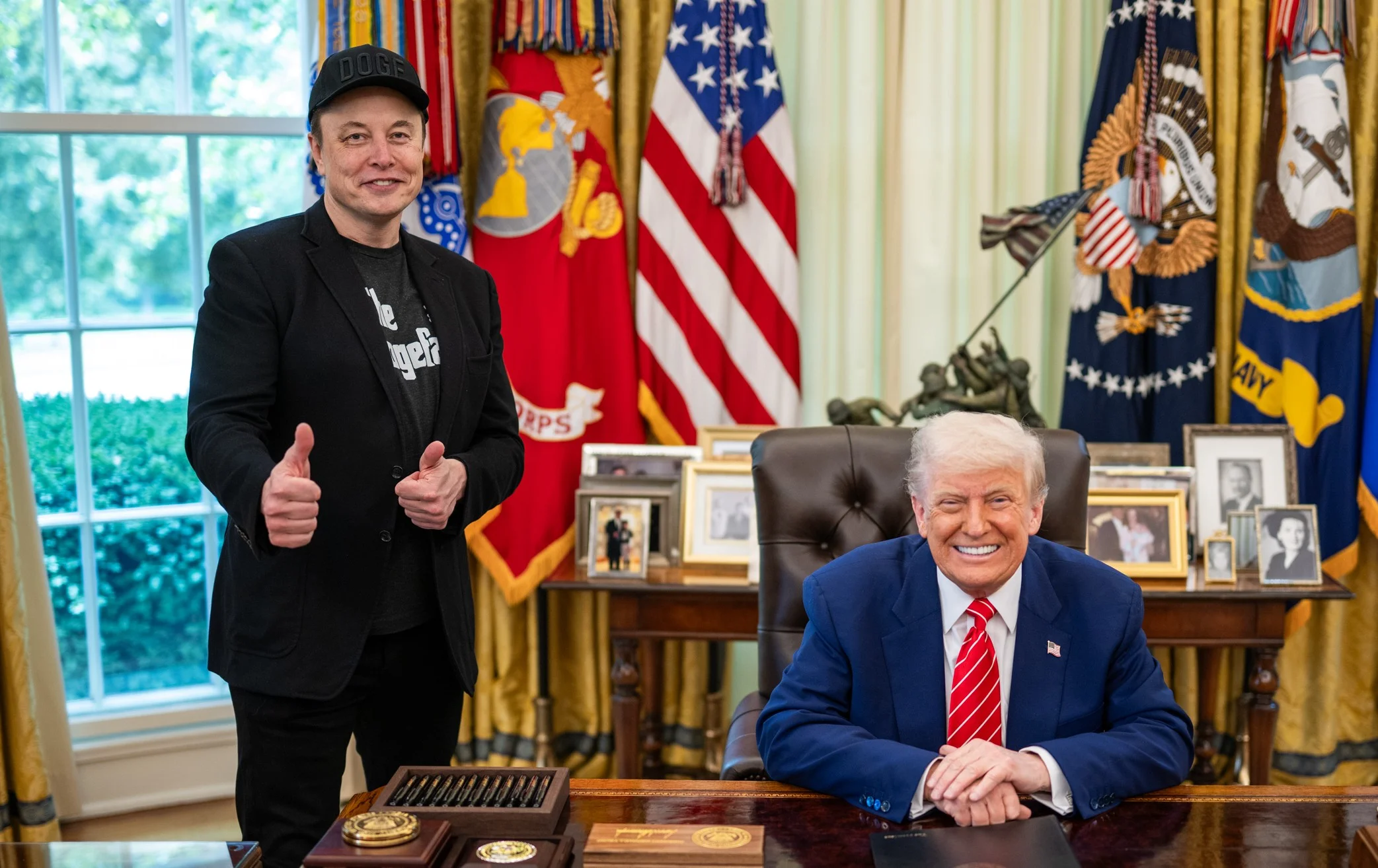
This post 9/11 era of fear and force has reached its crisis point under the second term of President Donald Trump.
Our institutions are no longer in balance. Congress used to deliberate. Now it just puts on a show, no longer thinking, debating or deciding. Instead, presidents rule by decree. Agencies write laws the people never voted on. Courts are politicised beyond recognition. The entire governmental structure that once absorbed tension and resolved division is cracking under the weight of its abandonment.
Trump’s aggressive use of executive orders, disregard for judicial rulings, and efforts to consolidate power have only intensified fears about the collapse of our long-held democratic norms.
Each political tribe now sees other tribes not as rivals to debate but an enemy to destroy. The Constitution is seen not as a covenant to be honoured but an obstacle to be bypassed. Restraint is mocked as weakness.
Some argue that this upheaval is a long-overdue correction. And worse, many Americans now believe this is ‘progress’. But correction must be guided by principle, not anger. What we are witnessing in Trump’s America is not justice but retaliation, and not reform but reversal.
That same spirit of wrath that led us into Iraq has moved on from targeting foreign dictators to its own citizens, institutions and ideals. The demonisation we once projected abroad is now embedded in our domestic language.
But like we should have learned in the Middle East with ISIS, demonising others only creates more demons. Each time we bypass the slow but stabilising processes of self-government in the name of speed, outrage, or ideology, we only drift further into instability.
And with every new power grab justified by some spurious righteous cause, we forget the most important lesson of all: no cause stays righteous when it loses its restraint.
What once made the American system exceptional was not its economy or armies but its structure: a constitutional republic defined by separation of powers, and checks and balances. They were never flaws in the machine. They were the safety valves that made liberty sustainable.
The system was never meant to be efficient. It was meant to restrain ambition, correct abuses, and protect liberty. It had the rare strength to evolve, to accommodate the rising aspirations of its people through a system that allowed reform to emerge from struggle.
Without checks and balances, only decline, not growth, is guaranteed. We are no longer an example to the world but the warning.
We cannot reverse the wars, the trauma, the lost lives. But we can stop pretending that more power and more outrage will save us. They will not. The only thing that ever made America worth emulating was its structure, not its might.
For America to endure, and for Europe and the world to once again have a stable ally, we must remember not only who we were but why we were.
Nostalgia is not enough to fix the problem. We must restore constitutional guardrails and meet the demands of a new era: justice, restraint, and dignity. Our survival depends not on doubling down on power but on reviving principle.
This is not just a national reckoning. It is a global one. If America fails to learn these lessons then it will not only lose itself. It will drag the democratic world down with it.

Author and political thinker Michael Bedenbaugh is a respected voice in constitutional principles and American governance. Based in South Carolina, he is deeply involved in his home state’s development while contributing to national discussions on governance and civic engagement, most recently as standing as an independent candidate for Congress. He is the author of Reviving Our Republic: 95 Theses for the Future of America, the host of Perspective with Mike Bedenbaugh, and creator of YouTube channel Reviving Our Republic with Mike Bedenbaugh.
Main image: Courtesy, geralt/Pixabay