Siemens-backed project aims to cut green hydrogen costs by 20%

John E. Kaye
- Published
- News, Sustainability
German technology giant Siemens is developing a digital engineering system with Australian energy company InterContinental Energy that could cut the cost of producing green hydrogen by up to 20 per cent, potentially making some of the world’s largest clean energy projects cheaper and faster to build
Siemens has joined forces with Australian renewable energy developer InterContinental Energy to develop a digital system designed to reduce green hydrogen production costs by up to 20 per cent and accelerate the construction of large-scale clean energy facilities, it was revealed today.
The project will use advanced computer modelling to test different plant designs and equipment before construction begins, allowing developers to identify potentially costly engineering problems and improve efficiency.
Working with Australian technology partner Mescada, Siemens will supply software for a digital twin of InterContinental Energy’s patented P2(H2)Node system, which combines hydrogen production, wind and solar power generation, and the capacity to support AI computing facilities.
The engineering project is valued at A$3.12 million, with A$1.56 million in funding from the Australian Renewable Energy Agency (ARENA).
Each proposed energy hub is designed to incorporate approximately 2.6 gigawatts of renewable generation capacity alongside a combined 1 to 1.3 gigawatts of hydrogen electrolysis and AI computing demand.
The digital twin will allow engineers to simulate changing weather conditions, electricity supplies and industrial demand, comparing equipment from different manufacturers before committing to a final plant design.
InterContinental Energy said the technology could eventually provide a standardised design that can be licensed to other developers building large hydrogen facilities internationally.
Isaac Hinton, of InterContinental Energy in Australia, said: “Our pioneering projects are at very large scale and in non-metro locations, so we need absolute certainty on design and cost before we commit to construction.”
He added: “We expect this work with Siemens will deliver a cost reduction of up to 20 percent and gives us a repeatable template we can license to other developers globally.”
The project follows an earlier funding agreement announced in April, when ARENA confirmed its support for developing a digital twin of InterContinental Energy’s modular hydrogen production system.
The government agency said the technology would help developers assess the costs and performance of large-scale hydrogen plants before making major investment decisions.
InterContinental Energy has also been working with Australian electrolyser manufacturer Hysata, which agreed in September to supply engineering and performance data for the digital modelling system.
Siemens will provide its gPROMS process modelling and COMOS engineering software, while Mescada will oversee implementation, training and technical support.
The companies said the modelling would support the development of standardised engineering specifications for hydrogen facilities, with the aim of reducing construction costs and speeding up future projects.
Darryl Kaufmann, of Digital Industries at Siemens Australia and New Zealand, added: “Energy at this scale can only be built with confidence if projects can be designed, tested and costed digitally before construction starts.”
READ MORE: Swiss data centre to heat homes using waste energy from AI servers. A new data centre planned for Switzerland could help cut carbon emissions by 7,500 tonnes a year by recycling heat from AI servers, without drawing on local water supplies for cooling.
Do you have news to share or expertise to contribute? The European welcomes insights from business leaders and sector specialists. Get in touch with our editorial team to find out more.
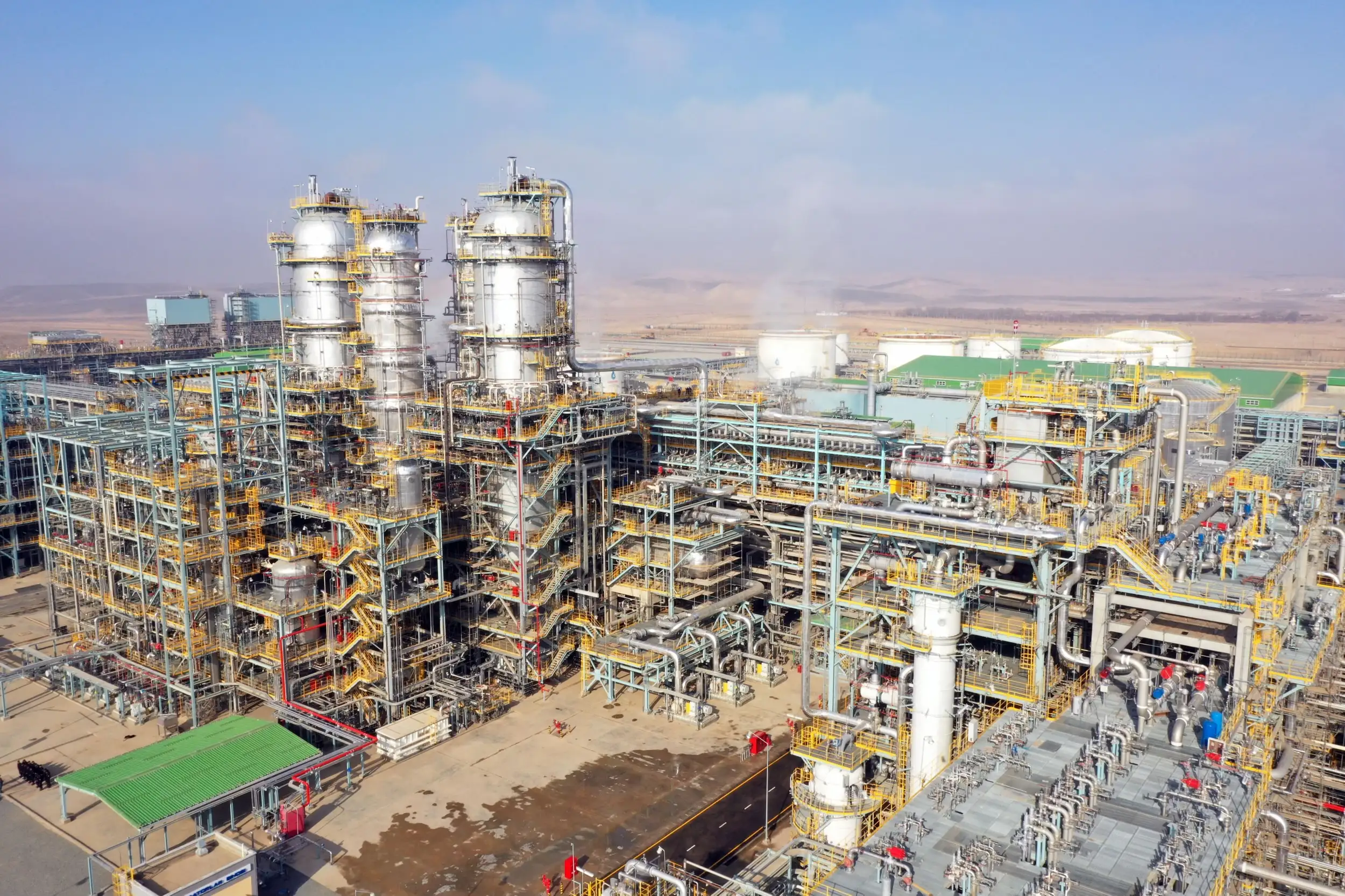
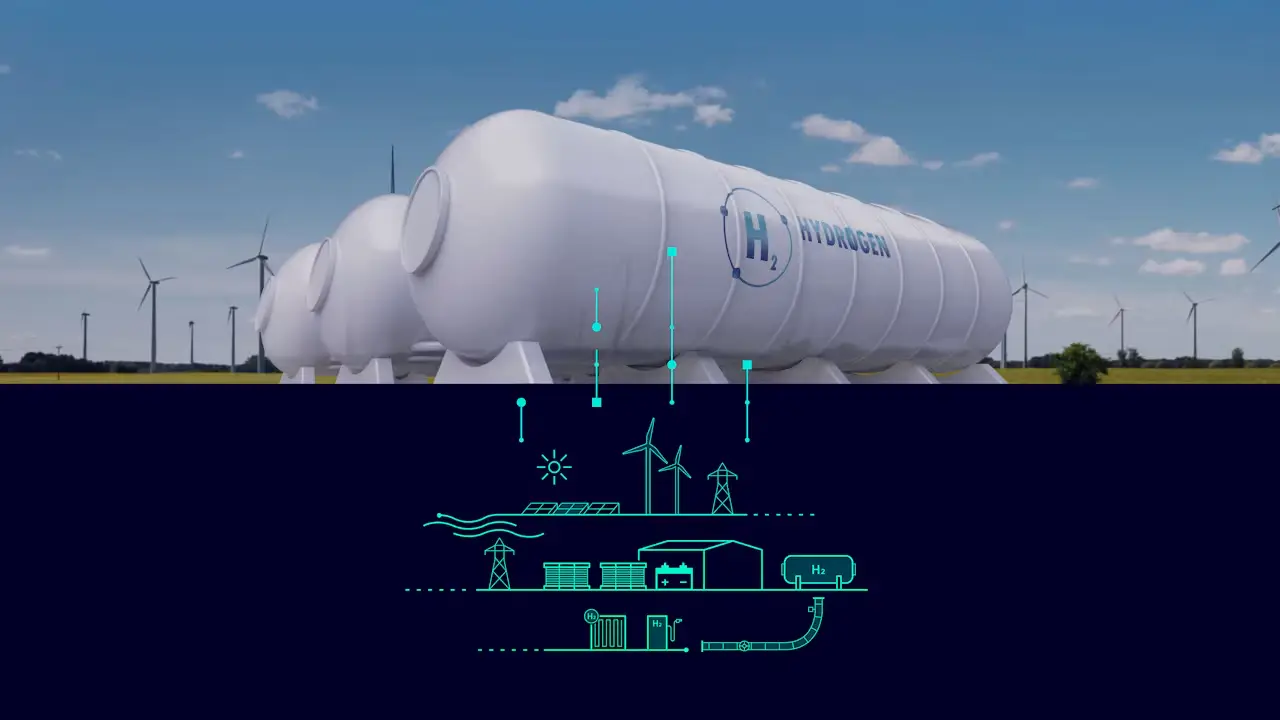
Main image: Siemens and Australian energy developer InterContinental Energy are developing digital technology designed to reduce green hydrogen production costs by up to 20 per cent. Backed by Australian government funding, the project will use computer modelling to optimise large-scale renewable energy and hydrogen facilities before construction begins. Credit: Siemens / Handout (digital illustration)
TOP STORIES
-
 Siemens-backed project aims to cut green hydrogen costs by 20%
-
French drug giant Sanofi strikes €37.6bn deal to buy US biotech firm
-
NHS begins world's biggest AI breast cancer screening trial involving 700,000 women
-
German shipping group's pre-tax profits jump 20% to €23.7m ahead of major acquisition
-
Partners Group buys New Zealand ferry operator in major infrastructure deal
-
Vår Energi strikes $4.4bn deal to buy ConocoPhillips' Norwegian oil business
-
The sky’s the limit for flying cars but expert warns of deadly risks
-
Meet the seven Anthropic founders worth $23bn each after record-breaking stock market debut
-
World's robotics leaders to gather in Germany in race to put AI to work
-
Britain's most expensive seaside resort dominates £2m property sales
-
Beavers return to Loch Ness after 500 years
-
Swiss data centre to heat homes using waste energy from AI servers
-
Uzbekistan attracts $44.1bn in foreign investment and loans in nine months
-
Serko raises revenue forecast as Booking.com business travel bookings surge
-
Air India and Airbus unveil India's first corporate green aviation fuel scheme
-
Best Western loyalty scheme to be scrapped in major hotel rewards shake-up
-
First class delivery: China's postal service puts humanoid robots to work across eight cities
-
AI set to transform university librarians' jobs as 95% predict surge in demand
-
Washington Dulles unveils new concourse as $20bn airport expansion takes off
-
The European Autumn 2026 edition – out now
-
WATCH: Greenpeace drops giant David Attenborough boulder into North Sea – on site of £12bn windfarm
-
Himalayan nations demand urgent action as UN warns of irreversible glacier losses
-
6,000 march against ‘monstrous’ AI data centres as Scotland faces building boom
-
Shop till Ai drop? AI agents set to buy for us as tech boss warns of retail revolution
-
Specs appeal: Welsh Parliament bans smart glasses