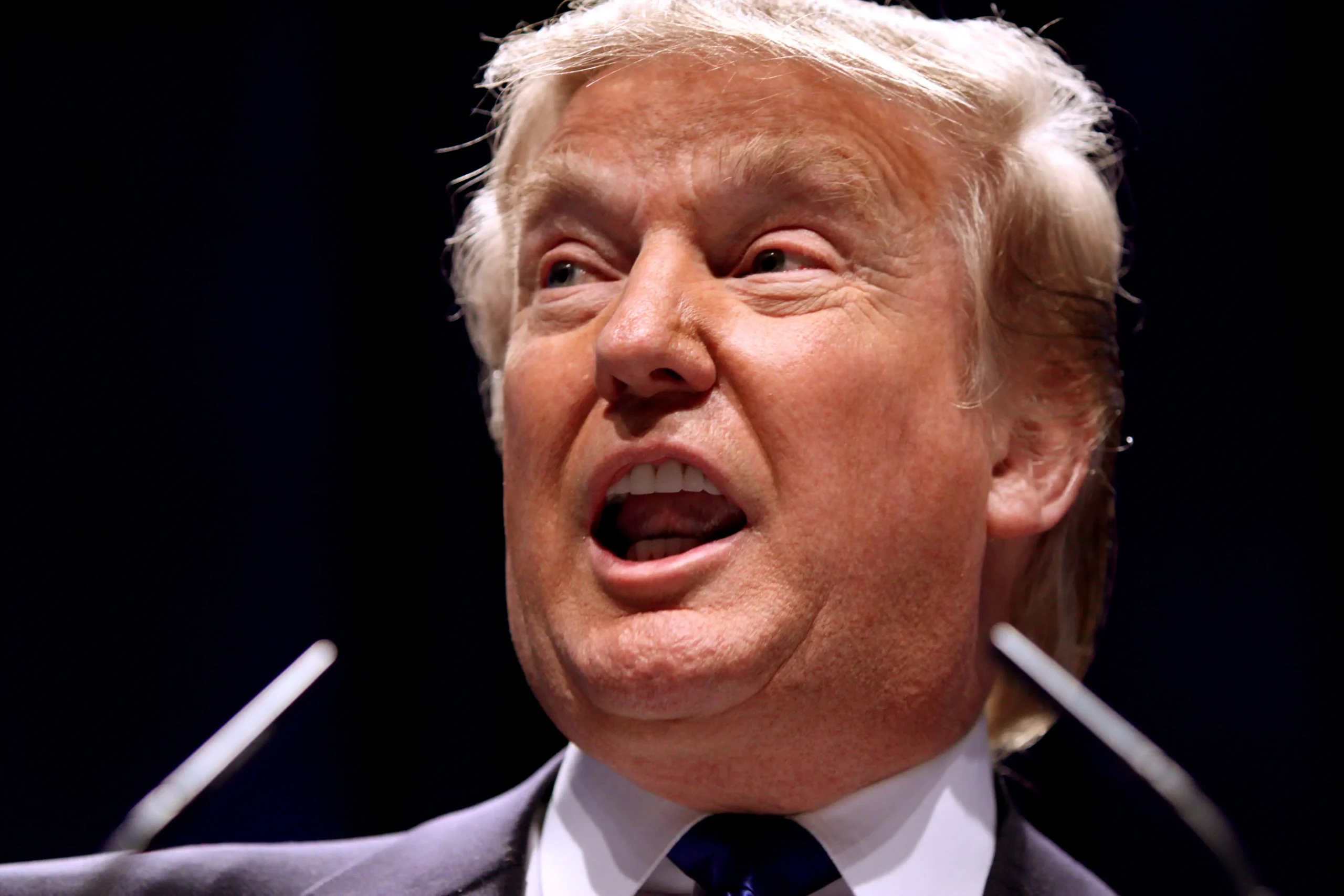
Donald Trump’s rise might seem inexplicable to those outside of the U.S, but the tycoon’s journey to the White House was inevitable, writes political analyst Mike Bedenbaugh
To many outside mainland America, Donald Trump’s return to the White House is simply incomprehensible.
Not a day seems to go by without another outrageous event or uttering connected to America’s commander-in-chief. Only last week he proposed that the US take “long-term ownership” of Gaza, resulting in an understandable collective outcry from the international community.
How did someone so controversial, a man accused of multiple counts of sexual misconduct and of inciting an attack on the U.S. Capitol, ever manage to beat Kamala Harris in the polls? And how did Trump – a convicted felon, remember – manage to become the leader of the free world not once but twice?
It might seem that he is, perhaps, the luckiest politician alive.
But there’s nothing random at work here. You simply don’t fluke out multiple times.
To make sense of it all, you need to understand the South, as Trump’s domination of polls in Southern states like Florida, Texas, Georgia, and South Carolina provided a solid foundation to his race for the White House, one he ultimately won comfortably against Kamala Harris.
But why has the South been so fiercely loyal to him? Everything becomes clear when you examine its history: its pivotal role in the Revolutionary War, the influence of the American Civil War a century later, and how the South has unfailingly championed state sovereignty. These historical foundations are absolutely crucial to understanding the appeal of Trump, and of contemporary American politics as a whole.
A fundamental shift in the American political landscape became evident during the Republican primary debate on 6th August, 2015. Trump’s blunt, often abrasive style may have been derided by his opponents but it struck a chord with those who believed that the conventional political discourse had become disconnected from reality. His no-nonsense and unashamedly partisan policies reflected the concerns and anxieties of many voters who were eager to see a return to core American ideals, ones they felt had been eroded in the bid for greater inclusivity and diversity.
One of Trump’s most powerful messages was his scathing criticism of the North American Free Trade Agreement (NAFTA). Decades earlier, independent presidential candidate Ross Perot had warned of the “giant sucking sound” of jobs leaving American communities. This fear had been realised in Southern towns where factory closures devastated local economies. Leading a historic preservation organisation in South Carolina, I saw firsthand the damage this economic downturn caused: abandoned mills, struggling town centres, and rising poverty. Trump’s promise of economic restoration naturally struck a chord with stricken communities desperate for renewal. His “America First” agenda, emphasising domestic industry and stricter immigration policies, appealed to working-class Southerners who felt ignored by Washington elites.
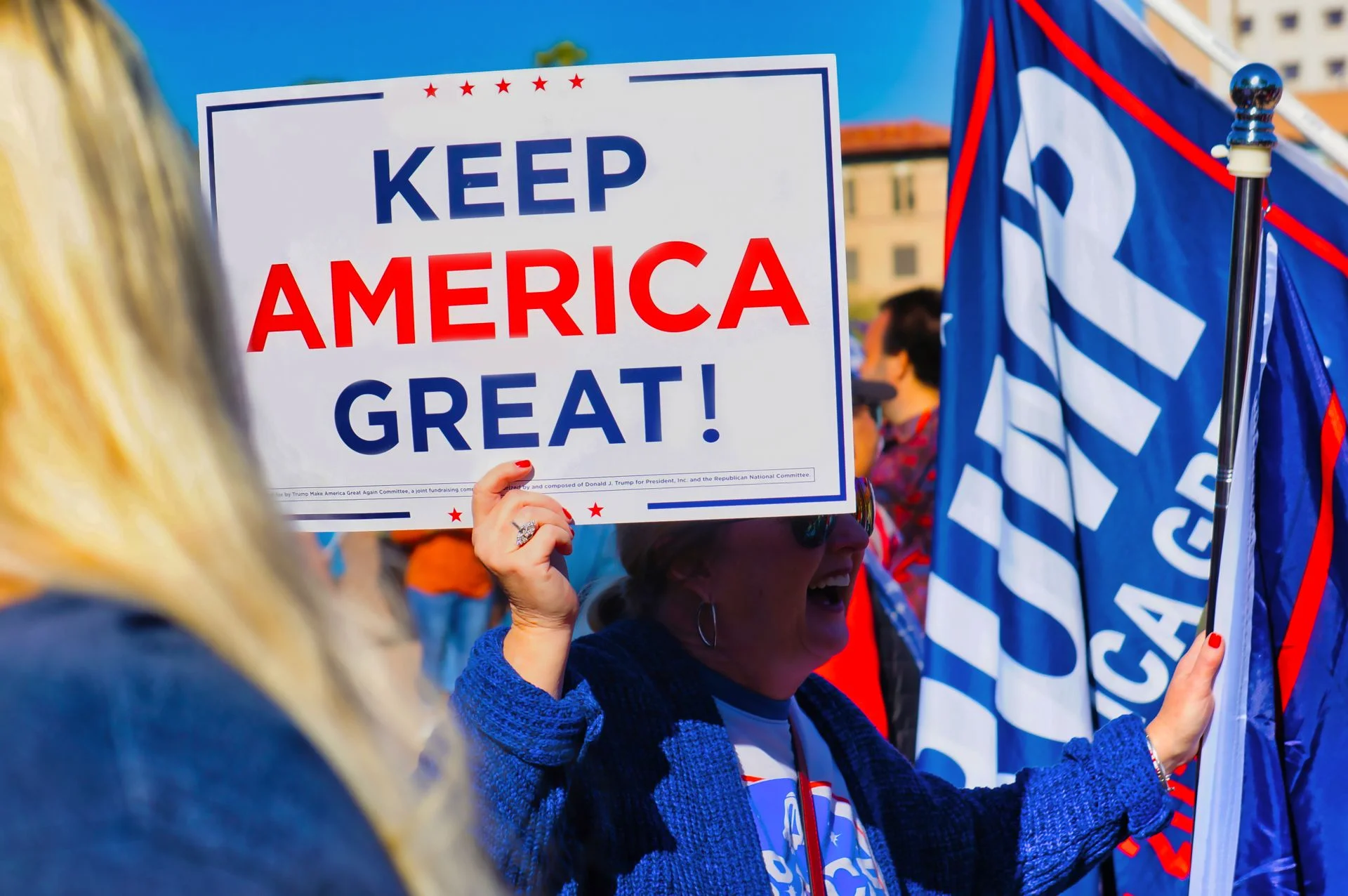
But it was more than the message that won over the South. Trump’s direct, unfiltered style made him a compelling figure. His rallies, filled with energy and camaraderie, reinforced his status as an outsider challenging the establishment. The region’s long-standing scepticism of powerful, centralised authorities made his defiance of Washington insiders virtually irresistible.
For conservative values remain deeply embedded in Southern culture, rooted in a tradition of evangelical Christianity and personal independence. Many trace their lineage to early immigrants who sought religious freedom and economic opportunity, and issues such as gun rights and family values continue to be deeply significant. Despite his personal contradictions, Trump successfully positioned himself as a champion of these ideals. His appointment of conservative judges and advocacy for religious freedoms (read ‘Christian’ religious freedom) was and remains music to the ears of many in the South, strengthening his standing among evangelical voters, while comparisons to Southern icons like Andrew Jackson and Strom Thurmond have painted him as a leader willing to fight for what was ‘right’ rather than compromise. Though born in New York, this Yankee is a ‘good ole boy’ through and through.
Yet, Trump’s approach has not been without challenges for his Southern fanbase. While he has celebrated President William McKinley as a symbol of American strength, going so far to rename Denali, the highest mountain peak in North America, Mount McKinley, within days of taking the keys to 1600 Pennsylvania Avenue, the fact that McKinley was instrumental in expanding US influence globally has not gone unnoticed. This is, of course, a position that appears at odds with Trump’s more isolationist stance. That is, until we saw his response to Gaza this week.
Many of his policies, particularly on immigration, have likewise presented economic headaches to his grassroots supporters. He may want to see mass deportations, and they, politically, might agree, but on the ground this comes with significant consequences for industries reliant on immigrant labour such as construction and agriculture—two sectors that are crucial to Southern economies, Worker shortages aren’t going to sit well with many in South Carolina, and likewise in cities like Atlanta, Houston, and Charlotte, where immigrant labour has underpinned a boom in the construction industry in recent decades.
An unexpected check on Trump’s power may, ironically, come from the very Supreme Court justices he appointed. While he may have expected unwavering loyalty, their strict constitutional interpretations could hinder policies such as ending birthright citizenship, which is protected by the 14th Amendment. Though some on the political left view the court as partisan, it should be remembered that its decisions often reflect a broader commitment to originalism. Trump may soon encounter a harsh reality, one that could tarnish his reputation in the eyes of his Southern voters: presidential authority has limits, even for him.
Nevertheless, Trump’s back in power because the majority of Americans, especially in the South, believe that he stands largely for what they believe in. Whether Trumpism, a high-risk approach to solving the nation’s issues, delivers greater economic prosperity than damage remains to be seen but the bottom line is that Trump is necessary for America in the current political climate. His rise is part of a broader shift in how ordinary Americans perceive their identity and place in the world. Though the process thrust on us will be disruptive and unsettling, such re-evaluations are critical to national renewal. The USA has faced comparable moments of reckoning before—most notably after our Civil War—when leaders worked to reunite the nation under a vision of progress and strength. As we transitioned from the 19th into the 20th century, President Theodore Roosevelt articulated a new vision of American power with his enduring principle: “Speak softly and carry a big stick.” Yet today, over a century later, this doctrine seems to have devolved into “speak loudly and come out swinging.”. If the US can navigate these trials while staying true to its constitutional framework, it can emerge stronger, more stable, and more focused post-Trump. In a way, it’s a poison working its way out of the nation’s collective system.
The road ahead will be difficult, for sure, but it’s a journey that must be taken, and someone “seemingly” unfit for office as Donald Trump is inarguably the man to take us there whether we like it or not.
In my next column, and in light of Trump’s recent comments on Greenland and Gaza, I will be examining the American tradition of righteous conquest, and what it reveals about the psychology of the nation.
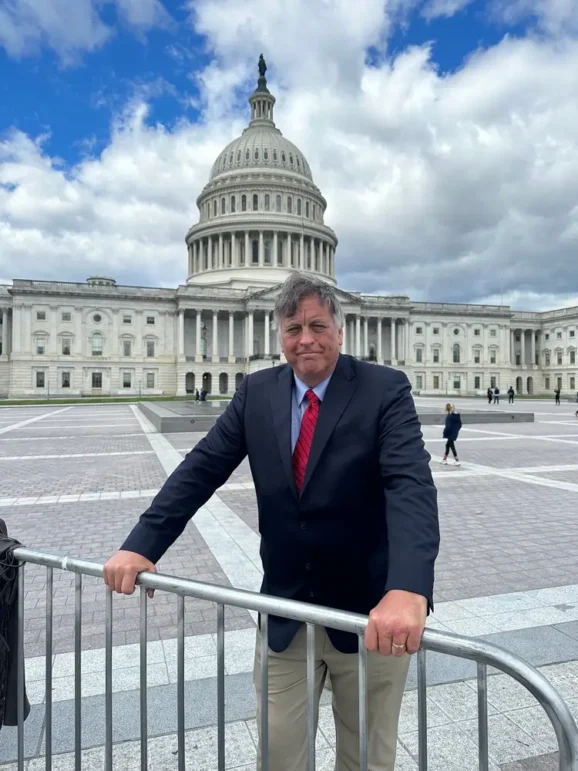
Author and political thinker Michael Bedenbaugh is a respected voice in constitutional principles and American governance. Based in South Carolina, he is deeply involved in his home state’s development while contributing to national discussions on governance and civic engagement, most recently as standing as an independent candidate for Congress. He is the author of Reviving Our Republic: 95 Theses for the Future of America and the host of Perspective with Mike Bedenbaugh.
Main image: Courtesy, Mike Bedenbaugh