Neuroscientist, singer-songwriter and novelist Izzy Frances was building a music career backed by BBC Introducing while working in research when COVID, latent TB treatment and complex chronic illness changed the course of her life. Having completed a PhD at the University of Cambridge on maternal inflammation, nutrition and the earliest signs of infant neurocognitive development, she reflects on medical gaslighting, hidden illness, the loss and return of music, and why her debut fantasy novel, The Light of the Dawn, grew from the need to write a kind of strength too often left unseen
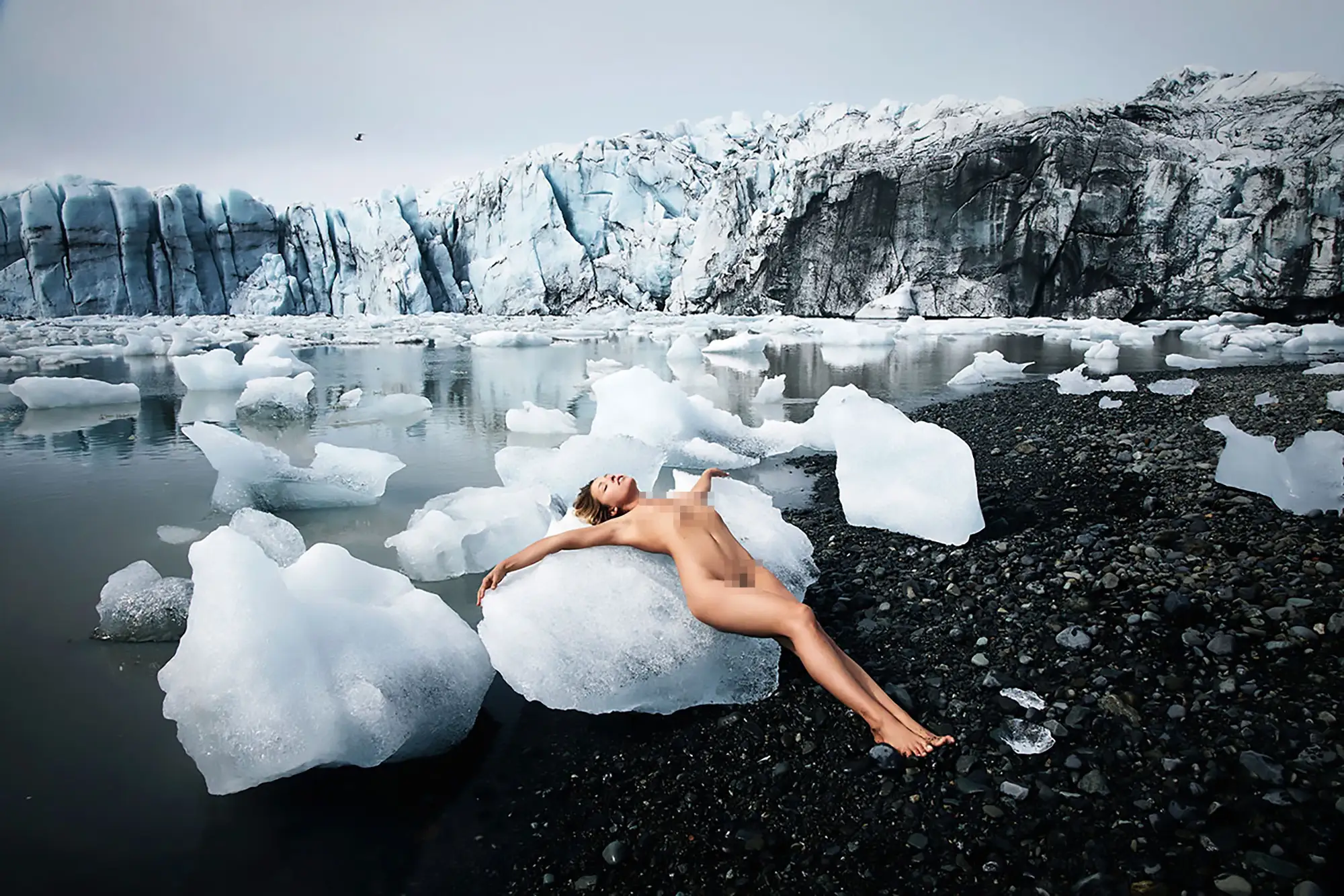
I love looking at the world in water. The reflection of what is above can be so clear, yet ripples of the wind distort it, displacing all that we know. It is only in certain places, in certain lights, that we see beneath the surface. The depths unknown to us, filled with creatures and life that we will only see if we are patient enough.
Everything I do in life, be it science, music or writing, is an attempt to see past the reflection, past what our eyes tell us, into the hidden depths below.
Growing up, my family travelled a lot. Long drives between Germany and England meant audiobooks, music, quizzes and games in the car. Moving meant new communities, chapters and curiosities. It was a privilege I now see fully. It instilled in me an interest in the wonders of the world, and in how people can look at the same life, the same building or natural phenomenon, so very differently.
Music transcends cultures and words, connecting humans in a way our ancestors understood, and that the birds and wind do too. Making music, listening to it and studying it has been a constant in my life. At school I played four instruments, though piano was mostly there to accompany my biggest love: singing.
In my later teenage years, I started songwriting and composing. There is such beauty in it, in finding the voice buried within and finally giving her air.
It is funny that, in a way, my creative side fuelled my scientific passion. Where creative pursuits have no walls or maps, neuroscience has structure and logic. They balance each other out. But it was curiosity that drew me there – a desire to understand what makes humans so peculiar, yet often so predictable. What causes such pain in some, and such hope in others.
When I talk about all my passions, people sometimes seem confused. As if being a neuroscientist, novelist and singer-songwriter is an odd combination. Yet they do not feel separate to me. Instead, they feel as if, time and time again, I am asking the same question in three different ways. What stories can we uncover if we look a little deeper?
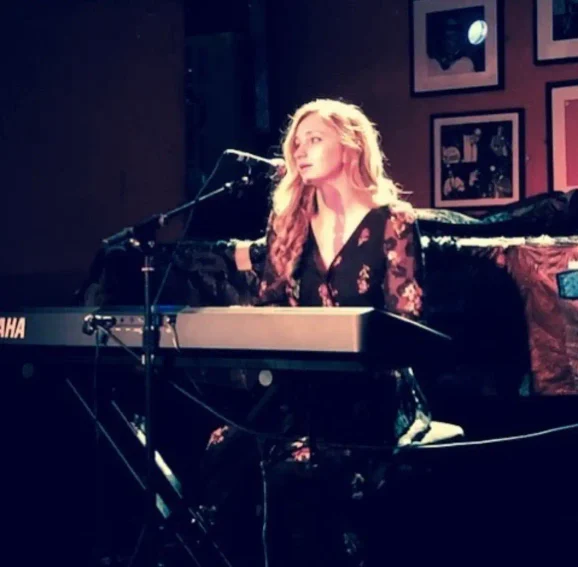
I did my undergraduate degree in Neuroscience at the University of St Andrews before completing my MRes in Cognitive Neuroscience at University College London. During my MRes, I began to take my songwriting more seriously. I started playing gigs, despite unreasonable levels of terror, and collaborating with other songwriters in Los Angeles and Palm Springs. Two of my singles charted in the iTunes singer-songwriter charts, reaching the top 10 and top 20, while BBC Introducing Oxford supported every one of my releases. I was a semi-finalist in both the International Songwriting Competition and the UK National Songwriting Competition, and I felt the thrill of every moment.
I was jumping on the Tube after labs to play gigs, wrestling my supposedly portable keyboard onto the train to get to the London studio. For a while, I felt as though several versions of my life were moving at once.
Before Cambridge, that split became more defined. For a period, I divided my week between a research lab in Oxford and music. Four days were spent in the lab. The remaining three were given, as completely as I could give them, to songs, writing and recording, with gigs fitted around work when I could.
Later, the balance became harder. For 18 months, I worked full-time in research and pushed music into the margins; evenings, weekends and late nights were spent writing, recording and trying to build on the support I was receiving from BBC Introducing. I was trying to turn iTunes chart placings, songwriting competitions and sessions in Los Angeles into something more permanent, while also trying to build a scientific career.
It was exciting and exhausting. I was carrying more than a keyboard between those two lives. I was carrying two versions of a future.
Then came COVID, and it ended.
At first, it took away the momentum around music: the gigs, the rooms, the sense that songs were beginning to travel beyond me. Later, when I had begun my PhD at Cambridge and was already undergoing treatment for latent TB, COVID took something more fundamental. It took away the body on which all of those ambitions depended.
I have always been plagued by health problems. As a child, I was in and out of hospital. As a teenager, I was down with every infection. I missed school, milestones and the ordinary rhythms of life that others could take for granted.
COVID threw my body into a tailspin that I am still emerging from. It amplified disorders I already had: postural orthostatic tachycardia syndrome, mast cell activation syndrome and hypermobile Ehlers-Danlos syndrome. It affects connective tissue, which supports the skin, joints, blood vessels, organs and other structures. Dysautonomia affects the autonomic nervous system, which regulates heart rate, blood pressure, digestion, temperature control and the body’s response to posture. Mast cell activation syndrome, meanwhile, involves the inappropriate activation of immune cells involved in allergic and inflammatory responses, causing widespread disruption.
Together, these conditions can make the body unpredictable at system level. Heart rate, digestion, immune response, temperature, pain, concentration and energy can all fluctuate. A person can appear composed in a short conversation while paying heavily for that appearance afterwards.
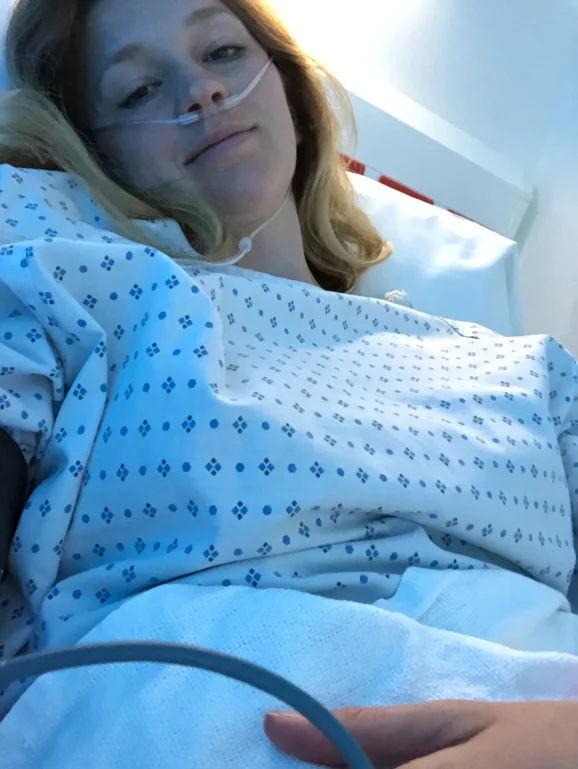
I went from running half-marathons to being bed-bound. And, like many women’s experience of healthcare, I was gaslit and invalidated until I believed everything was in my head.
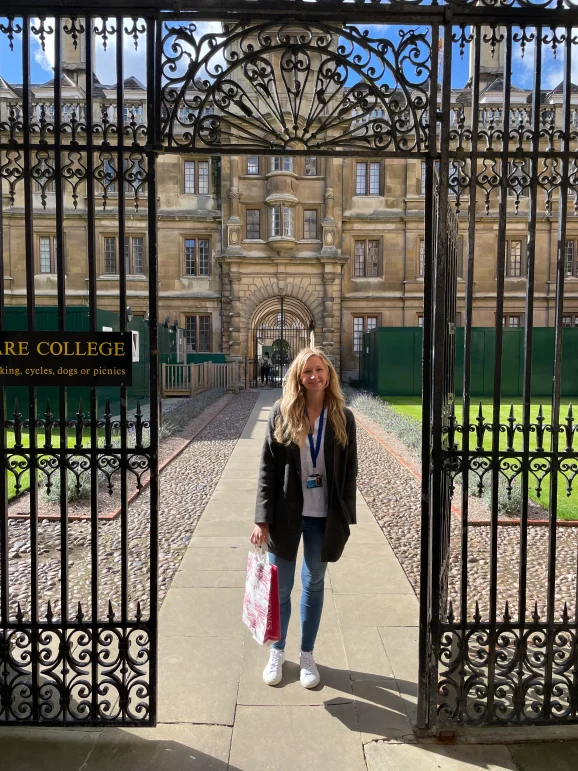
Having struggled with illness when I was younger, I understood the relationship between nutrition, stress and the body’s ability to hold itself together. So when I applied to do a PhD at Cambridge, examining how maternal inflammation routed through nutrition can influence early infant neurocognitive development, it felt like everything was converging. I was filled with hope and fear in equal measure.
When I got the place, I believed I was finally stepping onto the path of my dreams. BBC Introducing was consistently supporting my music, I was going to Cambridge, and I was the healthiest I had ever been.
But when I began my PhD, I found out I carried latent TB, which required six months of rigorous antibiotic treatment that left the world spinning as I leaned over a toilet, trying not to vomit night after night. On the second day of my TB treatment, less than three months into my PhD, I finally succumbed to COVID.
What followed was years of memory loss, brain fog, debilitating fatigue, severe pain and the painstakingly slow road to diagnoses. I went part-time, intermitted for months at a time, and still barely scraped by. I tried to show up, to labs, to see friends, and got worse again. Music fell away. Any social life fell away. My world narrowed and I tried, day by day, to crawl on.
The music career was one of the first parts of my life to become impossible to sustain. Gigs require travel, noise, lights, soundchecks, social energy, fixed timing and a body that can perform at a given hour. Songwriting sessions require memory, speed, confidence, openness and the ability to collaborate in real time. Dysautonomia made posture and energy unreliable. MCAS made reactions unpredictable. EDS brought pain and instability. Brain fog and memory loss attacked the mental agility that music demands.
The loss was not simply professional. Music had given me a public voice and a future I could imagine. It had given shape to private feeling. When it fell away, I felt as though I had lost not only something I did, but part of who I was.
Cambridge is a place where working yourself to the bone too often feels expected. When I could not keep up, I was called a burden. Going part-time meant having to leave college accommodation, the alternative to which I could barely afford. These experiences deepened the self-blame, the belief I was not good enough. I was fighting an invisible battle not only for my health and my PhD, but for my sanity.
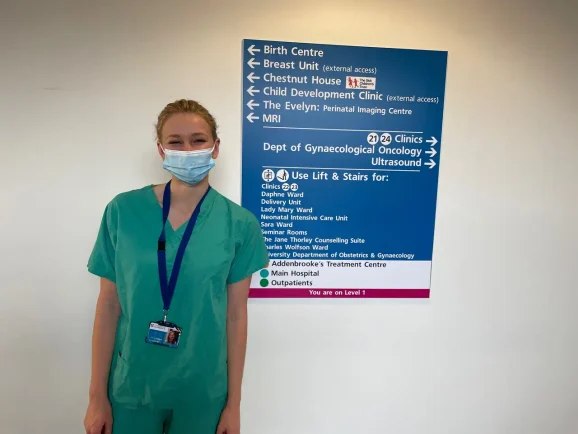
For a scientist trained to observe evidence, being disbelieved had a particular cruelty. My own body was producing evidence every day, yet my account of it was repeatedly treated as unreliable. Hidden illness changes your relationship with being believed. People see the moment when you look composed. They do not see what it took to get there, the reality underneath or what happens afterwards.
My ambition narrowed to the essentials: finish the PhD, protect the work and remain emotionally intact.
One escape was the natural world. Whenever I managed to get outside, even just to the woods opposite my flat, I felt the fresh air fill my lungs, the kiss of the sun on my skin, and the reminder from the trees that everything grows at its own pace. There is a beauty and art to slowing down, to savouring and nourishing. The natural world teaches this better than anyone else, yet humans have long become deaf to such calls.
As my PhD achingly advanced, I began to see the parallels between what my research was showing me and what the natural world holds for us all. The most diverse forests are the ones that thrive; the most diverse microbiomes foster better health. The food we put in our bodies plays a big role in nourishing diversity, just as antibiotics can erase it.
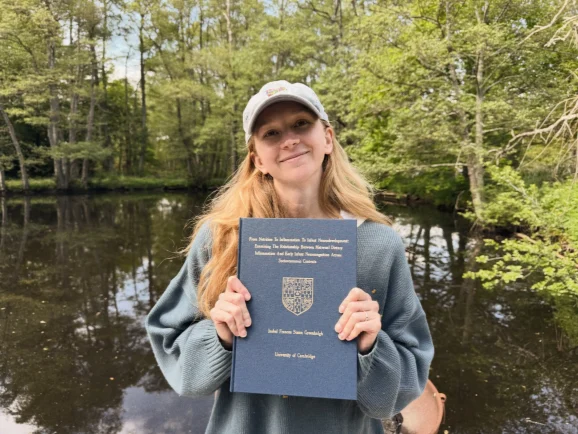
My thesis, From Nutrition to Inflammation to Infant Neurodevelopment, examined the relationship between maternal dietary inflammation and early infant neurocognition across socioeconomic contexts. It used neuroimaging, dietary indices, and inflammatory biomarkers to try to untangle the chain from diet and inflammation in the mother to how babies brains respond to repeated sounds at one-month.
Ultimately, I validated the links between a biomarker of inflammation, C-reactive protein, or CRP, and nutrition in women of reproductive age. Higher, more pro-inflammatory Dietary Inflammatory Index scores were positively associated with CRP in a large national cohort. Inequality showed up clearly: people of lower socioeconomic groups tended to have higher CRP levels and more pro-inflammatory diets, because access to healthy, balanced, whole foods is a luxury in today’s world.
The question this raises is not what people should eat, but why eating well remains a privilege.
Next, I examined early brain responses using functional near-infrared spectroscopy and habituation. Habituation is one of the earliest accessible measures of learning: when a baby is exposed to a repeated stimuli, the brain begins to process it differently. That can indicate recognition, adaptation and early information processing. At one-month, high individual variability was found in these responses, with some babies habituating while others had continuous activation (increasing responses).
The final chapter of my thesis brought this into sharpest focus. More pro-inflammatory maternal diets during pregnancy were related to divergent neurocognitive outcomes in infants at just one month of age. Whether these divergences persist is an important next step, but already this shows that the architecture of early attention and cognition can reflect the nutritional and inflammatory exposures in the womb.
What a mother, and families, can access shapes how their child enters the world. A good start should not be a privilege. It should be something every person on earth has access to.
The foods most consistently linked to lower inflammation, the vegetables, legumes and whole grains, are also, very often, the foods most linked to sustainable agriculture. These diets evolved, over many generations, in relationship with particular landscapes. They are not only good for our bodies and brains but are part of an ecosystem that respects the land and all that live off it.
The natural world, in its natural state, is intrinsically healing. It is humans, with our artificial and industrialised processing, who erode the quality of what we eat and of the natural world. And with it, we erode our health.
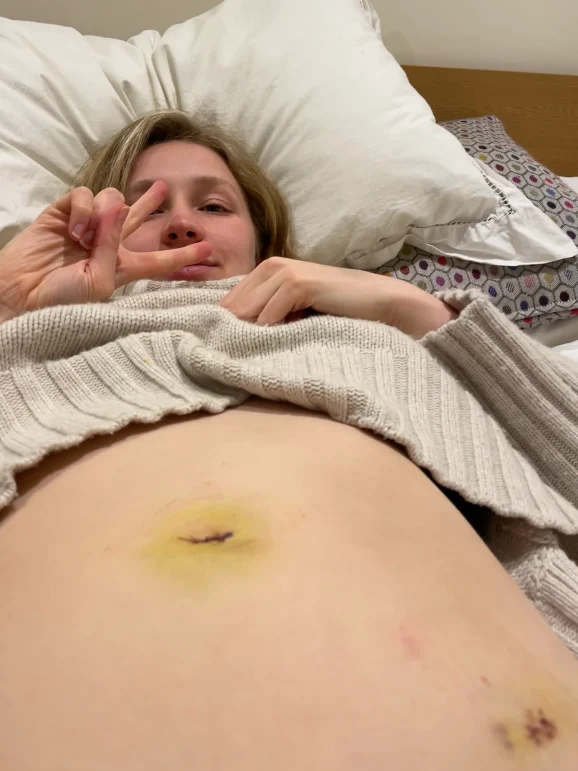
Reading offered another escape. Losing myself in other worlds became my lifeline during a time when my own life felt so desolate. But soon emptiness clanged through my favourite pages, because I never saw a protagonist or character that was like me. I realised I needed to change this. I needed to help share the beauty, the healing nature of the natural world, but also to share the idea that strength is not worn loudly with bravado on the outside. It is quiet, invisible and constant in people who have, in one way or another, been served less. Not because they are less, but because so much in life is beyond our control.
And so, I began to write a novel.
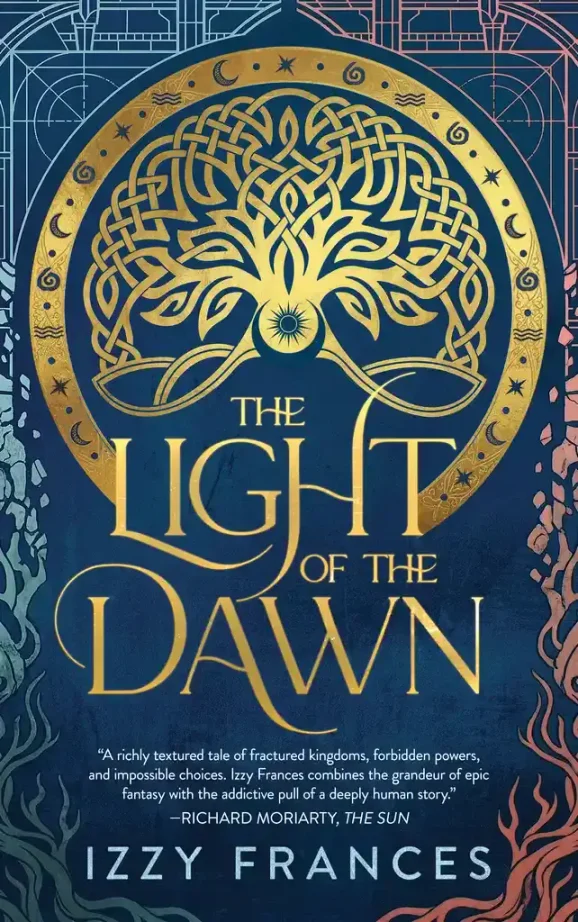
The Light of the Dawn is an epic fantasy set in the Kingdom of Dytikon, a realm that has officially disproven the magic once worshipped and built its power on that certainty. When a wasting sickness moves through the northern forests, three lives become tied together: the heir to the throne who hides an illness, an orphan with a devastating secret, and a leader who wields the very magic Dytikon has outlawed.
It is a story about the lines between protection and propaganda, exploitation and excellence, and about the stories societies construct to hold power. It explores the cyclical nature of trauma and rejects binary moralitycost of power and expectation, and the invisible strength many of us carry. I wanted to create a world where no one is purely good or bad, reflecting how our internal landscapes process external damage differently.
The environmental crisis in the book reflects my fear of a society that mistakes hyper-consumption for progress, and institutional growth for wisdom. It shows how systems built on control can silence foundational, ancestral and ecological knowledge. Its lead character has a hidden illness, as I do, and through her I wanted to offer a more authentic representation of a community that often has to mask an unrelenting physical reality from the world.
Writing this, at a time when I was irrevocably lonely and invisible, brought light and purpose to my life. Inspiration came through my own experiences, but also through the natural world, the only place I felt seen, calm and enough. I never felt like I was falling behind there. I was exactly where I was meant to be.
Writing the novel did not cure me. Nutrition did not cure me. Research did not cure me. I am wary of any story that suggests people are ill because they have failed to think, eat, work or hope in the correct way. That is not how bodies work, and it is not how suffering works.
But learning about nutrition helped me support my body better, even if it did not entirely fix my chronic conditions. Research gave me language for some of the relationships between food, inflammation, inequality and development. Writing gave me a way to keep making something when my body could not sustain performance. Nature gave me somewhere I did not feel behind.
Having finished my PhD, I am moving countries for my postdoc, examining nutrition and development in more vulnerable infant populations. In Zurich, I will study the neurocognitive development of very preterm infants. These babies are born during a period when the brain would usually still be developing in the womb. They face increased developmental risks and need careful follow-up.
My work now turns again to early signals. “How early can vulnerability be recognised, and what can we do to support those most vulnerable?” These questions have followed me through science and illness alike: what is missed when people look too quickly or listen too narrowly?
I am still writing, including the sequel to The Light of the Dawn. I am also increasingly making music again, gradually and carefully.
None of these strands fit together seamlessly, but they fit. What connects them is the same impulse that draws me to water: the belief that what matters most is not visible at the surface. The depths of our existence, of our bodies, our souls and the natural world, are where truth lives. But reaching those places requires patience. You cannot see the details in the scenery if you drive too fast.
We live in a culture that celebrates the surface. That rewards the fast, the loud, the consumerism. And yet everything I have learned, through research, storytelling, music, illness and the natural world, hums with the same ancient wisdom: that slowing down and living with the land is what truly sustains us.
I wonder what the world would look like if we listened to such wisdom. If we measured success by contentment and depth, instead of numbers and status. If we listened more closely to bodies, soil, forests, mothers, infants and those living with invisible illness. If we stopped mistaking speed for depth.
In the soil, there is infinitesimally small life that nourishes the biggest of trees. In the water, there are depths we will only see if we learn how to remain still.
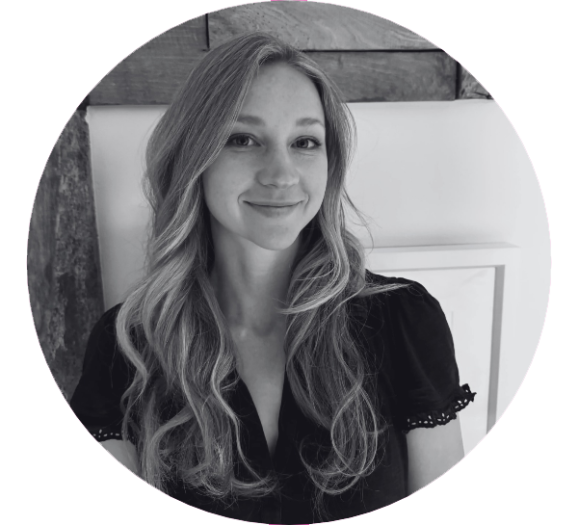
Izzy Frances is a neuroscientist, singer-songwriter and novelist. She studied neuroscience at the University of St Andrews and cognitive neuroscience at University College London before completing a PhD at the University of Cambridge on maternal inflammation, nutrition and early infant neurocognitive development. She is now a postdoctoral researcher in infant neurodevelopment and nutrition in the Clinic of Neonatology, University Hospital of Zurich. Her debut fantasy novel, The Light of the Dawn, explores chronic illness, knowledge, power, nature and the stories societies tell to protect themselves.
READ MORE: I was one of the last Western women in Tehran after the Iranian Revolution. Felicity Heathcote, a celebrated author, Olympic psychologist and wife of an Irish diplomat, spent five extraordinary years as one of the last Western women to remain in Tehran after the Iranian Revolution. During her time there, her husband met future Supreme Leader Ayatollah Ali Khamenei, while she smuggled an Enigma-style code machine into the country, dodged bullets, survived a month of relentless Iraqi bombing and adopted a child from India. With Khamenei now dead and Iran engulfed in another war, she recalls her remarkable experiences and reflects on the country she came to love.
Do you have news to share or expertise to contribute? The European welcomes insights from business leaders and sector specialists. Get in touch with our editorial team to find out more.
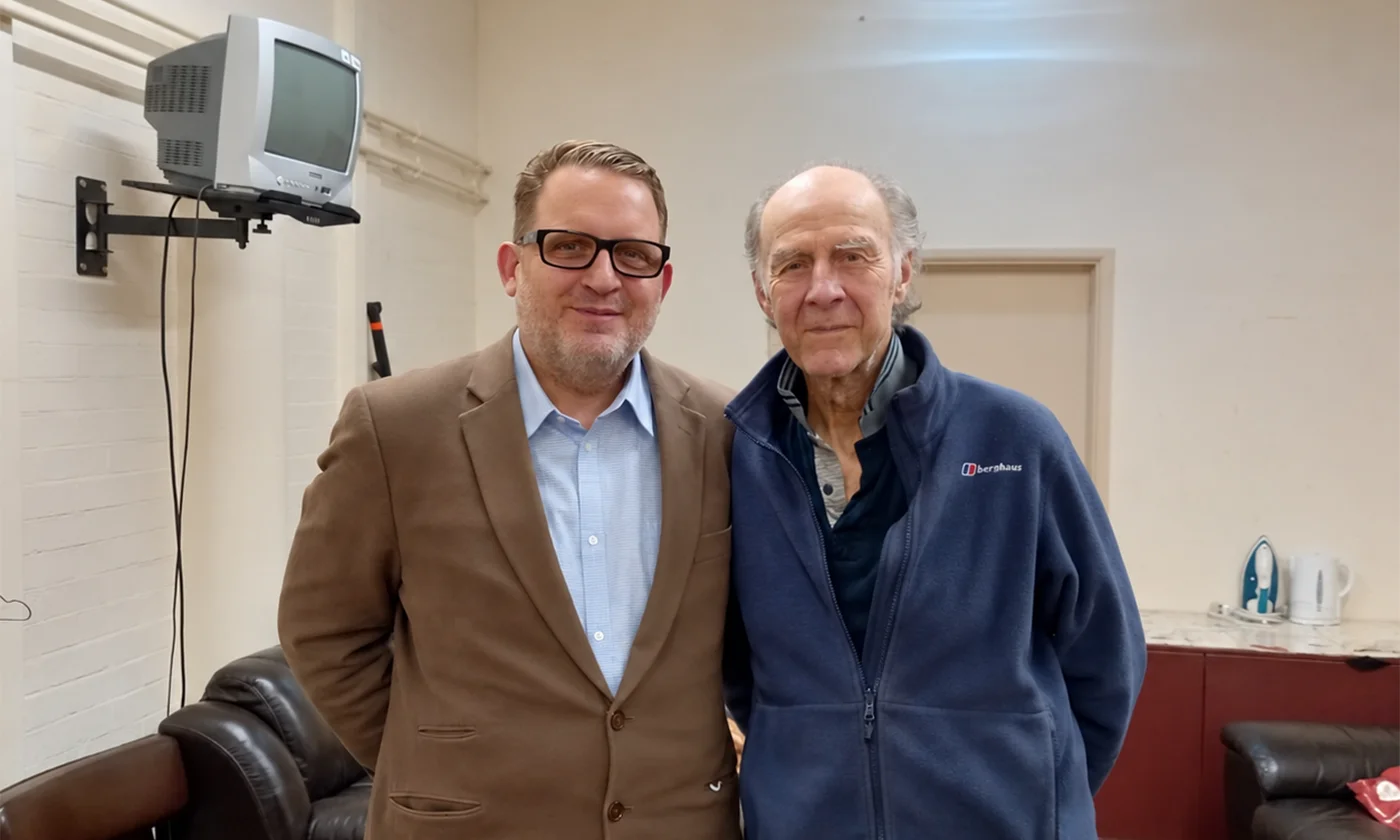
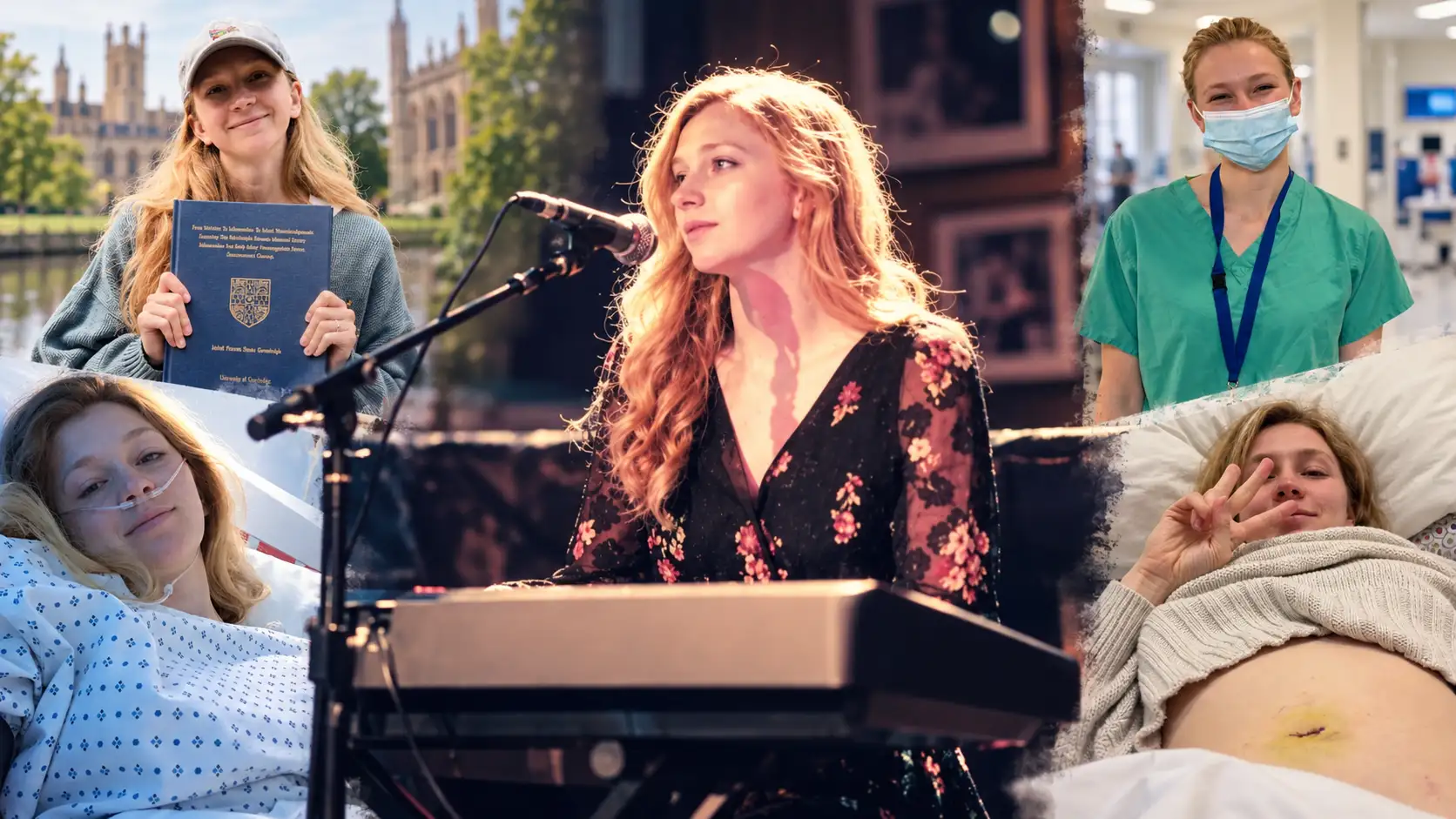
Main image: A life in music, medicine and scientific discovery – neuroscientist and novelist Izzy Frances charts her battle with debilitating chronic illness, her determination to complete a Cambridge PhD and her gradual return to music. Credit: Original photographs courtesy of Izzy Frances (The European)