In an open letter to Andy Burnham, published exclusively here in full, the celebrated wildlife campaigner calls on the new Prime Minister to back his campaign to remove fast-growing chicken from schools, hospitals, prisons, military bases and government offices
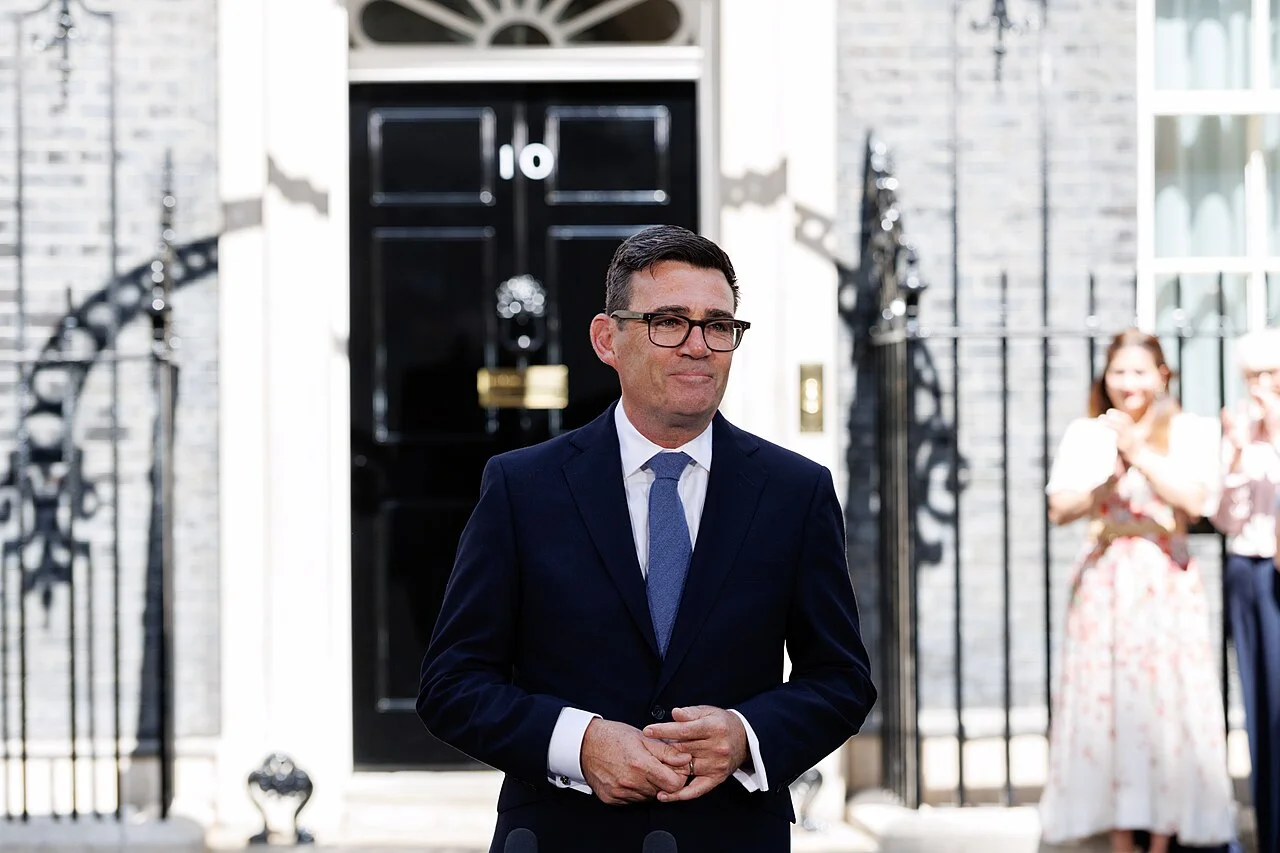
Dear Prime Minister,
There is a good chance that the chicken in the Caesar salad on your desk, the burger a child eats at lunchtime, the sandwich served in a police or military canteen or the soup carried into a Whitehall office today came from a bird slaughtered at just 35 days old.
There is an equally good chance that nothing on the packaging or menu will reveal how young that animal was, or that it had been bred to grow 500 per cent faster than chickens did in the 1950s.
Campaigners call them frankenchickens. Decades of extreme selective breeding for weight gain and breast muscle have crippled these birds’ legs, often leaving them deformed and lying in their own waste, suffering skin burns through prolonged contact with urine. The growth is so rapid that millions of these chickens die of heart failure.
Around 95 per cent of the 1 billion chickens raised in Britain each year comes from these fast-growing breeds. Yet the public disagrees with this practice: a 2021 YouGov poll found 78 per cent of Britons rejected farming practices that cause animals pain and suffering, and nearly 400,000 people have signed my petition calling on supermarkets to stop selling frankenchickens. 80,000 people – including myself – have recently pledged to boycott Pret A Manger until they keep their promise to phase these breeds out of their food, as they promised to do back in 2018. Poor labelling and deceptive advertising means shoppers and taxpayers are helping sustain this system without knowing it.
A solution is the Better Chicken Commitment (BCC) – a set of welfare criteria which includes a requirement for slower growing breeds. The Conservative government said it would support the BCC in 2022. But they never delivered the promised support. I’m glad to see that Labour’s Animal Welfare Strategy has also pledged support for a shift to slower growing chickens, but what that support will look like in practice is yet to be announced.
Meanwhile Britain falls behind Europe. Fast-growing chickens have largely vanished from Dutch shelves, and by the end of 2027, Norway will become the first country in the world to chase out frankenchickens completely, following efforts from companies, producers and the animal welfare organisation Anima International. Additionally, every major retailer in Germany has also committed to phase out these breeds by 2030.
Denmark shows what state action can achieve. In 2023, a coalition spanning almost the entire Danish Parliament, also working with Anima International, agreed to phase frankenchickens out of state procurement. That agreement also established a working group on chicken welfare, backed efforts to secure an EU-wide phase-out of fast-growing breeds, and supported campaigns to shift consumer demand. Thirty-two of Denmark’s 98 municipalities have now voted to ban the procurement of fast-growing chickens fully or partially, covering close to 40 per cent of the country’s population.
Responsibility for this lies in the corridors of power; it lies with you. I call on you to use the purchasing power of the state: ban fast-growing breeds from public procurement contracts. Ban them from the chicken bought for hospitals, prisons, the armed forces and government offices now. It would reduce demand for frankenchickens through purchasing decisions ministers already control, without waiting for new legislation. It would also stop taxpayers being compelled to subsidise a farming system they have already said they oppose.
Private business shows change is possible: Waitrose got rid of frankenchickens from its products last year, and M&S has made the switch for its fresh chicken. But momentum in the UK has largely stalled as a result of big businesses – such as KFC, Nando’s and Burger King – publicly abandoning their commitments to phase out frankenchickens – betraying millions of animals in the process. Even Pret – a company that’s supposed to be about doing the right thing – has broken its 2026 commitment to phase out frankenchickens after making no progress at all.
Prime Minister, Britain can no longer leave this problem to corporate goodwill. Government action would send those companies a clear signal that abandoning animal-welfare commitments has consequences, and that the direction of travel is clear.
Removing frankenchickens from our schools, hospitals, prisons, armed forces and government offices would improve the lives of millions of animals, create dependable demand for farmers and suppliers prepared to make the transition and challenge companies attempting to retreat from their responsibilities.
Above all, it would respect what the British public has been telling successive governments for years.
It would be a welcome change if your government succeeded where Boris Johnson’s and Sir Keir Starmer’s did not, and finally turned years of promises on chicken welfare into action.
Yours sincerely,
Chris Packham
READ MORE: Only 14% of companies can show supply chain safeguards are working, study finds. Survey of 110 medium-to-large businesses finds one in four does not measure the impact of its responsible-sourcing programme, while more than a third identifying forced or child labour risks carry out no checks beyond direct suppliers.
Do you have news to share or expertise to contribute? The European welcomes insights from business leaders and sector specialists. Get in touch with our editorial team to find out more.
Main image: Main image: The wildlife campaigner speaks to camera outside a Pret A Manger branch during his campaign against fast-growing chicken breeds. Pret told The European that it remains signed up to the Better Chicken Commitment, already meets five of its six standards and has set a roadmap to move to 100 per cent slower-growing breeds by 2032. A spokesperson added: “We are disappointed that this campaign group has chosen to target one of the few businesses that remains signed up to the Better Chicken Commitment. It is unclear to us why activists are spending such significant funds targeting a business trying to do the right thing rather than focusing on those who have abandoned higher welfare reform entirely. While we respect the right to peaceful protest and the important issues this campaign seeks to raise, our priority is the wellbeing of our team members and customers. We have plans in place to support them and hope any demonstrations are conducted safely and with respect for the people who work in and visit our shops every day.” Credit: Anima International