Only 14% of companies can show supply chain safeguards are working, study finds

John E. Kaye
- Published
- News, Sustainability
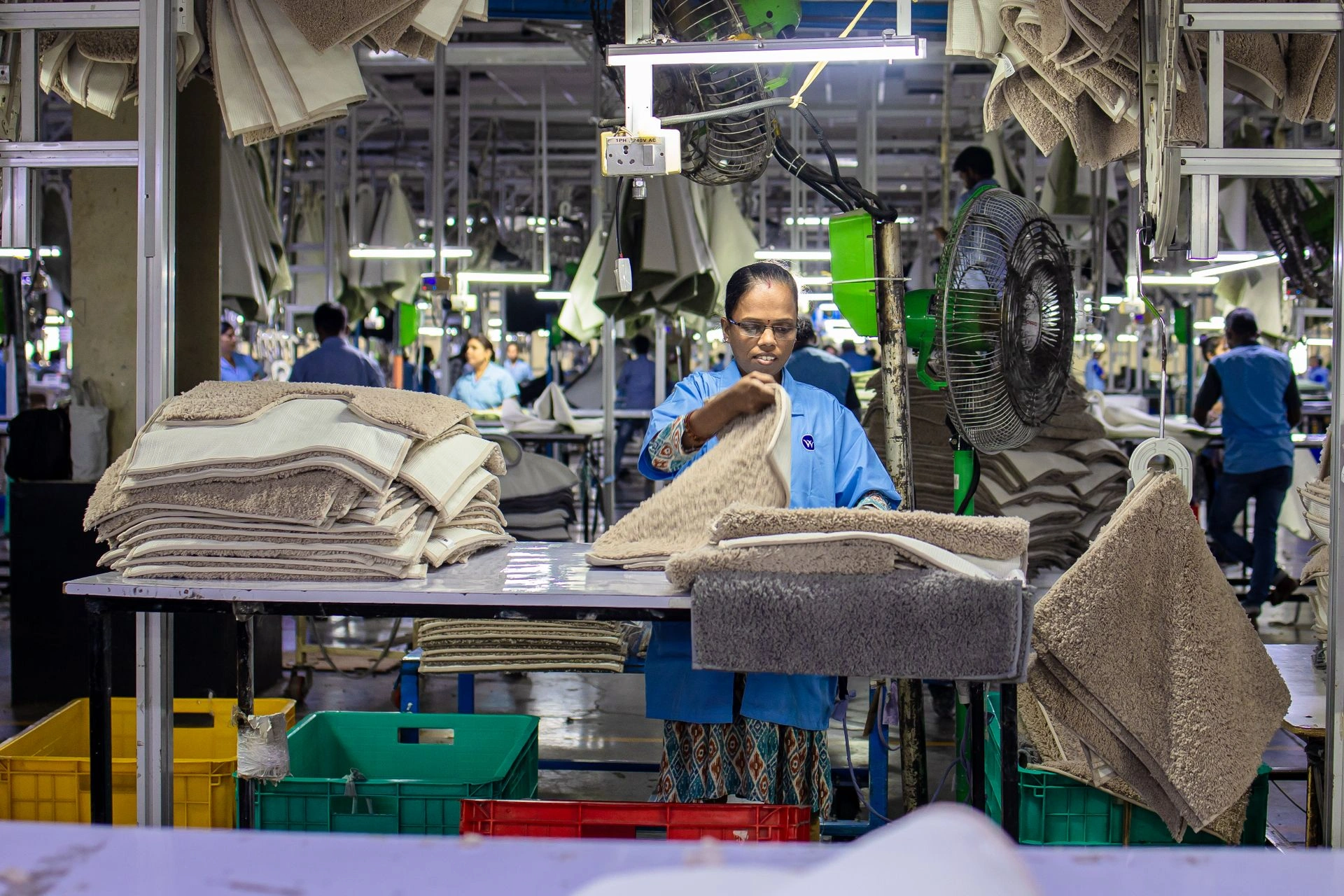
Survey of 110 medium-to-large businesses finds one in four does not measure the impact of its responsible-sourcing programme, while more than a third identifying forced or child labour risks carry out no checks beyond direct suppliers
Companies are increasingly identifying serious human rights and environmental risks in their supply chains but few can show that efforts to tackle them are actually working, according to new research.
A survey of 110 medium-to-large businesses across 13 industries found just 14 per cent could point to clear improvements resulting from their responsible-sourcing work.
Only 19 per cent measured outcomes for workers or the environment, while a quarter did not measure the impact of their programmes at all.
The Responsible Sourcing Barometer 2026, produced by Kumi Consulting, also found significant gaps in how far companies investigate risks through their supply chains.
Among businesses identifying forced or child labour as one of their most serious risks, 36 per cent carried out no due diligence beyond their direct suppliers.
Nearly a quarter of all respondents had either mapped only their direct suppliers or had not mapped their supply chains at all.
The findings suggest companies have become better at putting responsible-sourcing policies, audits and governance systems in place than at demonstrating whether those measures actually reduce harm.
Less than one-in-10 firms sought feedback from people such as workers when assessing whether their programmes were effective.
The survey also found a mismatch between one of the biggest problems companies identified and how they were addressing it.
Supplier capability was the most frequently cited barrier to progress, yet 32 per cent of respondents said they typically required suppliers to make corrective changes without providing additional support.
Only 15 per cent said building supplier capability was a priority for the year ahead.
Despite the gaps, responsible sourcing has reached senior levels inside many businesses. Some 46 per cent had board-level oversight, while 77 per cent assigned responsibility to a senior executive.
Andrew Britton, the chief executive of Kumi Consulting and one of the report’s principal authors, said: “The question is no longer whether companies are doing due diligence. The question is whether it is delivering results.
“Our research shows that while companies have done a lot to make responsible sourcing part of their core business activities, there are crucial blind spots that many companies are yet to address.
“There are now serious regulatory compliance and commercial risks related to responsible sourcing, so it is vital that companies can demonstrate that their programmes are not simply producing activity but are meaningfully reducing risks and improving outcomes for people and the environment.”
READ MORE: New global map reveals 800 businesses trying to cut plastic waste. Free online database brings together refill shops, reusable packaging schemes and take-back services across 74 countries as alternatives to throwaway plastic spread worldwide.
Do you have news to share or expertise to contribute? The European welcomes insights from business leaders and sector specialists. Get in touch with our editorial team to find out more.
Main image: EqualStock via Pexels
TOP STORIES
-
 Gamers face gridlock as latest Grand Theft Auto download 'nears two days'
 -
Samsung profits soar ninefold to record £61bn amid AI chip boom
-
New Springer books put the UN’s struggling sustainability goals to the real-world test
-
Europe’s solar boom set for two-year slowdown after record growth
-
Let it pea. Musicians turn vegetables into instruments at Beatles' Abbey Road studios
-
Golden naked Trump statue unveiled at European Parliament
-
Jaguar puts controversial rebrand on the road with £130K 1,030PS Type 01
-
Deepfakes and identity fraud drive new wave of post-hire background checks
-
Spain crowned Europe’s top retirement destination
-
More than half of UK professionals report workplace burnout
-
More than 1.2m English drivers may have eyesight too poor for the road, study finds
-
David Reuben, Britain’s second richest person, leaves London for Monaco
-
UK prisoner release plan faces a major lag as tougher rules risk sending inmates back to jail
-
Brits trust AI with their health but not their money
-
Britain still hungry for Italian food as exports hit €4.56bn despite Brexit
-
Women who earn more than their partners still pay the price at work, landmark study finds
-
Vape expectations go up in smoke as new UK tax sparks fury
-
Robot sales rocket 24% as 250,000 machines snap up jobs in warehouses, hotels and hospitals
-
New-build homeowners should not be left with ‘mud and a fence’, campaigners warn
-
Bank of England governor warns AI poses growing ‘increasingly significant’ threat to financial stability
-
UK economy grows faster than first thought as household incomes bounce back
-
UK unveils ‘Great British Grid’ in bid to cut energy bills
-
British Chambers unite against 'Made in Europe' rules amid fears for UK industry
-
Bouncy castle firms urged to sign new safety pledge following child deaths
-
Remembering Matthew Jukes, The European’s Wine & Fine Drinks Correspondent