More than half of UK professionals report workplace burnout

John E. Kaye
- Published
- News

Britain recorded the fourth-highest rate among nine countries surveyed, with heavier workloads, low morale and stalled careers blamed for growing pressure at work
More than half of UK professionals say they are suffering from workplace burnout, with understaffing and heavier workloads among the biggest causes, according to worrying new research.
An international survey found that 55 per cent of UK professionals said workloads and workplace pressures had become difficult to manage, compared with 48 per cent across the nine countries surveyed.
Britain recorded the fourth-highest level behind Canada on 62 per cent and the U.S and Brazil, both on 59 per cent.
The Netherlands recorded 45 per cent, followed by Germany on 43 per cent, Belgium on 42 per cent, Switzerland on 38 per cent and France on 32 per cent.
Asked what was driving their burnout, 54 per cent cited heavier workloads caused by understaffing.
A further 39 per cent cited lower team morale following restructuring or workforce reductions, with the same proportion saying they felt stuck in their careers.
The study was carried out by Robert Half, which surveyed 1,000 people in the UK, Germany, France and Belgium, 500 in both the Netherlands and Switzerland, 1,000 in Brazil, 1,005 in Canada and more than 1,330 in the U.S.
Respondents rated their level of workplace burnout from one to 10, with those selecting six to 10 classified as reporting burnout for the purposes of the research.
The firm said employers should regularly assess whether workforce capacity matched business demands, help employees prioritise workloads and maintain conversations about workload, wellbeing and career development.
It also recommended ensuring managers are equipped to identify and address signs of burnout, and providing extra support during periods of organisational change.
Matt Weston, from Robert Half, said: “Burnout is clearly no longer an issue affecting a small group of employees.
“When more than half of professionals say they’re experiencing it, employers recognise it as a workforce issue with implications for productivity, retention and long-term business performance.
“Employers need to recognise that addressing burnout isn’t simply about offering support when people reach a crisis point, but taking a proactive approach.
“Creating environments where workloads are manageable, career development remains visible, and employees feel equipped to perform at their best over the long term requires regularly assessing resources, expectations and culture, and adjusting when needed.”
READ MORE: The hidden workplace cost of microaggressions against Black women. Workplace microaggressions can force Black women to weigh the professional cost of speaking up or staying silent, giving employers practical as well as moral reason to address them, argues Dawn-Maria France.
Do you have news to share or expertise to contribute? The European welcomes insights from business leaders and sector specialists. Get in touch with our editorial team to find out more.
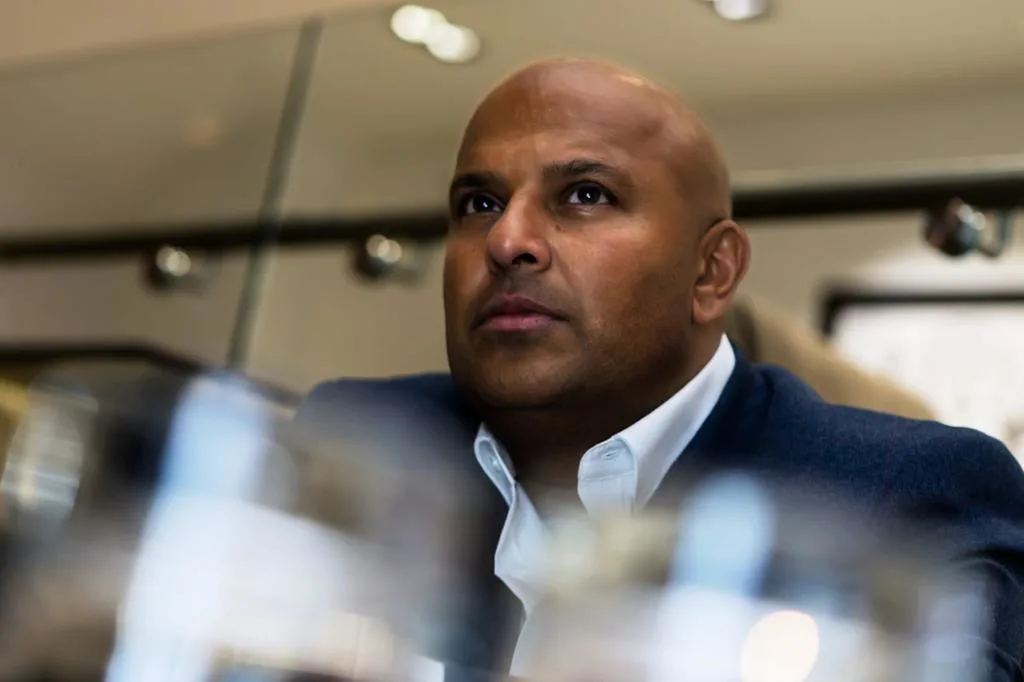
Main image: Workplace burnout is being reported by more than half of UK professionals, with understaffing, heavier workloads and low morale among the pressures cited in new research. Credit: Kaboompics.com/Pexels.
TOP STORIES
-
 Raining cats and dogs? Brits have 17 ways to describe a downpour – and some are downright bizarre
 -
Rare jewellery returns to Japan after 50 years as German museum lends historic treasures to Kyoto
-
Dan Brown drops tantalising hint about where his next thriller could be set
-
Anthropic warns AI could pose ‘existential risks’ as it files for stock market flotation
-
North Korean agents are infiltrating Western businesses by posing as employees, security chief warns
-
Route 66 turns 100 next month – and there’s never been a better excuse for Europeans to hit the road
-
Serbia erupts in celebration as student protesters end Vučić’s 14-year grip on power
-
Two killed as Storm Boelo batters Britain with 85mph winds and leaves 90,000 homes without power
-
Man arrested on suspicion of arson after fire destroys Hitler’s Eagle’s Nest retreat
-
Britain faces higher winter energy prices as reliance on European electricity imports grows
-
Andy Burnham to make special Gogglebox appearance for Stand Up To Cancer
-
WPSL Golf targets £120 million valuation as billionaire-backed corporate deals and other commercial deals drive explosive global growth
-
Hackers could bring Britain’s essential services to a standstill, security chief warns after global website shutdowns
-
We’re talking to almost twice as many people on the phone as a decade ago, study finds
-
TalkTalk sells majority stake in Telecom Acquisitions as founder Nigel Barnett regains control
-
Company closures soar ahead of tax rises as new Budget looms
-
An Italian affair – Stanley Johnson takes London’s society set on the Silk Road
-
Himalayan mountainside moved 40cm before avalanche killed 1,451 in Nepal, scientists reveal
-
Scientists and engineers quitting jobs as AI changes roles ‘beyond recognition’, study finds
-
UK profit warnings hit near two-year high as businesses struggle with rising costs
-
Microsoft pulls out of major UK AI data centre project amid power grid delays
-
Russia takes control of more European corporate assets amid Ukraine tensions
-
EU leaders resist calls to delay carbon rules as energy costs soar
-
‘A big step forward’ – PM Andy Burnham hails plans for Great British Railways HQ in Derby
-
UK economy grows just 0.1 per cent as construction falls and services stall