EU leaders resist calls to delay carbon rules as energy costs soar

John E. Kaye
- Published
- News
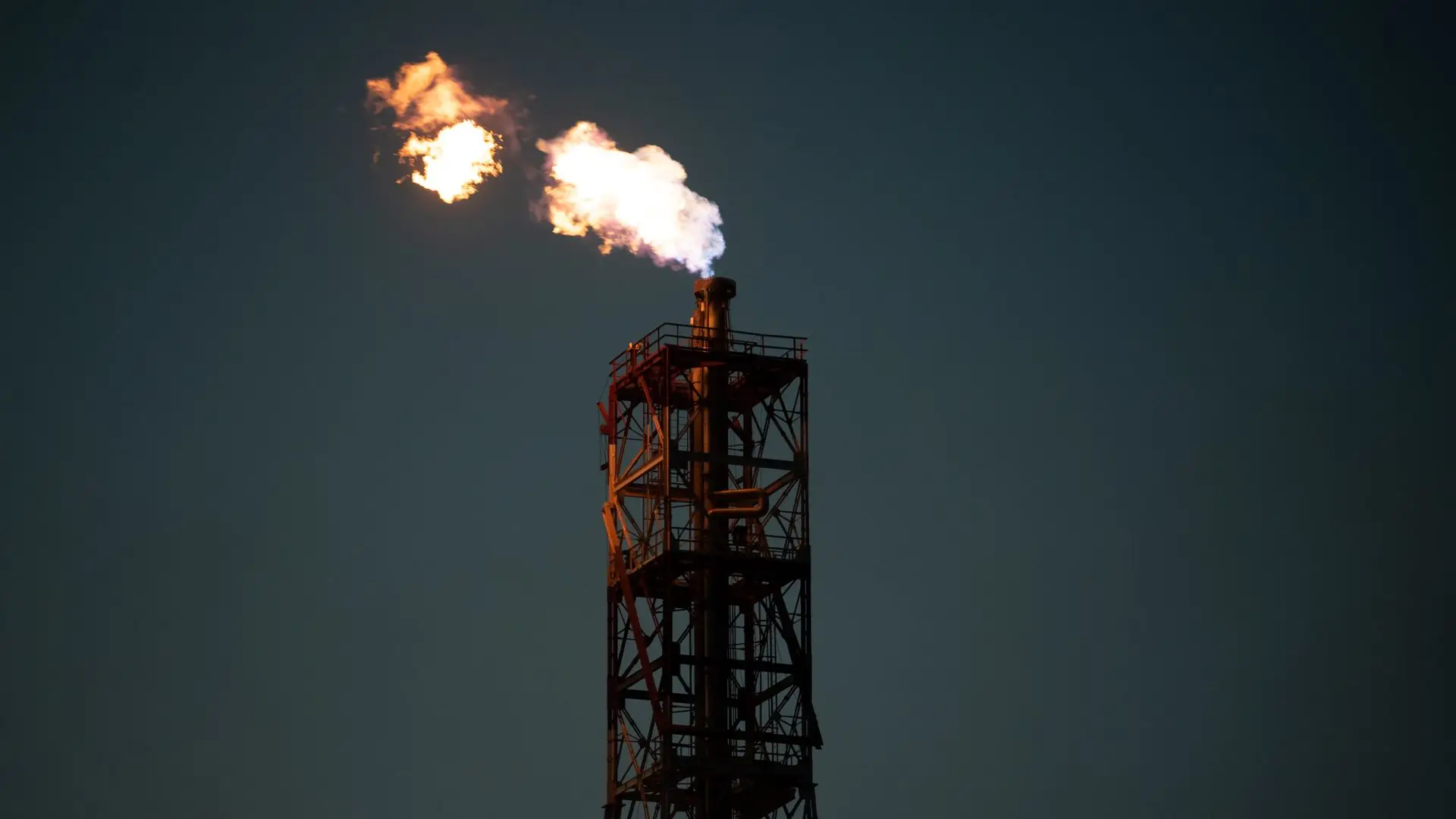
European governments remain divided over plans to extend emissions charges to transport and buildings, with Brussels ordering a fresh assessment while seeking measures to ease pressure on businesses and households
EU leaders have stopped short of delaying plans to extend carbon emissions charges to road transport and buildings, despite pressure from member states concerned about rising energy prices.
At a summit in Brussels on Thursday (October 15), governments agreed to review the impact of the new emissions trading system, known as ETS2, but made no commitment to postpone its planned introduction in 2028.
Italy, Poland, Hungary, Slovakia and the Czech Republic pushed for the scheme to be delayed until 2030, according to the Financial Times, arguing that additional charges could worsen the financial strain on businesses and households.
Germany, France and Spain opposed changing the timetable, with supporters of the existing arrangements arguing that weakening emissions rules could undermine investment in cleaner energy.
Under ETS2, companies supplying fuels used in buildings, road transport and certain smaller industries will be required to purchase allowances covering the carbon emissions generated by those fuels.
The scheme is designed to encourage cleaner energy use, but businesses and consumers could face higher costs if fuel suppliers pass on the price of emissions allowances.
The dispute comes amid a sharp increase in European energy prices following the conflict involving the United States, Israel and Iran.
European gas prices have risen by around 140 per cent since the conflict began, while diesel prices have doubled, according to the Financial Times.
The increases have intensified concerns over European industrial competitiveness, particularly among manufacturers and other businesses with high energy requirements.
In their official summit conclusions, published today (October 16), EU leaders called for urgent, coordinated measures to tackle high energy prices while recognising that individual countries face different pressures.
They welcomed the European Commission’s intention to extend temporary state aid arrangements for industries most exposed to rising costs and develop measures to improve the capacity and efficiency of European oil refineries.
The Commission also intends to introduce voluntary arrangements for combining energy purchasing requirements, potentially allowing participating countries or businesses to negotiate supplies collectively.
Leaders have instructed the Commission to examine further short-term measures, including action that takes account of differences in electricity prices between member states.
The summit has also called for faster progress on legislation governing the EU’s Market Stability Reserve, a mechanism designed to moderate excessive volatility in the market for carbon emissions allowances.
Separately, the Commission has been asked to update its assessment of ETS2, particularly the scheme’s design and safeguards.
EU leaders have also pressed for changes to the wider emissions trading system to reduce carbon price volatility and its impact on electricity prices, while retaining its role in encouraging investment in lower-carbon technology.
The European Council has reaffirmed the bloc’s commitment to reducing dependence on imported fossil fuels through faster electrification, renewable energy, improved electricity networks and energy storage.
READ MORE: Europe’s solar boom set for two-year slowdown after record growth. Installations are expected to decline in 2026 and 2027 before growth resumes as the industry turns increasingly to batteries, EV charging, heat pumps and AI-controlled energy systems.
Do you have news to share or expertise to contribute? The European welcomes insights from business leaders and sector specialists. Get in touch with our editorial team to find out more.
Main Image: Ulises Castillo / Pexels
TOP STORIES
-
 Russia takes control of more European corporate assets amid Ukraine tensions
 -
EU leaders resist calls to delay carbon rules as energy costs soar
-
‘A big step forward’ – PM Andy Burnham hails plans for Great British Railways HQ in Derby
-
UK economy grows just 0.1 per cent as construction falls and services stall
-
Germany risks losing €155bn a year under tighter AI data rules, new study warns
-
Pope Leo XIV diagnosed with lung cancer after surgery in Rome
-
France faces freezer meltdown as hackers strike supermarket chains
-
Bumble shares soar 50% amid $1bn takeover talks
-
China slump drives Volkswagen to sharpest quarterly fall in more than four years
-
Hollywood mega-powerhouse created as Paramount completes Warner Bros Discovery takeover
-
Gamers face gridlock as latest Grand Theft Auto download 'nears two days'
-
Samsung profits soar ninefold to record £61bn amid AI chip boom
-
New Springer books put the UN’s struggling sustainability goals to the real-world test
-
Europe’s solar boom set for two-year slowdown after record growth
-
Let it pea. Musicians turn vegetables into instruments at Beatles' Abbey Road studios
-
Golden naked Trump statue unveiled at European Parliament
-
Jaguar puts controversial rebrand on the road with £130K 1,030PS Type 01
-
Deepfakes and identity fraud drive new wave of post-hire background checks
-
Spain crowned Europe’s top retirement destination
-
More than half of UK professionals report workplace burnout
-
More than 1.2m English drivers may have eyesight too poor for the road, study finds
-
David Reuben, Britain’s second richest person, leaves London for Monaco
-
UK prisoner release plan faces a major lag as tougher rules risk sending inmates back to jail
-
Brits trust AI with their health but not their money
-
Britain still hungry for Italian food as exports hit €4.56bn despite Brexit