China slump drives Volkswagen to sharpest quarterly fall in more than four years

John E. Kaye
- Published
- News
German carmaker’s worldwide deliveries dropped sharply in the third quarter as a severe contraction in China outweighed growth elsewhere
Volkswagen Group has recorded its sharpest quarterly decline in global vehicle deliveries in more than four years as demand in China slumps.
Global vehicle deliveries have fallen 14.3 per cent in the third quarter to 1.89 million vehicles, according to new figures released by the German carmaker.
A contraction of the Chinese market has driven much of the decline, with quarterly deliveries falling 38.5 per cent to 405,800 vehicles as Volkswagen faces weaker demand and stronger competition from domestic manufacturers.
Deliveries also fell 5.8 per cent in North America and 2.8 per cent in Western Europe, although Central and Eastern Europe recorded growth of 1.4 per cent.
Volkswagen has delivered 6.01 million vehicles worldwide during the first nine months of 2026, down 9 per cent from 6.60 million during the same period last year.
China has accounted for most of the year-to-date decline, with deliveries there down 30.2 per cent to 1.38 million vehicles.
Among the brands owned by the Volkswagen Group, Volkswagen Passenger Cars recorded a 19.3 per cent fall in third-quarter deliveries, while Audi was down 19.7 per cent and Porsche fell 15 per cent.
Škoda deliveries were broadly unchanged, rising 0.2 per cent, while Lamborghini increased deliveries by 4.1 per cent.
The wider regional picture has been more resilient outside China.
Volkswagen’s deliveries in Western Europe rose 1.1 per cent during the first nine months of the year, while Central and Eastern Europe increased 5.3 per cent.
South American deliveries rose 4.3 per cent to 502,500 vehicles, while North American deliveries fell 4 per cent to 680,200.
Discussing the pressures in the company’s third-quarter delivery statement, Martin Sander, a member of Volkswagen Group’s Extended Executive Committee for Sales, said: “The sharp decline in the overall market in China remains an industry-wide challenge.”
The deterioration in China comes as other German manufacturers face similar pressure.
Porsche and Mercedes-Benz have also reported weaker Chinese deliveries, while Volkswagen’s global quarterly decline was its steepest since a 22.4 per cent fall in the second quarter of 2022.
Competition is also increasingly moving into Volkswagen’s home market, with around 20 Chinese brands attending this year’s Paris Motor Show, twice the number present in 2024.
Volkswagen is due to publish its interim financial report for the first nine months of 2026 on October 29.
Electric vehicles have produced a different picture across the group’s major markets.
Volkswagen’s global deliveries of battery-electric vehicles fell 4.7 per cent during the third quarter to 240,200 vehicles, but European deliveries rose 19.6 per cent to 209,100.
Battery-electric deliveries in China fell 30.1 per cent during the quarter, while deliveries in the United States dropped 86.4 per cent.
However, broader electrified deliveries – which include plug-in hybrid and range-extender vehicles – rose by around 30 per cent in China, with Volkswagen saying they are currently in strong demand.
Sander added that Volkswagen’s new locally developed electric models were also beginning to gain traction in China.
“Our new, locally developed electric models are beginning to make an impact,” he said.
The group’s electric-vehicle order book in Europe has doubled since the end of 2025, while orders rose by more than 60 per cent in the third quarter compared with the same period last year.
Around one in five Volkswagen Group vehicles delivered in Europe during the first nine months of the year was fully electric, while battery-electric models accounted for around 40 per cent of its order book.
Volkswagen said its new Electric Urban Car Family had attracted nearly 150,000 orders, with the company pointing to high fuel prices and a broader range of cheaper electric models as factors behind the stronger European demand.
Škoda has been one of the strongest performers within Volkswagen’s electric line-up.
Its Elroq was the group’s best-selling battery-electric model during the first nine months of the year with 92,200 deliveries, followed by the Volkswagen ID.4 and ID.5 with a combined 81,900.
The Škoda Enyaq recorded 72,700 deliveries, while Volkswagen delivered 61,100 ID.3 models and Audi recorded 50,400 Q6 e-tron models.
Across all markets, deliveries of plug-in hybrid and range-extender vehicles have risen around 23 per cent during the first nine months.
READ MORE: Jaguar puts controversial rebrand on the road with £130K 1,030PS Type 01. British carmaker finally reveals the production model behind its radical new image – a £130,000 electric GT capable of 0–62mph in 3.2 seconds and an anticipated range of up to 450 miles.
Do you have news to share or expertise to contribute? The European welcomes insights from business leaders and sector specialists. Get in touch with our editorial team to find out more.
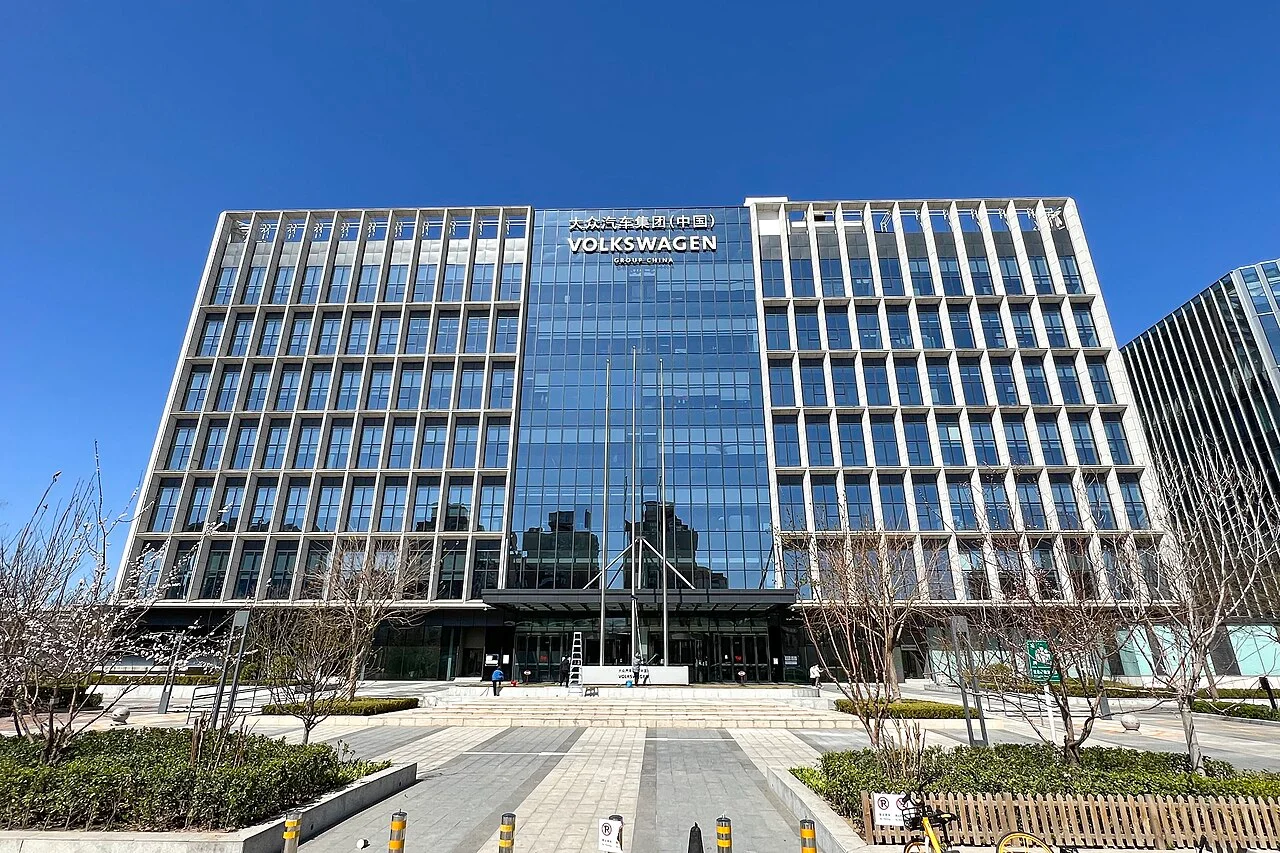
Main Image: Volkswagen Group’s China headquarters in Beijing. Photo: N509FZ / Wikimedia Commons, CC BY-SA 4.0.
TOP STORIES
-
 China slump drives Volkswagen to sharpest quarterly fall in more than four years
 -
Hollywood mega-powerhouse created as Paramount completes Warner Bros Discovery takeover
-
Gamers face gridlock as latest Grand Theft Auto download 'nears two days'
-
Samsung profits soar ninefold to record £61bn amid AI chip boom
-
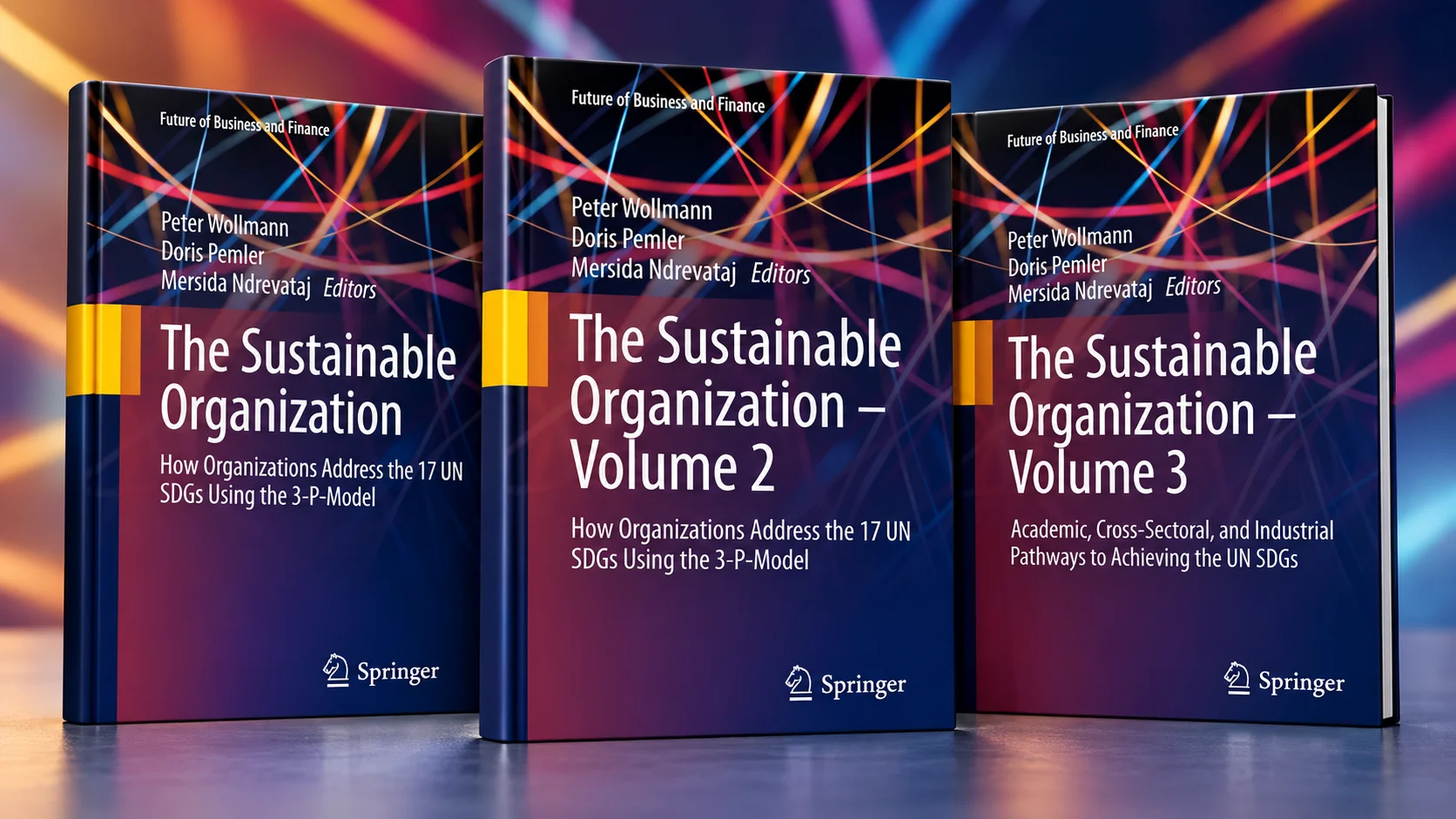
New Springer books put the UN’s struggling sustainability goals to the real-world test
-
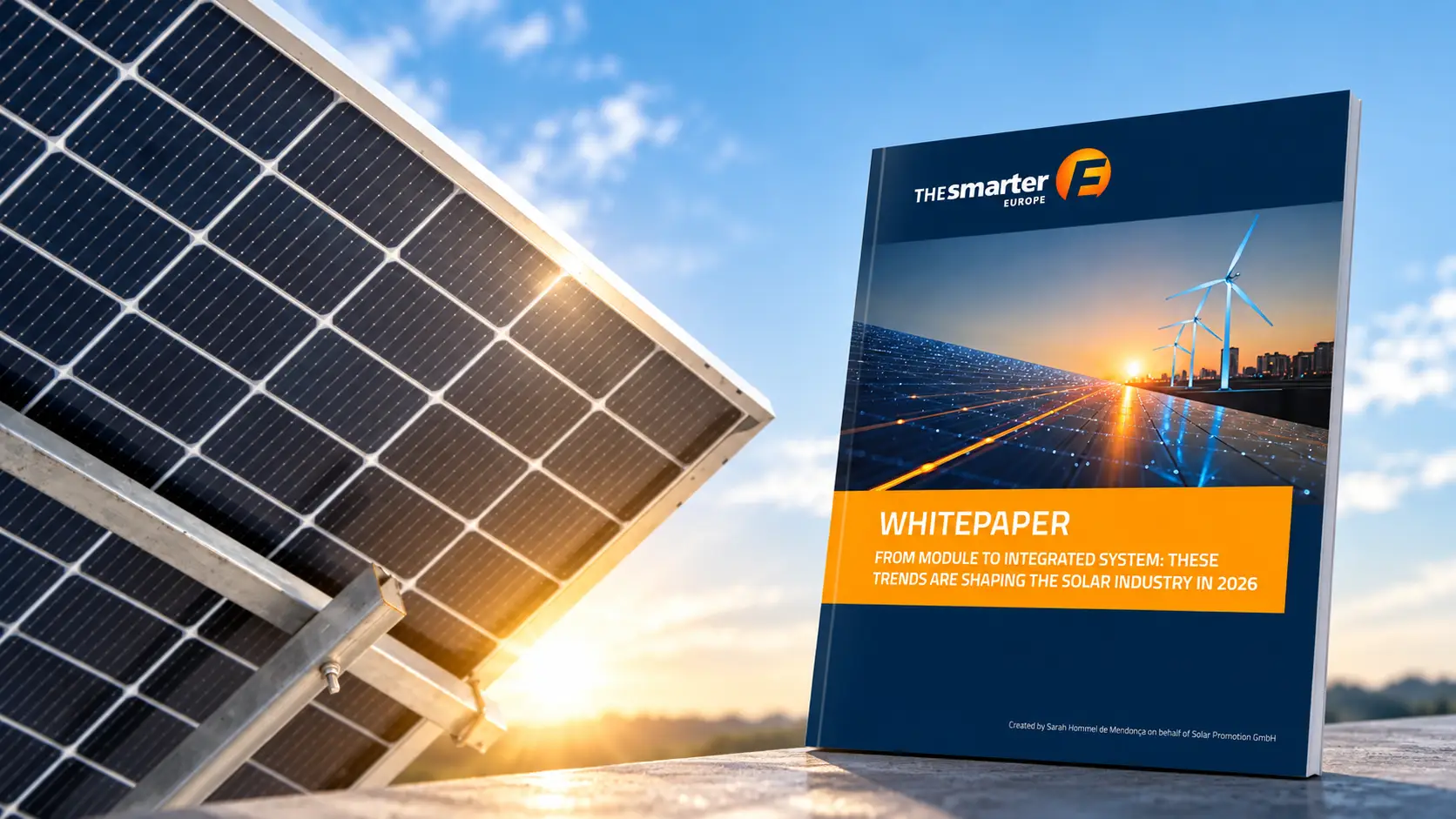
Europe’s solar boom set for two-year slowdown after record growth
-
Let it pea. Musicians turn vegetables into instruments at Beatles' Abbey Road studios
-
Golden naked Trump statue unveiled at European Parliament
-
Jaguar puts controversial rebrand on the road with £130K 1,030PS Type 01
-
Deepfakes and identity fraud drive new wave of post-hire background checks
-
Spain crowned Europe’s top retirement destination
-
More than half of UK professionals report workplace burnout
-
More than 1.2m English drivers may have eyesight too poor for the road, study finds
-
David Reuben, Britain’s second richest person, leaves London for Monaco
-
UK prisoner release plan faces a major lag as tougher rules risk sending inmates back to jail
-
Brits trust AI with their health but not their money
-
Britain still hungry for Italian food as exports hit €4.56bn despite Brexit
-
Women who earn more than their partners still pay the price at work, landmark study finds
-
Vape expectations go up in smoke as new UK tax sparks fury
-
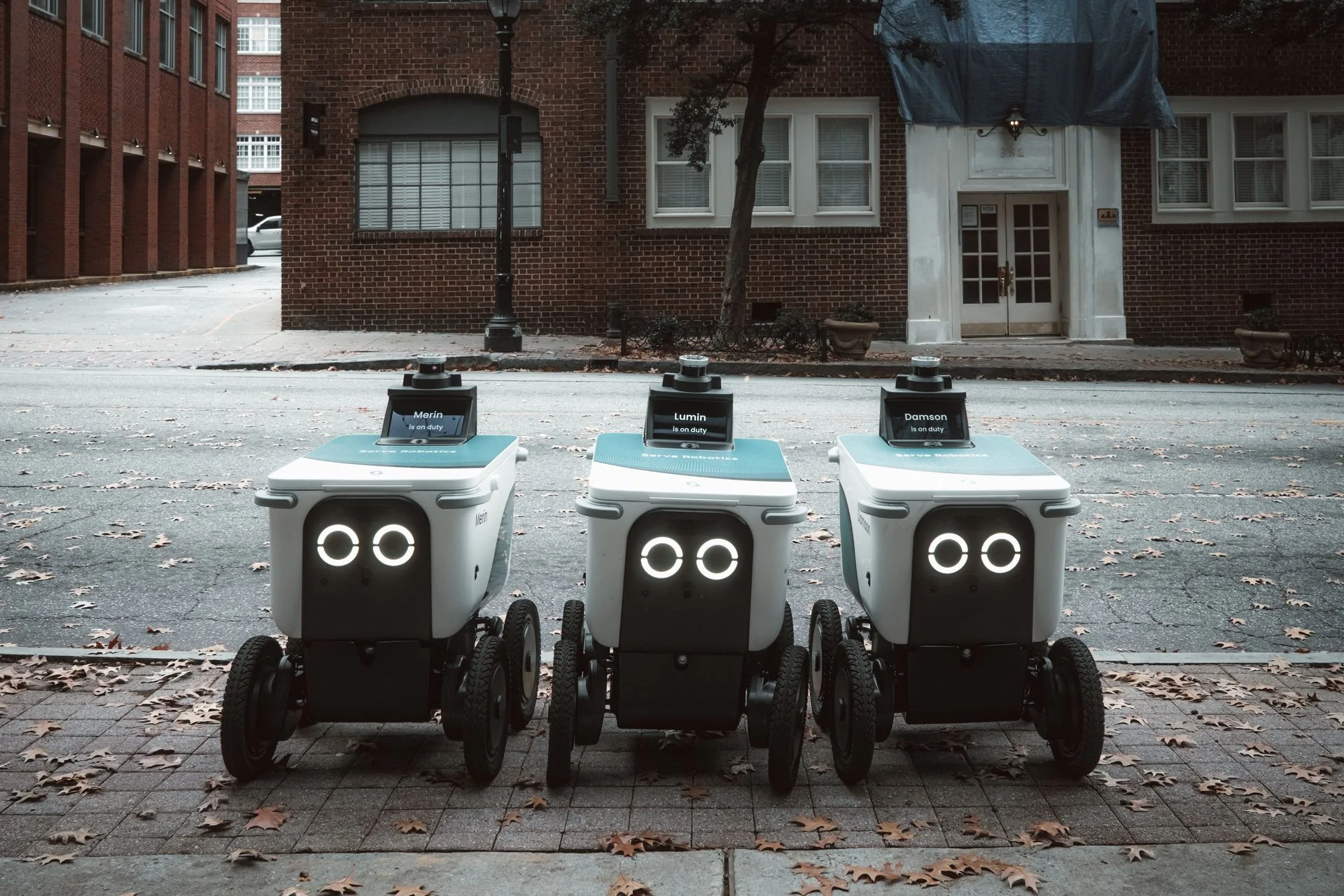
Robot sales rocket 24% as 250,000 machines snap up jobs in warehouses, hotels and hospitals
-
New-build homeowners should not be left with ‘mud and a fence’, campaigners warn
-
Bank of England governor warns AI poses growing ‘increasingly significant’ threat to financial stability
-
UK economy grows faster than first thought as household incomes bounce back
-
UK unveils ‘Great British Grid’ in bid to cut energy bills
-
British Chambers unite against 'Made in Europe' rules amid fears for UK industry