
UK economy grows just 0.1 per cent as construction falls and services stall

John E. Kaye
- Published
- News, Real Estate
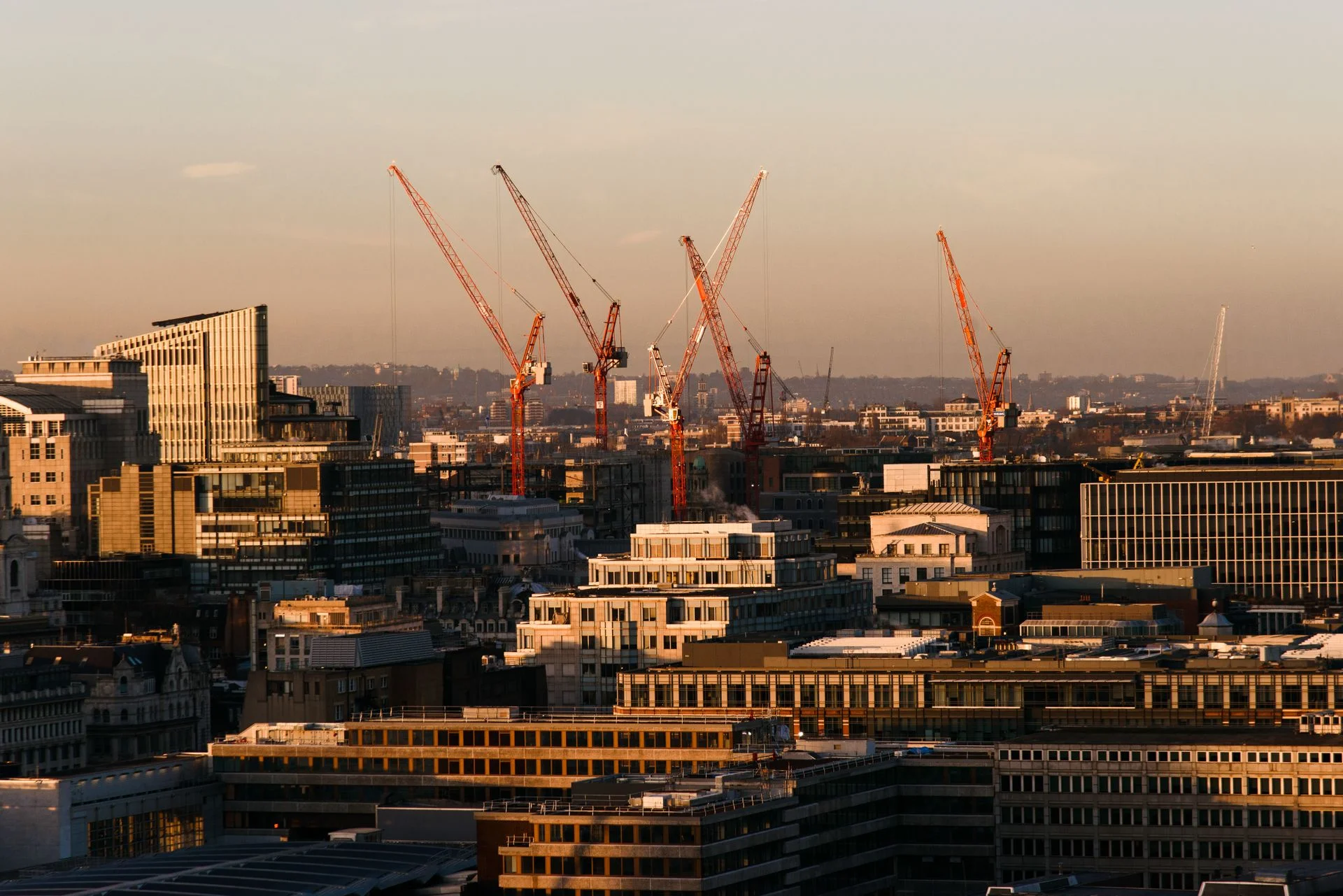
Official figures show Britain narrowly avoided another month of stagnation in August, with manufacturing helping to keep the economy growing despite falling construction output and a slowdown in services
The UK economy grew by just 0.1 per cent in August as construction activity fell for the fourth consecutive month and the services sector recorded no growth, according to official figures released today.
The modest increase followed growth of 0.4 per cent in both June and July, with a rise in manufacturing and other industrial activity helping to keep the economy moving.
Figures published today by the Office for National Statistics (ONS) show that gross domestic product (GDP) increased by 0.7 per cent in the three months to August, compared with the previous three-month period.
The increase followed growth of 0.5 per cent in the three months to July and 0.5 per cent in the three months to June, with both earlier quarterly comparisons revised upwards.
Manufacturing output grew by 1.2 per cent in August, supported by a 5.1 per cent increase in the manufacture of pharmaceutical products and a 1.8 per cent rise in transport equipment production.
Mining and quarrying output rose by 1.4 per cent, helping the wider production sector grow by 0.8 per cent during the month.
The services sector, which accounts for the largest share of the British economy, recorded no growth in August after expanding by 0.5 per cent in both June and July.
Only four of its 14 subsectors reported growth during the month, with wholesale trade providing the largest positive contribution.
Wholesale activity grew by 3.8 per cent after five consecutive monthly declines, although output remained 1.6 per cent below its February level.
Professional, scientific and technical activities also expanded by 1.5 per cent, including growth of 3.3 per cent in legal services and 2.6 per cent in advertising and market research.
However, administrative and support services contracted by 1.7 per cent, with rental and leasing activities falling by 2.4 per cent and employment activities declining by 1.4 per cent.
Consumer-facing services, including retail, hospitality and leisure, fell by 0.3 per cent in August following a 0.1 per cent decline in July.
Sports, amusement and recreation activities recorded a 7.1 per cent drop in output, while food and drink services fell by 2.7 per cent.
The construction industry also continued to struggle, with output declining by 0.2 per cent in August, its fourth consecutive monthly fall.
New construction work contracted by 0.7 per cent, including a 1.9 per cent decline in private housebuilding, although repair and maintenance activity grew by 0.4 per cent.
Across the three months to August, construction output fell by 1 per cent, including a 3.2 per cent reduction in new private housing work and a 1.9 per cent fall in non-housing repairs and maintenance.
Despite the weakness in construction and the flat monthly performance of services, the economy recorded stronger growth over the wider three-month period.
Services output increased by 0.9 per cent in the three months to August, supported by a 2.8 per cent rise in professional, scientific and technical activities and a 2.8 per cent increase in information and communication.
Computer programming, consultancy and related activities grew by 5 per cent over the period, with accounting, bookkeeping and auditing activities also contributing to growth.
Administrative and support services expanded by 3 per cent during the three months, including increases in rental and leasing activities and services to buildings and landscapes.
The production sector contracted by 0.2 per cent over the same period, despite its recovery in August.
Manufacturing recorded growth of just 0.1 per cent across the three months, with computer, electronic and optical products increasing by 3.5 per cent, while basic metals and metal products declined by 2.7 per cent.
Overall GDP was 1.8 per cent higher in the three months to August than during the same period in 2025, the strongest equivalent annual comparison since the three months to October 2022.
Compared with August last year, monthly GDP was 2.1 per cent higher, also its strongest annual increase since August 2022.
Professional, scientific and technical activities, alongside information and communication, made the largest contributions to growth over the past year.
Computer programming, consultancy and related activities contributed 0.32 percentage points to annual GDP growth, followed by legal services at 0.22 percentage points, scientific research and development at 0.18 percentage points, and advertising and market research at 0.11 percentage points.
The latest figures also include revisions to earlier estimates of economic activity, with June’s monthly GDP growth revised upwards from 0.3 to 0.4 per cent.
July’s growth remained unchanged at 0.4 per cent, although construction output for that month was revised from an increase of 0.1 per cent to a fall of 0.5 per cent.
Separate indicators published by the statistics agency also point to weaker consumer demand and housing activity in September.
Retail footfall fell compared with the previous month and was slightly below the same period last year, while new property listings remained lower and homes were taking longer to sell.
The ONS also reported that wholesale electricity and gas prices remained more than double their levels a year earlier, with fuel costs continuing to increase.
In a survey conducted in late September, 73 per cent of businesses expressed concern about rising fuel prices, while 72 per cent were worried about energy costs.
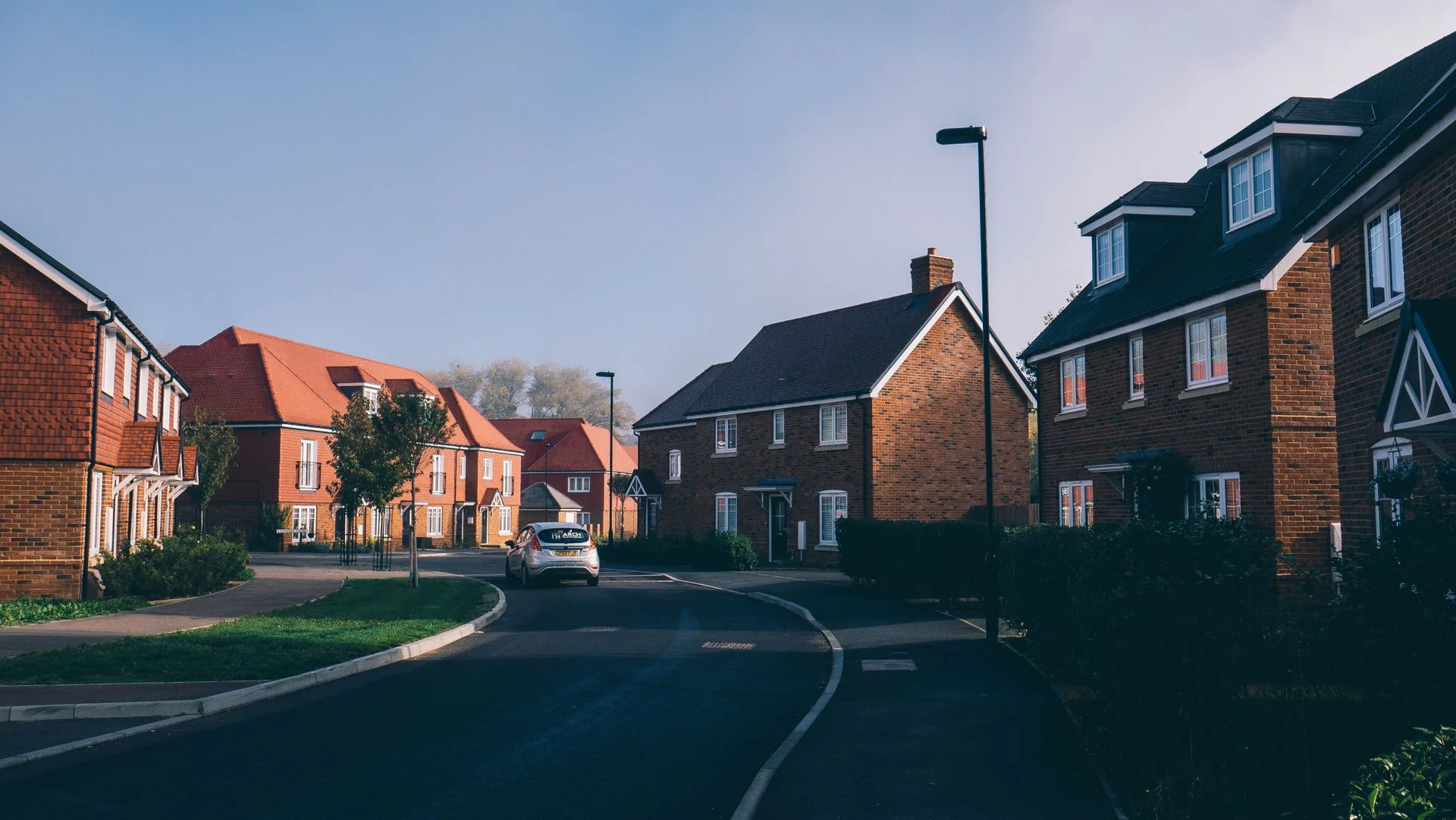
READ MORE: New-build homeowners should not be left with ‘mud and a fence’, campaigners warn. New national campaign calls for minimum garden standards as more than 1M new outdoor spaces could be created across Britain in the coming years.
Do you have news to share or expertise to contribute? The European welcomes insights from business leaders and sector specialists. Get in touch with our editorial team to find out more.
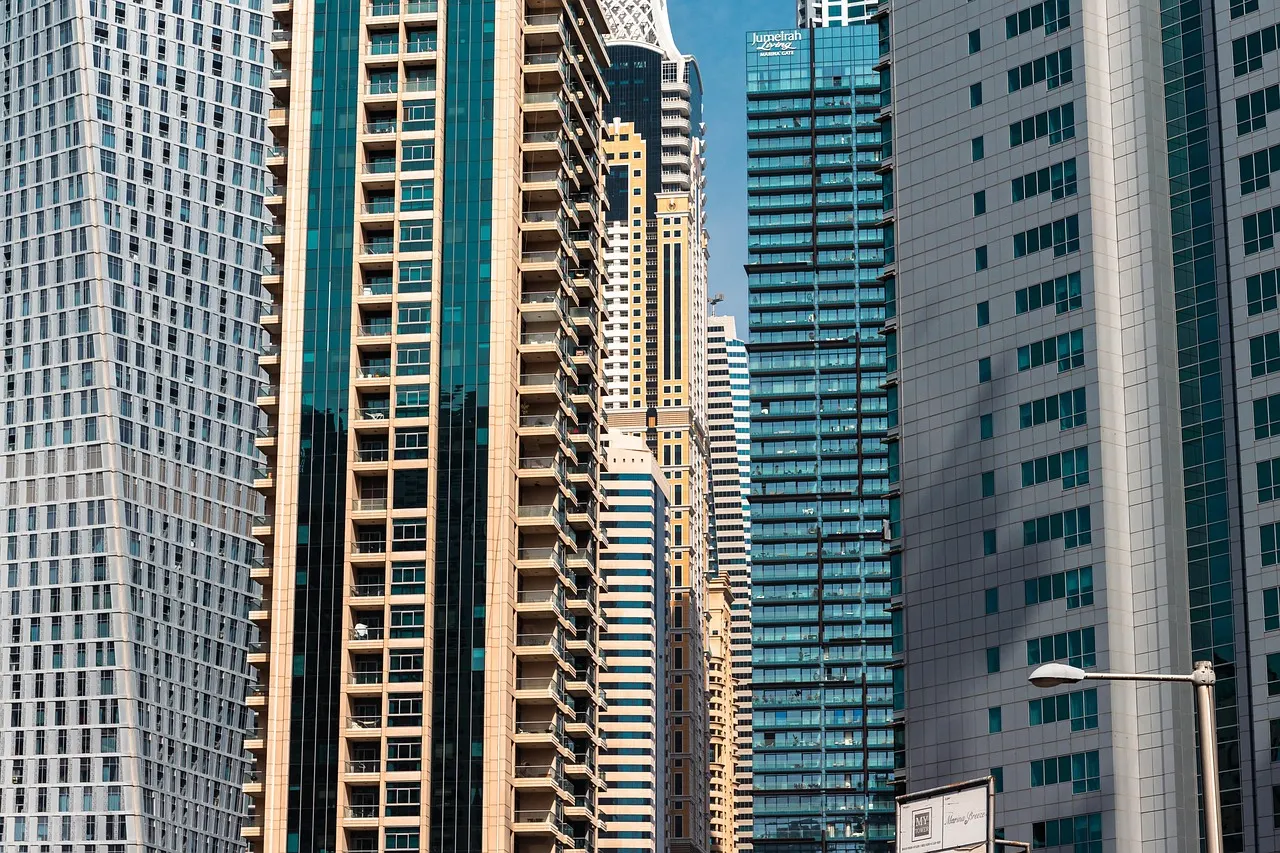
Main image: Construction activity in Britain fell for the fourth consecutive month in August, with output down 0.2 per cent as private housebuilding declined. The UK economy grew by just 0.1 per cent overall, according to the Office for National Statistics. Credit: Olga Lioncat / Pexels.
TOP STORIES
-
 UK economy grows just 0.1 per cent as construction falls and services stall
 -
New-build homeowners should not be left with ‘mud and a fence’, campaigners warn
-
Housing costs hit recruitment at 77% of large London firms, survey finds
-
Could this turnkey development be one of Europe’s smartest serviced apartment investments right now?
-
EXPO REAL adds infrastructure as property investors seek safer long-term returns
-
EU banking rules could drive up cost of new homes and green renovations, property chiefs warn
-
British buyers fuel Greek luxury property boom after non-dom tax change
-
Could this mile-long floating city become the world’s most extreme property market?
-
Three property trade bodies merge to create stronger lobbying voice for landlords and investors
-
New 235-room hotel planned for Dublin’s Liberties after €54.2m funding deal
-
Scotland’s oldest heritage charity launches £1.5m appeal to buy permanent Edinburgh home
-
Where Britain’s super-rich are buying as the nation’s priciest streets are revealed
-
Dubai office values reportedly double to AED 13.1bn amid supply shortfall
-
€60m Lisbon golf-resort scheme tests depth of Portugal’s upper-tier housing demand
-
Meet Abbas Sajwani: the young founder redefining luxury real estate in Dubai
-
Marriott strengthens South African portfolio with new Autograph Collection hotel in Cape Town
-
JPMorgan plans multibillion-pound tower in Canary Wharf
-
Housing expert calls for bold EU fund to unlock cheaper homes
-
Saudis pitch trillion-dollar property boom to global investors
-
KAPPE and Limehome back sustainable living in Braunschweig’s new business hub
-
Dar Global unveils $1bn Trump Plaza Jeddah in second Saudi venture with Trump Organization
-
Europe’s property market shows fragile recovery as EXPO REAL survey highlights housing demand and policy strain
-
Investors eye UAE as Belt and Road real estate gateway for Asia
-
Mitsubishi Estate’s £800m South Bank scheme to deliver 4,000 jobs
-
AHS Properties bets on boutique exclusivity as Dubai’s luxury market booms





UK economy grows just 0.1 per cent as construction falls and services stall
John E. Kaye
- Published
- News, Real Estate
TOP STORIES
-
UK economy grows just 0.1 per cent as construction falls and services stall
-
New-build homeowners should not be left with ‘mud and a fence’, campaigners warn
-
Housing costs hit recruitment at 77% of large London firms, survey finds
-
Could this turnkey development be one of Europe’s smartest serviced apartment investments right now?
-
EXPO REAL adds infrastructure as property investors seek safer long-term returns
-
EU banking rules could drive up cost of new homes and green renovations, property chiefs warn
-
British buyers fuel Greek luxury property boom after non-dom tax change
-
Could this mile-long floating city become the world’s most extreme property market?
-
Three property trade bodies merge to create stronger lobbying voice for landlords and investors
-
New 235-room hotel planned for Dublin’s Liberties after €54.2m funding deal
-
Scotland’s oldest heritage charity launches £1.5m appeal to buy permanent Edinburgh home
-
Where Britain’s super-rich are buying as the nation’s priciest streets are revealed
-
Dubai office values reportedly double to AED 13.1bn amid supply shortfall
-
€60m Lisbon golf-resort scheme tests depth of Portugal’s upper-tier housing demand
-
Meet Abbas Sajwani: the young founder redefining luxury real estate in Dubai
-
Marriott strengthens South African portfolio with new Autograph Collection hotel in Cape Town
-
JPMorgan plans multibillion-pound tower in Canary Wharf
-
Housing expert calls for bold EU fund to unlock cheaper homes
-
Saudis pitch trillion-dollar property boom to global investors
-
KAPPE and Limehome back sustainable living in Braunschweig’s new business hub
-
Dar Global unveils $1bn Trump Plaza Jeddah in second Saudi venture with Trump Organization
-
Europe’s property market shows fragile recovery as EXPO REAL survey highlights housing demand and policy strain
-
Investors eye UAE as Belt and Road real estate gateway for Asia
-
Mitsubishi Estate’s £800m South Bank scheme to deliver 4,000 jobs
-
AHS Properties bets on boutique exclusivity as Dubai’s luxury market booms



