More than 1.2m English drivers may have eyesight too poor for the road, study finds

John E. Kaye
- Published
- News

Roadside checks found dozens of motorists unable to read a number plate from the legal distance – with two-thirds of those who failed not wearing the glasses they needed to drive
More than 1.2 million motorists in England could be driving with eyesight below the legal standard, according to a major roadside study.
Police forces across England, Scotland and Wales carried out eyesight checks on 3,778 drivers, asking them to read a number plate from the legally required distance of 20 metres.
The failure rate was 2.6 per cent in England, which researchers calculated would equate to more than 1.2 million English licence holders if reflected across the wider driving population. Scotland recorded a 3.2 per cent failure rate and Wales 0.5 per cent.
Overall, 59 drivers failed the roadside sight test outright and 105 received eyesight-related advice.
Some 1.3 per cent of those tested had their licence revoked, including 23 whose licences were withdrawn immediately.
Two-thirds of drivers who failed were not wearing glasses they needed for driving when police stopped them.
One motorist reported for an eyesight offence could read a number plate only from 7.4 metres – less than half the legal distance – before subsequently passing the test when wearing the glasses they should have had on.
And almost a third of motorists surveyed, 31.5 per cent, said they had not had an eye examination in the previous two years. Among those who failed the number plate test, that rose to 42 per cent.
Older drivers recorded especially high failure rates, with 7.3 per cent of those aged over 80 unable to pass the roadside screening.
UK drivers must be able to read a modern number plate from 20 metres in good daylight, using glasses or contact lenses if necessary. They must also have visual acuity of at least 6/12 on the Snellen scale and an adequate field of vision.
Dr Carol Hawley, of Warwick Medical School, who analysed the data, said: “While most drivers passed, 105 required eyesight-related advice, and 59 drivers failed outright.
“Some of those who failed the number plate test avoided a driving ban only because they had corrective glasses available to pass a second attempt.”
The study was conducted by the University of Warwick, Older Drivers Forum and Eye Health UK.
David Cartwright, optometrist and chair of Eye Health UK, warned that even relatively small changes in vision could affect reaction times and a driver’s ability to spot hazards.
He added: “Having regular eye tests, every two years or sooner if you notice a change in your vision is essential to keep you and other road users safe.”
READ MORE: Stranded drivers could soon call for help even with no mobile signal. Toyota has tested technology that sends spoken messages through satellites when ordinary mobile coverage disappears, potentially allowing motorists to seek help from remote roads and other blackspots.
Do you have news to share or expertise to contribute? The European welcomes insights from business leaders and sector specialists. Get in touch with our editorial team to find out more.
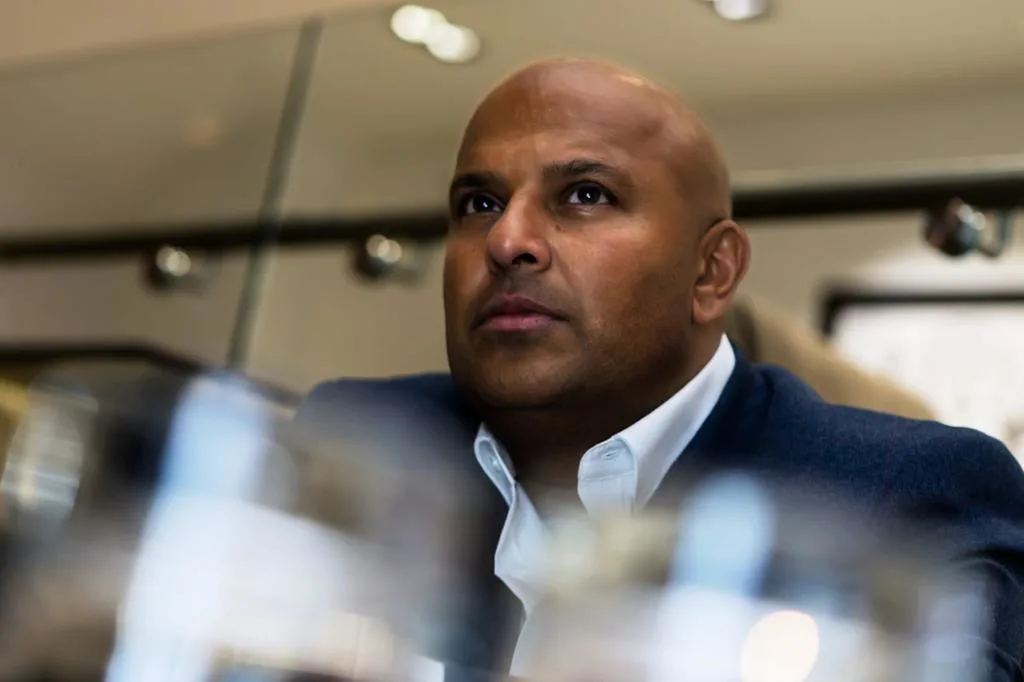
Main image: A major roadside study found that some motorists are driving with eyesight below the legal standard, with two-thirds of those who failed not wearing the glasses they needed. Credit: Levent Simsek / Pexels
TOP STORIES
-
 North Korean agents are infiltrating Western businesses by posing as employees, security chief warns
 -
Route 66 turns 100 next month – and there’s never been a better excuse for Europeans to hit the road
-
Serbia erupts in celebration as student protesters end Vučić’s 14-year grip on power
-
Two killed as Storm Boelo batters Britain with 85mph winds and leaves 90,000 homes without power
-
Man arrested on suspicion of arson after fire destroys Hitler’s Eagle’s Nest retreat
-
Britain faces higher winter energy prices as reliance on European electricity imports grows
-
Andy Burnham to make special Gogglebox appearance for Stand Up To Cancer
-
WPSL Golf targets £120 million valuation as billionaire-backed corporate deals and other commercial deals drive explosive global growth
-
Hackers could bring Britain’s essential services to a standstill, security chief warns after global website shutdowns
-
We’re talking to almost twice as many people on the phone as a decade ago, study finds
-
TalkTalk sells majority stake in Telecom Acquisitions as founder Nigel Barnett regains control
-
Company closures soar ahead of tax rises as new Budget looms
-
An Italian affair – Stanley Johnson takes London’s society set on the Silk Road
-
Himalayan mountainside moved 40cm before avalanche killed 1,451 in Nepal, scientists reveal
-
Scientists and engineers quitting jobs as AI changes roles ‘beyond recognition’, study finds
-
UK profit warnings hit near two-year high as businesses struggle with rising costs
-
Microsoft pulls out of major UK AI data centre project amid power grid delays
-
Russia takes control of more European corporate assets amid Ukraine tensions
-
EU leaders resist calls to delay carbon rules as energy costs soar
-
‘A big step forward’ – PM Andy Burnham hails plans for Great British Railways HQ in Derby
-
UK economy grows just 0.1 per cent as construction falls and services stall
-
Germany risks losing €155bn a year under tighter AI data rules, new study warns
-
Pope Leo XIV diagnosed with lung cancer after surgery in Rome
-
France faces freezer meltdown as hackers strike supermarket chains
-
Bumble shares soar 50% amid $1bn takeover talks