UK prisoner release plan faces a major lag as tougher rules risk sending inmates back to jail

John E. Kaye
News & Features
- Published
- News
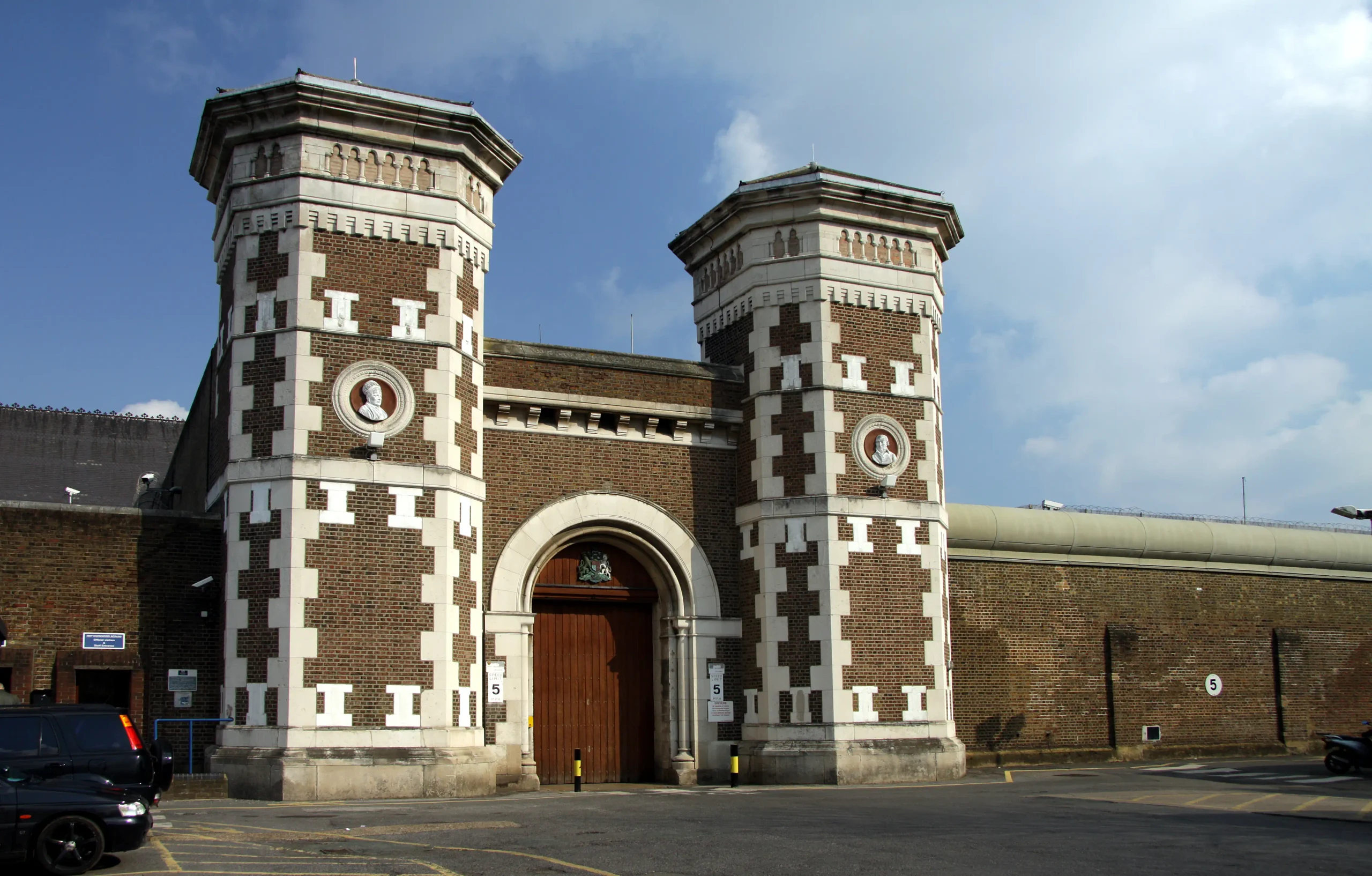
Around 700 UK prisoners were released early yesterday under new sentencing rules, but campaigners warn that tougher restrictions, soaring recall rates and an overstretched probation service could send many straight back behind bars
Hundreds of prisoners freed early yesterday could soon find themselves back behind bars because of soaring recall rates and tough new licence conditions, a justice campaign group has warned.
Around 700 inmates were expected to be released across England and Wales under the Government’s new sentencing arrangements, designed to tackle chronic overcrowding. Thousands more are due to follow over the coming months.
Under the Sentencing Act 2026, many eligible prisoners serving standard determinate sentences can now be released after serving a third of their sentence, rather than the previous 40 or 50 per cent. Different rules apply to certain serious offenders, while others are excluded from the scheme altogether.
New powers also mean probation officers can confine certain high-risk offenders to areas just a few miles wide and ban them from pubs, clubs, football matches and other public events.
Electronic tagging is also being expanded, with a new presumption that offenders will be monitored on release. Random drug testing is due to follow next year.
But critics fear the additional restrictions introduced to supervise offenders could undermine the scheme by sending prisoners back to jail for breaching their release conditions.
The warning comes as Ministry of Justice figures reveal 13,193 licence recalls between January and March this year, a 31 per cent increase on the same period in 2025.
The number recalled exceeded the 12,977 prisoners released from custodial sentences during the quarter, illustrating the pressure already facing the prison system.
Campaign group Inside Out Justice argues that longer periods under supervision, combined with additional restrictions, could increase the number of offenders returned to custody, including some who have committed no new offence.
Its founder, Scott Dylan, said: “Today the front door of our prisons opens a little wider, but the back door is already spinning faster. Recalls rose by more than 11,000 in a single year; this scheme will release around 4,500 people by next summer. You do not need to be an economist to see which number wins.”
Inside Out Justice is now calling for an independent review of recall decisions, greater use of community sanctions for technical licence breaches and additional investment in probation services and housing for former prisoners.
It also wants guarantees that offenders will not be recalled because of delayed electronic tagging or a lack of approved accommodation, alongside monthly publication of recall figures as the release scheme progresses.
The Ministry of Justice says the tighter restrictions are designed to protect victims and the public. It has pledged to deliver 14,000 prison places over five years, with more than 3,300 already completed.
The Government has also announced an investment of up to £700 million in probation and community punishment, including £100 million to expand electronic monitoring, alongside plans to recruit 1,300 additional probation staff.
READ MORE: The dangerous precedent behind the Shabir Ahmed deportation row. Calls to deport Rochdale grooming gang ringleader Shabir Ahmed may be politically understandable, but rewriting Section 7 of the Immigration Act to achieve that outcome could permanently weaken long-standing legal protections for Commonwealth citizens, warns Dr Raj Joshi.
Do you have news to share or expertise to contribute? The European welcomes insights from business leaders and sector specialists. Get in touch with our editorial team to find out more.
Main image: The main gates of HMP Wormwood Scrubs in London. Around 700 prisoners are being released early under new sentencing rules, prompting warnings that tougher licence conditions and rising recall rates could undermine efforts to ease overcrowding. Credit: Chmee2 / Wikimedia Commons, CC BY-SA 3.0
TOP STORIES
-
 We're talking to almost twice as many people on the phone as a decade ago, study finds
-
TalkTalk sells majority stake in Telecom Acquisitions as founder Nigel Barnett regains control
-
Company closures soar ahead of tax rises as new Budget looms
-
France calls in army after riots sweep cities
-
An Italian affair – Stanley Johnson takes London's society set on the Silk Road
-
Himalayan mountainside moved 40cm before avalanche killed 1,451 in Nepal, scientists reveal
-
Scientists and engineers quitting jobs as AI changes roles ‘beyond recognition’, study finds
-
UK profit warnings hit near two-year high as businesses struggle with rising costs
-
Microsoft pulls out of major UK AI data centre project amid power grid delays
-
Russia takes control of more European corporate assets amid Ukraine tensions
-
EU leaders resist calls to delay carbon rules as energy costs soar
-
‘A big step forward’ – PM Andy Burnham hails plans for Great British Railways HQ in Derby
-
UK economy grows just 0.1 per cent as construction falls and services stall
-
Germany risks losing €155bn a year under tighter AI data rules, new study warns
-
Pope Leo XIV diagnosed with lung cancer after surgery in Rome
-
France faces freezer meltdown as hackers strike supermarket chains
-
Bumble shares soar 50% amid $1bn takeover talks
-
China slump drives Volkswagen to sharpest quarterly fall in more than four years
-
Hollywood mega-powerhouse created as Paramount completes Warner Bros Discovery takeover
-
Gamers face gridlock as latest Grand Theft Auto download 'nears two days'
-
Samsung profits soar ninefold to record £61bn amid AI chip boom
-
New Springer books put the UN’s struggling sustainability goals to the real-world test
-
Europe’s solar boom set for two-year slowdown after record growth
-
Let it pea. Musicians turn vegetables into instruments at Beatles' Abbey Road studios
-
Golden naked Trump statue unveiled at European Parliament