In the third instalment of his Diving in to… series for The European, ultra-endurance swimmer Ben Hooper swaps Berlin’s lakes and the Isle of Wight’s shores for the wild rivers, serene lakes and tidal pools of England’s glorious West Country
British summertime has well and truly arrived, and on the back of a rare heatwave the West of England – home to cream teas, rolling hills, and breathtaking scenery – is basking in brilliant sunshine.
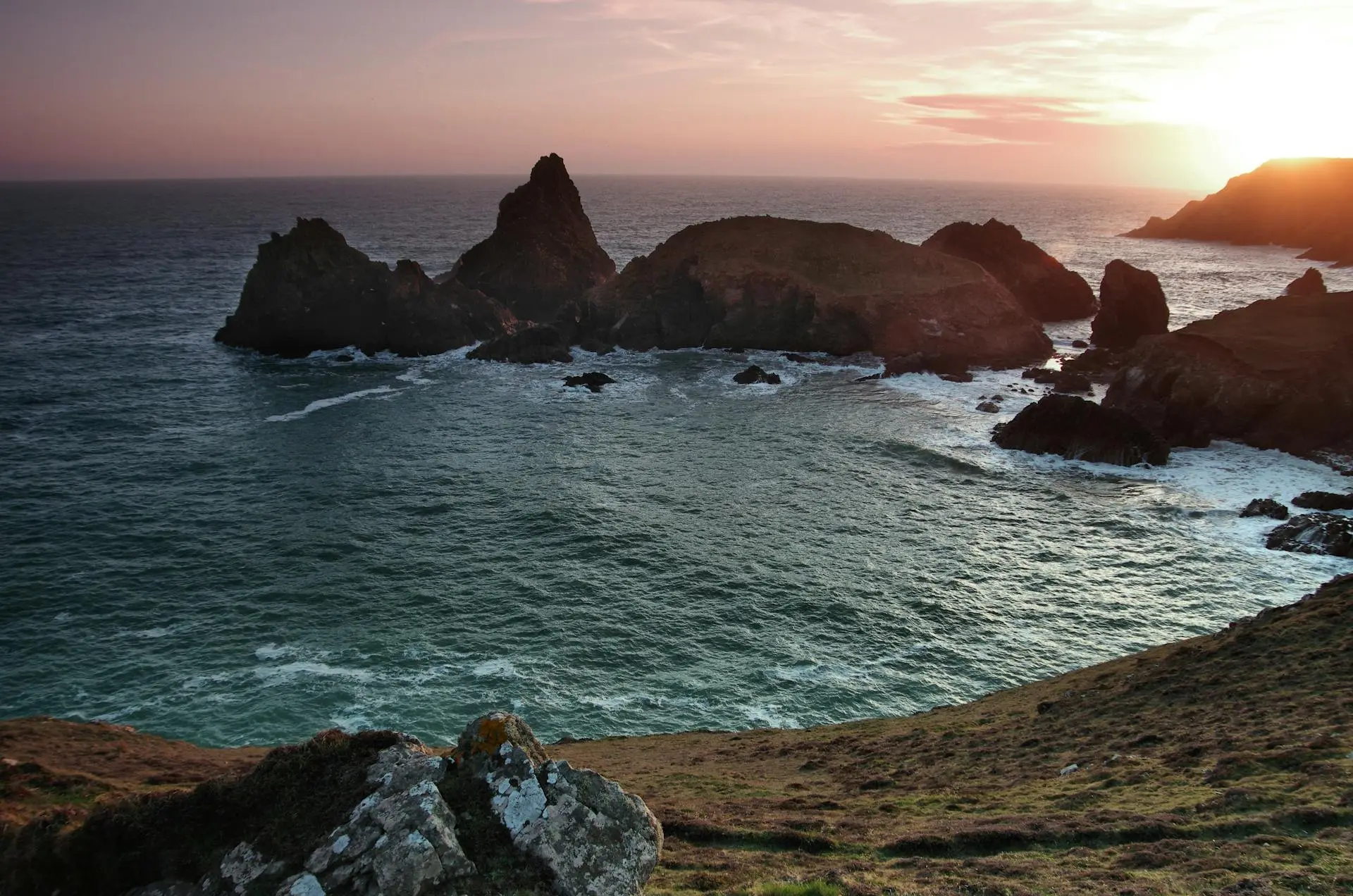
The region spans Somerset and Gloucestershire, touches the edge of Devon and extends into Wiltshire. Its landscape is a patchwork of green, gold and sun-browned fields, dotted with wildflowers, swaying grasses and crops. Rivers, lakes, lidos, hidden pools, waterfalls and a historic coastline break up the scenery — each offering an ideal spot for wild swimming.
There’s something about swimming here that makes the wetsuit optional, the cake essential, and the shivers worthwhile. Whether it’s the thick mist curling across Dartmoor or the silver light bouncing off the Severn Estuary, the West Country promises wilderness, wonder, and more than a few goosebumps.
So, pull on your budgie smugglers or neoprene armour (no judgement here), and follow me as we dive headfirst into the best of open water swimming and places to explore, eat, and rest in this splendid corner of England.
Where to Swim
Escape to the Lake – Leigh Sinton, Worcestershire
£8 per swim session (advance booking recommended)
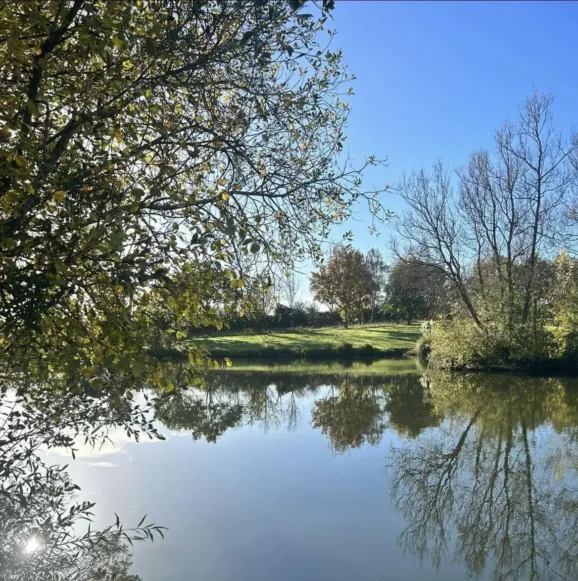
If you’re after a freshwater sanctuary that’s as friendly as it is functional, Escape to the Lake in Leigh Sinton should be your first port of call. Nestled beneath the Malvern Hills — those undulating, Tolkienesque ridges that roll across Worcestershire — this spot strikes a rare balance: safety, serenity, and seriously good vibes.
The water is clean and not too deep (you can stand up in most places thanks to a chocolate mousse lakebed). On the day I visited, the water temperature was 24 degrees Celsius.
Fringed with whispering reeds, wildflowers, tall grasses and home to protected species, the lake is the most inviting wild-swimming spot I’ve discovered. Two picturesque islands sit among ancient trees and weeping willows, their branches trailing into the cool shallows. An arched bridge provides shade for swimmers, while a secluded hut on the second island offers a touch of privacy.
This lake welcomes swimmers of all abilities — from wetsuited regulars tackling 400-metre winter laps to cautious newcomers hesitating at the steep steps or swim ladder. The staff are as warm and knowledgeable as the owners, Will and Pippa, whose vision combines wildlife conservation with the careful stewardship of this pristine, tranquil setting.
During my visit, I reluctantly skipped the reasonably priced homemade cake and coffee (£1.50–£4.00) on offer: I simply couldn’t bring myself to leave the water.
As I was leaving, a group from Malvern arrived for their regular wellbeing swim session — a lively, open-water swimming club for autistic adults. Their leader told me, “This is perfect: safe and not at all overwhelming to the senses — ideal for my lovely clients.”
Nearby, in a large open-sided glamping-style tent, a yoga class was setting up for an afternoon of calm. One participant, Sarah from Malvern, a regular swimmer, smiled and said, “It’s my happy place. Even on a grey day, the Malvern Hills and this perfect lake make it feel like you’re swimming through a landscape painting.”
At one point, I thought I saw someone leave the lake, strike a yoga pose, and shed happy tears into their drink. That’s the kind of place Leigh Sinton is — an undiscovered treasure.
Clevedon Marine Lake – North Somerset
Free entry (donations welcome)
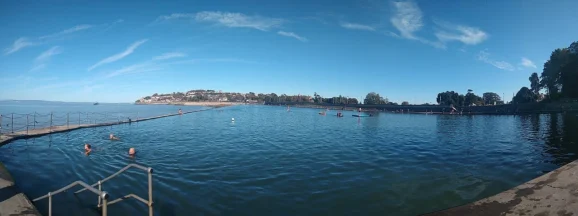
Saltwater joy, tidal-fed and cradled by sea walls, this is Victorian engineering with a modern cult following. Clevedon Marine Lake established in 1929, is brilliant in all seasons, from icy winter dips with woolly hats to balmy summer laps. You can even check on its state via Live Webcam, before you visit.
One hardy local spoke to me as I prepared for the relatively warm, salty, 19C waters: “You can’t buy this feeling in a gym. Well, you could, but it wouldn’t involve numb toes and views of Wales,” Thanks, Pete of Clevedon. You were right.
Accessible to swimmers of all abilities, this spot offers parking, nearby pub, stunning views, and toilets for changing. With a depth ranging from less than 0.9m to 1.4m, it’s generally safe — even when the tide is high and lapping at the poolside. Do take care, though: it’s easy to be mesmerised by the scenery and accidentally slip over the edge into the Severn for an unplanned swim.
While there’s no entry fee, consider contributing to the donation box to help keep the site well maintained. Afterwards, reward yourself with a coffee from the nearby Scarlett’s Café (flat white £3.20) and watch paddleboarders drift by. This is a swimming venue money can’t buy — a truly traditional English sea pool. Bird enthusiasts can even take part in wild bird-spotting sessions. What a place to swim.
Warleigh Weir – Bath (ish)
Free entry (wild swimming)
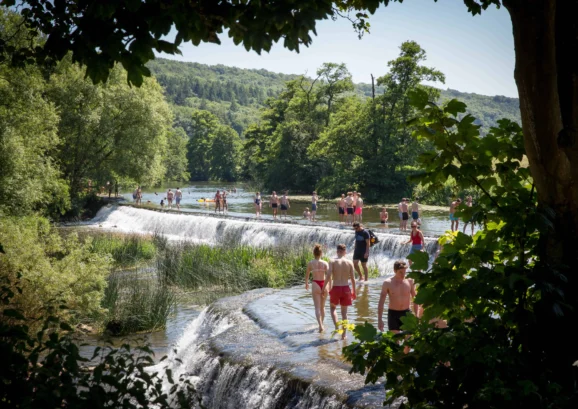
Part of the River Avon yet with a character all its own, Warleigh Weir balances on the edge between Instagram fame and genuine tranquillity: blissfully peaceful in the early mornings, but busy and buzzing at weekends.
Warleigh Weir is a river structure at Warleigh, Somerset, England, upstream from the city of Bath. The weir was originally built to supply a head of water to a grist mill at Claverton.
Facilities are nil, so pack your own snacks and flask of tea. The real cost here is parking (£3 for the day nearby) and possibly your dignity if you misjudge the rope swing.
One early-morning swimmer told me: “It’s not just a swim – it’s a reset button. Except in February, when it’s more of a shock therapy session.” Another regular swimmer, Jen from Bath, said: “I swim here almost daily, early mornings… Bliss.” I had to agree. It’s a little rough around the edges, but at 5am it’s both beautiful and peaceful.
A note of caution: while wild swimming is allowed here, the site is unsupervised and has natural hazards such as weirs, strong currents and debris from upstream, including tree branches. Local authorities monitor water quality, and results can be checked online. Although it’s not a designated bathing water area, it’s wise to review conditions before entering. Always swim safely — and never alone.
Roadford Lake – Devon Border
£6 per swim session / £25 annual pass available
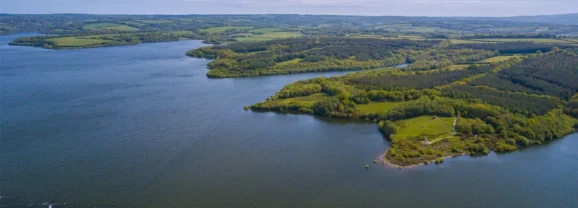
Roadford Lake sits cradled in the heart of the Wolf Valley, nudging the Cornwall border, and it’s a beast — one of the largest and liveliest inland waters in the Southwest. Its shores are wrapped in a patchwork of habitats: rare Culm Grasslands, tangled woodlands, old pastures, and the odd orchard that looks like it’s been there since time began. This is a lake for the swim endurance crowd — mile markers, long stretches, no chlorine in sight.
It’s not just a place to swim though. Nature trails and footpaths lace the lake like ribbons, leading you to hidden corners where the water, trees, and forestry seem to strike a quiet truce. Walk it, cycle it, or just sit still long enough to watch the dragonflies and grebes go about their day. Wildlife is abundant with dormice and bat boxes, to bird hides and buzzards, pygmy shrews, Daubenton’s bats and some rare bee species.
Practically, parking is refreshingly sensible — £2.50 for two hours, or £5 for the day — and every coin helps keep this watery playground in the condition it deserves. Think of it as a small investment in peace, fresh air, and the occasional goose encounter.
The lake is well known for its water sports, offering kayaking, canoeing, paddleboarding, sailing and fishing. There are also walking and cycling trails, plus a campsite with both electric and non-electric pitches.
Swim wise, facilities include hot showers (worth the trip alone in January) and a café for post-swim carbs. Dave, from Plymouth, fresh off his charity swim that day, said:
“It’s the only lake I’ve been in where I’ve lost track of time — and my hands — in equal measure.”
Places to Visit
Between swims, the West Country offers no shortage of places worth drying off for. From ancient spa towns and dramatic gorges to bustling docksides and hilltop villages, each spot adds another layer to the region’s charm. Whether you’re chasing history, hunting down the best cream tea, or simply looking for a scenic stroll to stretch out tired legs, these are the places that make the journey between swim spots just as memorable as the swims themselves.
Ancient Roman spas (£38 for a two-hour Thermae Bath Spa session), elegant Georgian streets and artisan coffee on every corner. The remarkably preserved Roman spa complex was built around natural hot springs, known to the Romans as Aquae Sulis, which once served as centres for bathing, socialising and relaxation.
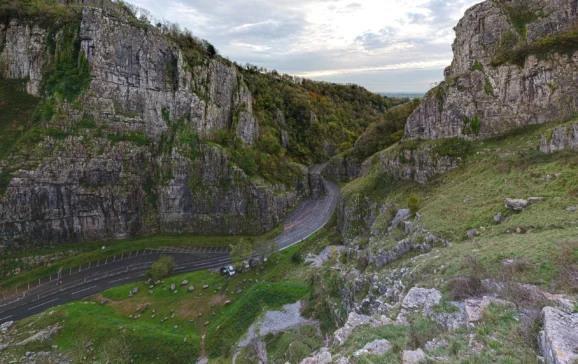
Cheddar Gorge (£22 for the caves) and cliff-top walks, plus cheese shops that’ll derail any training plan, this is a must see.
Gloucester Docks – Maritime history, trendy warehouse conversions, and enough brunch spots to sink a kayak. Just ensure you bring your wallet…
Great Malvern – A gem near Leigh Sinton. Free hill walks, Victorian architecture, and tearooms serving cream teas (£6) that feel morally justified after a swim at Escape to the Lake. Nestled in the stunning Malvern Hills, this is one of three towns that make up this Victorian spa town. Spa water literally pouring out of numerous spots, you can refill your swim bottles as much as you want. Delicious! Sadly, the reservoir is prohibited for swimmers – trust me, I tried … Imagine the backdrop if it was.
Places to Stay
After a day in the water, where you rest your head matters almost as much as the swim itself. The West Country offers everything from boutique boltholes and cosy B&Bs to luxury spa hotels and wild camping under the stars. Whether you want roaring fires and fine dining, a simple room a short stroll from your favourite swim spot, or the thrill of waking up to mist curling over a moorland pool, there’s a place here to suit every swimmer’s style — and budget.
The Pig near Bath – Rustic chic meets foodie heaven. Walled gardens, roaring fires, and bathtubs with views. This is luxury in the West Country, which from £220 per night, includes breakfast. One guest reviewed The Pig over breakfast: “I only booked this place so I could justify a second dinner.” That says it all.
Beeches Farmhouse B&B – Bradford-on-Avon – From £105 per night with hearty breakfasts that could fuel a Channel attempt. This was a comfortable stay in converted farmhouses/barns.
The Cottage in the Wood – From £150 per night, this boutique hotel in the Malvern holls offers panoramic views and is within walking distance of Leigh Sinton. Dinner menus showcase distinctive, locally sourced produce, served with warmth and care. Perfect for couples or anyone keen to explore the surrounding countryside, with wild swimming just a short stroll away.
Wild camping is an option on Dartmoor…if you’re hardy, that is. There’s no hot showers, but you’ll experience unmatched starlight and misty morning swims in local pools. Always prioritise safety, watching for submerged obstacles, protecting wildlife, and respecting the moor’s notoriously unpredictable weather. And don’t be surprised if you spot a roving team of Marines or Army trainees, laden with packs, crossing the rugged, unforgiving landscape.
Places to Eat
All that swimming, walking and exploring works up an appetite — and the West Country is ready to feed it. From cosy pubs with crackling fires to award-winning restaurants championing local produce, and seaside cafés where the cakes are as memorable as the views, you’re never far from something delicious. Whether it’s a post-swim pint, a three-course feast, or an ice cream eaten barefoot on the harbour wall, these are the spots that turn refuelling into part of the adventure.
The Longs Arms (South Wraxall): Award-winning, seasonal, and surprisingly affordable. Mains from £17, desserts around £8. A post-roast remark from a fellow diner springs to mind: “I came for lunch, but I’m leaving in a food coma.” This is a combination of old and contemporary with beams, cask ales and outstanding dining, with a lush green garden backdrop.
The Weir Restaurant (Bude): Gorgeous setting, hearty mains from £14, and puddings you’ll wish came in pints (£7). This is a family friendly venue with seating for all weathers.
The Inn at Welland (Malvern): Locally sourced fine dining, this is an affordable Michelin award winning venue. With mains from £22, set menus of about £38, this is ideal for romance, after your loving swim at Escape the Lake, Leigh Sinton. Go on, treat yourself…
For a final sweet treat after your Warleigh Weir swim near Bath, head to the Real Italian Ice Cream Co. Scoops start from £3.50, and the pistachio alone could win awards.
Ben’s Wild Water Swimming Tips for Beginners
- Know Your Limits – Start with shorter swims in calmer waters before tackling deep or choppy waters.
- Check Water Conditions –Always check water temperature, quality and currents.
- Wear a Bright Swim Cap – This helps with visibility and safety.
- Acclimatize Gradually – If the water is cold, enter slowly to avoid cold-shock response.
- Be Aware of Boats and Wildlife – Some shorelines, are shared with kayakers, rowers and sailing yachts, speedboats too. Stay within designated swim areas and never swim alone.
- Swim with a Friend – Wild swimming is safest when done with others, especially in unfamiliar waters. Always make sure people know where you are. Be CPR trained, too and maybe have a shore watch or swim with an organised event.
- Be aware of local conditions, currents and never take unnecessary risks.
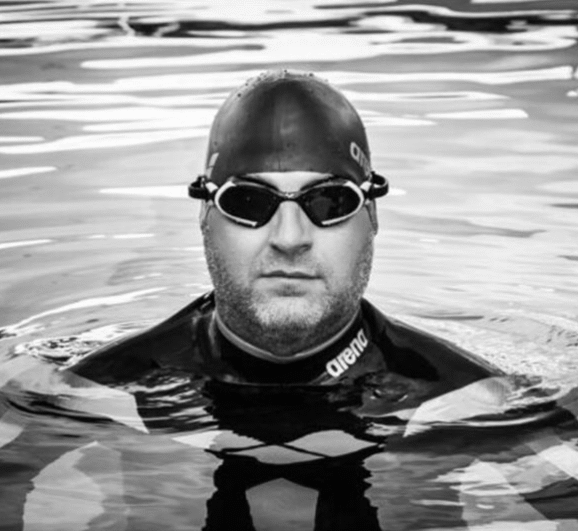
Ben Hooper hit the international headlines after revealing what has been described as one of the world’s most ambitious expeditions: to swim “every single mile” of the Atlantic Ocean – according to Sir Ranulph Fiennes OBE, the last great bastion to be conquered. Ben’s intended journey, across two thousand miles of open ocean between Senegal and Brazil, would take four months and would enter the record books. The expedition, called ‘Swim the Big Blue’, following Ben’s death from swimming into thousands of left-over Portuguese Man O’War tentacles and his incredible restart, mid-Atlantic, was eventually thwarted by adverse weather conditions damaging his support vessel. It was a devastating blow following years of painstaking dedication and training. Today, Ben holds the only WOWSA verified attempt to swim the full extent of The Atlantic Ocean. Follow Ben on Insta, X or BlueSky @TheBenHooper or at www.thebenhooper.com
Main image: Viktor Smith/Pexels