
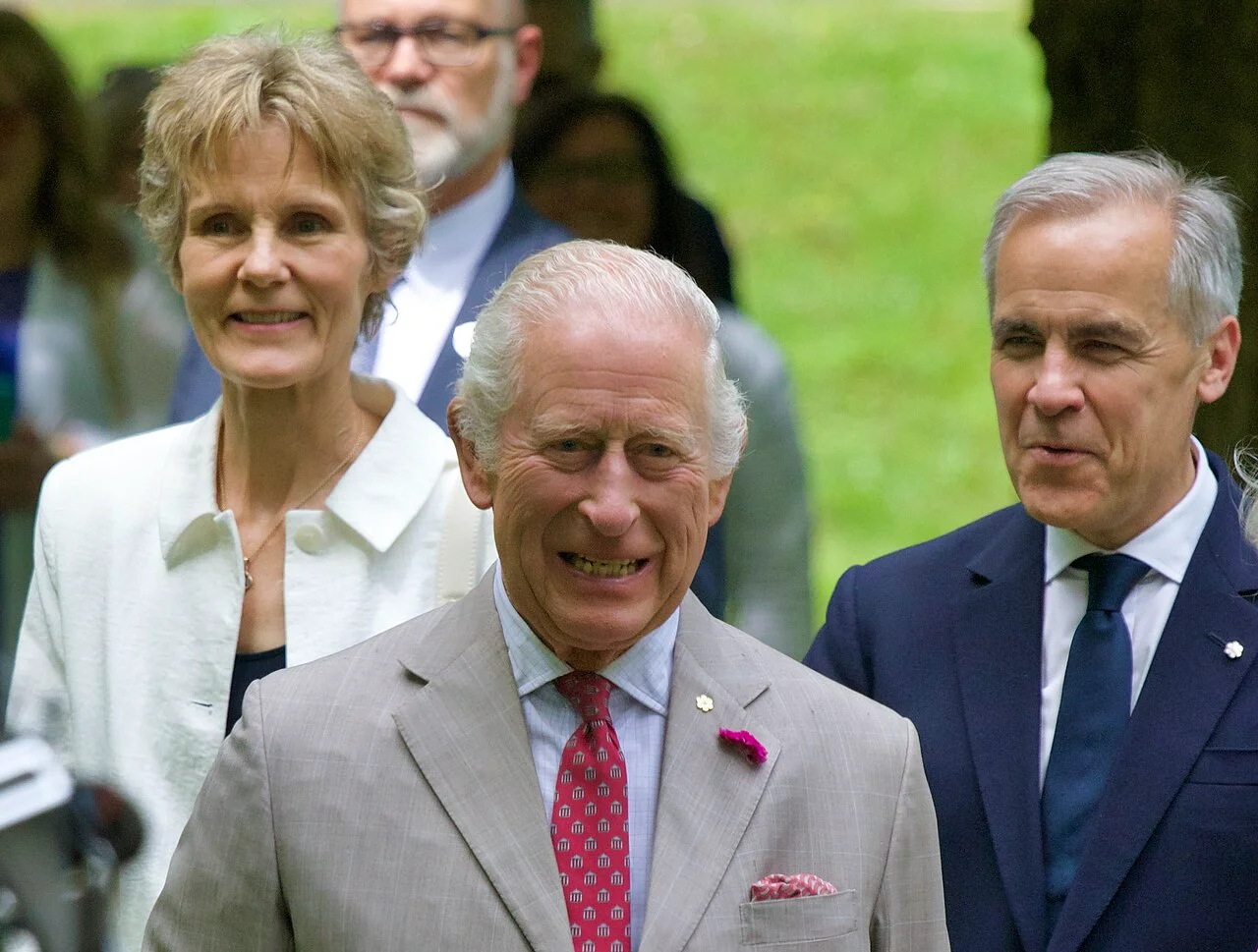
In a recent conversation with Sir Elton John on his Apple Music show, King Charles joked about the ‘bits dropping off’ as he gets older. It was a throwaway remark but, according to gender sociologist Dr Stephen M Whitehead, the monarch’s candour highlights a deeper problem about how rarely older men discuss their fears and vulnerabilities
Earlier this month, on 14 November, King Charles celebrated his 78th birthday. To mark the occasion, a recently recorded conversation between the king and Sir Elton John was aired in a special edition of Elton’s Apple Music show, Rocket Hour. They were celebrating 50 years of The King’s Trust, and the mood was light. When Elton joked that he was still sitting, the King replied, “With occasional bits dropping off here and there. I know this is a terrible problem as we get older.”
It got a laugh, and the headlines followed. But I heard something else in it. Here was the most visible man in Britain, still undergoing cancer treatment, admitting in a throwaway line what so many older men struggle to say out loud. Ageing is hard, and it’s happening to him.
I am 77, a year younger than Charles III. For the past two years I have been interviewing 20 men in their sixties, seventies and eighties, in Britain, the United States, elsewhere in Europe and in Asia, for a book I’m calling Old Men: The Last Masculinity. They have shown me a stage in a man’s life that we have no proper name for. I call it the ‘last masculinity’. No man escapes it, should he live long enough. Not even a king.
For much of his adult life, a man can know who he is through what he does. Work, providing and being useful give him a place in the world. In my research, I found that somewhere in his sixties a man passes through what I call the ‘sixties doorway’. The job ends or fades. The body starts to send its bills. The world stops asking his opinion.
Men who were respected, even powerful, find themselves benched while still perfectly capable. Others are written off long before they feel ready. The visibility that came with work simply drains away. It creeps up on them.

A king does not retire. Charles still has his work, his diary and his audience. He passed through his sixties doorway waiting for the job he had been born to and became King at 73. Yet even he, with every advantage, cannot avoid the body’s verdict.
We tend to imagine old men as grumpier, more rigid versions of their younger selves. Almost without exception, the men I interviewed were softening as they aged. The bravado was thinning. The old certainties were giving way to fear and insecurity, yes, but also to honesty and a surprising tenderness.
I call this ‘unavoidable clarity’. As physical strength, sexual confidence and status at work diminish, some men begin to see themselves and the people around them more clearly. Many carried real guilt about how selfishly they had lived when they were younger. For some, this stage turned out to be the best of their lives.
With that clarity came what I call the ‘last recognition’. It’s the moment a man realises, often late, how much his partner has carried and how much he depends on her or him. Several of the men told me, in effect, that they had only understood their marriage once they were old.
Nearly every man I interviewed said he had never spoken in any depth to another man about his fears, his health or his sexual worries. That included brothers, friends and doctors. Many found our conversations unexpectedly therapeutic. Some asked to come back with questions of their own.

Most of them had fathers who never hugged them or told them they were loved. They learned early that a man copes alone. In old age, that lesson becomes a trap. The bits are dropping off, and there is no one to tell.
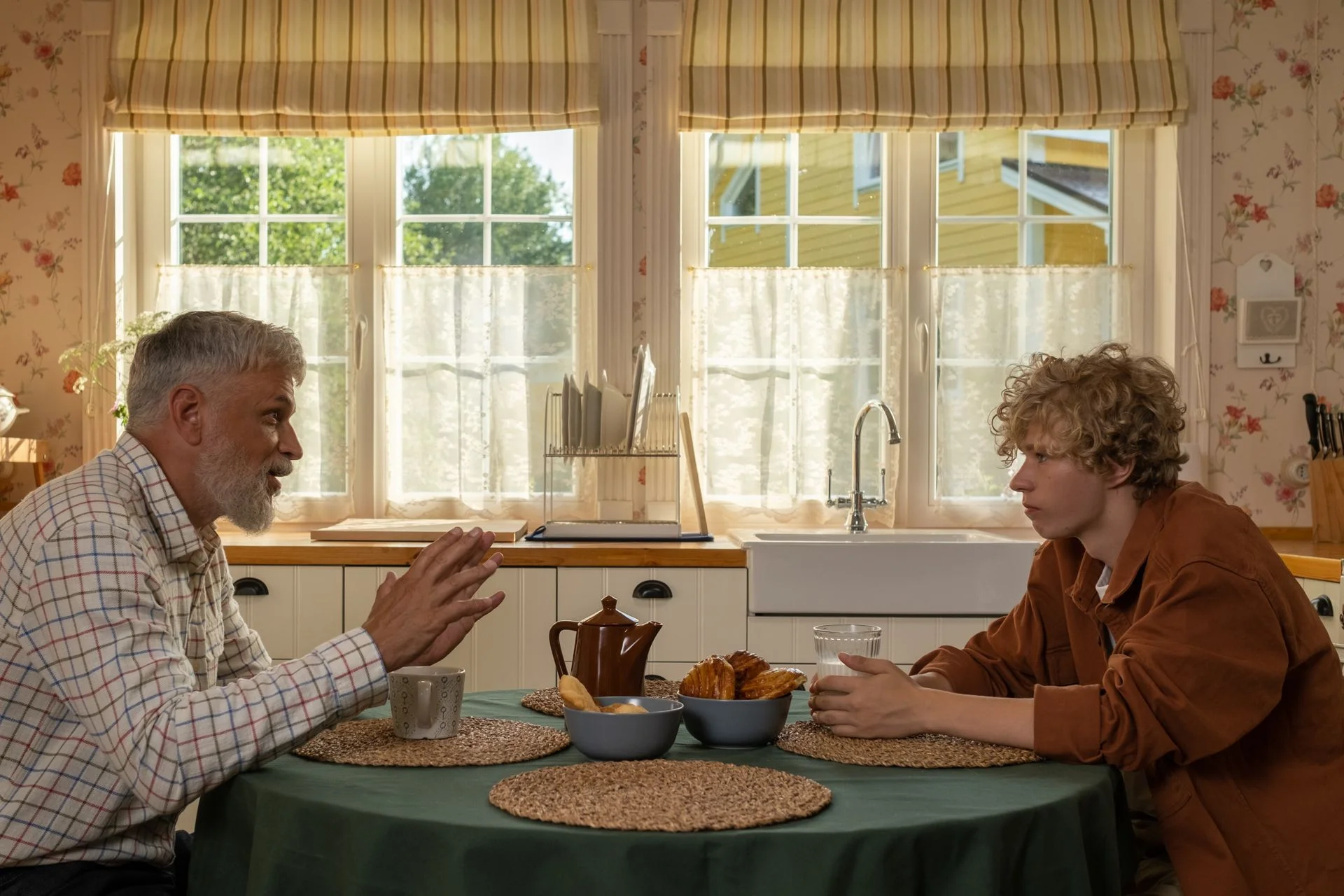
That’s why the King’s joke is so important to me. Think of a retired engineer in Stockport, sitting alone with the television on. When a monarch can laugh on air about his body failing him, perhaps that man can say something to his friend at the pub. Perhaps a son can ask his father how he is really feeling and get an honest answer.
Some of the oldest men I spoke to, now in their eighties, wake up every morning optimistic, looking for the next thing to start. Others have found new lives as songwriters, painters, farmers or entrepreneurs, trying on identities they never had time for when they were working. The men who seem to be doing best stay active and have some kind of spiritual life, religious or otherwise.
The last masculinity is not a failure or an illness. Growing old can be a terrible problem, but for a man willing to face it honestly, it can also be the last chance he gets to become the person he might have been all along.

Dr Stephen M. Whitehead is a British gender sociologist and the author of more than 20 books, published by Routledge, Polity, Oxford University Press and Random House. A foundational figure in masculinity studies with over 35 years of research, he co-developed the concept of toxic masculinity and originated the frameworks of Total Inclusivity and healthy self-love. He was Senior Lecturer at Keele University from 1997 to 2015. He currently leads the Global AI Intimacy Study, an international investigation into how AI is reshaping human relationships, with fieldwork across Latin America and India. His next book, Where Have All the Good Men Gone? The Reordering of Intimacy, co-authored with Constanza Fernández Arce, will be published in 2027. He is The European’s Leadership and Organisational Culture Correspondent and lives in Thailand.
READ MORE: Powerful men need to hear ‘no’ from people they can’t sack. The sentencing of entertainer Russell Brand and Jensen Huang’s resignation as Nvidia chief executive were two very different public falls. But why do some powerful men go unchallenged for so long? When power shields men from criticism and consequences, they can keep behaving badly because they’ve never had to grow up, argues Dr Stephen M. Whitehead.
Do you have news to share or expertise to contribute? The European welcomes insights from business leaders and sector specialists. Get in touch with our editorial team to find out more.
Main Image: King Charles III with Canadian Prime Minister Mark Carney and his wife, Diana, at Rideau Hall in May 2025. Credit: Hayden Soloviev / Wikimedia Commons (CC BY 4.0; cropped)