
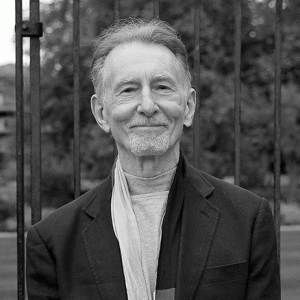

A Thai queen’s solo jet flight shatters the male macho pilot stereotype
Dr Stephen Whitehead explores how Queen Suthida’s solo Gripen flight challenges gender stereotypes and redefines women’s roles in military aviation.

Strong leaders know when to make a U-turn
Dr Stephen Whitehead explores why credible leaders must change course when evidence shows a decision is failing, rather than persist.

The five types of masculinity and what they reveal about modern men
Dr Stephen Whitehead explores five types of masculinity and how changing work, relationships and ageing reshape men’s identities.

Who pays the price when men withdraw from society?
Dr Stephen Whitehead examines how prolonged male withdrawal affects families, relationships, workplaces and wider society, and what governments can do.

Why men are increasingly withdrawing from society
Dr Stephen Whitehead examines why some men withdraw from society as work, relationships, status and traditional forms of masculinity change.

What the rise of synthetic companionship reveals about men and women
Dr Stephen Whitehead explores how synthetic companionship reflects changing expectations, autonomy and emotional intimacy between men and women.
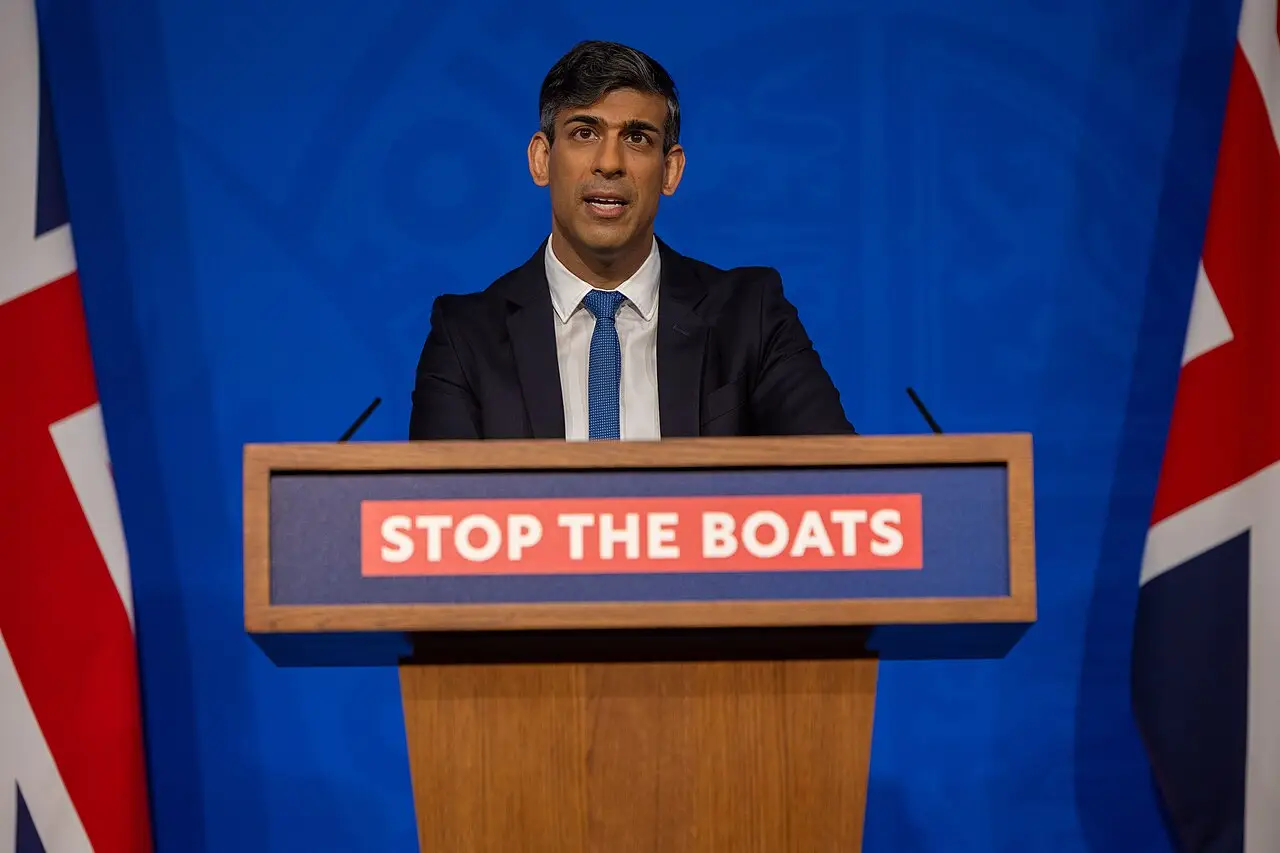
Why the Dover blockade was about far more than migrants
Dr Stephen Whitehead examines how male insecurity, lost status and collective power shaped the protests at the Port of Dover.

Ajahn Jayasaro on growing older without growing lonely
Dr Stephen Whitehead explores masculinity and ageing through a revealing conversation with British Buddhist monk Ajahn Jayasaro in Bangkok.
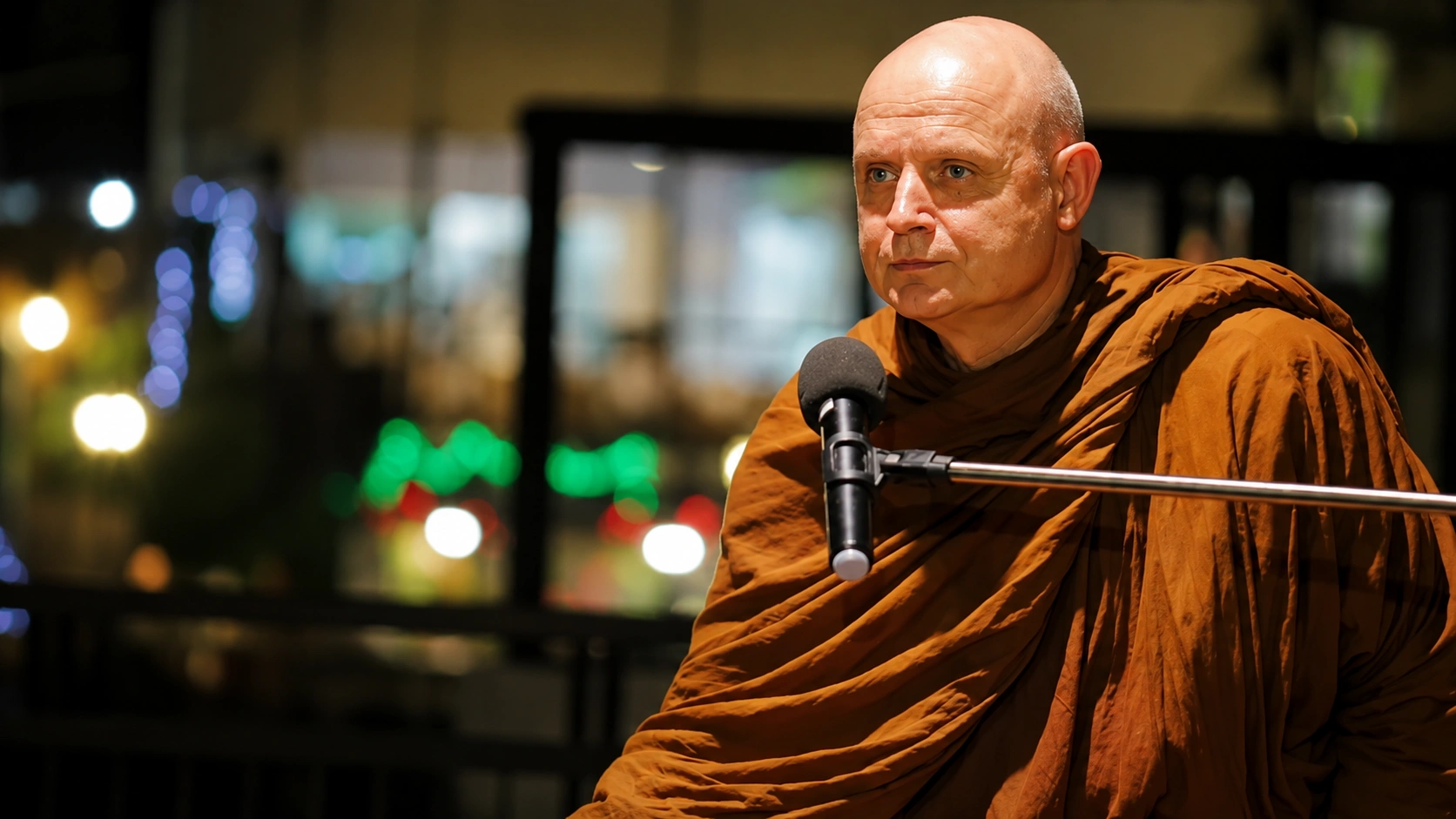
What capitalism can learn from a British monk promoted at 68
Dr Stephen Whitehead examines how religious traditions value ageing and wisdom, while capitalism often sidelines older workers and their experience.
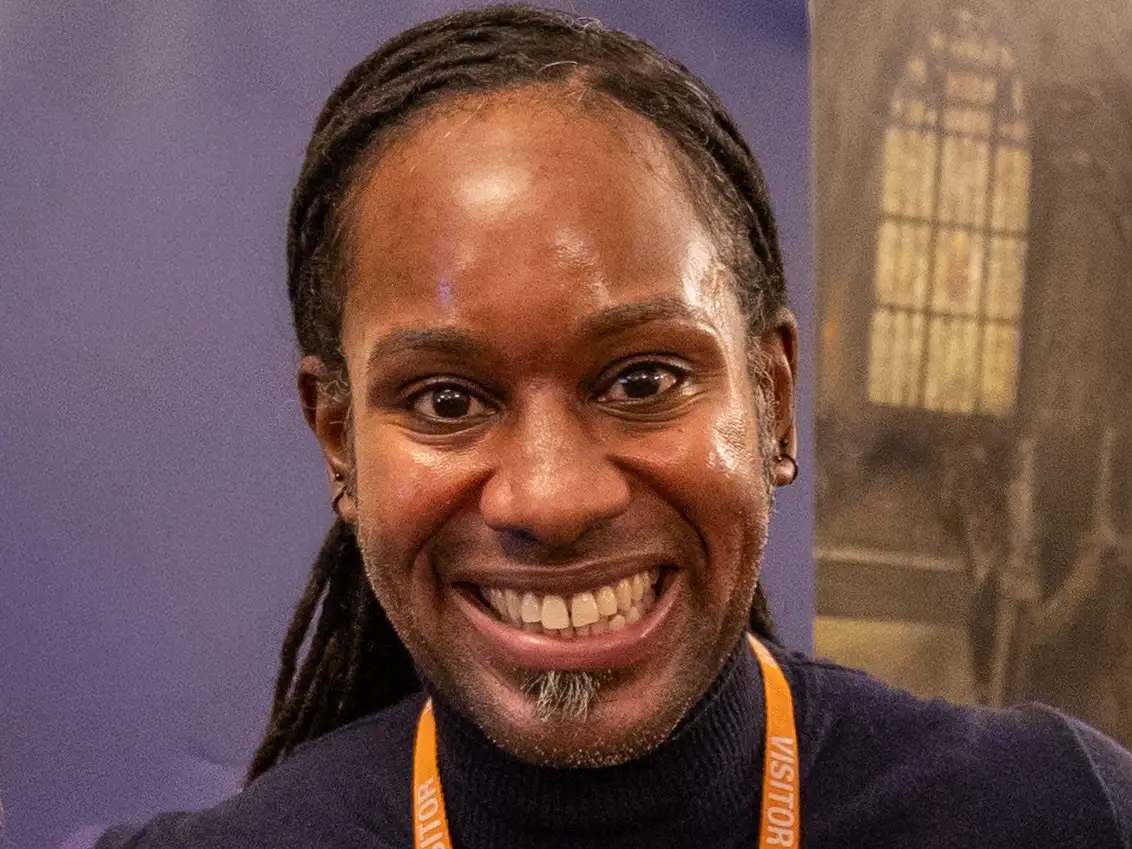
How Britain turned Jason Arday into a symbol – and lost sight of the man
Dr Stephen Whitehead examines how Jason Arday became a symbol of achievement, failure and victimhood through Britain’s machinery of representation.

Toxic masculinity, like climate change, can only be denied until the flames burn down your house
Dr Stephen Whitehead examines how toxic masculinity can fuel male violence, grievance and aggression, drawing parallels with climate change.

What ‘passport bros’ misunderstand about Thai women
Dr Stephen Whitehead explores why ‘passport bros’ misunderstand Thai women, mistaking cultural resilience and emotional restraint for submission.

How I would close the sociology gap inside AI companies
Dr Stephen Whitehead outlines how sociological oversight can help AI companies identify bias and build more inclusive, reliable technology.

Why AI Companies need a resident sociologist
AI firms should embed sociologists to tackle bias, improve inclusivity and strengthen trust in artificial intelligence systems.

AI’s unequal future can be found on the streets of Hanoi
Dr Stephen Whitehead argues Hanoi’s streets foreshadow an AI future divided between premium capability and increasingly limited free access.
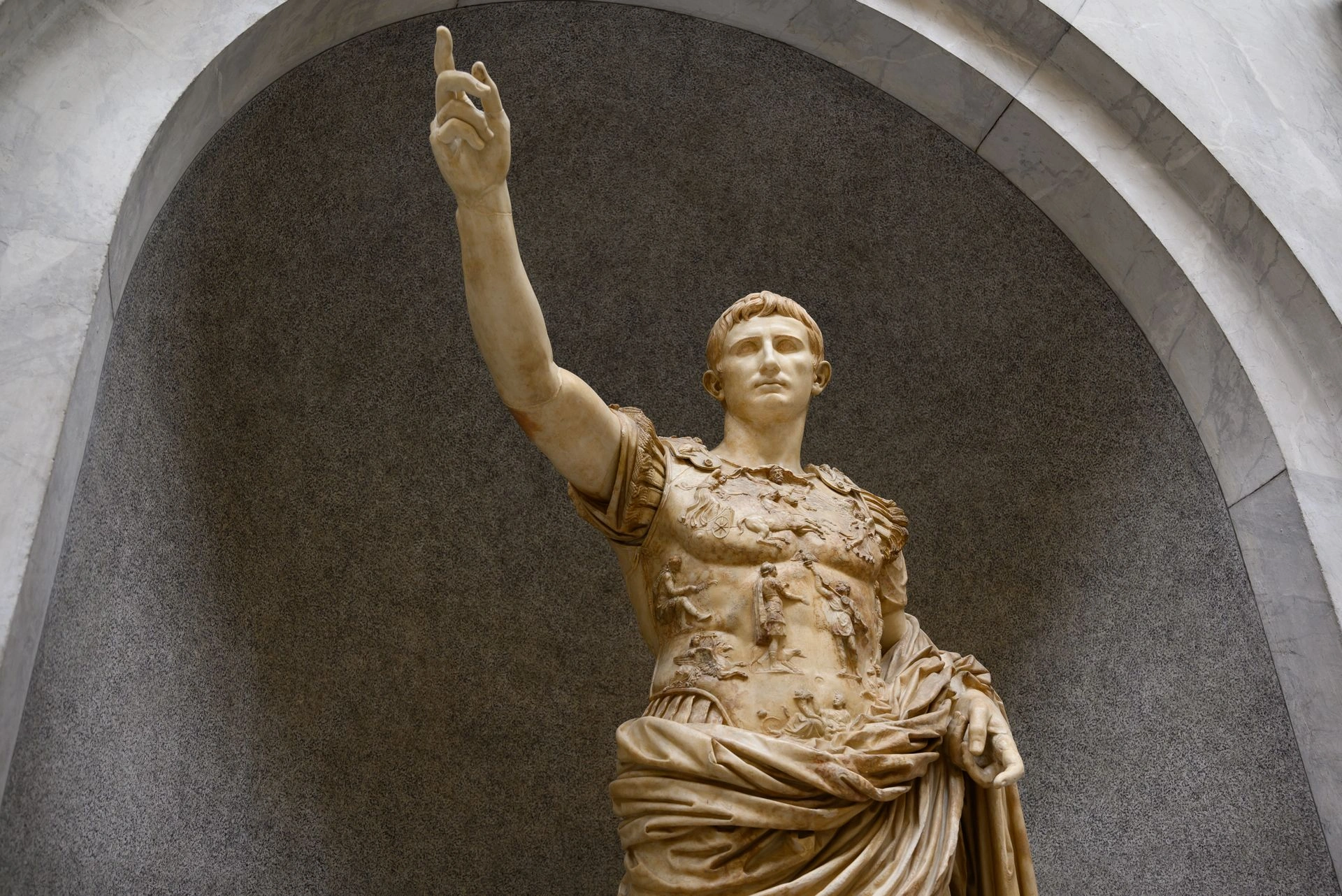
Healthy leadership means letting go of the myth of male certainty
Dr Stephen Whitehead explores why reflective, accountable leadership is better suited to today's uncertainty than traditional models of male certainty.



