

From enforceable NHS wheelchair standards to greater control over care and public services, disability campaigner Matthew Kayne sets out five reforms that could transform disabled people’s lives in 2027
While others are planning Christmas celebrations, some disabled people are waiting for a wheelchair, trying to arrange reliable care, facing delays in medical treatment or worrying about whether they can afford to run the equipment they rely on. A wheelchair that fits or a carer you can count on can make the difference between spending the day at home and seeing the people you love.
I was born with cerebral palsy and have used a wheelchair all my life. I need 24-hour care, have survived bladder cancer and major surgery and have spent years trying to get suitable equipment. I’m also a journalist, musician, radio presenter and disability rights campaigner. I have ambitions, friendships and responsibilities. I refuse to accept that disability should determine how much of life someone gets to experience.
The Department for Work and Pensions’ Family Resources Survey for 2024 to 2025 puts the number of disabled people in the UK at 16.7 million, around one in four. Too often, the people making decisions about our lives have little idea what those lives involve day to day. If I could ask ministers to make five changes this Christmas, these would be my priorities.
Firstly, set legal standards for NHS wheelchair services. I’ve spent years dealing with unsuitable seating, equipment problems, delays and poor communication. At times I’ve had to fight for a wheelchair that properly supports my body and lets me live independently. Even being unable to get underneath a table is a daily reminder of how much the wrong chair can take away. It can affect everything from posture and comfort to getting in and out of the chair safely. It can get in the way of ordinary things you should be able to do without having to think twice about them.
I want legally enforceable standards for NHS wheelchair services in England, with maximum waits for assessments, provision and essential repairs and exceptions where there are complex clinical needs. Patients should have a clear right to challenge unsuitable equipment and request an independent reassessment.
Ministers should fund a national improvement programme and publish how long people wait, how quickly repairs are made and how patients fare. The government must stop treating wheelchair provision as a secondary issue. If ministers want to improve NHS efficiency, they should start by getting suitable equipment to people before preventable problems develop.
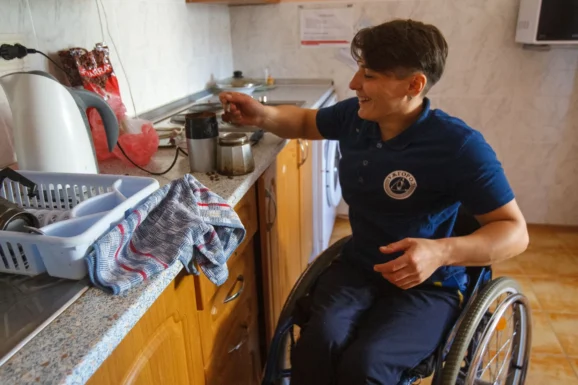
Secondly, give disabled people control over their care. My carers help me get up, manage my personal care, attend appointments and keep working. I value my relationships with them, and I know how vulnerable you can feel when an arrangement falls through or a concern goes unanswered. A missed arrangement can have consequences well beyond a change of schedule. For someone who needs help with the basics of daily life, it can throw the whole day into question.
I want a properly funded social care plan for working-age disabled adults in England. That means better pay and training, help recruiting and keeping carers and giving disabled people real control over how their support is delivered. Each person receiving support should have an accessible care plan they can review and a straightforward way to raise concerns. Care providers and the bodies that commission services should be held to account when they fail to address them.
Being washed, dressed and fed is only the beginning. I want to make music, run my radio station and spend time with the people I care about. Social care should help me do those things.
Thirdly, stop making disabled people fight for timely healthcare. I was diagnosed with bladder cancer in December 2022. After major surgery came further infections, hospital admissions and difficult periods of recovery. I know how frightening it is to live with that uncertainty. You put off plans, worry about complications and find yourself organising your life around the next thing the hospital tells you. Delays can put pressure on the people who help care for you, too.
Hospitals, community health teams and social care providers in England need to work together more closely. Patients with complex needs should know what the treatment plan is, how long they’re likely to wait and whom to call if their condition changes. Discharge planning needs to start early enough for someone’s care, equipment and support to be ready when they leave hospital.
I’d also track delays for patients whose disabilities leave them especially vulnerable to deteriorating or losing their independence. These changes would cost money, but so do avoidable admissions and longer stays in hospital. We shouldn’t have to reach a crisis before the system responds.

Fourthly, recognise the extra costs of disability. Some of us have to run essential electrical equipment, maintain specialist mobility devices or pay for accessible transport. The bill varies from household to household. Scope’s Disability Price Tag 2025 report estimates that disabled households need an extra £1,095 a month on average to reach the same standard of living as non-disabled households. That’s more than £13,000 a year.
I’d prioritise help for those facing the highest unavoidable disability-related costs, starting with extra energy support for people who depend on powered equipment. I’d also review whether disability benefits cover essential expenses. The Treasury should assess how major decisions on taxes, benefits and household support will affect people facing different levels of disability-related costs. Any new help needs clear eligibility rules, proper costings and independent evaluation.
Finally, give disabled people a say in decisions that affect us. Professionals and public bodies have made decisions throughout my life that affect how independently I can live. Many of the people involved have been dedicated and compassionate. Even so, I’ve seen what happens when accessibility is dealt with late, whether in buildings, on transport or in everyday services. The same applies to new technology, including artificial intelligence.
Government departments and publicly funded services should involve disabled people from the start when shaping policy, designing services and making decisions about accessibility. People need support to take part, and their views must be able to change the outcome. Otherwise, consultation is little more than a formality. I’d also strengthen accountability for accessibility standards and require public services to show what their reforms have achieved. As a disability campaigner, I want to challenge the assumption that disabled people should be grateful for whatever support is offered. We have ideas and expertise that should shape the decisions affecting our lives.
I know ministers can’t do all of this overnight. Some of these proposals need new investment. Others depend on stronger legal protections, better accountability or making better use of the money we already spend. I want ministers to publish the costs, set out how they’ll deliver each change and tell us how we’ll be able to judge progress.
This Christmas I’ll be thinking about my friends, my family and the people who support me. I’ll also be thinking about those who are isolated or waiting for essential equipment or care. For them, progress could mean getting out of the house, visiting a loved one or going back to work. That’s the independence I’m asking ministers to make possible.
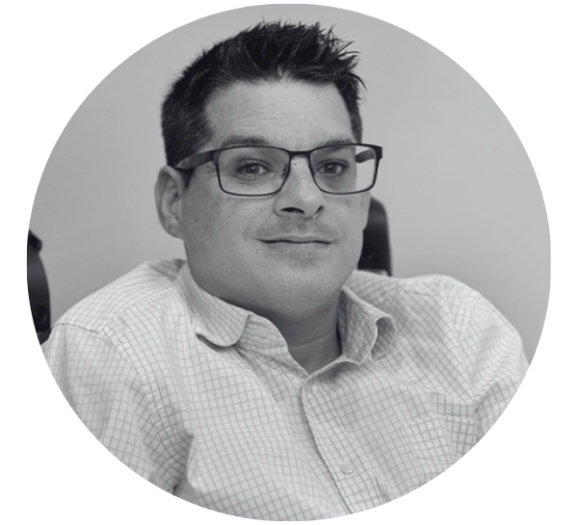
Matthew Kayne is a broadcaster, political campaigner and disability rights advocate who has turned personal challenges into platforms for change. He is the founder and owner of Sugar Kayne Radio, a DAB and online station dedicated to uplifting music and meaningful conversations, and the leader of a national petition calling for reform of the UK’s wheelchair service. Living with cerebral palsy and a survivor of bladder cancer, Matthew channels his lived experience into advocacy, broadcasting and songwriting. His long-term ambition is to bring this experience into politics as an MP, championing disability rights, healthcare access and workplace inclusion.
READ MORE: 007 reasons why James Bond should be played by a disabled actor. With Robert Pattinson named as the next 007, disability rights campaigner Matthew Kayne has a question for Hollywood. If James Bond can survive exploding buildings, outwit international villains and escape almost certain death, why is the idea of a wheelchair-using secret agent still beyond the film industry’s imagination?
Do you have news to share or expertise to contribute? The European welcomes insights from business leaders and sector specialists. Get in touch with our editorial team to find out more.
Main Image: SHVETS production / Pexels