Would Harry Potter be published today? With its lengthy chapters, rich vocabulary and imaginative storytelling, the answer could be no, warns Robin Bennett, a veteran publishing entrepreneur who has helped bring numerous successful children’s books to market. He argues that publishers are increasingly favouring shorter, simpler stories to cater for a generation raised on TikTok and shrinking attention spans, sacrificing originality and literary ambition in the process. The trend, he fears, could threaten Britain’s reputation for producing world-class writers such as J.K. Rowling and J.R.R. Tolkien – although the very technology blamed for the decline might also help reverse it
I once received a manuscript from a writer in Australia that I was very keen to publish. The basic storyline – an extremely bad-tempered donkey going on adventures with its owner in 17th-century France – and the characterisation were first-rate. It was highly original, very funny and exactly the sort of imaginative writing I wanted to see more of.
There was just one problem. It was only around 6,000 words long.
Middle-grade fiction, which this was, hovers around the 40,000-word mark. I rang the author, told them the good news that we loved it, but asked if they could flesh out and extend the story.
The answer was a flat no.
This was surprising as, in my experience, a serious offer to publish a book is a dream come true for a first-time author. Most are very open to working with an experienced publisher to improve what they have written.
However, I very much got the impression that it wasn’t that the author didn’t want to help, but that they simply weren’t able to deliver or see themselves writing a longer-form book. And that, as they say, was the end of that.
I have thought about that manuscript many times since, because it reflected something I was increasingly encountering. More writers under 30 were submitting progressively shorter children’s and young adult novels, with simpler language and more demanding storytelling falling away. Even when manuscripts were the right length, complexity and stronger, more satisfying vocabulary were being stripped out and replaced with shorter sentences, quicker payoffs and heavier use of imagery.
‘Difficult’ words, good writing and structured storytelling were becoming rare in many newer submissions. Instead, younger writers seemed to be mirroring the language and short-form content they themselves had consumed growing up, like a literary version of text speak.
Having spent 35 years working with words, as a writer, owner of a global group of translation companies and co-owner of an award-winning publisher, I began to wonder whether something more fundamental was happening to our relationship with language.
The evidence from younger readers suggests there is good reason to be concerned. According to a 2025 article in The Times, bestselling children’s titles now average 60 pages, down from 190 pages in the 1930s. In picture books, where literacy starts for most, an older classic like The Cat in the Hat contains around 1,500 words, while many modern picture books target roughly 450.
The UK’s National Literacy Trust, meanwhile, found that reading enjoyment among eight- to 18-year-olds fell to its lowest level in 20 years in 2025. Only about one-third said they enjoyed reading in their free time, and fewer than one in five reported reading daily for pleasure.
As children get older, the problem gets worse, especially among boys. Endless scrolling, short-form video and bite-sized content are taking their toll on younger readers, who can consume entertainment almost continuously without necessarily developing the patience for sustained reading.
“I watched a generation emerge that could consume endless content but showed less and less patience for unbroken reading”
Publishers always point to increased sales of books in certain areas, but a quick look in any charity shop reveals rows of pristine children’s books, bought by well-intentioned parents but apparently unread.
The publishing industry is responding to these changing habits, though I fear that its response could make matters worse.
Authors are under pressure to write shorter, simpler children’s and young adult fiction to cater for readers raised on scrolling videos and bite-sized digital content. Publishers, meanwhile, are producing too many lower-quality books, with shorter windows for marketing and endlessly replicated themes, all to the detriment of originality. Older books inevitably fall out of fashion, and if the quality isn’t there in the new ones, it’s game over.
In the last few years, you would struggle to convince a publisher to invest a big budget in a linguistically challenging work, such as nonsense rhymes or a story written in a strongly regional voice. No more Jabberwocky or Kes. And would the Harry Potter series, with its lengthy chapters, rich vocabulary, complex plots and hundreds of pages demanding sustained concentration, find a publisher in today’s market of shorter, simpler books and shrinking attention spans? I’m not sure it would, however brilliant the writing or extraordinary the story.
It is becoming a vicious circle. Readers grow accustomed to shorter, simpler material, publishers produce more of it, and writers increasingly adapt their work to what they believe the market will accept.
I worry about where this could lead.
Britain is at risk of raising what I call the Billy Blue Hat generation, far more comfortable with very short, simple books than with reading that demands patience, concentration and a richer command of language.
Billy Blue Hat was one of the best-known characters in the One, Two, Three and Away reading scheme, written by Sheila K. McCullagh and used in UK classrooms from the 1960s through to the 1980s and beyond.
Those books offered quick, highly visual stories that could be absorbed and understood in seconds. They had their place in helping children learn to read, but I fear publishers will end up selling – and young people consuming – similarly basic books long after they should have progressed to more challenging literature.
By extension, if things carry on the way they are, I believe young people could effectively become book illiterate within two decades, unable or unwilling to engage with much of the literature previous generations took for granted.
The implications for Britain are particularly serious.
From Pooh Bear to Potter, Tolkien to Thomas the Tank Engine, Dahl and Julia Donaldson, the UK has consistently punched above its weight, producing truly original children’s literature and selling publishing rights all over the world. That success depends on writers who can fully maximise the beauty of the English language and create highly original, meaningful books that take the world by storm.
While I don’t have hard data on the long-term commercial consequences, my experience tells me that when you lose your edge, you lose your market.
And the problem extends beyond publishing. Children are simply not being exposed to enough words – in any language.
The lack of foreign language learning in schools also contributes to this decline. Learning languages is perceived as hard, and children are not being encouraged to use and develop the parts of their brains that deal with reading, writing and speaking.
Take, for example, when the Oxford Junior Dictionary removed or relegated many rural and nature-related words such as ‘acorn’, ‘fern’, ‘bluebell’ and one of my favourite animal names, ‘kingfisher’, while prioritising newer entries including ‘blog’, ‘chatroom’ and ‘cut-and-paste’. Nothing wrong with these newer words, but the decision lacks imagination and takes a dim view of children, supposing them incapable of knowing or learning words that aren’t right in front of their noses.
Language should open up the world to children, introducing them to unfamiliar places, ideas and experiences. The less we expect them to understand, the less incentive there is to expand their knowledge.
Nor do these habits necessarily disappear when young people enter the workplace. I was sitting at my desk one day when a CV came in from someone with a very strong academic background – all As, followed by English at a top-flight university.
The CV itself was excellent, but the covering letter was written in a curious mixture of AI ‘false-eloquence’ and blocks of text speak, including ‘i’ for ‘I’ and no full stops at the ends of paragraphs.
I took 15 minutes to write back and explain why we would not be inviting her for an interview, suggesting that she write a covering letter herself and check it over. I phrased it as gently as I could, but the response I received chose to see it as a personal attack, and a very unfair one at that. I genuinely think she could not see what my problem was.
What struck me was the contrast between her obvious academic ability and her apparent inability to recognise what was wrong with her letter.
It reinforced a suspicion I have held for some time: the real culprit may be the lowering of expectations.
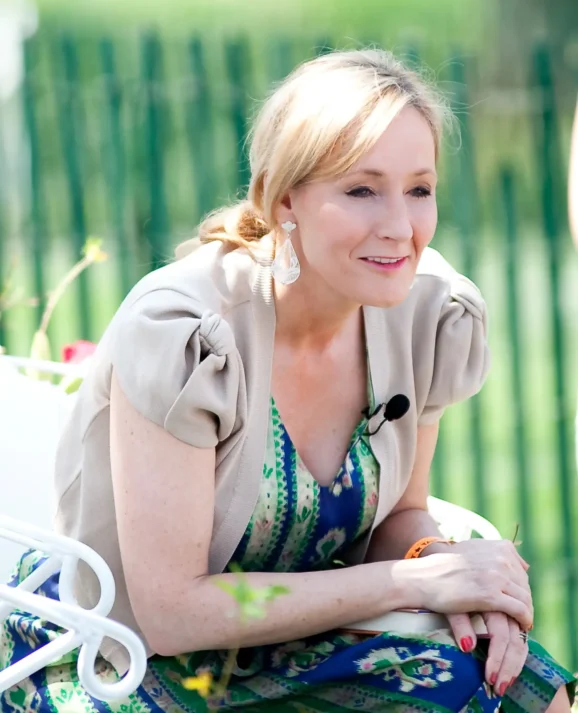
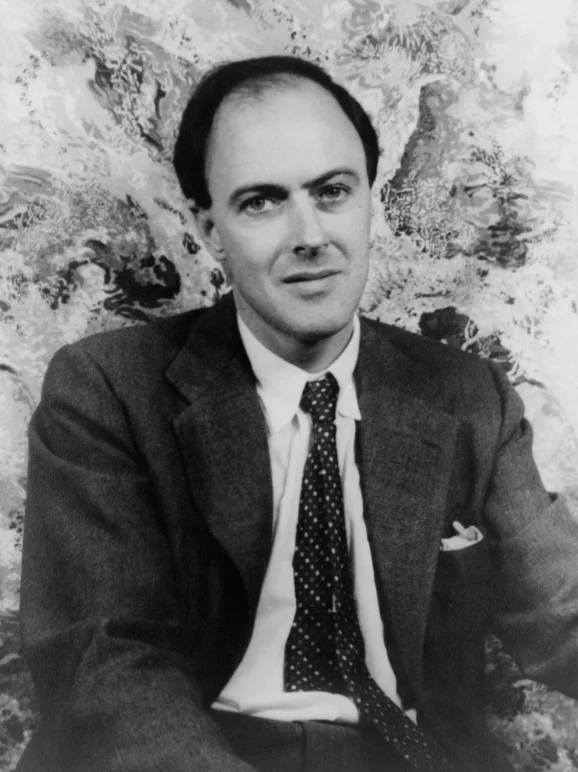
When J.K. Rowling wrote Harry Potter, the publishing world struggled to see how it could sell what was a fairly long book with difficult words, particularly to boys. Boys did not read any more – they played computer games, according to received wisdom. Rowling struggled to get published but was lucky enough to be picked up by visionary publisher Barry Cunningham, who had cut his teeth with Roald Dahl and Spike Milligan.
The extraordinary success of Harry Potter demonstrated just how wrong those assumptions could be. Children were perfectly willing to read long, imaginative stories when given the opportunity.
Perhaps, then, we have been too willing to accommodate what we assume young readers want, rather than encouraging them to discover what they are capable of.
It also raises an interesting question about technology itself. When postcards were first invented, people thought it was the end of writing as they knew it. The shortened form would destroy good writing, all those lovely long Edwardian words and Dickensian clauses. Thankfully it didn’t. It was simply a different medium, and we all adjusted.
The internet might yet prove to be another example of a new medium changing how we encounter language without destroying our appetite for it.
BookTok, mainly on TikTok, has helped drive increased interest in reading among teenagers over the last five years. And despite my concerns about the growing preference for highly visual storytelling, the popularity of manga shows there is still considerable enthusiasm for books. Circana reported unit sales growth of 45 per cent year on year in early 2026.
Artificial intelligence may have an equally important role to play.
Like it or not, AI summaries are being used by GCSE students studying Shakespeare, sometimes as a useful crutch. My own children routinely use them to unlock stories, develop their understanding and gain a deeper appreciation of the writing.
Used correctly, AI can even help authors, if Amazon and other retailers can get over their aversion to it. Many talented would-be writers are passed over because they struggle with dyslexia or ADHD. AI can certainly help with the nuts and bolts of good grammar and spelling, but also with planning, so works in progress do not go off the rails through lack of focus. It can also help those who write brilliantly but struggle to organise their ideas or are not talented when it comes to strategising – that is, taking their abilities and drilling down on commercially viable books. I’ve seen a lot of great writers fall by the wayside because their books fall between two genre stools, or because their writing as a whole lacks the cohesion needed to build a career. Again, this is something that a decent AI tool like ChatGPT is very adept at doing.
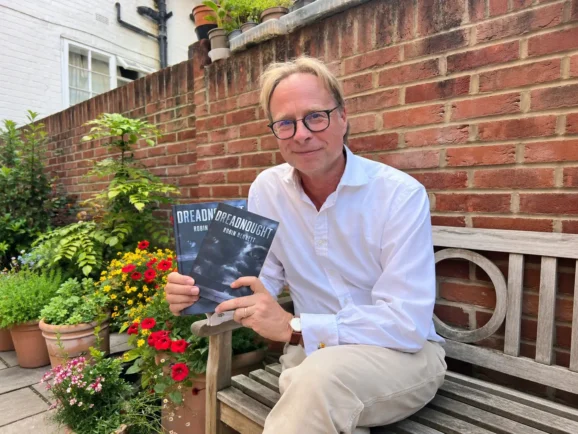
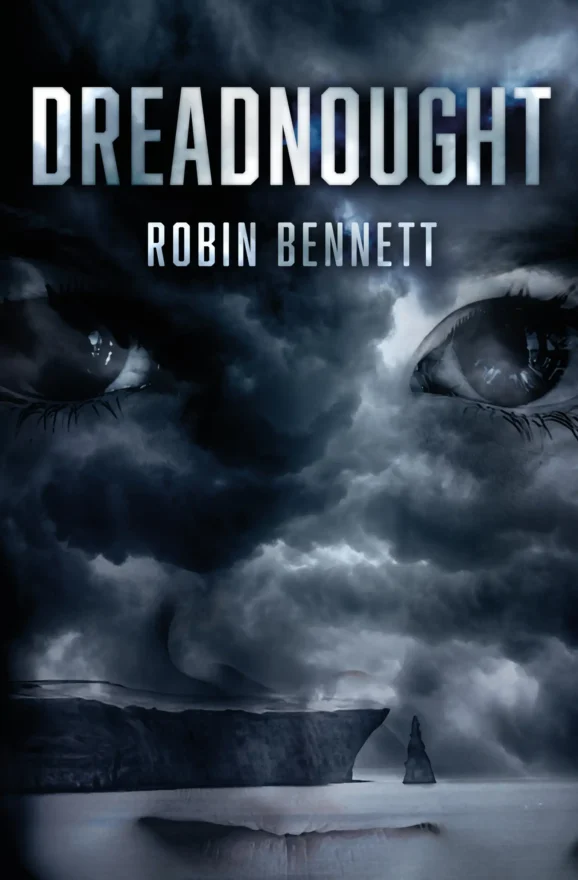
These possibilities have influenced my own writing, too. In Dreadnought, my first adult novel, the central character, Cass, is seven. She is young enough to still love reading and does not – yet – have unfettered access to the internet. But she’s miles ahead of the adults when it comes to understanding its potential.
As the suspense of the story builds on a deserted promontory in North Yorkshire, she is the first in her family to see the danger. But she is also the first to get over her fear. She starts the problem when the family is threatened but is ultimately the solution. Crucially, it is her combination of childish openness and creativity, and her ease in the digital world, that ultimately puts her a step ahead of the adults.
Cass represents something I believe we should be encouraging in children: the imagination and concentration that come from reading, combined with the confidence to explore and make use of new technology.
We cannot disinvent AI or the internet, however much some of us might like to do so, but we still have a great deal of use for old-fashioned inventiveness and focus. That is why I believe the future of children’s literature ultimately depends on the expectations we set.
If publishers aimed to produce better books at a slower rate, but curated them online to a greater extent, and if teachers, parents, publishers and writers themselves supported this by raising children’s expectations, we would be in a better state.
We should be encouraging children to tackle more demanding books, discover unfamiliar words and appreciate the richness of language. Writers should feel able to produce ambitious, original stories without assuming that their readers lack the patience or ability to enjoy them.
Britain has spent generations producing some of the world’s finest children’s literature. Its future depends on giving the next generation the opportunity, encouragement and confidence to produce something equally extraordinary.

Robin Bennett is a British writer and entrepreneur, founder and chairman of The Aktuel Translation Group, former Commercial Director of Firefly Press and author of more than 30 books for adults and children. His best-known works include the Monster Max and Stupendous Sports series. Cracking Cricket was shortlisted for a Week Junior Book Award and Sunday Times Sports Book of the Year for Children in 2025, while his YA novel XII was shortlisted for a British Book Award in 2024. His documentary Fantastic Britain won Best Foreign Feature at the Hollywood International Independent Documentary Awards in 2016. His first adult novel, Dreadnought, is out now.
READ MORE: How TikTok sent Britain birdwatching. As TikTok and Instagram fill with feeders, feathers and fledglings, birdwatching is enjoying an unlikely revival, with a new generation swapping screens for binoculars, writes Alan Lawson.
Do you have news to share or expertise to contribute? The European welcomes insights from business leaders and sector specialists. Get in touch with our editorial team to find out more.
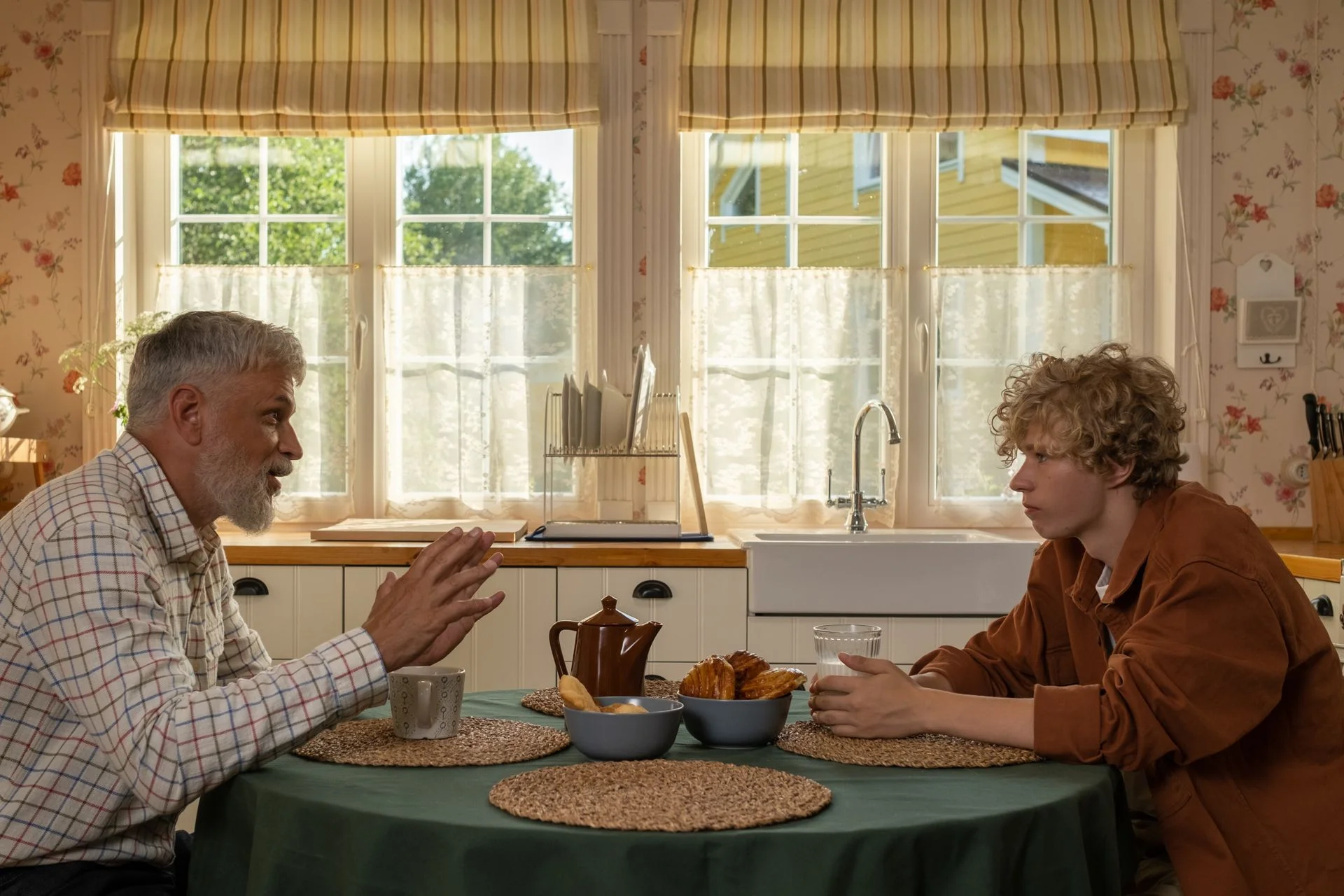
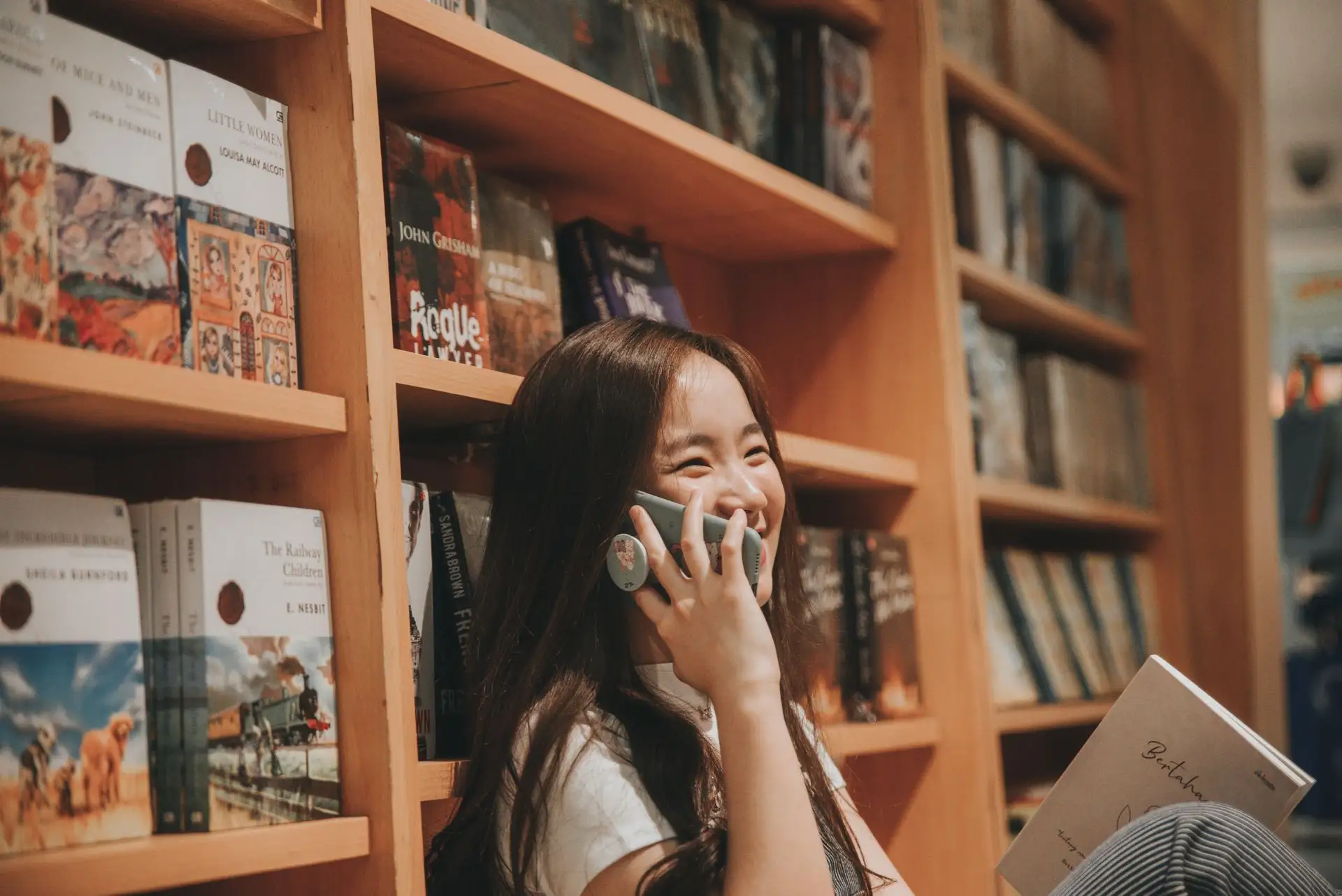
Main image: Are children’s books becoming too short and simple? Concerns are growing that publishers may be underestimating young readers and putting Britain’s literary heritage at risk. Credit: Alvin Ng / Pexels