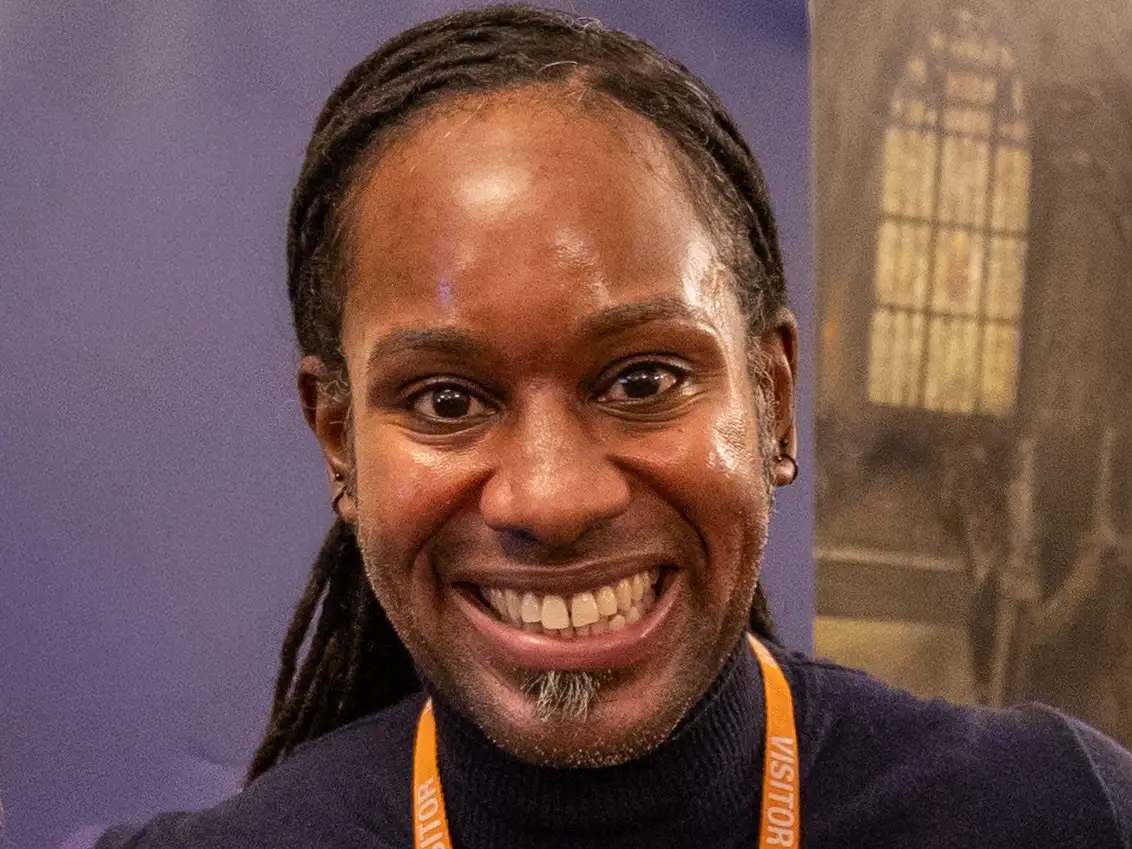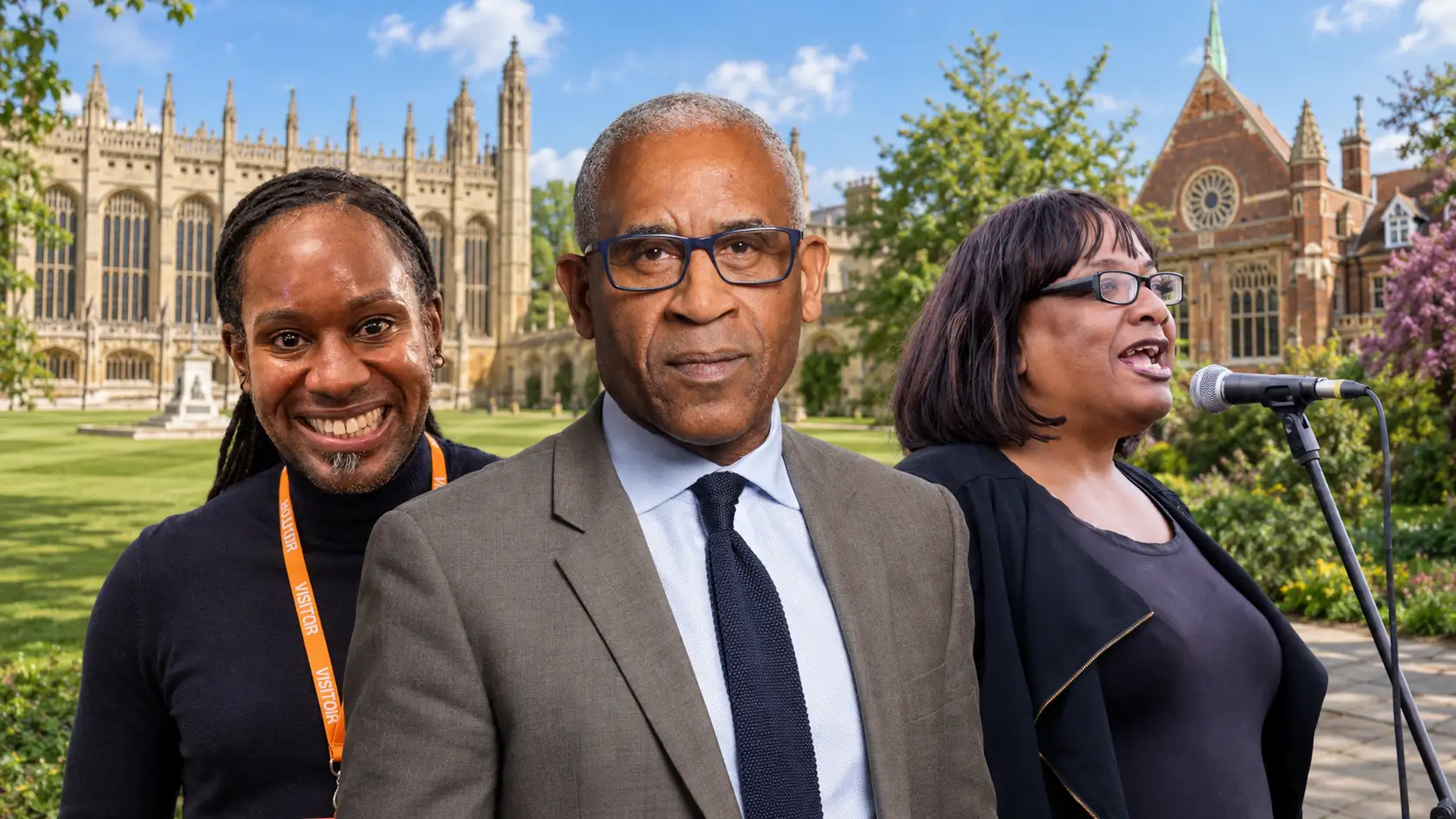
Lord Simon Woolley was condemned for describing the treatment of his late friend Professor Jason Arday as a “public assassination”. But was he right? Writer and social justice commentator Daniella Maison asks whether Black people in positions of power are too often put in the firing line for mistakes and remarks that others survive unharmed
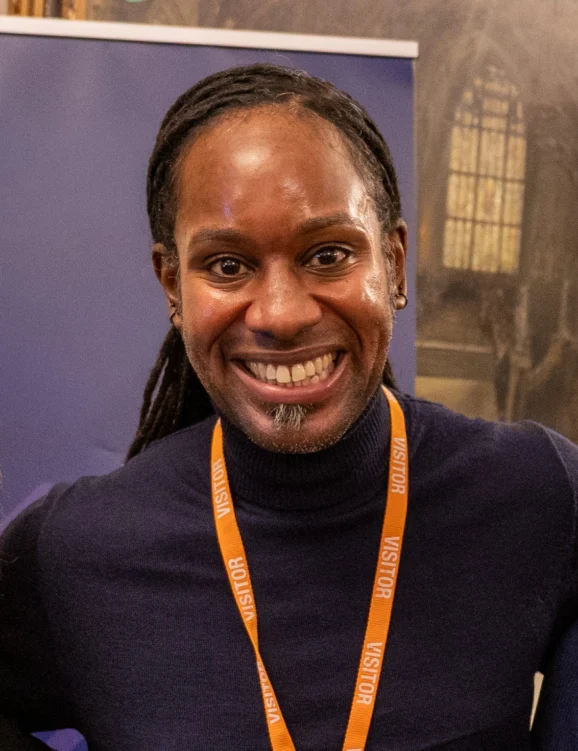
Three weeks ago, Lord Simon Woolley, the Principal of Cambridge University’s prestigious Homerton College, spoke publicly about his friend, the late Professor Jason Arday. Standing in Trafalgar Square before a crowd organisers said numbered more than 30,000, Woolley described how Arday had been the victim of a “lynching” and a “public assassination”. His colleague had been Professor of Sociology of Education at Cambridge until resigning from the university on 5 August following weeks of intense media scrutiny over allegations of plagiarism and questions about his academic record and achievements.
Just days later, Woolley told the crowd, he had consoled Arday over dinner. Woolley had been joined by Diane Abbott MP and photographer and activist Misan Harriman. The three had met Arday because, Woolley said, they knew he was struggling.
“We held him in our arms,” Woolley said. “We told him he was loved.”
He recalled Arday holding Abbott’s hands and saying: “I love you, but they’re hounding me to death, and I cannot see a way out.”
Arday, 41, was found dead at his home in Battersea, south London, on 14 August.
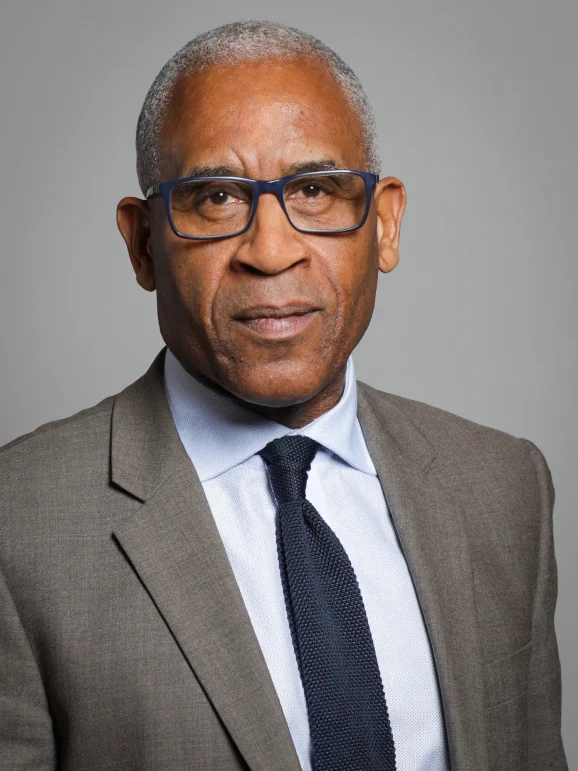
Woolley has led Homerton College since 2021. Before his appointment, he founded Operation Black Vote, created and led the Government’s Race Disparity Unit, served on the Equality and Human Rights Commission, advised successive governments on equality and representation, and was appointed to the House of Lords.
He is, then, a substantial establishment figure with a long record in public life, academia and government.
And yet, within a fortnight of his speech, some quarters of the media were questioning not only his judgement over Arday and the language he had used, but Woolley’s own credentials and fitness to remain in his post.
Woolley, much like Arday before him, is now facing scrutiny over whether he belongs in one of Britain’s most prestigious academic positions.
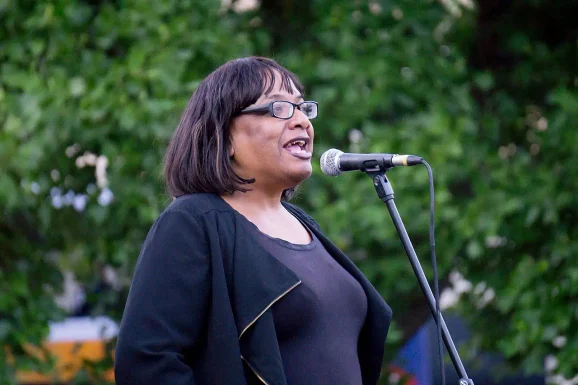
Diane Abbott MP, herself a Black figure in a position of authority, knows a thing or two about the personal cost of speaking bluntly about race. In 2023, she wrote to the Observer arguing that different minority groups experience prejudice in different ways, and that the racism historically directed at Black people has taken a distinct and particularly entrenched form. She pointed to slavery and racial segregation in the United States, including laws that forced Black people to sit at the back of buses, to explain the distinction she was trying to make.
Her letter was widely condemned, particularly for suggesting that Jewish, Irish and Traveller people experience prejudice rather than racism. Abbott, who apologised and withdrew the remarks, was later suspended for more than a year after Labour withdrew the whip.
None of this is to condone the use of inflammatory language that deepens division or risks fuelling prejudice. But if society – and the media – is prepared to condemn people such as Woolley and Abbott when they speak controversially about race and the treatment of others, then the same standards must be applied consistently across every political party and in every comparable case. Criticism and consequences cannot depend on who is speaking. It cannot be one rule for one person and another for someone else.
Consider, by comparison, the latitude afforded to Suella Braverman. As Home Secretary, she reportedly described the arrival of asylum seekers in small boats as an “invasion”, warned of a “hurricane” of mass migration and characterised pro-Palestinian demonstrations as “hate marches”.
Her language provoked fierce criticism, including from within her own party. Yet none of those remarks resulted in her suspension from the Conservative parliamentary party or a prolonged argument about whether she was entitled to remain an MP.
In academia, allegations of plagiarism and findings of academic negligence are hardly unknown. Yet they rarely attract anything approaching the national attention that surrounded Arday, or the subsequent scrutiny of Woolley.
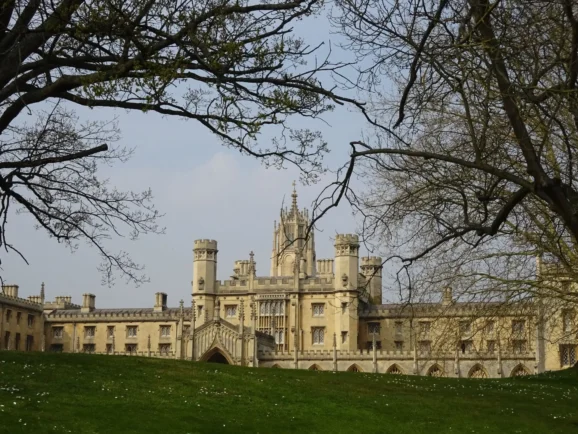
Take the 2023 case of Cambridge historian William O’Reilly who, after a university investigation upheld a complaint that material from an undergraduate student’s essays had appeared in an article published under his name, reportedly threatened Cambridge student newspaper Varsity with legal action when it sought to publish the finding.
Or consider Nicola Morrison, then a senior lecturer in Cambridge’s Department of Land Economy, who apologised after an article published under her name reproduced passages from a student’s dissertation without attribution.
Neither case resulted in a public campaign questioning whether the academics concerned deserved their positions, nor were either subjected to weeks of sustained and highly personal media scrutiny.
Based on these cases, and many others like them, it is easy to see why so many believe that Black people in positions of power – already so poorly represented – are, in Woolley’s words, publicly “lynched” when they speak out or get something wrong.
It is right and proper that anyone, regardless of ethnicity or skin colour, should be investigated, reprimanded or removed if their conduct falls below the standard expected of them. It is equally right that the media should report those failings, provided the same standards are applied consistently.
But to claim that a Black individual was never fit to hold a position of authority in the first place, despite the appointment processes, interviews, experience and credentials that put them there, goes far beyond legitimate scrutiny of their conduct.
Woolley, Abbott, Arday and others should be judged on what they say and do, and held accountable where appropriate. The danger comes when criticism of a mistake, controversy or poor judgement becomes an argument that they never belonged in positions of power at all.
If Black people are welcomed into senior roles only for their right to occupy them to be questioned the moment they become controversial, then diversity at the top remains far more conditional than many institutions would care to admit.
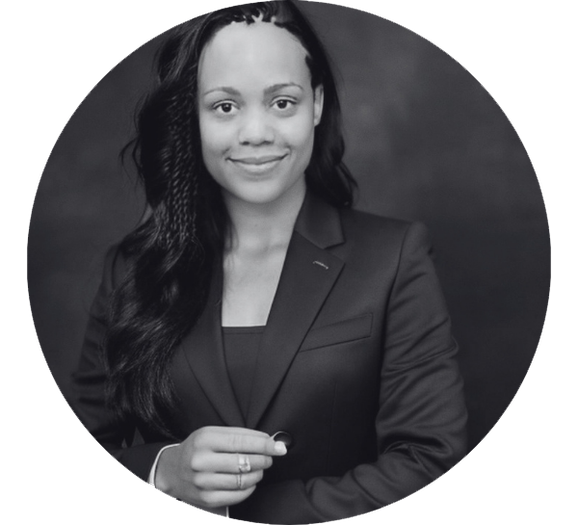
Daniella Maison is an award-winning writer and social justice commentator, author of The N Word, a contributor to The Independent, and a columnist for The Voice and Black Wall St Media.
READ MORE: How Britain turned Jason Arday into a symbol – and lost sight of the man. Celebrated as a symbol of Black achievement, Jason Arday later became the focus of intense scrutiny before his death at just 41. Dr Stephen Whitehead argues that, whatever the legitimate questions surrounding his scholarship, the public reckoning lost sight of the human being at its centre.
Do you have news to share or expertise to contribute? The European welcomes insights from business leaders and sector specialists. Get in touch with our editorial team to find out more.
Main image: Lord Simon Woolley, Professor Jason Arday and Diane Abbott MP in a composite image accompanying Daniella Maison’s article on race, scrutiny and power at Cambridge. Credits: Woolley portrait by Roger Harris / UK Parliament, CC BY 3.0; Abbott photograph by PaulNUK, CC BY 2.0; Cambridge background by Lamkingming, CC BY-SA 4.0; Homerton College background by Franman247, CC BY-SA 3.0; Arday image supplied.