The killing of Blondie the lion in Zimbabwe, a grim repeat of Cecil’s fate a decade ago, has reignited the global row over trophy hunting. Our science and environment correspondent, Professor Tim Coulson, delivers a blunt verdict: Britain must ban trophy imports for good
Just over a decade ago, on 2 July 2015, a U.S dentist shot a lion called Cecil. The lion had been part of a long-running study by the University of Oxford. Cecil was shot to be a trophy, to be displayed in a house or office on the other side of the world. When the media learned of the killing, it garnered worldwide attention, and the number of people attempting to gift money to support lion research at Oxford briefly crashed the University’s donations server.
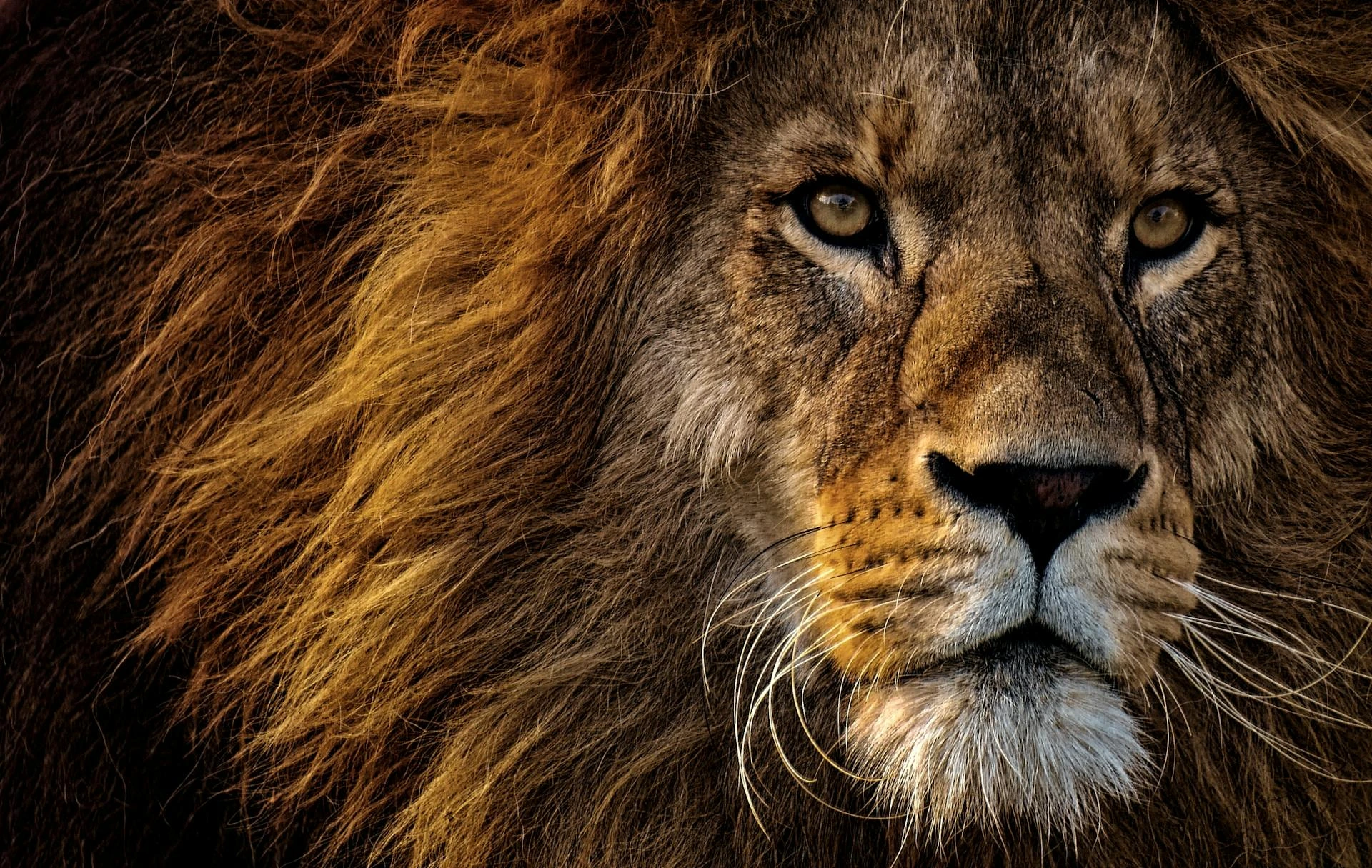
Sometime towards the end of June or early July this year, another lion that was part of the research project was shot under similar circumstances. Like Cecil, Blondie was a male lion shot by a hunter who wanted a trophy, presumably to display in a house or office outside of Zimbabwe where Blondie had lived. The lion wore a radio collar that had allowed researchers to track it. It was shot legally, with permits in place.
Life as a male lion is a challenge. If they are to successfully breed, a male needs to be the patriarch of a pride, and this often involves displacing the alpha male that is currently in charge. Males sometimes form coalitions to help them become a breeding male in a pack.
Once a male has displaced the previous dominant lion, he will endeavour to kill all the cubs in the pride. He does not want to raise another lion’s offspring, and a lioness with cubs cannot get pregnant. His infanticide means he will be able to more quickly father cubs with lionesses in the pride. Males do this because their tenure as head honcho is unlikely to last for more than three or four years, and they want to father cubs that will survive until two years old when they should be able to fend for themselves.
Blondie has been reported as being the dominant male of his pride. It won’t take long before other males are competing to take over his vacant position, and this means that it will not just be Blondie that dies, but most likely so too any cubs that he has fathered in the last 18 months or so. Of course, lionesses protect their young as best they can when pride tenure changes, but it is an uphill battle to keep them alive when a new dominant male arrives.

I am strongly opposed to trophy hunting on moral grounds. I do not believe it is ever acceptable to take the life of an animal for fun. Humanely killing animals for food is sometimes necessary, and therefore acceptable. It is also sometimes necessary to shoot problem predators that have attacked people or killed livestock. But killing for fun is abhorrent.
There are some scientists who disagree with me. They argue that hunting for fun can generate significant income that can be used to help local communities build schools or medical clinics, or to develop an economy around hunting. Such income is important for people who live difficult lives on the edge of protected areas where predators roam. Income from trophy hunting can also then help persuade these people that living that wildlife is a good thing, and something they should tolerate. There are a few case studies that provide some support for this argument, but there are other examples where the money does not make it to the local communities but instead disappears into the bank balances of business owners living elsewhere.
The debate around trophy hunting consequently comes down to a tussle between those, like me, who argue that shooting for fun is always ethically wrong, and those who argue that even if shooting for fun is abhorrent, it can be worth it if local communities and nearby protected areas benefit. Or to put it another way, taking the life of a male lion is worth it if it improves the lot of people living challenging lives nearby. Interestingly, these people’s voices are rarely heard in debates.
The disgust around the shooting of Cecil a decade ago, recent protests outside parliament over the import of trophies into the UK, the shooting of Blondie, and the past banning of fox hunting, reveals that the UK public puts animal welfare above the few compelling cases where trophy hunting generates income for local people. Part of the reason for this has likely arisen as the public has learned of scientific research revealing that animals other than humans have some sentience. We are a race of animal lovers, but with good reason. But we are not in a position to lecture other countries on how to look after their wildlife.
There are few species of large wild animal left in the UK. We do not have a good track record of managing our wild animals, and culls of our largest remaining predator, the badger, continue. These culls are not for fun, but they aim to reduce the prevalence of bovine TB, a disease of cattle that can devastate dairy herds and the livelihoods of farmers. Evidence that these culls eradicate TB from an area or lead to persistent long-term declines in disease outbreaks in cattle, is weak. There are also concerns on whether the culls are being conducted humanely, and for these reasons the current government has announced its intention to cease the culls. Bovine TB does need controlling, but the badger culls do not appear to be a viable long-term solution.
Trophy hunting is a complex issue. But having avidly followed the debate for many years and conducted research on the impacts of culling on some species, my view is that the current government should continue efforts to stop British hunters bringing their trophies back to the UK. Whether it was a UK resident who shot Blondie is not on public record, but an earlier ban might have stopped the body parts or entire corpses of 26 lions, three leopards, two cougars, seven caracals, five African elephants, 21 giraffes, five zebras, two hippos and two oryx that were shot for fun and legally imported into the UK in 2023, the last year that records are readily available.
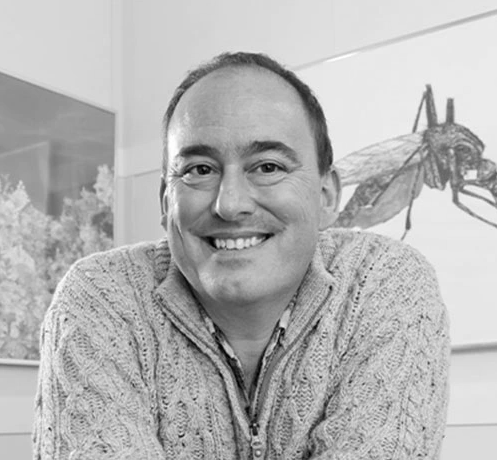
Professor Tim Coulson is a biologist at the University of Oxford, where he has led both the Zoology and Biology departments. He was previously professor of Population Biology at Imperial College London and has held positions at Cambridge University and the Institute of Zoology London. A highly decorated scientist with awards from major institutions including the Royal Society, he has edited leading journals and served on Government advisory boards. His first book for general readers, “A Little History of Everything” (Penguin Michael Joseph), traces the 13.8-billion-year story from the Big Bang to human consciousness and is available to buy on Amazon. He is also cohost of the popular science podcast, Science of the Times
Main image: Alexas Fotos/Pexels