Writers have always borrowed from the tools of their time. Now, as AI enters the mix, our Literature and Current Affairs correspondent RR Haywood argues it’s not the machine that matters but who’s in control
The rise of AI in creative fields has sparked some meaningful debates. And one question that keeps cropping up in writing circles is this: Is it cheating to use AI to help write a book, even if all the ideas are your own?
My view, shared by many working writers like me, is that it is not cheating if it is used as a support tool.
Every writer I know uses AI in some capacity. That might sound like a sweeping statement, but it’s true. From bestselling authors to emerging voices, writers have always used the tools of their time. Quills became typewriters. Typewriters became laptops. Now those laptops come with clever software that can suggest a better verb or spot a plot hole you missed.
The difference now is that AI can go beyond spelling and grammar checks. It can help structure thoughts, provide editorial feedback, suggest phrasing alternatives, and offer sensitivity reads when you’re writing something that might strike a nerve.
But here’s the key distinction. We do not let AI write for us. And there’s a very good reason for that. It’s bloody awful.
AI, in its current form, simply cannot capture the nuance, rhythm, or raw humanity that lives inside good storytelling. It can mimic structure, echo tropes, and rearrange clichés into vaguely passable paragraphs. But it can’t reach into the places that matter. It doesn’t know loss, or joy, or guilt, or desire. It’s not wrestling with memory or identity or the tangled mess of being human.
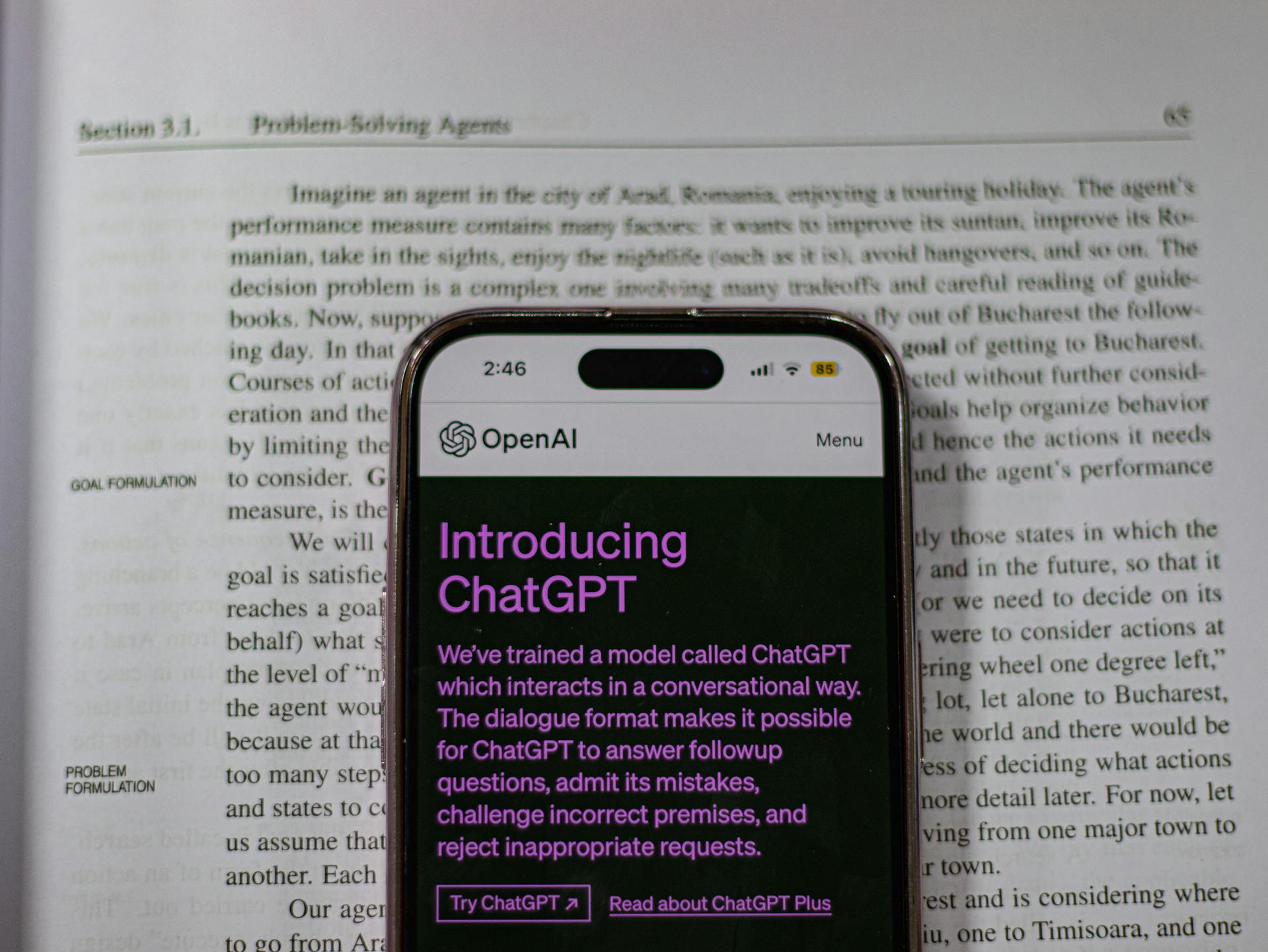
For context, I wrote DELIO Phase One and Phase Two, which some have described as among the very best works of fiction, on AI. These books are a reflection of my fascination with artificial intelligence. So naturally, I’ve experimented a lot with AI tools, mainly ChatGPT. I’ve repeatedly asked it to write in my voice, and it fails every single time. It simply can’t do it. It tries to mimic me, but you can almost chart the point where it loses the thread. The language model predicts what it “thinks” the next word should be, based on patterns and probabilities. That process alone creates a subtle but constant drift. One paragraph in, and the voice is already veering off.
As an experiment, I just now asked it to start me off on the next chapter in the book I’m writing now. It’s the follow-up to my noir thriller, GASLIT, and follows a disgraced former detective called Mike Humber. It’s written in first-person present tense. Here’s what the AI came up with:
“I forgot how brutal night shifts are. It’s been what—nine years? Ten? You go full zombie after a while. Like those ones in The Undead. Not the fast ones. The ones with the yellow eyes who sit in the dark and just breathe.
I get up around midday, maybe later. Not sure. The little clock-radio says something but I don’t trust it. The air in here smells like a stranger’s house. Warm, faintly sour. Like someone else’s duvet.”
The use of the long em dash (—) is the first giveaway. But it also knows I write The Undead, so it’s thrown in a weird reference to that series, then veered off another degree by describing two types of zombies that don’t actually exist in my books.
In the next paragraph, it tries to capture my direct, often humour-driven tone with a bit about the character not trusting the clock-radio. Then it talks about the air smelling like a stranger’s house, followed by a duvet reference that feels like the AI is just throwing sensory words at the wall. I don’t even know what someone else’s duvet smells like. See what I mean? It kind of matches a noir tone, but it’s not good. It’s imitation, not creation.
Because of that, I’d argue it’s actually very easy to spot content written by AI. Unfortunately, that’s exactly what’s behind the vast majority of social media posts now, especially anything commenting on trending topics or popular media.
Using AI to help shape your story is not cheating. It’s smart. It’s no different from using a notebook, a whiteboard, or a friend who listens while you talk through a plot point. Technology is supposed to help us. That’s the point.
AI, for now at least, isn’t the end of writing. The craft still belongs to the writer. The soul of the story still has to come from a human.
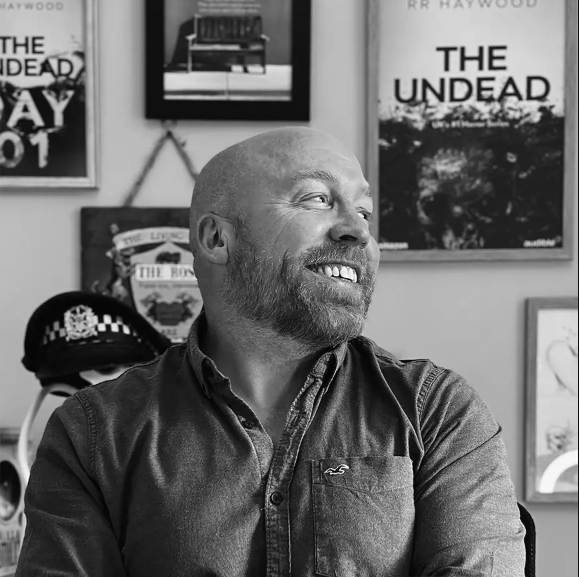
RR Haywood is one of the world’s bestselling fiction authors, known globally for his zombie and science-fiction series of books. His work, much of which was self-published, has sold millions of copies around the world, making him one of Britain’s most successful ever self-published novelists in these genres. Delio Phase One and Delio Phase Two, his latest bestselling novels that explore these ideas, are available now on Amazon.
Main photo: Shantanu Kumar/Pexels