The first memoir of Sir Richard Francis is both an intimate portrait of a pioneering champion of public broadcasting and a snapshot on the BBC at the height of its power, finds John E. Kaye
The BBC has long been held up as a pillar of democracy, with a central purpose to keep the public informed, impartially, independently and without fear.
In The BBC’s Last Warrior-Statesman, we discover how that role was safeguarded under immense pressure, both from those external to the Corporation and those within.
Stephen R.W. Francis’ memoir of his father, Sir Richard (‘Dick’) Francis reveals one of the BBC’s most formidable leaders. A man who helped bring the broadcaster firmly into the modern age and who then stood firm to protect its core values during its most turbulent era.
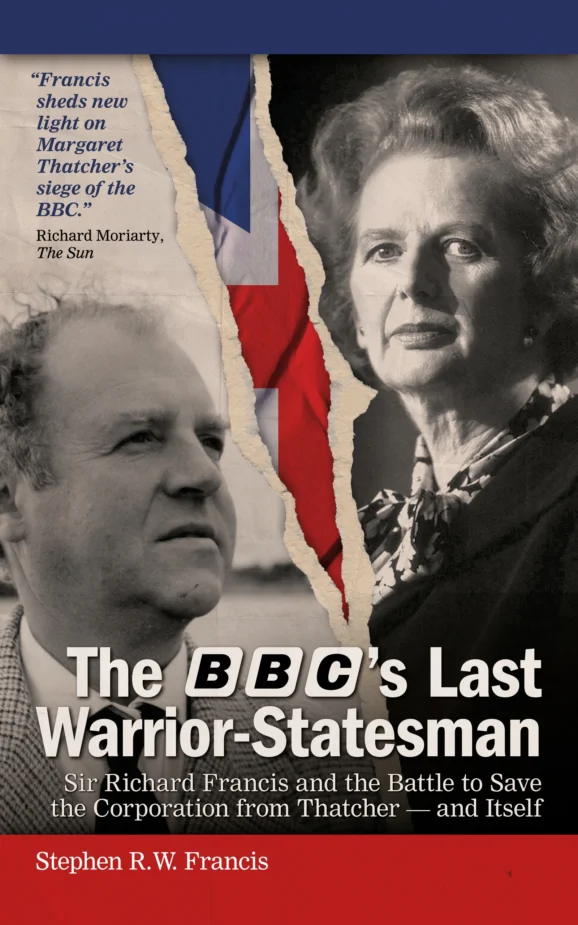
After joining the Corporation in 1958, following National Service, the doughty Yorkshireman rose quickly, becoming part of the new generation of producers who led Director-General Hugh Greene’s push to “open the windows” and remould the broadcaster into an outward-facing institution committed to sharp, independent journalism.
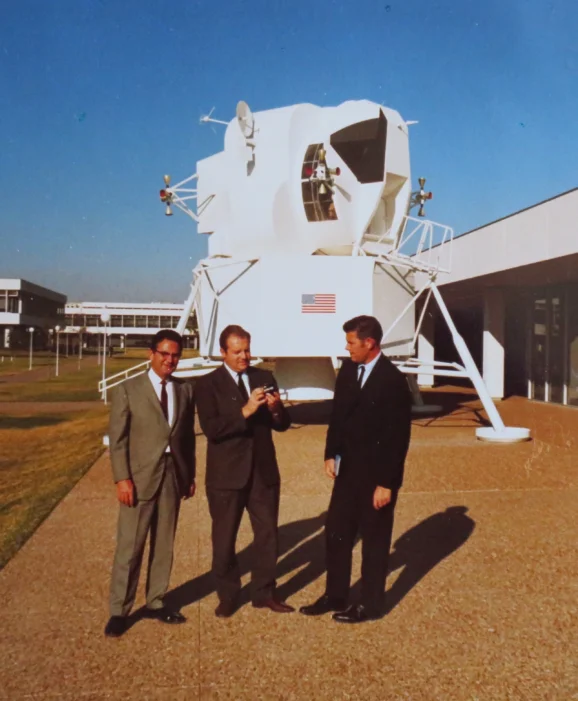
Dick quickly made his name on flagship current affairs programmes such as Panorama, and oversaw the BBC’s coverage of the Kennedy assassination, the Apollo 11 moon landing, and multiple UK general elections.
But this period of his life also, at times, reads like a Boy’s Own adventure. He filed reports from war zones including Vietnam, went undercover in Central Africa, and earned a reputation as the man to send out when the story was big and the risks were high.
But the real turning point came with his appointment as Controller of BBC Northern Ireland in the early 1970s, during the height of the Troubles.
Here, the pressures only escalated. Francis kept the newsroom functioning despite bomb scares, incessant government demands for censorship, and threats from paramilitary groups. It was in Belfast that he began to face down the two forces that would define the rest of his career — political pressure from Margaret Thatcher’s Government and mounting nervousness within the BBC itself.
One flashpoint came in July 1979, when the BBC’s Tonight programme broadcast an interview with a masked spokesman for the Irish National Liberation Army (INLA), shortly after the group claimed responsibility for the assassination of Airey Neave MP.
Government figures, already incensed by the murder of Thatcher’s closest political ally, demanded the interview be pulled. Francis, however, stood firm, defending the programme’s public interest value and refused to censor the segment, arguing that the BBC had a duty to expose the motives of such groups and let the public see the kind of people who made such threats. The interview aired, sparking uproar in Westminster, but Francis believed it was just the kind of editorial stand the BBC was there to take
In 1977, he became Director of News and Current Affairs. Five years later, during the Falklands War, the BBC came under heavy fire from ministers accusing it of unpatriotic coverage. Again, Francis refused to be cowed. His defiant response, “The BBC needs no lesson in patriotism”, became a defining moment in the battle for editorial independence.
As the 1980s wore on, however, a more dangerous threat emerged — from within the Corporation itself.
In 1985, the BBC came under direct pressure from Whitehall to block the broadcast of Real Lives: At the Edge of the Union, a documentary featuring interviews with prominent figures from both sides of the Northern Ireland conflict, including Sinn Féin’s Martin McGuinness. The Board of Management, including Francis, approved the programme but the Board of Governors intervened, overruling the decision and pulling the documentary — an unprecedented move.
Francis opposed the move but by then his many stands against internal and external forces for populism, censorship and cost cutting were beginning to weigh heavy. They were to cost him his BBC career. As his son relates, he had also been fighting a separate battle to protect the BBC’s radio services, which he believed were being sidelined in favour of television. He and Director-General Alasdair Milne had never seen eye-to-eye, and with Dick’s refusal to compromise standards, Milne found the perfect opportunity to oust Francis. He was summarily and roughly fired in a manner that left even the Board of Governors squeamish and regretful. The blood-letting by his boss, Milne, was to rebound on him as he was also ousted in a similar manner only months later by Thatcher’s new appointee as Chairman, Marmaduke Hussey. The BBC was never the same again.
After leaving the BBC in 1985, Francis was appointed Director-General of the British Council in 1986. Despite his many clashes with PM Margaret Thatcher, she had backed his application, and, three years later she knighted him. During his time in the Corporation, Dick had been known as someone who loved to travel extensively, much to the dismay of the accounts department, and in his new role, he was able to indulge this passion even more extensively, serving as a global ambassador for British culture and education.
But life as a “cigar-chomping Concorde-traveller” finally caught up with him in the early 1990s, with him dying of a heart attack in 1992, aged just 58.
Writing decades later, his son, Stephen R.W. Francis, has reconstructed his father’s impressive career and achievements through a meticulous examination of personal archives, private letters, internal interviews and official documents.
What emerges is a vivid portrait of a pioneering and redoubtable broadcasting icon; a man who was ahead of the curve when it came to technology — championing the early use of satellite broadcasting and supporting innovations such as Ceefax, the world’s first teletext service — and who was a sentinel of the public’s right to be informed. Without question, he was instrumental in making the BBC fit for the modern era, and the envy of the world.
But at the same time, it is a fascinating snapshot of the Corporation during its Golden Age, when television was bold and, as the title says, “warrior-statesmen” led from the front with clear purpose and resolve.
The BBC’s Last Warrior-Statesman is a hefty book, coming in at more than 500 pages, but like the very best TV programmes, it’s unmissable, delivering a riveting account of the power struggle that defined a generation and so much more.
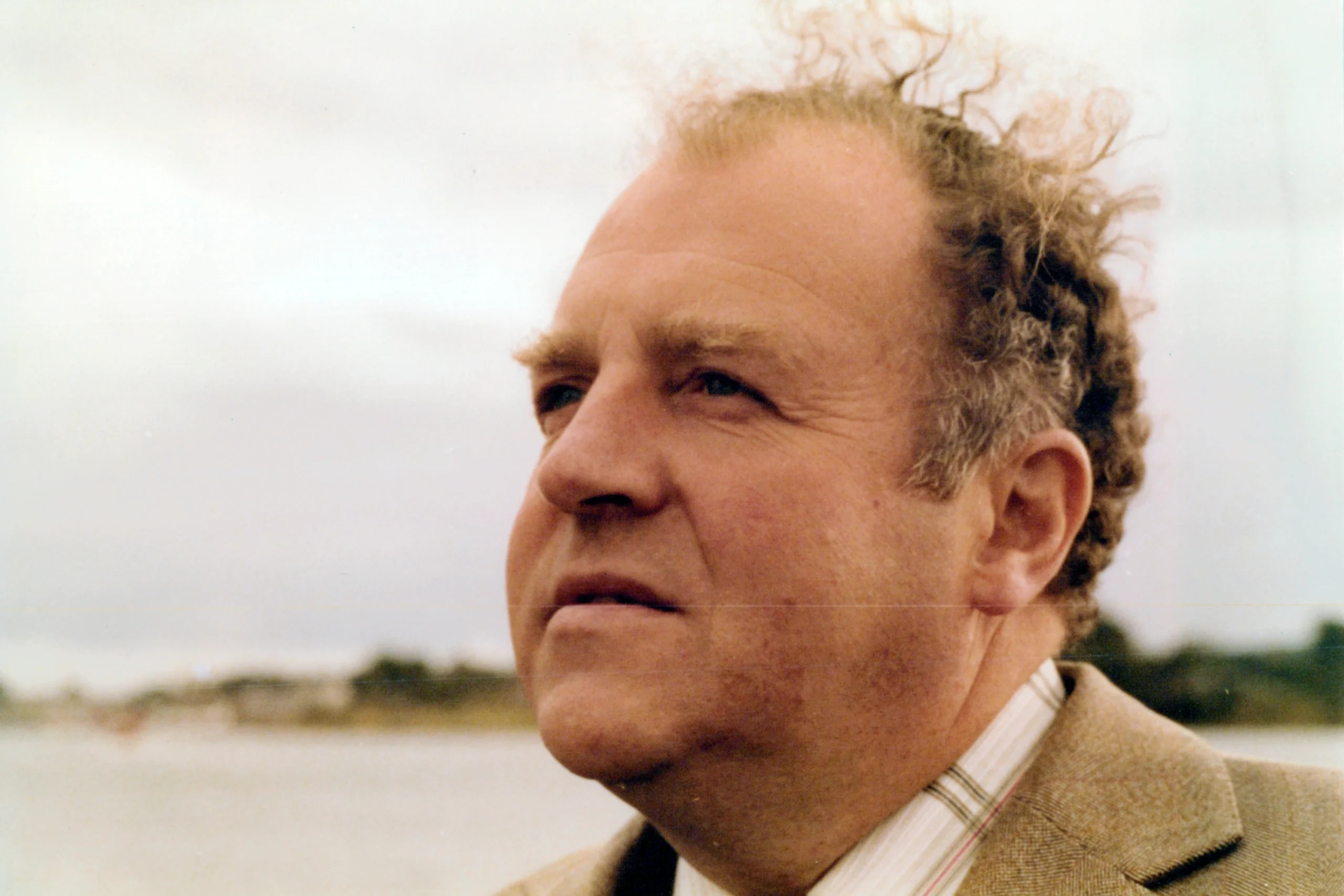
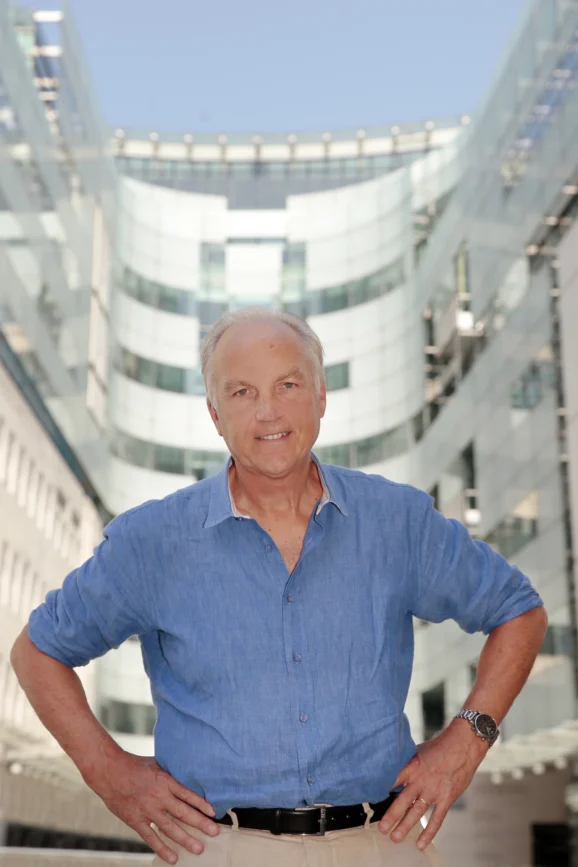
Main image: Dick Francis, the BBC’s last warrior-statesman. Photo: Supplied.