The Last of Us may be fiction, but parasites that alter behaviour are real. Some already change how animals act — and the next global pathogen could subtly rewire us too, writes Professor Tim Coulson
Periodical cicadas lead unusual lives. Every 13 or 17 years, depending on the species, the adults emerge in huge numbers, mate, and then die about a month later. After mating, the females lay their eggs in thin twigs. The eggs hatch a couple of months later, the nymphs emerge, and then start burrowing. Depending on the species, they spend the next 13 or 17 years underground, attached to a root, feeding on the sap of trees. It’s a long, slow juvenile stage for a few short weeks of lust.
But there’s a fungus intent on playing havoc with the cicadas’ plans.
Massospora cicadina is a fungus that infects periodic cicadas, producing mind-bending chemicals that alter their behaviour, making their genitals fall off along with the end of their abdomen, replaced by a mass of fungal spores. The disease is the stuff of nightmares. It eats away at the body while turning infected insects into sexual deviants.
Once the nymphs have completed their many years underground, they make their way to the surface, where between two and 5 per cent become infected with tough fungal spores before they emerge into the light. At first, infected cicadas look normal. But within a week or two, their abdomen, including their genitals, starts to disintegrate, being replaced with a powdery mass of spores called ‘conidia’. Both males and females can be infected.
The fungus then produces a hallucinogenic chemical that changes the mating behaviour of the cicadas. Infected males will attempt to mate with females, spreading the spores to them, but will also act like females, attracting healthy males to mate with them too. These healthy males can pick up spores and become infected themselves. During this stage of its life cycle, Massospora cicadina is a sexually transmitted disease.
Towards the end of the breeding season, a tougher type of fungal spore is developed, which can lie dormant in the soil until the next emergence of the periodic cicadas, years later. And so the cycle repeats itself: some nymphs survive for over a decade underground, only to emerge above ground to be slaves to a fiendish fungus.
A genital-dislodging fungus is not going to be a threat to people. Unlike periodic cicadas, we would notice if a partner were to disrobe before sex only to be genital-free.
However, behaviour-altering pathogens have evolved to infect humans and other mammals to help their spread. Rabid animals are driven to try to bite others to spread the awful disease they carry.
There is currently considerable debate among scientists over how prevalent behaviour-altering diseases are likely to be in mammals, including humans. Various papers have made claims for an important role of one pathogen in altering mammalian behaviour, while other researchers have retorted that the claims are overblown and have been hyped by the media.
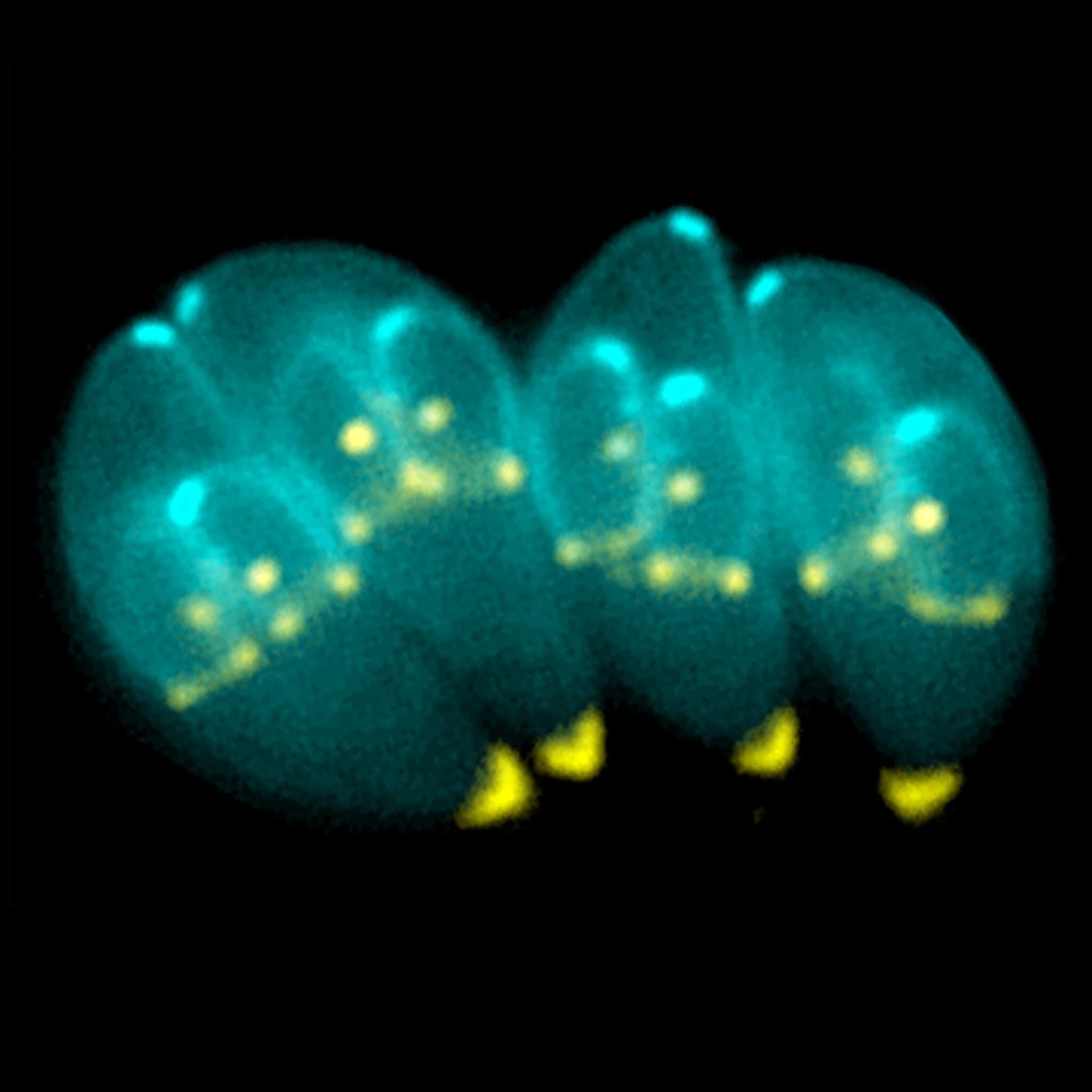
Toxoplasma gondii is a widespread parasite that can infect mammals. The single-celled bug is a protozoan, a relative of the pathogen that causes malaria. Its effects on rodents are taught in many biology undergraduate degrees, with the usual take being that the disease causes rats to lose their fear of the smell of cats, leading them to be predated — helping the bug spread through the cat population.
More recent work has reported that hyena cubs infected with Toxoplasma gondii are less fearful of lions than those uninfected, leading to a higher risk of predation — again, potentially aiding parasite transmission. In North America, wolves infected with the bug exhibit more risky behaviour, including dispersing away from their birth pack and being more likely to challenge for alpha status. There are even reports that Toxoplasma gondii infection in humans can produce neurological disorders including schizophrenia and addiction.
Another set of papers argues that the evidence underpinning these claims is not particularly strong, and that behaviour-altering pathogens in mammals are likely to be rare and relatively unimportant. At least one of these papers questions whether interest in mind-altering bugs has been driven by media hype, as they do produce a good, potentially shocking story.
One reason why this debate has developed is because many of the reports of the effects of Toxoplasma gondii are from observational data rather than experiments. Observations are an important part of the scientific process and should ideally lead to hypotheses that can be tested with experiments. The identification of mechanisms for how an infection can alter behaviour is also helpful. Recently there has been some work in both of these areas.
An elegant experiment on rodents has provided the best evidence I am aware of that Toxoplasma gondii does impact rodent behaviour. It does so by reducing general anxiety in mice, causing them to participate in risky exploratory behaviours. Infected individuals with more cysts — an indirect measure of how badly an animal is infected — tended to take more risks, increasing their chance of being predated. There is now compelling evidence that the pathogen can increase its rate of spread by modifying mammal behaviour. But how does it do this?
The protozoan produces molecules that interfere with the chemicals influencing behaviour. They do this by changing patterns of gene expression, altering concentrations of chemicals such as dopamine, associated with the brain’s reward system, influencing feelings of pleasure, motivation, and attention. The pathogen affects the mental state of rodents, making them more prone to risky behaviour. It doesn’t hijack the host’s brain in some science-fiction sense, but it does tweak the biochemistry enough to alter decision-making in ways that help the bug spread.
Although flesh-eating zombie scenarios like those depicted in The Last of Us are likely to remain pure fiction, as we learn more about how pathogens like Toxoplasma gondii operate, we may discover that pathogens can alter our behaviour beyond coughing and sneezing to help them spread.
Felines are a key host of Toxoplasma gondii. The protozoan does not simply make rodents less responsive to cat odour; it reduces anxiety, and this shift in behaviour increases the likelihood they’ll be eaten.
But there aren’t many animals that eat us, so if humans became a primary host, the parasite would need a different strategy to aid its spread, not making us greater risk-takers but, instead, more sociable.
While we can’t accurately predict what evolution will create in the future, if Toxoplasma gondii mutated so humans became its main host, it could, for example, evolve chemicals that make their hosts more sociable and that could increase transmission within a population.
How social we are is, at least partially, under the control of hormones. And if a future variant of Toxoplasma gondii were to make people more sociable — into the ‘friendly infected’, if you like — it might spread via bodily fluids – potentially even through saliva.
So next time you decide to go clubbing, head to a packed bar, or attend a football match, the reason might be a little more sinister than just a desire to have a good time.
Professor Tim Coulson is a biologist at the University of Oxford, where he has led both the Zoology and Biology departments. He previously headed Population Biology at Imperial College London and held positions at Cambridge University and the Institute of Zoology London. A highly decorated scientist with awards from major institutions including the Royal Society, he has edited leading journals and served on Government advisory boards. His first book for general readers, “A little History of Everything: from the Big Bang to you” (Penguin Michael Joseph), traces the 13.8-billion-year story from the Big Bang to human consciousness and is available to buy on Amazon. He is co-host of the Science of the Times Podcast.
Main image: Courtesy, Ke Hu and John M. Murray (Creative Commons)