The close relationship between the pet food industry and veterinary profession has led to widespread misinformation, unethical practices, and a system that prioritises profit over animal welfare. Now is the time to burst its bubble, writes Dr Tom Lonsdale
Throughout history, markets have been shaped by cycles of boom and bust, driven by speculation, irrational exuberance, and, often, blind faith in the unsustainable. From the frenzy over tulip bulbs in 17th-century Holland to the meteoric rise and crash of internet stocks during the Dot Com Boom of the late 1990s, these economic bubbles share a common trajectory: rapid growth fuelled by overconfidence, followed by sudden collapse as reality sets in.
The veterinary industry has been in such a bubble for decades – a bubble that mirrors past economic phenomena where overvalued or worthless assets led to market collapse. Yet unlike those bubbles, which burst when investor confidence waned, the veterinary sector continues to expand, sustained in my view by questionable practices and consumer misconceptions.
As far back as 1991, the Australian veterinarian Dr. Breck Muir raised concerns about the commercialisation of veterinary medicine, pointing to what he described as a “perfectly engineered commercial circle.” His argument was that certain problems in pet care are artificially created, only for expensive treatments to be offered as solutions.
One of the central issues Muir identified was the prevalence of highly processed pet foods—industrial-grade products that have become the norm in pet care. These foods, he argued, lead to chronic health issues in pets, such as digestive problems and long-term suffering. Despite this, many veterinarians endorse these ultra-processed diets, claiming they are “complete,” “balanced,” and “scientifically formulated.”
For over five decades, a significant portion of the veterinary profession has perpetuated these claims, actively advising against more natural, raw diets for pets. This, in turn, has shaped the beliefs of pet owners, who have been swayed by decades of advertising into believing that processed food is the best option for their animals. As a result, consumers spend heavily on these products and subsequently on treatments for the health issues they often cause.
The primary beneficiaries of this system are the transnational pet food companies and veterinary practices themselves. The cycle of dependence on processed pet food, followed by the inevitable need for medical treatments, has given rise to this bubble economy. The ripple effect extends across various sectors, including pet boarding, grooming, pet insurance, and even ancillary products like feeding bowls and artificial dog prosthetics.
The pet insurance industry, in particular, has flourished in this environment, with high veterinary bills driving demand for costly insurance premiums. While capitalism thrives on consumer demand, industries are expected to uphold standards of honesty and fairness. Unfortunately, the relationship between the pet food industry and the veterinary profession has raised ethical concerns, with accusations that pet food companies are exerting undue influence on veterinary research and practice.
Veterinary schools, some argue, are complicit. Allegations suggest that these institutions accept funding from pet food companies, which may influence their research agendas. Rather than questioning the health impacts of processed pet foods, the research often focuses on product development and marketing.
Regulatory bodies, such as the Royal College of Veterinary Surgeons (RCVS) in the UK, have been criticised for their inaction. The RCVS, which both sets and enforces industry standards, has been accused of overlooking these issues. Other regulators, including those overseeing advertising and animal welfare, seem to defer to the veterinary industry’s endorsement of processed pet foods.
Efforts to raise awareness have faced obstacles. Whistleblowers within the veterinary profession have been silenced, with some subjected to disciplinary actions for questioning the status quo. I was one of them. Even within veterinary publications, open discussion about the pet food industry’s practices is often censored.
So, what can be done to address this growing concern? A multi-pronged approach is needed. Governments need to launch inquiries into the relationship between veterinarians and the pet food industry, while regulators should reassess their oversight of advertising and animal welfare. Legal action against instances of animal cruelty and consumer fraud may also be necessary.
In the meantime, pet owners have a role to play. By educating themselves and questioning conventional advice, they can make more informed decisions about their pets’ health, which in turn will lead to a more sustainable and ethical approach to animal care.
The future of the veterinary industry, and the wellbeing of millions of pets, may well depend on a collective willingness to burst this bubble once and for all.

Dr. Tom Lonsdale BVetMed MRCVS is a distinguished veterinary clinician and author with over 50 years of experience. Known internationally as a pioneer and authority on the nutritional and medicinal features of a natural diet for pets. Tom is a vocal advocate against what he perceives as collusion between the veterinary establishment and the pet food industry. He has earned the moniker, ‘The Whistleblower Vet’, for debunking misinformation about pet health.
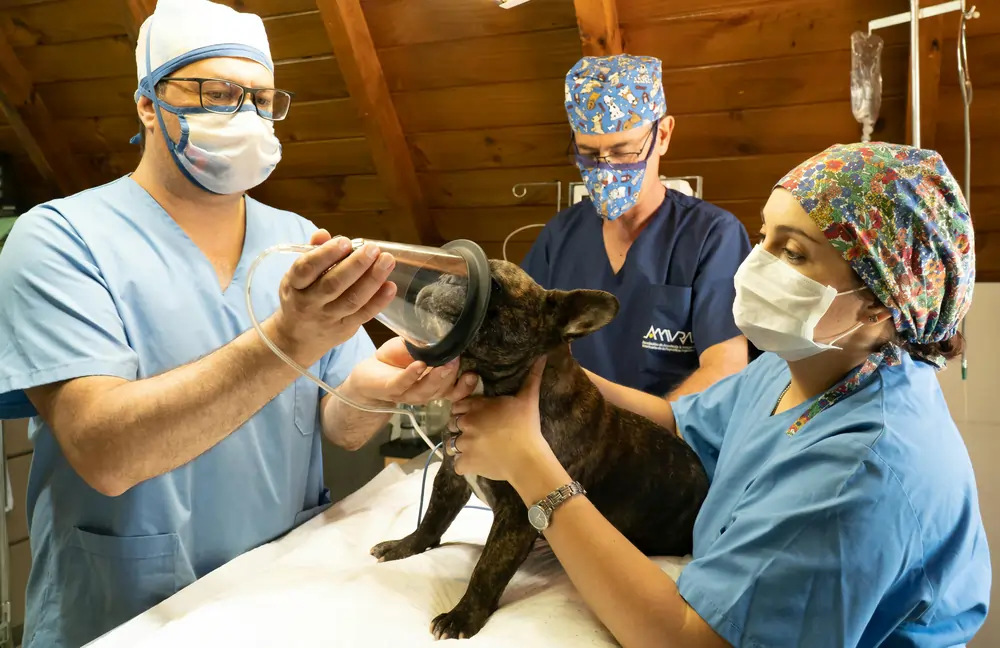
Main image: Courtesy, Juan Figueroa/Pexels