
Public anxiety about Russia has risen sharply but that does not mean Britons support expanding the country’s nuclear capabilities. With the Government committing to a new NATO nuclear role, the danger is that fear will silence scrutiny of a policy that threatens catastrophic destruction rather than guaranteeing security, says Andrew Horn
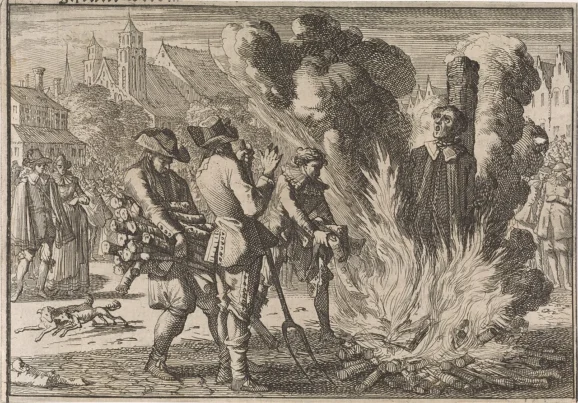
An old friend took me to see Ken Russell’s The Devils after its return to cinemas. The story takes place in Loudun, where the priest Urbain Grandier stands between the authorities and the power they want. Accusations of possession follow, and the film shows how fear of punishment can turn an absurd charge into something people dare not challenge. I came out thinking less about demons than about how frightened people can be induced to agree with dangerous ideas.
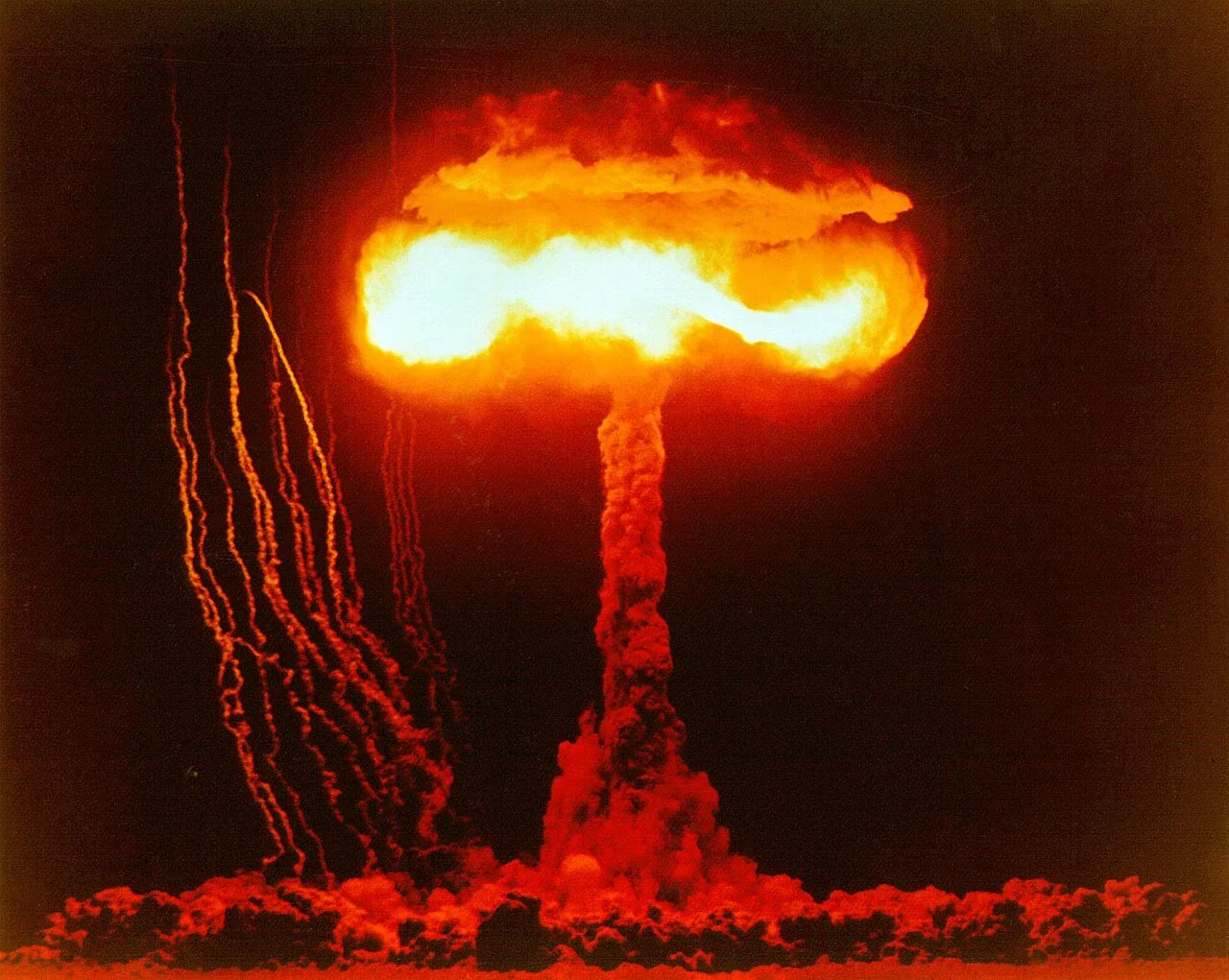
That is what troubles me about nuclear deterrence. Governments speak about these weapons as though their capacity to destroy cities, and perhaps far more, were a reasonable foundation for security. The reasoning has become so familiar that its horror is almost invisible. We are expected to accept that threatening catastrophe will prevent catastrophe. I think that ought to disturb us more than it apparently does.
I am not confusing Russia’s invasion of Ukraine with an invented menace. There is a real war in Europe and a real need to protect people. Fear of further aggression is understandable. What does not follow automatically is that every increase in nuclear capability is a sensible answer. If the threat is genuine, why should the public be less demanding about the remedy?
The public has certainly become more fearful. British Social Attitudes findings published this month show that 89 per cent of people regard Russia as a serious threat to world peace, compared with 41 per cent in 1994. The same research records 56 per cent in favour of more defence spending, the first majority on that measure in the series. These are formidable shifts in sentiment. But the survey does not show that 89 per cent support nuclear expansion, or even that a majority favour Britain taking on a new nuclear role. Being afraid of Russia and approving a particular weapons programme are different things.
Political leaders can use that anxiety to justify decisions that might otherwise face much greater scrutiny. A person who wants protection may appear to have endorsed whatever a government proposes in the name of protection. Yet other polling shows how conditional that apparent agreement can be. In June, YouGov found support for increasing defence expenditure alongside resistance to funding it through cuts to schools, hospitals and other services. The public is capable of making distinctions when asked to confront costs. It deserves the chance to confront the nuclear question with comparable seriousness.
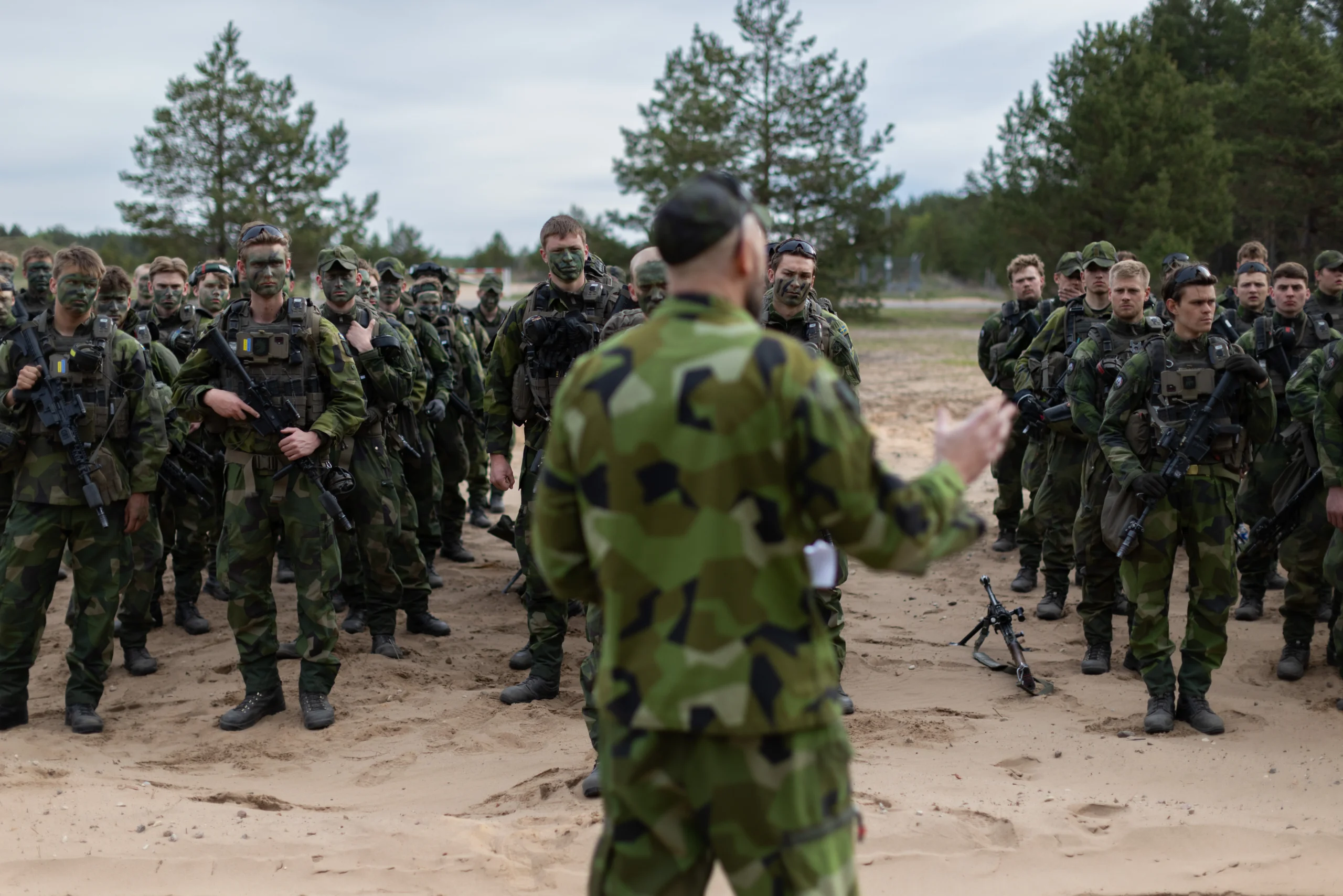
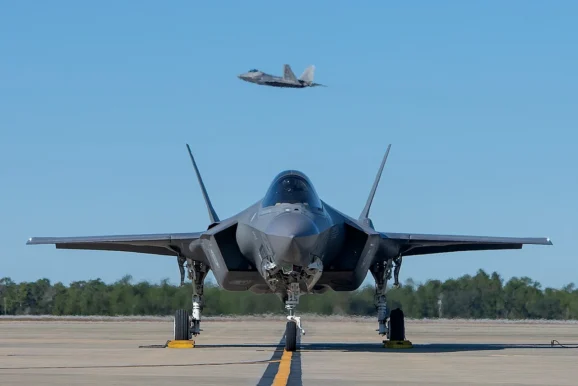
Instead, the Government has already made a substantial decision. In June 2025 it announced that Britain would buy at least 12 F-35A aircraft and join NATO’s aircraft-based nuclear mission, adding another nuclear role to the existing submarine deterrent. Ministers present this as a contribution to alliance security but it’s not evidence that a newly terrified public has demanded this step. Rather, it’s a choice made by government, in a climate in which the case for military expansion is easier to sell.
The defence of deterrence is familiar: an enemy is less likely to attack if the consequences would be unbearable. But we should not glide from that claim to the conclusion that the policy is either morally sound or indefinitely safe. It depends on leaders acting rationally, on threats being understood as intended, and on weapons never being used through error, panic or miscalculation. Its ultimate promise of protection rests on a willingness to inflict destruction on a scale we would condemn in almost any other context. Calling this a deterrent does not remove the underlying threat.
There is also the question of what a British airborne nuclear role would add. How exactly would it make an attack less likely when Britain and NATO already possess powerful nuclear forces? What new danger justifies the costs and risks? We hear the claimed benefit, but the public has not been given a compelling account of why this particular additional means of nuclear threat is necessary. I cannot regard another way to deliver nuclear destruction as progress simply because it is announced under the heading of security.
Warnings about Russia have helped set the atmosphere. In June 2025, NATO Secretary General Mark Rutte said Russia could be capable of using military force against the alliance within five years if allies failed to invest. But that was a conditional warning about future capability, not an announcement of an imminent attack. While it might support stronger conventional preparedness, by itself it cannot prove that Britain needs a new aircraft-based nuclear mission. Yet in a fearful climate it is easy for the distinction between “we face a danger” and “this is the necessary answer” to disappear.
Iraq should have taught us the cost of allowing that distinction to vanish. In 2002 Tony Blair’s government presented its assessment of Saddam Hussein’s weapons with a certainty that the Iraq Inquiry later judged unjustified. The Iraq invasion and today’s nuclear arrangements are different decisions but they show governments can make a terrible policy appear unavoidable by speaking more confidently about the danger than the evidence allows. The public may not discover the weakness of the case until the decision is beyond recall.
I oppose the deeper assumption that another capacity to threaten nuclear annihilation is an advance in civilisation. If our security depends on keeping the possibility of mass destruction alive, we have accepted a profoundly dangerous bargain. We should be reducing our dependence on it, not quietly extending it and presenting the extension as routine.
Britain’s government should therefore be challenged over the F-35A nuclear role itself, not merely invited to produce a better press release. It must show what indispensable protection this new role offers, why less catastrophic means cannot provide it, and what risks the decision adds. Until that case is made, I see no reason to welcome the expansion. The public has not given ministers a blank cheque simply because it fears Russia.
What frightened me in The Devils was how readily the pressure to agree could replace independent judgement. Nuclear weapons demand more independent judgement than almost anything else a government can possess. When fear makes the unthinkable sound sensible, refusing to join the consensus may be the sanest response.

Author Andrew Horn, the son of the great neuroscientist Sir Gabriel Horn and grandson of the socialist peer Baron Soper, is widely regarded as one of the world’s leading experts on traditional Indian and Sanskrit drama whose English translation of the epic 16th-Century Vidagdha Madhava by Rupa Goswami is considered the most accurate ever published. Despite his notable lineage, Andrew chose a different path, becoming a Hare Krishna monk for 20 years. During this time, he was given the name ‘Arjundas Adhikari’, signifying devotion to the hero Arjuna from the Mahabharata. He also appeared on Top of the Pops with Boy George for the singer’s 1991 hit, Bow Down Mister.
READ MORE: Britain should have a Ministry of Peace. Britain prepares systematically for war but gives peace no equivalent institutional weight. A dedicated Ministry of Peace could change that, argues Andrew Horn.
Do you have news to share or expertise to contribute? The European welcomes insights from business leaders and sector specialists. Get in touch with our editorial team to find out more.
Main Image: NNSA / Wikimedia Commons