As Sweden rethinks years of rapid classroom digitalisation, Milosh Zezelj explores why one of Europe’s most technologically progressive education systems is now reinvesting in printed textbooks — and what the shift could reveal about attention, memory and the future of reading itself
For years, the digitalization of education was considered inevitable. Schools rushed to place tablets in classrooms while governments invested billions into educational technology, and Silicon Valley promised a future where learning would become more interactive, personalised and efficient.
Now, Sweden is doing something unexpected: stepping back.
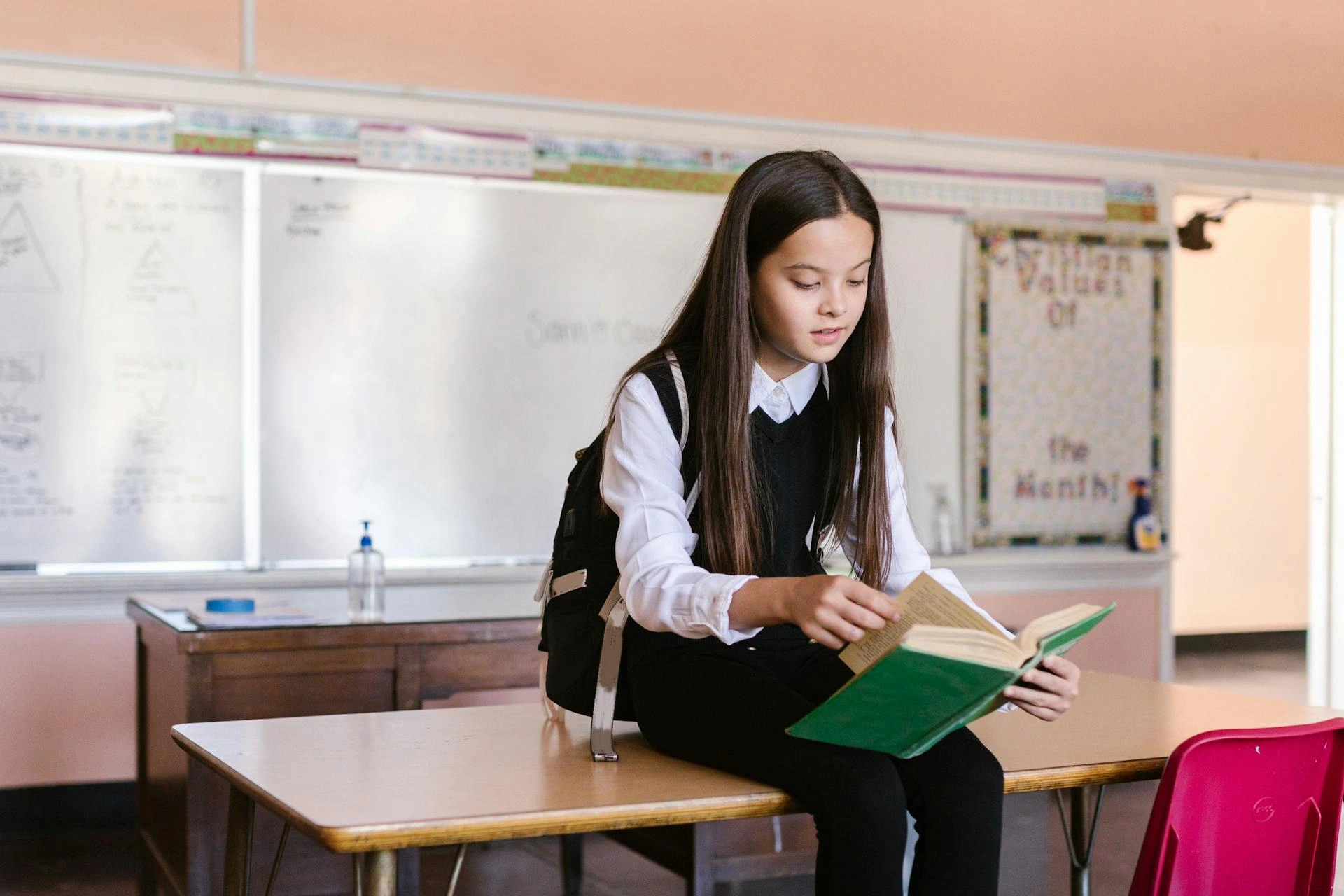
In 2023, the Swedish government announced a renewed investment in printed textbooks, a return to writing on paper and quieter classrooms with less screen exposure, especially for younger children.
The move surprised many because Sweden had long positioned itself as one of Europe’s most digitally progressive educational systems. Throughout the 2010s, Swedish schools became closely associated with a technology-first approach to education, with policymakers presenting digitalisation as part of the country’s broader reputation for innovation and modernisation. The country has spent years integrating digital learning tools into classrooms, including in some nursery and preschool settings.
Now, however, it is questioning whether the rapid digitalisation of learning improved educational outcomes in the first place.
But the debate extends far beyond Sweden, touching something deeper: whether constant digital stimulation is changing how younger generations think, focus, read and remember.
From a communications and publishing perspective, this moment feels culturally significant. Print has long been framed as outdated while digital has been framed as innovative.
The discussion is now becoming less ideological and more evidence-based, driven increasingly by questions around comprehension, attention and educational outcomes rather than assumptions that newer technology is automatically better.
Research increasingly suggests that reading on paper and reading on screens are not cognitively identical experiences.
A 2019 study led by Ágústa Pálsdóttir of the University of Iceland, exploring university students’ perspectives on printed versus electronic learning materials, found that most students believed they concentrated better, retained information more effectively and engaged more thoroughly with printed texts.
Others described digital environments as distracting, fragmented and mentally exhausting. Many repeatedly associated paper with focus and comprehension, while screens were linked to multitasking and interruptions.
These findings correspond with wider academic literature. Research by Anne Mangen, Bente Walgermo and Kolbjørn Brønnick at Norway’s University of Stavanger found that students who read texts on physical paper demonstrated stronger reading comprehension than those reading the same material digitally. Similarly, a review by University of Maryland researchers Lauren Singer and Patricia Alexander concluded that print reading often supports deeper comprehension, especially for longer or more complex texts.
Does this mean technology has no place in education? No, digital tools offer obvious practical advantages, improving usability and adaptability, and helping students search documents instantly, collaborate remotely and access vast libraries of information within seconds.
Sweden has also made it clear that it is not abandoning technology altogether.
The nub of the matter is whether schools embraced screens too quickly and too universally, particularly for younger children whose cognitive and attentional skills are still developing. Sweden increasingly appears to believe they did. Ministers have argued that digital tools should support rather than replace foundational skills such as reading, writing and concentration, and have repeatedly stressed that screen-based learning is not automatically synonymous with educational progress. The government has even reversed plans to fully digitise certain national tests for younger pupils, citing evidence that children in early education learn more effectively through pens, paper and physical books.
There is also a wider dimension to this conversation. Many modern digital platforms are deliberately designed around maximising user engagement and retaining attentional , using features such as algorithmic recommendations, autoplay, notifications and infinite scrolling. Researchers increasingly argue that these environments shape not only how people consume information but also how long they remain engaged with it and the depth at which they process it.
Reading a physical book, by contrast, demands sustained attention in a way scrolling often does not. The concern is not simply that children are using technology, but that deep reading may be declining, and the habits associated with it slowly eroding. Reading long and complex texts requires sustained attention, patience, reflection and the ability to remain mentally engaged without constant interruption. Researchers studying digital reading environments have increasingly warned that screen-based reading often encourages more fragmented behaviour such as browsing, scanning, task-switching and shorter attention cycles.
Perhaps Sweden’s decision is not really about rejecting technology at all. Perhaps it is about recognising whether students actually learn better because of it.
For decades, the publishing industry fought to prove that books could survive in a digital age. Ironically, education may now be rediscovering something readers already understood instinctively: that the physical act of reading, highlighting important information, flipping through pages and annotating margins still matters.
In a culture increasingly shaped by distraction, paper may just have become unexpectedly radical again.

Milosh Zezelj is a Swiss author with international publication experience and exposure to the European book fair circuit. He works in communications and branding, speaks multiple languages and operates across several European markets. As European Books & Culture Correspondent for The European, he contributes editorial on books, publishing and cultural trends across the continent, including new titles, cross-border literary movements and developments shaping Europe’s contemporary cultural landscape.
READ MORE: ‘How a book becomes a ‘bestseller’ (and it’s not what you think)‘. A book labelled a ‘bestseller’ carries the weight of authority and mass approval, yet the reality behind that status is far less straightforward. From opaque ranking systems and strategic sales tactics to the power of visibility and institutional endorsement, the bestseller book is shaped as much by industry mechanics as by reader enthusiasm, discovers Milosh Zezelj
Do you have news to share or expertise to contribute? The European welcomes insights from business leaders and sector specialists. Get in touch with our editorial team to find out more.
Main Image: RDNE Stock project/Pexels