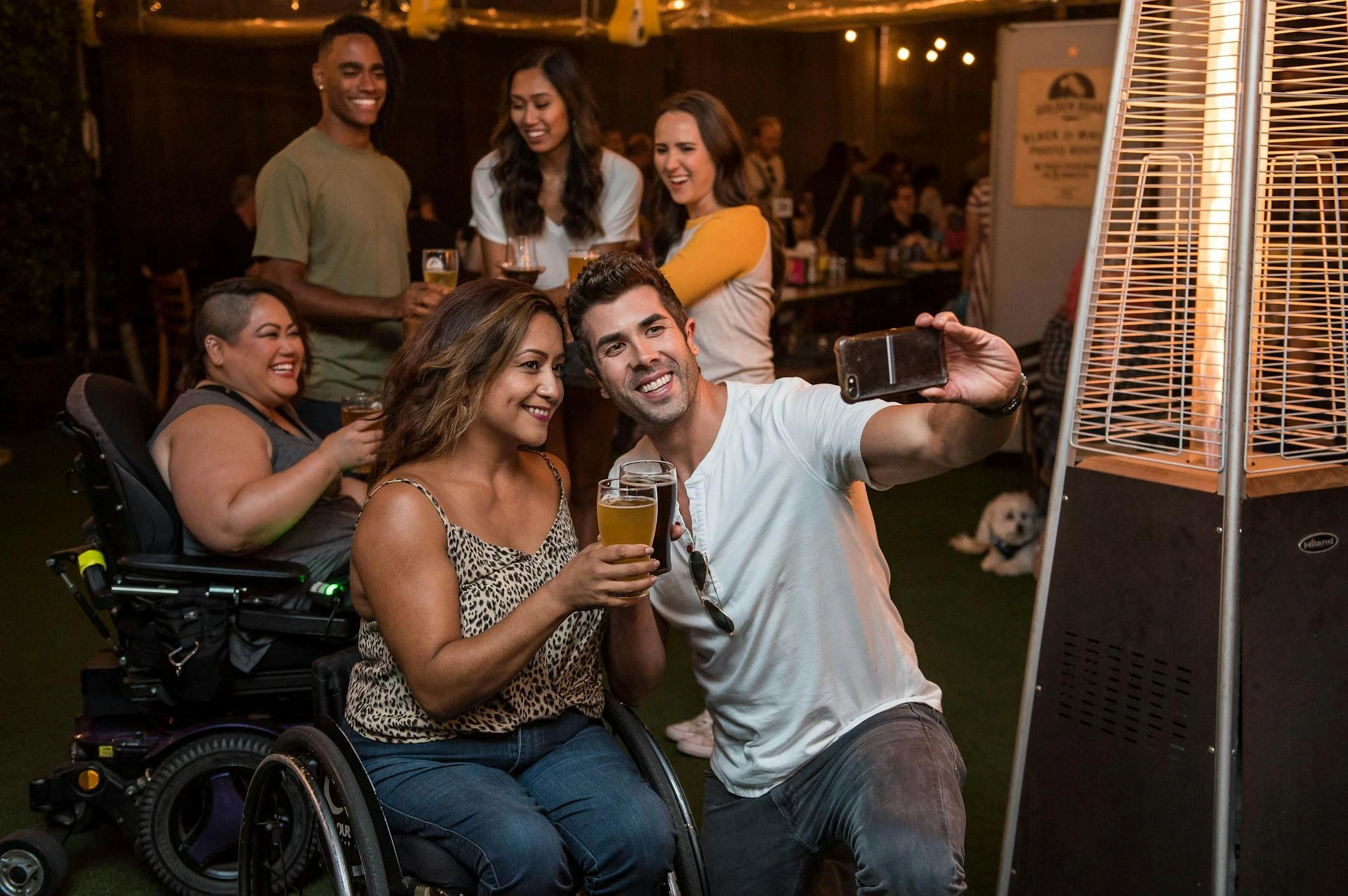
From care and healthcare to transport, advocacy and everyday survival, peer support gives disabled people the practical guidance, solidarity and confidence to navigate systems that too often fail them, writes Matthew Kayne
Living with disability isn’t just about navigating the physical world — it’s about navigating systems, attitudes, and expectations that too often aren’t built for you. I know this all too well. From my experiences in care homes to my battles with social services and healthcare, I’ve faced moments when it felt like the world was designed to overlook me. And in those moments, one thing consistently made the difference: peer support.
Peer support isn’t a luxury. It’s a lifeline. It’s the difference between feeling isolated and feeling empowered, between giving up and pushing forward. When I connect with other disabled people — online, in local networks, or in advocacy groups — I am reminded that I am not alone. We share experiences, trade advice, and offer each other practical and emotional guidance. Simple things — like which wheelchair suppliers deliver on time, which care agencies actually listen, or which transport options are genuinely accessible — can transform day-to-day life.
But the impact goes far beyond the practical. Peer networks foster resilience, confidence, and a sense of belonging. They allow us to speak out in ways authorities or social services often dismiss. They give us the courage to challenge policies that fail us, to hold providers accountable, and to demand the independence and respect that everyone deserves.
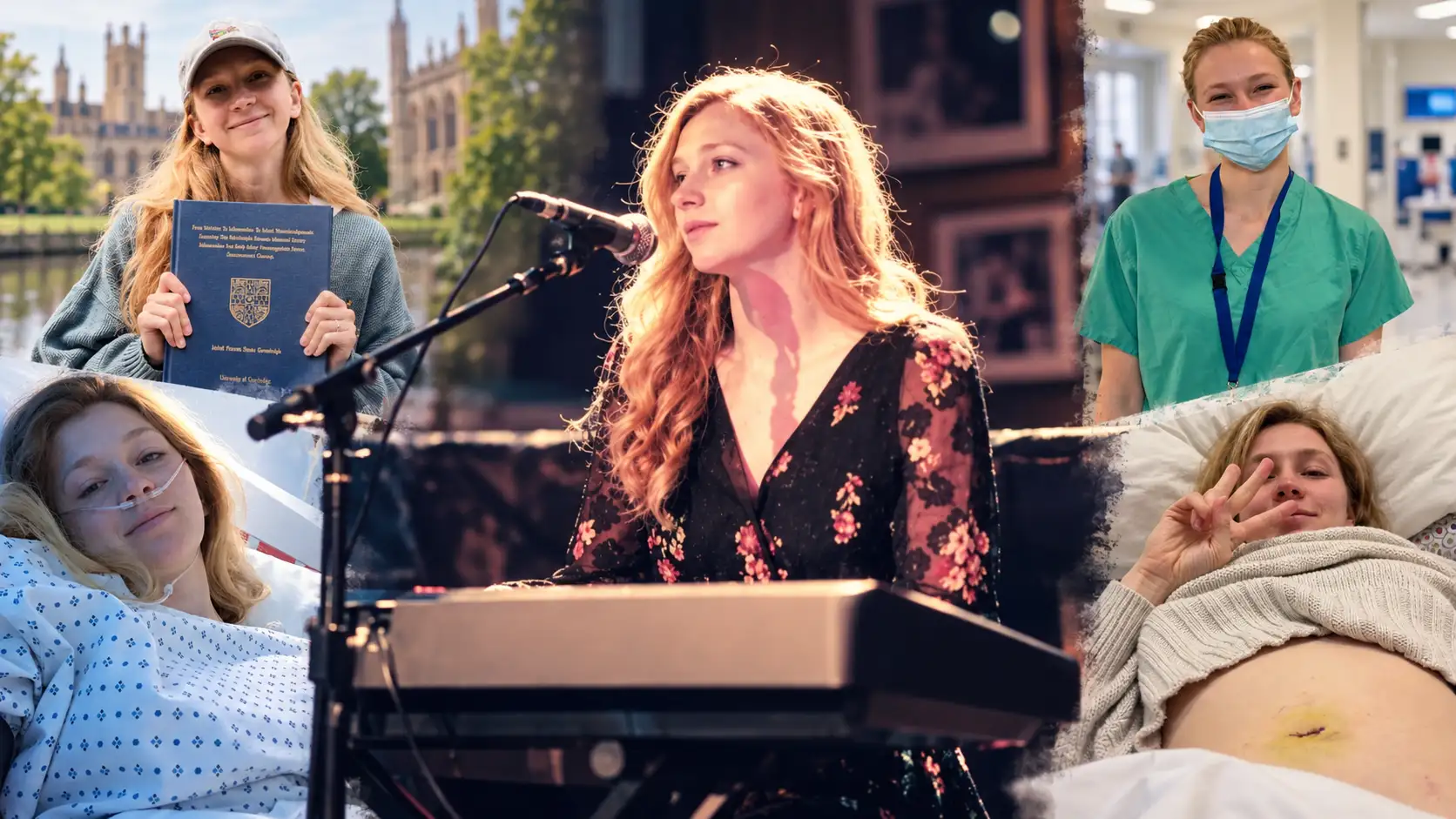
During my own journey with bladder cancer, it was the support of peers that kept me going through hospital stays, treatment, and recovery. I remember sitting in hospital beds, feeling frustrated and unheard, only to receive messages from others who had faced the same challenges. They offered advice, encouragement, and sometimes just a listening ear. That simple connection reminded me that I was not alone — and that my experiences mattered.
Peer support doesn’t only help us survive; it helps us thrive. It nurtures creativity, inspires activism, and builds networks that strengthen our communities. For example, when I started writing about my experiences with healthcare and social care, it was fellow disabled campaigners who gave me feedback, encouragement, and practical guidance. Their support didn’t just validate my voice — it amplified it. We became stronger together, sharing strategies, celebrating victories, and learning from setbacks.
Society often frames disabled people as passive recipients of care or assistance. Peer support challenges that narrative. It shows that we are active participants in shaping our own lives and the systems that affect us. Through peer networks, we transform frustration into collective strength, and isolation into community.
The digital age has expanded this impact even further. Online forums, social media groups, and video calls allow disabled people to connect across cities, regions, and even countries. When I struggled with care delays or bureaucracy, it was these networks that provided guidance on navigating complex systems. They helped me find accessible transport, reliable care providers, and even legal advice. These connections remind us that lived experience is a form of expertise — knowledge that can’t be captured in reports or statistics.
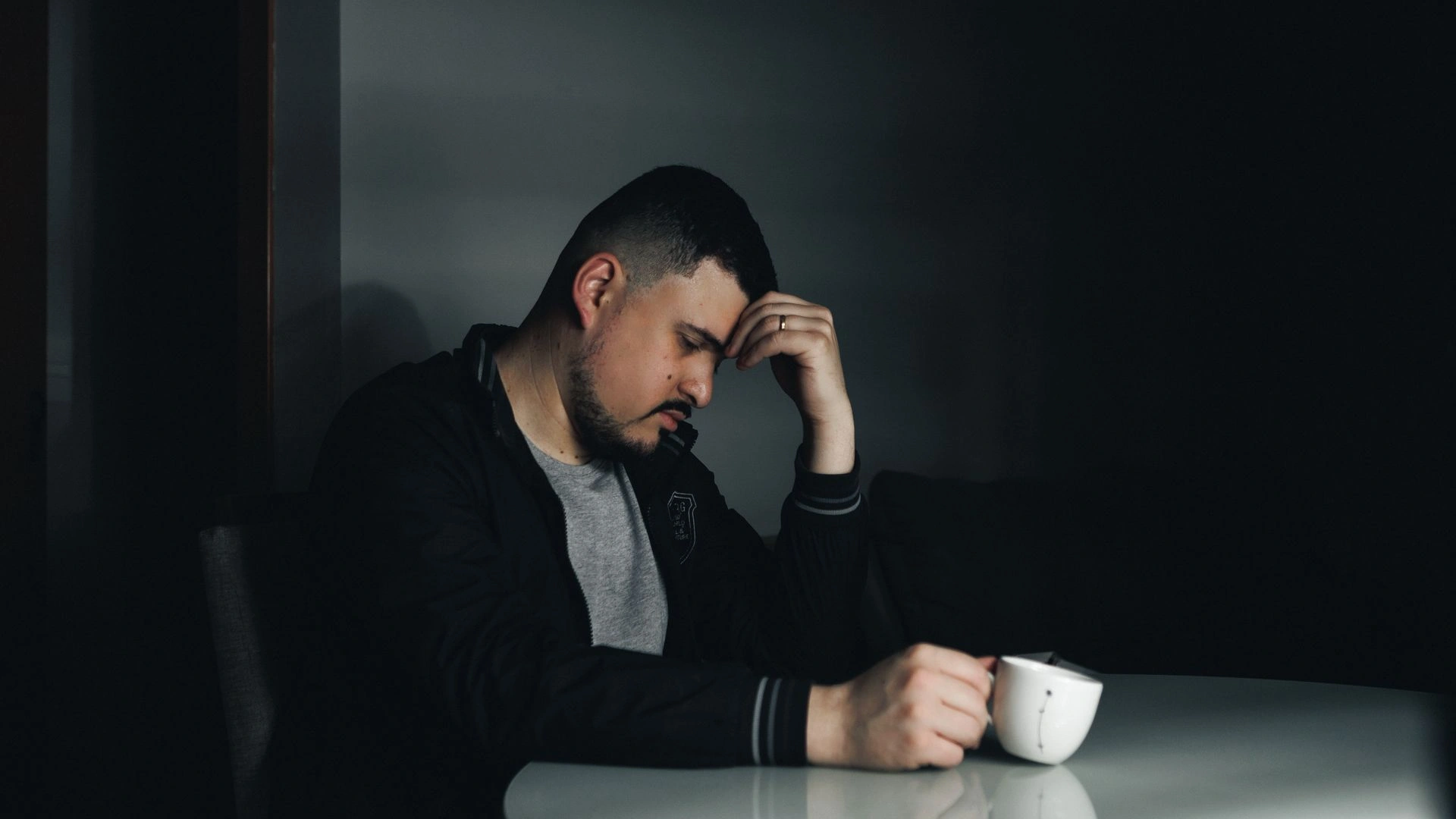
Peer support also benefits mental health. Isolation and loneliness are common among disabled people, particularly for those who live alone or have limited mobility. Connecting with peers combats this, offering empathy and understanding that friends, family, or professionals may not always provide. There’s something profoundly healing in speaking to someone who truly “gets it,” who understands the frustration of inaccessible buildings, care failures, or being overlooked in society.
But for peer support to reach its full potential, society needs to support it actively. Governments, charities, and service providers should invest in peer networks, provide training for volunteers, and facilitate digital platforms that connect people. Importantly, these networks must be led and shaped by disabled people themselves. We understand our own needs best, and our experiences give authenticity to support structures that outsiders often cannot replicate.
Yet even without formal support, peer networks have shown remarkable resilience and creativity. Informal WhatsApp groups, Facebook communities, and local support clubs have become lifelines. They share information about accessible venues, highlight gaps in services, and celebrate each other’s achievements. They create spaces where disabled people feel heard, respected, and valued — something that is too often absent from mainstream society.
My own journey shows the difference this can make. When I started advocating publicly about care services, transport access, and healthcare, it was the encouragement of peers that gave me the confidence to write, speak, and campaign. Their feedback shaped my approach, their solidarity kept me motivated, and their shared knowledge helped me navigate obstacles I would have struggled with alone. Peer support didn’t just help me fight for myself — it helped me fight for others.
This is why peer support must be seen as more than a nicety. It’s a critical pillar of independence, advocacy, and empowerment for disabled people. It nurtures leadership, creates networks of influence, and strengthens the push for systemic reform. In a world that often marginalizes disabled voices, these networks ensure that we are seen, heard, and understood.
Ultimately, peer support teaches a powerful lesson: disability is not weakness, and challenges are not insurmountable when we stand together. When disabled people connect, we lift each other — and in doing so, we lift society.
Imagine a country where every disabled person has access to a supportive network, where advice, empathy, and advocacy are just a call or message away. Imagine a society where the expertise of lived experience is valued, where isolation is replaced with solidarity, and where systemic barriers are challenged by those most affected. That is not just possible — it is essential.
Peer support doesn’t replace systemic reform — we still need accessible transport, fair social services, and inclusive workplaces. But it empowers us to demand change and sustain us while we fight for it. It reminds us that even in the toughest moments, we are not powerless.
Because when disabled people come together, we do more than survive. We thrive. We lead. We inspire. And in doing so, we remind the world that inclusion is not optional — it’s a measure of humanity itself.
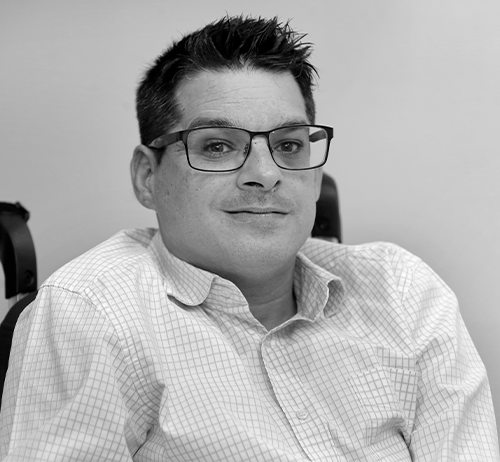
Matthew Kayne is a broadcaster, political campaigner and disability rights advocate who has turned personal challenges into platforms for change. He is the founder and owner of Sugar Kayne Radio, an online station dedicated to uplifting music and meaningful conversations, and the leader of a national petition calling for reform of the UK’s wheelchair service. Living with cerebral palsy and a survivor of bladder cancer, Matthew channels his lived experience into advocacy, broadcasting, and songwriting. His long-term ambition is to bring this experience into politics as an MP, championing disability rights, healthcare access, and workplace inclusion.
READ MORE: ‘A new generation of disability rights leaders is reshaping Europe‘. Across Europe, young disabled leaders are using social media, culture and public advocacy to push institutions to rethink accessibility, representation and opportunity. Matthew Kayne explores how this emerging generation is influencing the future of disability rights.
Do you have news to share or expertise to contribute? The European welcomes insights from business leaders and sector specialists. Get in touch with our editorial team to find out more.
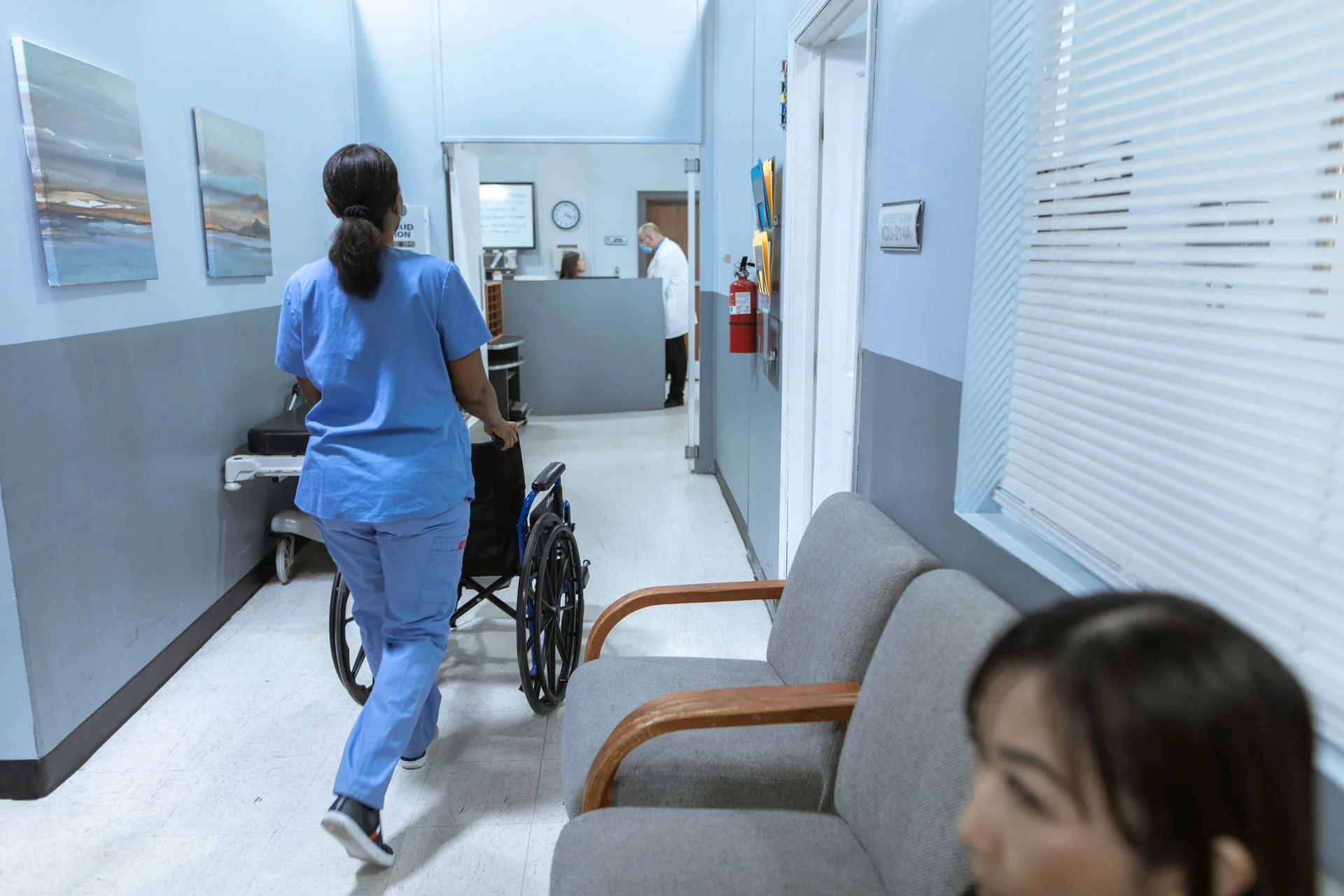
Main image: Pexels