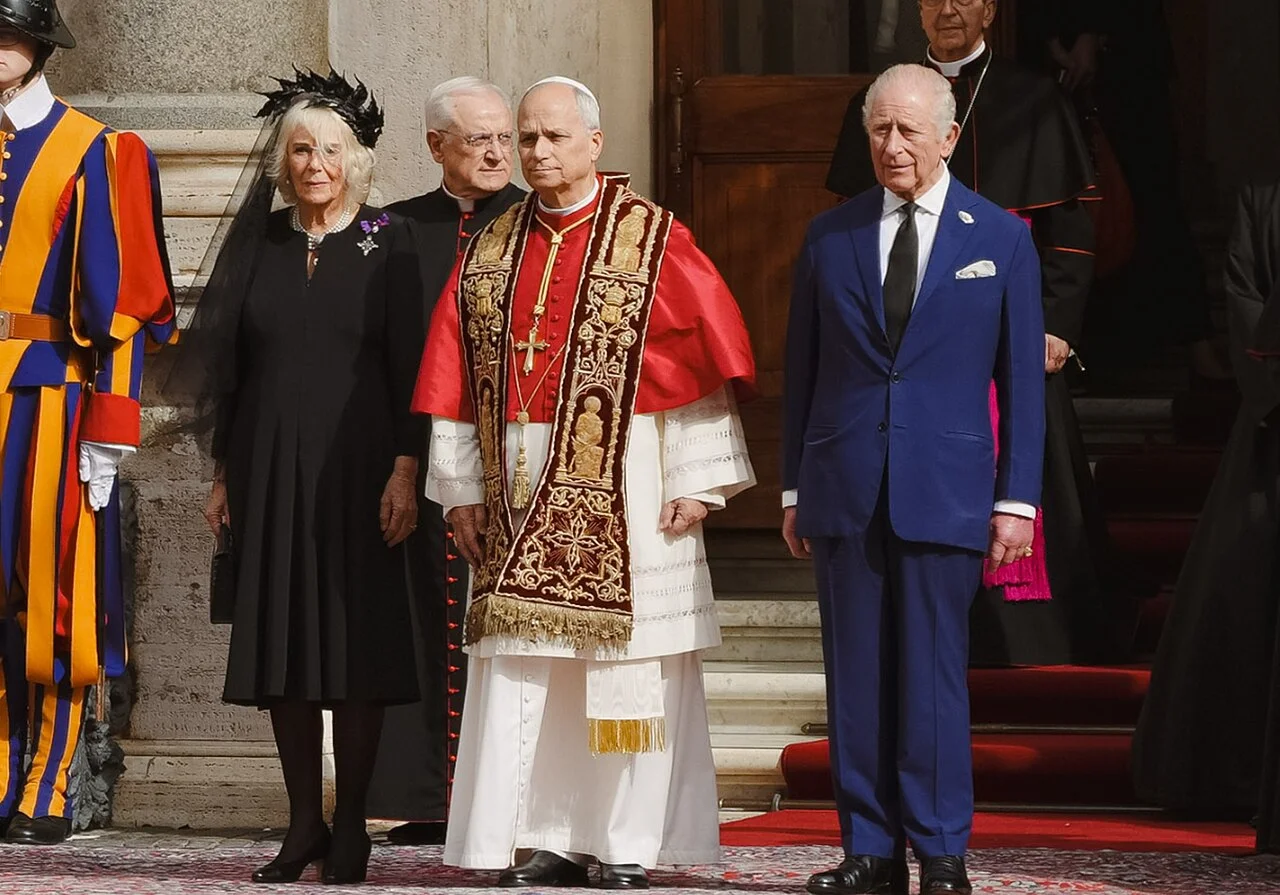
Donald Trump’s recent public clash with Pope Leo XIV over the war in Iran has once again highlighted the significant sway religious leaders continue to wield in public life. While Trump’s outspokenness has attracted criticism, Harry Margulies argues that institutions exercising moral and political influence should not be shielded from scrutiny simply because they claim divine authority
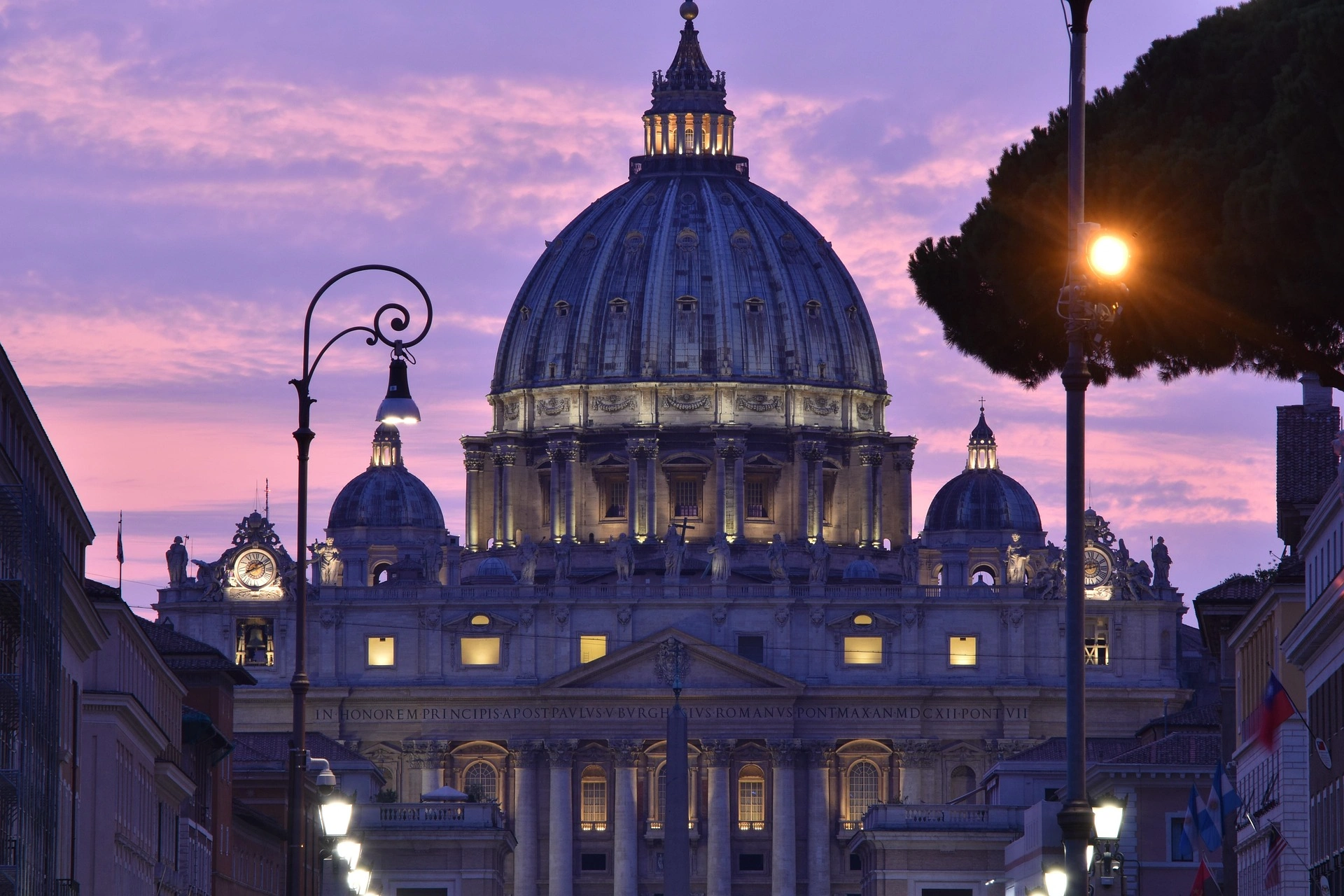
The Roman Catholic Church is one of the most durable organisations in human history, surviving empires, wars, reformations and political upheaval. Its leaders are tasked not merely with defending doctrine but with keeping the institution itself relevant. On that measure, the Church has been extraordinarily successful for nearly 2,000 years.
That institutional longevity has also depended on the Church’s ability to operate alongside political power across radically different eras and systems of government. The Church has largely managed to preserve relationships and maintain influence, even in increasingly secular times. The most recent incumbent, Pope Leo XIV, continues to shape debates on immigration, war, economics, climate policy and social values, often speaking not merely as a religious figure but as a global moral authority.
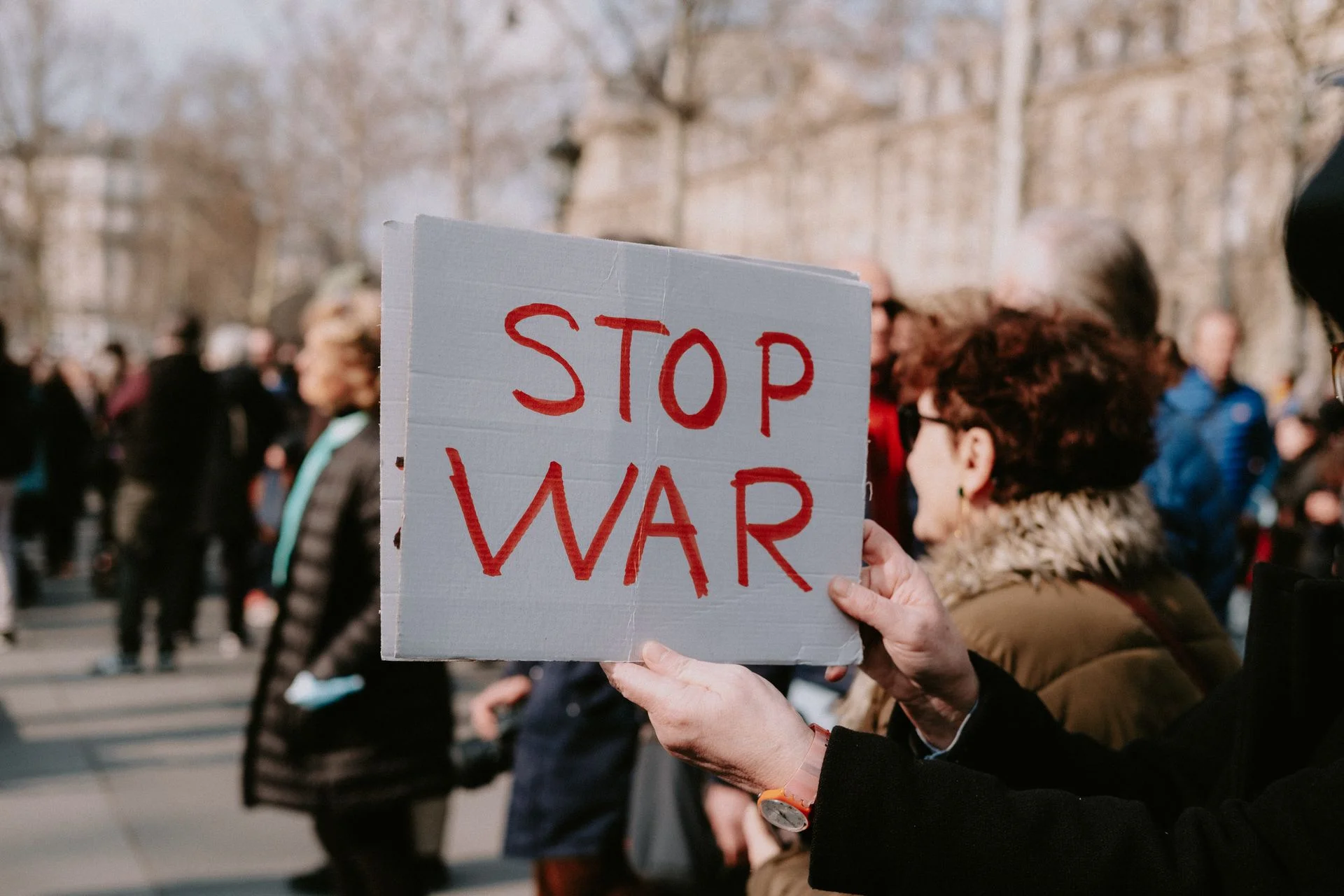
But when the Pope and the President of the United States clash publicly, as has recently been the case — and despite criticism of Trump’s outspokenness over the dispute — it raises a deeper question: What moral authority do religious leaders actually possess when they speak on secular political issues?
Too often, when religious figures or interpreters of scripture speak, critical scrutiny seems to fade rather than intensify. From The New York Times to the BBC and CNN, coverage of clashes between Pope Leo and Donald Trump has frequently treated the Pope primarily as a moral authority rather than as the political leader of a powerful and historically fallible institution.
The scrutiny routinely applied to governments, corporations or billionaires often seems to soften in the presence of religious authority, and this deference extends well beyond Catholicism itself.
Across both the United Kingdom and Canada, religious commentators and clergy are frequently treated as moral authorities even when their interpretations of Christianity differ sharply from one another and evolve alongside changing social norms.
In the UK, Peter Hitchens approaches Christianity through a distinctly Anglican lens, while Anne Widdecombe does so through Catholicism. Former Reverend Calvin Robinson became controversial for refusing to support LGBTQ inclusion within Anglicanism despite the Church itself moving in the opposite direction.
In Canada, British-Canadian writer Reverend Michael Coren — raised Jewish, later Catholic, then Anglican — publicly reversed his earlier opposition to same-sex marriage and apologised for his previous position.
These individuals are entirely free to evolve in their thinking. Yet their disagreements also demonstrate that there is no universally agreed interpretation of scripture, even among committed believers speaking with theological confidence. Like all religious apologists, they are ultimately interpreters of scripture rather than neutral authorities.
These disputes should matter to us because religious institutions derive much of their public authority from claims of access to enduring moral truth. Yet the interpretation of that truth often appears fluid, contested and historically adaptive.
Many Churches have increasingly embraced LGBTQ inclusion and ordained women as ministers or priests — positions that appear difficult to reconcile with traditional readings of parts of the New Testament.
To be clear, I have no objection to these developments. It may, however, be more intellectually honest to acknowledge that this represents not merely reinterpretation but adaptation: religious institutions evolving alongside wider social and cultural change.
If doctrine can shift so dramatically across time, denominations and cultures, on what basis should religious institutions continue to claim exceptional authority in political and moral life?
At some point, one must ask whether the Church is interpreting God or positioning itself above Him.
Alternatively, it may be more accurate to view it as a human institution that adapts to cultural change while retaining the language and authority of divine legitimacy.
No religious institution embodies this tension between divine authority and political influence more clearly than the Catholic Church.
The Pope represents a Church that claims to be the one true Church founded by Jesus. Such a claim implicitly renders all other churches — and indeed all other religions — mistaken.
He also leads a Church that upholds the idea of papal infallibility and divine guidance through the Holy Ghost. Yet the institution’s history includes torture, executions, wars against unbelievers, and long periods in which the Church exercised immense political and social control.
In the present day, the Pope speaks frequently of dialogue and partnership with other religions. Yet his criticism of violence against Christians globally has not always appeared especially forceful or consistent.
Nor has he been particularly outspoken regarding regimes such as Iran’s leadership, which represses its own population while projecting militant influence abroad. It is difficult to ignore the broader geopolitical realities of a regime that demonstrates hostility towards other nations and supports militant activity. Such risks would be magnified further if nuclear capability were ever acquired.
Yet the Church’s claim to exceptional moral authority is complicated by both historical and theological tensions.
The New Testament includes “render unto Caesar what is Caesar’s”, suggesting a distinction between spiritual and political authority, while also portraying Jesus as saying he came not to bring peace but a sword. Such complexities are often ignored when journalists instinctively align themselves with modern ecclesiastical rhetoric.
Equally concerning is the Church’s institutional history. It is unlikely that it would have relinquished power voluntarily without pressure from secular and humanist forces. Accountability has often followed external constraint rather than internal reform.
The New Testament also records Jesus making what appears to be an absolute promise: that whatever is asked of the Father in his name will be given.
If taken literally, this invites another uncomfortable question: Why is the Church asking for money to solve its problems while encouraging believers to rely on prayer to solve theirs?
Despite these historical, theological and institutional inconsistencies, the Pope continues to speak from a perceived moral high ground, as though the authority of the office itself substitutes for argument.
There is, therefore, good reason to examine the Pope’s moral authority far more critically than is often the case. And the same principle applies to all major religious organisations.
If any such institution exerts influence over the affairs of the state in addition to affairs of faith, then the same scrutiny routinely applied to governments, corporations and other centres of power must likewise be applied to them.
The Church — whether Roman Catholic, Anglican or any other denomination — may be one of the most successful institutions in human history. That does not, and should not, place it above scrutiny.

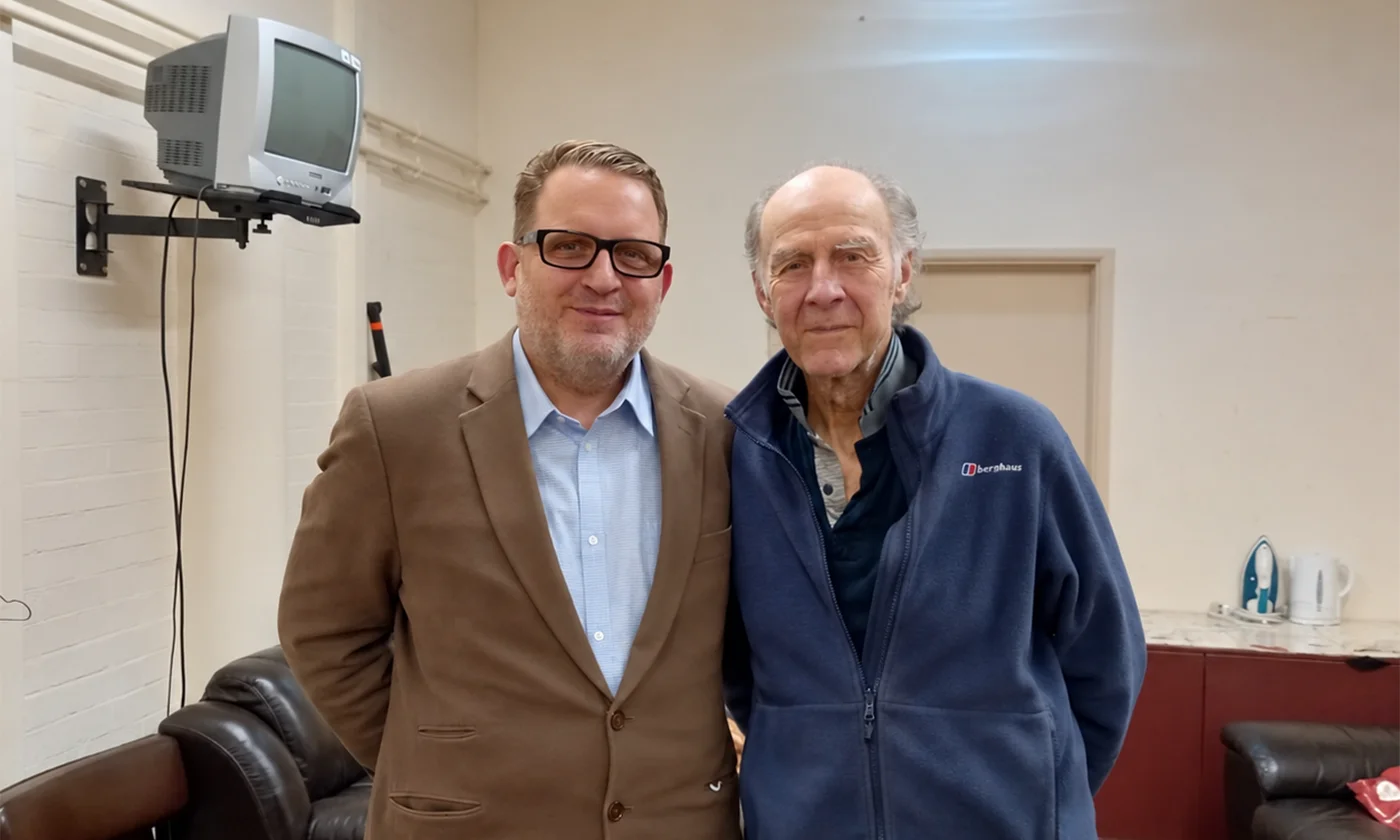
Harry Margulies is a journalist, author, commentator, and public intellectual whose work interrogates religion, politics, and morality with sharp wit and fearless clarity. A second-generation Holocaust survivor, he was born in Austria and spent time in an Austrian refugee camp before moving to Sweden. Educated by Orthodox rabbis throughout his childhood, he ultimately abandoned faith in his teens—a journey that has shaped his lifelong commitment to secularism, critical thinking, and freedom of expression. His latest book, Is God Real? Hell Knows, has been described by ABBA’s Björn Ulvaeus as “funny, sharp, and unafraid.”
READ MORE: ‘Global leaders enter 2026 facing a defining climate choice‘. The climate and energy decisions taken during 2025 have limited the broad options now facing governments to two, setting up a decisive moment for global policy in 2026, writes Gary W. Yohe.
Do you have news to share or expertise to contribute? The European welcomes insights from business leaders and sector specialists. Get in touch with our editorial team to find out more.
Main Image: JerOme82/Pexels