Stories like that of Liberal Democrat candidate Darius Nasimi are often presented as proof that British politics is becoming more open and representative. But while individual stories matter, they can also expose how difficult political access still is for those from underrepresented or disabled backgrounds, writes Matthew Kayne
British politics likes to tell a comforting story about itself. It is, we are told, open and representative. A system where anyone, regardless of their background, can rise, contribute and lead.
Every so often, a story emerges that appears to reinforce that narrative. The selection of Darius Nasimi, a refugee-background candidate who stood in the 2026 Hounslow local elections, is one such example.
Born in Ukraine to an Afghan family that fled the Taliban, he endured a dangerous nine-hour journey in the back of a refrigerated lorry to reach the UK, was raised in South East London and went on to study Philosophy at King’s College London, where he became interested in politics and public service.
In standing in the recent local government elections, Nasimi made British political history by being the first candidate of Afghan heritage to stand for the Liberal Democrats anywhere in the UK.
On the surface, and regardless of the fact that Nasimi was ultimately unsuccessful in his election bid, it’s a feel-good story about opportunity. About Britain as a country where journeys like this can still emerge.
But stopping there misses the more important question: what does a story like this actually reveal about how British politics works and who still struggles to access it?
Individual stories like this matter, but they often sit alongside a less comfortable reality: Political access in the UK is still uneven and shaped by structural barriers that are rarely acknowledged openly.
While modern Britain is diverse, traditional political structures have often struggled to reflect this. Parties speak the language of inclusion, yet the pathways into politics remain narrow. Candidacies are shaped by networks, access and confidence, and by whether someone feels politics is a space they are allowed to enter or one they are expected to observe from the outside.
So stories like Nasimi’s still feel unusual in British politics, and that, in itself, says something fundamental about the system.
And while much of the conversation around political representation focuses on visible diversity, there are other barriers that receive far less attention. Disability is one of them.
Politics already tends to favour those with time, money, flexibility and strong personal networks. Campaigning often relies on long hours, constant travel, public visibility and the ability to navigate systems that can feel opaque even to politically engaged people.
For many, those demands are difficult enough but for those of us living with disability, they are magnified. Physical accessibility, financial pressure, transport, fatigue, the logistics of campaigning, lack of support and limited representation at senior levels are all additional factors that determine who feels able to step forward, and who quietly steps back.
This matters as much as representation from different ethnic and cultural backgrounds. British politics does not lack awareness of disability issues. Too often, though, these discussions happen without meaningful input from people with lived experience. When decisions are made without lived experience, systems tend to be maintained rather than transformed, as anyone in the disabled community will readily attest.
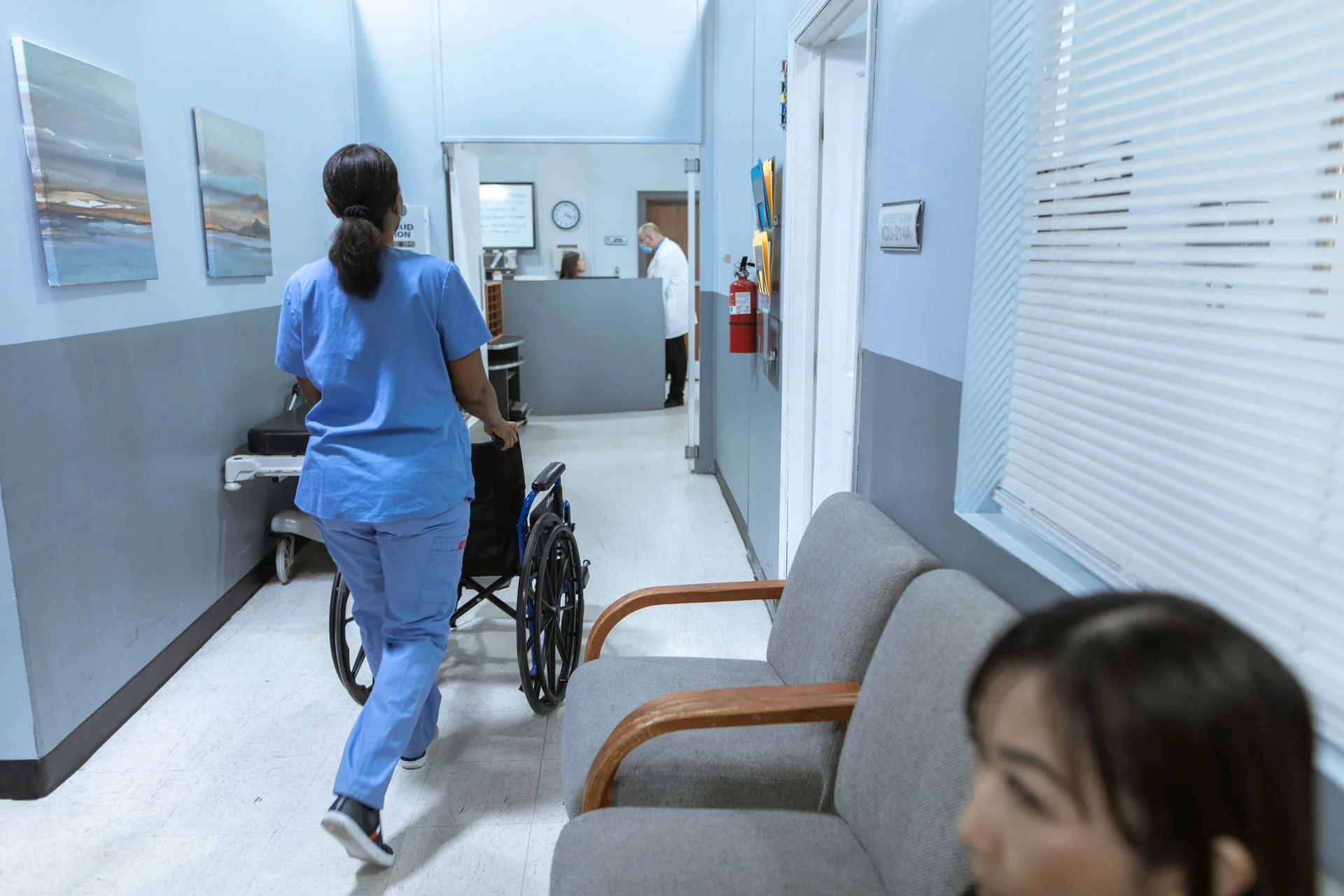
The consequences are visible across public services, including wheelchair provision, where delays and failures persist. This is, traced back to the root cause, ultimately a representation issue.
I am writing this not just as an observer, but as someone who intends to be part of this system.
Living with cerebral palsy, I have seen firsthand how policy can fail when it is disconnected from reality. That experience is a qualification.
I want to enter politics to contribute to a more grounded and accountable conversation about how systems work — and how they must improve.
If Parliament is to represent the country properly, it must include the plurality of voices that reflect real lived experience.
The future of British politics must not rely on exceptional stories but be built on a system that enables participation consistently. Such a system, drawing from a wider range of perspectives, is stronger for it.
But until representation becomes structural rather than symbolic, British politics will remain less representative and less democratic than it believes itself to be.
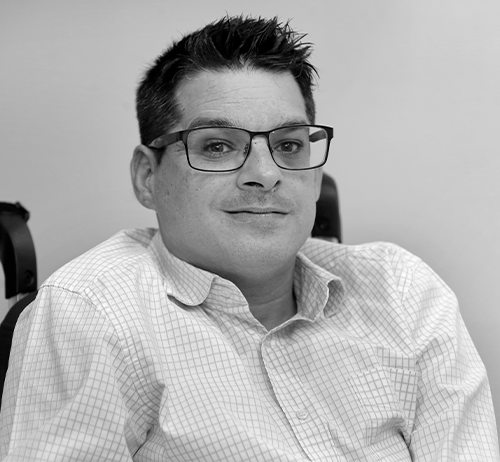
Matthew Kayne is a broadcaster, political campaigner and disability rights advocate who has turned personal challenges into platforms for change. He is the founder and owner of Sugar Kayne Radio, a DAB and online station dedicated to uplifting music and meaningful conversations, and the leader of a national petition calling for reform of the UK’s wheelchair service. Living with cerebral palsy and a survivor of bladder cancer, Matthew channels his lived experience into advocacy, broadcasting, and songwriting. His long-term ambition is to bring this experience into politics as an MP, championing disability rights, healthcare access, and workplace inclusion.
READ MORE: ‘Disabled drivers ‘pushed out of the driving seat’ by Motability Scheme shake-up‘. Changes to the national Motability Scheme, which provides vehicles to disabled people, risk restricting independence for those who rely on it every day, writes Matthew Kayne.
Do you have news to share or expertise to contribute? The European welcomes insights from business leaders and sector specialists. Get in touch with our editorial team to find out more.
Main Image: Tina P./Pexels