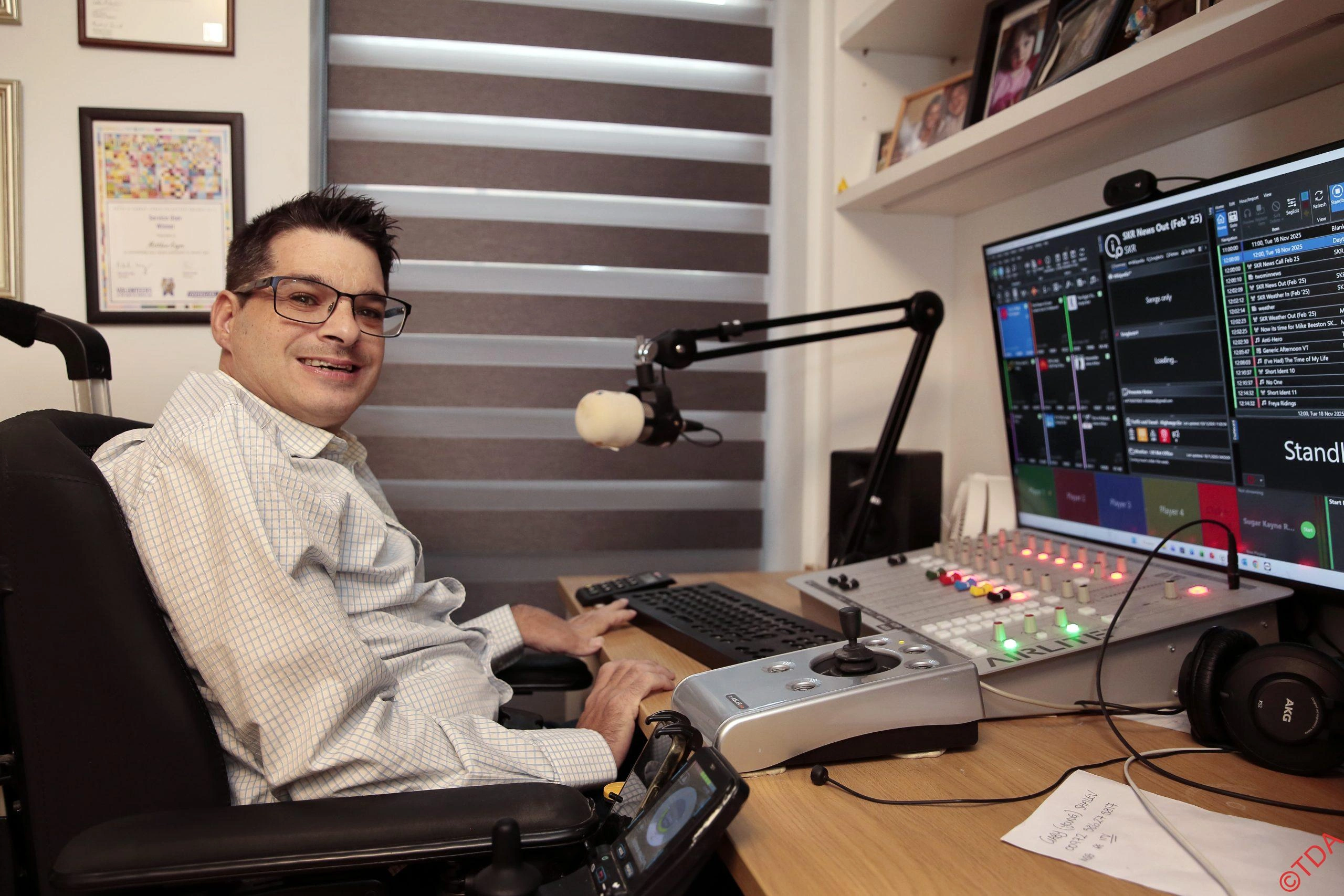
Across Europe, young disabled leaders are using social media, culture and public advocacy to push institutions to rethink accessibility, representation and opportunity. Matthew Kayne explores how this emerging generation is influencing the future of disability rights
When I think about the next generation of disability rights leaders, I see a force of energy, resilience, and creativity that is impossible to ignore. This isn’t a quiet movement — it’s loud, visible, and unafraid to demand change. We are no longer waiting for society to accommodate us; we are shaping the world ourselves.
I know what it feels like to be invisible. Growing up in care homes, navigating complex healthcare systems, and facing constant barriers in education and daily life, I often felt that no one was listening. I remember sitting in hospital corridors, frustrated that my needs weren’t understood, or dealing with social services that seemed more concerned with budgets than with me as a person. I felt small, overlooked, and powerless. Yet those experiences taught me something invaluable: real change does not come from waiting. It comes from raising your voice, telling your story, and refusing to accept the status quo.
Today, I see young disabled people doing exactly that. They are fearless in ways I wish I had been at their age. They are combining lived experience with social media, music, art, and public campaigns to make their voices heard. Platforms like TikTok, YouTube, Instagram, and podcasts aren’t just for entertainment; they have become tools of advocacy, awareness, and activism. Young disabled people are highlighting inequalities, demanding accessible spaces, and inspiring others to join their cause — all while reshaping public perception of what it means to live with a disability.
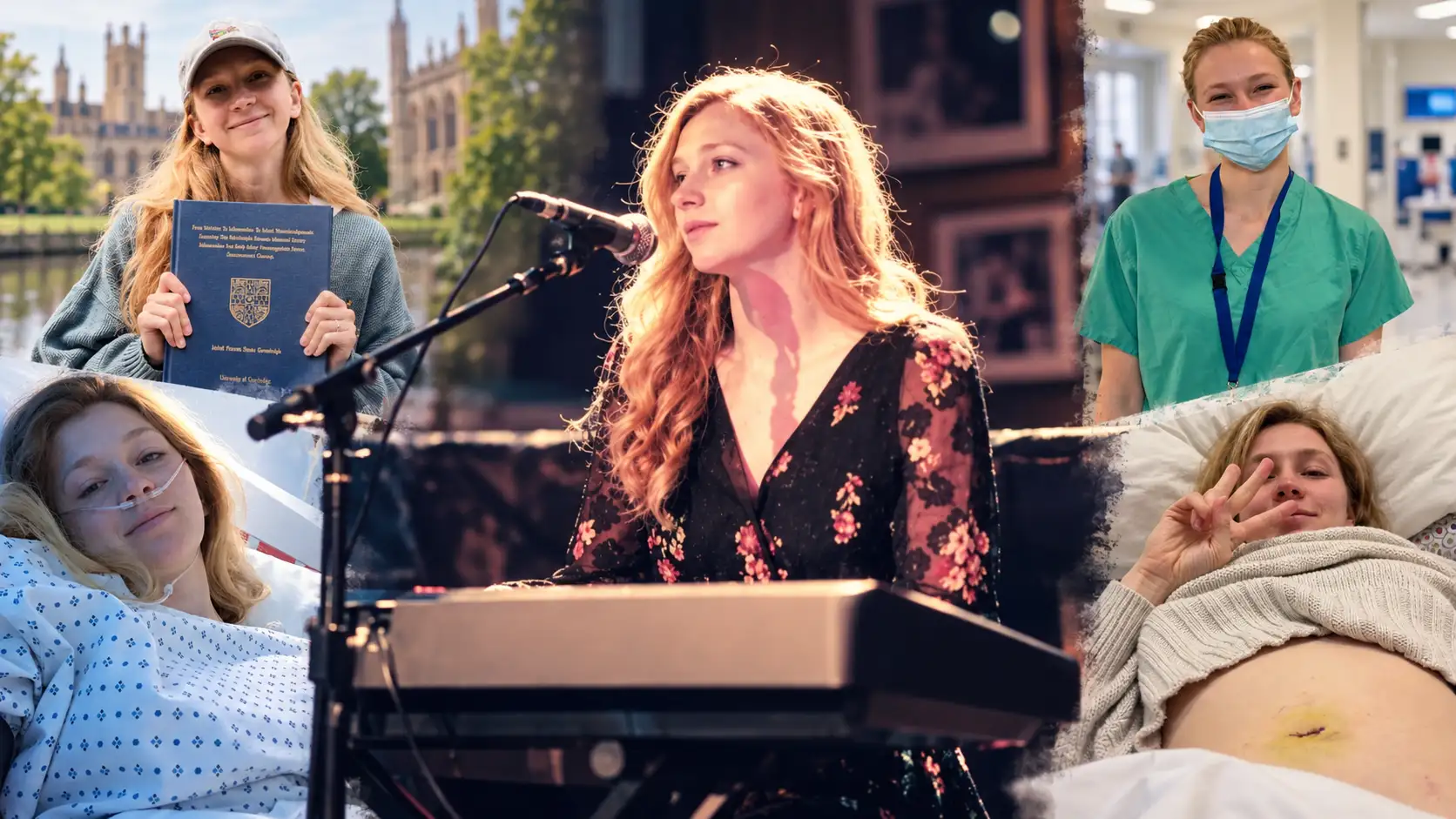
I’ve experienced firsthand the power of visibility. When I share my story — whether through my columns, public speaking, or music like Free Like a Bird and my upcoming track Look at Me Now — I hear from young disabled people who feel empowered to take action. They tell me my story gives them courage, that seeing someone else fight for change helps them fight for themselves. That ripple effect is the heartbeat of this new generation of leaders: one story sparks another, and together, we build momentum.
But the fight isn’t easy. Many young disabled advocates still face systemic barriers: schools that lack understanding or accessibility, employers unwilling to provide reasonable adjustments, and social services that prioritize cost over people. Care homes and agencies often focus on efficiency rather than the individual, leaving people without a voice in decisions that directly affect them. And public spaces, transport systems, and workplaces are still full of obstacles that make independence a daily struggle.
Yet these challenges also fuel resilience. Young disabled leaders do not accept the status quo. They innovate. They campaign. They create solutions where none exist. From students fighting for accessible classrooms to musicians and artists raising awareness of hidden struggles, leadership takes many forms. It is not about titles or fame; it is about action, visibility, and impact. Leadership is standing up, speaking out, and refusing to be silenced — no matter how many times society tries to tell you otherwise.
I’ve lived through these struggles. I’ve fought with social services, dealt with delays and miscommunication in the NHS, and learned the hard way how difficult it can be to maintain independence. But I’ve also seen victories: small, personal successes that feel monumental, like finally having my voice heard, or larger wins that bring systemic change. These experiences inform my advocacy and drive my creativity. They fuel the songs I write, the columns I produce, and the public messages I share. Every challenge I face becomes part of a story that can inspire others, inform policymakers, and shift public perception.
What excites me most about this next generation of leaders is their use of creativity as activism. Music, art, storytelling, and digital content are not just outlets — they are weapons in the fight for equality. My own songs are part of this: Free Like a Bird was about breaking free from fear and illness, while Look at Me Now declares strength, resilience, and self-determination. I want people to hear these songs and feel empowered to claim their own independence, voice their own opinions, and challenge the barriers they face.
This generation also understands the importance of community. Advocacy is not a solo journey. Mentors, peers, and allies provide guidance, encouragement, and strength. I’ve experienced this firsthand: support from fellow disabled advocates, friends, and mentors has been critical in helping me continue my work. Seeing others rise up motivates more people to join the fight. Collective action is the key to systemic change — and every individual voice strengthens the movement.
Leadership for this generation is about visibility, advocacy, and influence. It’s about using every tool available — social media, music, columns, public speaking, and campaigns — to make an impact. The goal is not just to survive or navigate barriers, but to reshape society: to ensure accessibility is a given, that voices are heard, and that disabled people are represented in all areas of life.
As I look forward, I see opportunities for this generation to push even further. Technology, AI, and innovation can create new ways to communicate, advocate, and participate. We can amplify stories, share solutions, and mobilise support faster than ever before. But it still requires courage, persistence, and a refusal to accept limitations imposed by outdated systems.
We are the next generation of disability rights leaders — and we are proving every day that we are unstoppable. Each of us, whether using art, music, advocacy, or personal storytelling, is contributing to a movement that will change society. And while the path is often difficult, the victories — both personal and systemic — are worth every battle.
To young disabled people reading this: know that your voice matters. Your creativity matters. Your action matters. And as someone who has walked this journey, fought my own battles with healthcare, independence, and advocacy, I promise that your efforts will make a difference. Stand tall, speak loud, and lead the way. The future is yours to shape.
And for everyone else: listen, watch, and learn. Support the next generation of leaders. Amplify their voices. Because when we empower those who have been silenced, we all benefit from a more inclusive, compassionate, and innovative society.
The next generation is here. They are creative, unstoppable, and unapologetic. And they are just getting started.
Matthew Kayne is a broadcaster, political campaigner and disability rights advocate who has turned personal challenges into platforms for change. He is the founder and owner of Sugar Kayne Radio, an online station dedicated to uplifting music and meaningful conversations, and the leader of a national petition calling for reform of the UK’s wheelchair service. Living with cerebral palsy and a survivor of bladder cancer, Matthew channels his lived experience into advocacy, broadcasting, and songwriting. His long-term ambition is to bring this experience into politics as an MP, championing disability rights, healthcare access, and workplace inclusion.
READ MORE: ‘Why jobs and housing must be solved together to deliver real disability inclusion’. Employment and housing are often treated as separate policy areas. In practice, however, they are closely connected. If governments and businesses want disabled people to participate fully in society and the economy, accessible work and accessible homes must be addressed together, writes Matthew Kayne.
Do you have news to share or expertise to contribute? The European welcomes insights from business leaders and sector specialists. Get in touch with our editorial team to find out more.