Changes to the national Motability Scheme, which provides vehicles to disabled people, risk restricting independence for those who rely on it every day, writes Matthew Kayne
Mobility for disabled people is independence — the ability to work, attend appointments, maintain relationships and participate in everyday life. Without it, everything becomes harder.
That is why the national Motability Scheme matters. It enables disabled people to exchange part of their mobility allowance for a leased vehicle, with insurance and servicing included, through a government-backed programme delivered by Motability Operations Limited.
The scheme started in 1977 and for the past 50 years has been transformative for the lives of many disabled people. To them, it is essential infrastructure — something that underpins daily life in ways that are often only recognised when it is placed under pressure.
That pressure has now arrived, as recent policy changes risk undermining the disabled community’s independence, and with consequences that reach far beyond transportation.
Changes announced by the government in the Autumn Budget will affect the cost and structure of the scheme, which serves almost one million people, including the application of VAT and Insurance Premium Tax to new leases, reduced mileage allowances and increased excess mileage charges.
From July 2026, these tax changes will apply to most new leases, increasing the overall cost of running the scheme and placing additional financial pressure on how it operates.
On paper, these are technical adjustments, but in practice, they will reshape how disabled people live, and not for the better.
Under the revised scheme, the standard annual mileage allowance on Motability leases has been reduced to around 10,000 miles. This may sound reasonable but can be reached quickly.
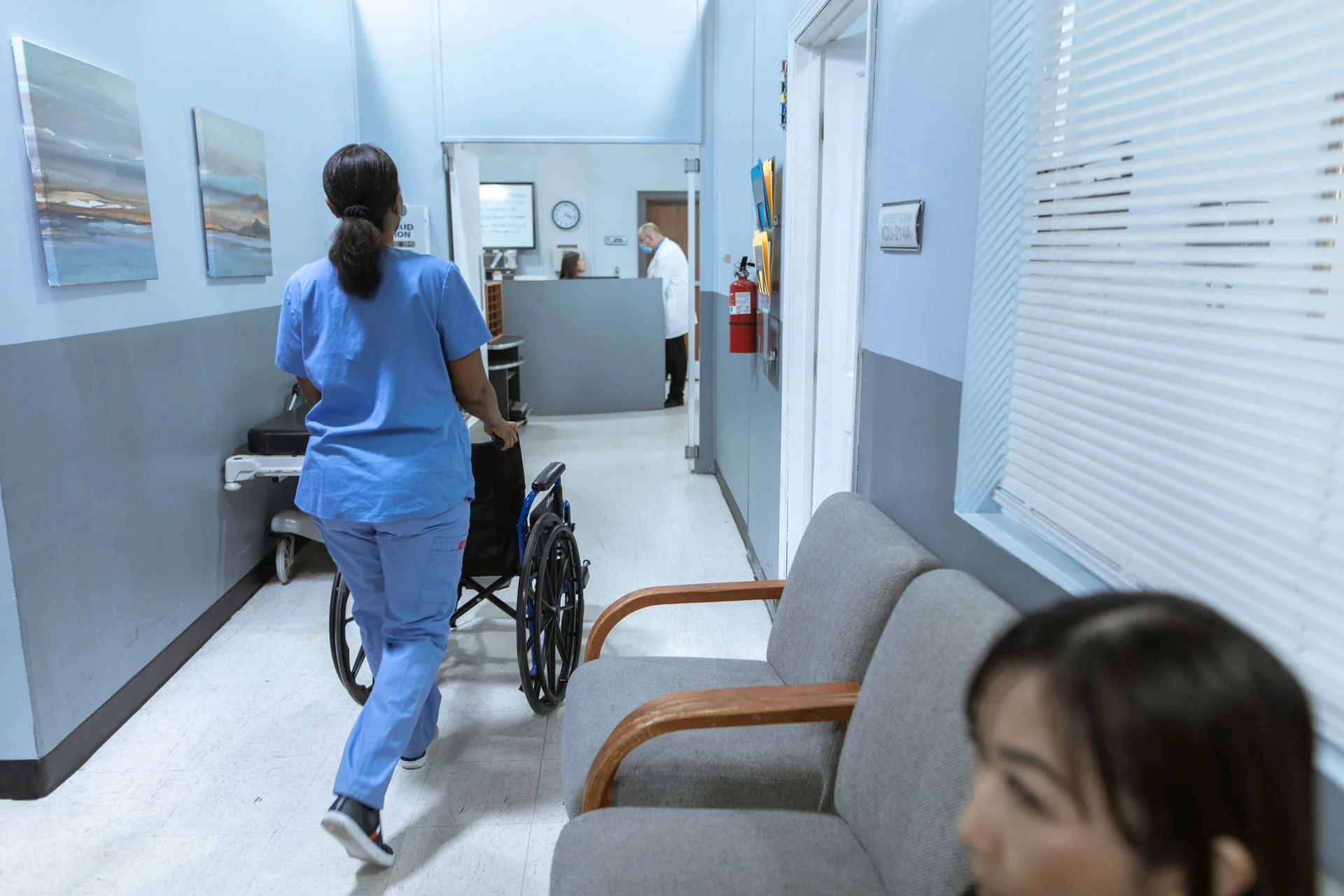
Travel needs are unpredictable, and this especially so for the disabled. Medical appointments, care needs, work commitments and daily activities often require frequent and sometimes long journeys. I have experienced — and know others who have — periods where multiple hospital appointments, combined with everyday travel, push you dangerously close to that limit. At that point, you are forced to choose between cutting back essential journeys or taking on additional cost.
Those choices, then, directly affect how often people attend appointments, how they plan their days, and what they feel able to commit to. What looks like a simple limit becomes a constant, stressful calculation.
Higher excess mileage charges — around 25p per mile — only add to this pressure. They place a punitive cost on independence, and for many disabled people already managing higher day-to-day expenses in the ongoing cost-of-living crisis, it can feel like a death of a thousand cuts.
It has to be recognised that policy decisions made at a national level have immediate personal consequences.
Individually, each change may appear manageable. Taken together, they risk creating a system that is less flexible and less supportive.
The seriousness of that impact is now being tested. In April 2026, Motability customer Charlie Proctor launched legal action against HM Treasury in the High Court, arguing that the tax changes announced in the Autumn Budget have led directly to reduced mileage allowances and higher costs within the scheme.
He contends that these measures disproportionately affect disabled people who rely on higher levels of mobility for essential travel, and that their impact was not properly assessed when the policy was introduced.
The case is still at an early stage and its path is conditional rather than fixed. A formal pre-action letter has already been sent to HM Treasury, giving the government a short period to respond. If that response is not considered adequate, the claim is expected to proceed to a judicial review in the High Court, where the lawfulness of the policy decisions — and whether their impact on disabled people was properly considered — will be tested in full.
I, like many others in the disabled community, will be watching the progress of this legal challenge closely, as it goes to the heart of what the scheme is designed to do.
It depends, and we depend, on systems that function effectively and consistently. When those systems are weakened, independence becomes far more fragile, and rebuilding it is anything but straightforward.
Any policy that affects it, then, must be judged not just on financial terms but on its real-world impact. I hope that this is ultimately recognised and respected.
The debate around Motability also raises a broader issue: how we measure the success of disability policy in general. Any system that reduces expenditure while limiting independence cannot be considered ‘successful’ in any meaningful way.
This fight may not affect you but remember that behind every policy change is a lived experience, with thousands of people simply trying to navigate their day and maintain independence.
Let’s hope the steering wheel isn’t taken away.
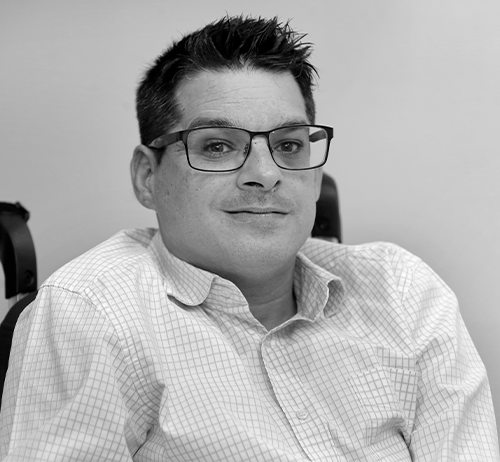
Matthew Kayne is a broadcaster, political campaigner and disability rights advocate who has turned personal challenges into platforms for change. He is the founder and owner of Sugar Kayne Radio, a DAB and online station dedicated to uplifting music and meaningful conversations, and the leader of a national petition calling for reform of the UK’s wheelchair service. Living with cerebral palsy and a survivor of bladder cancer, Matthew channels his lived experience into advocacy, broadcasting, and songwriting. His long-term ambition is to bring this experience into politics as an MP, championing disability rights, healthcare access, and workplace inclusion.
READ MORE: ‘For disabled people, the countryside remains as accessible as the crown jewels ‘. A £1million riverside route in Wales was billed as accessible despite 15 stone steps and stiles blocking wheelchair users. Matthew Kayne says the case exposes a wider failure to make disabled access a basic requirement in publicly funded countryside projects.
Do you have news to share or expertise to contribute? The European welcomes insights from business leaders and sector specialists. Get in touch with our editorial team to find out more.
Main Image: Aleem Ul Hassan/Pexels