A £1million riverside route in Wales was billed as accessible despite 15 stone steps and stiles blocking wheelchair users. Matthew Kayne says the case exposes a wider failure to make disabled access a basic requirement in publicly funded countryside projects
The British countryside is often described as a shared national treasure — a place to breathe, think and recover. It is tied to our very identity: open fields, public footpaths and rolling landscapes that are supposed to belong to everyone.
But for many disabled people, that sense of shared access does not exist. Access instead remains conditional.
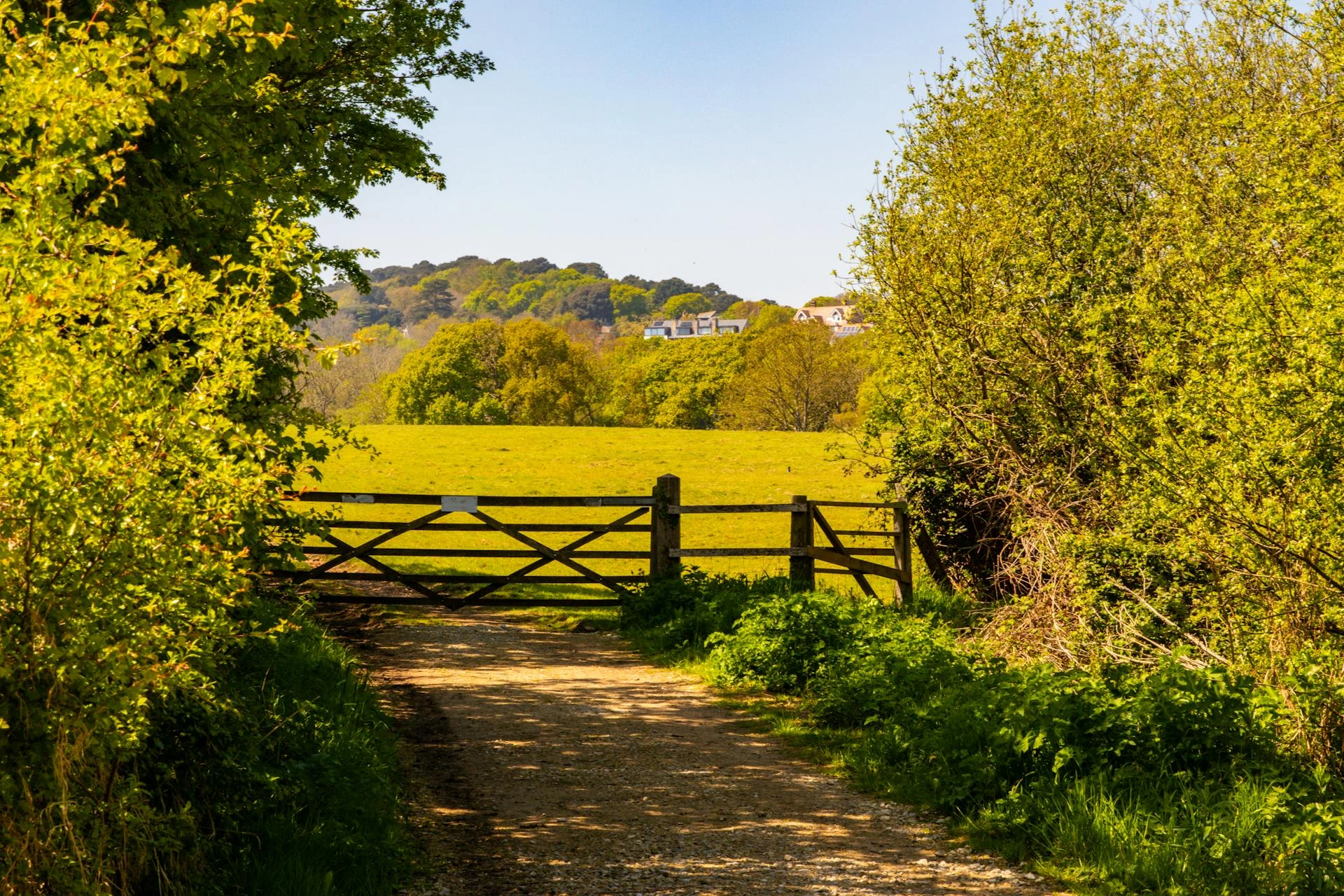
A recent case highlights this starkly: a new £1million “accessible” countryside route in Denbighshire, Wales, that has turned out to be anything but accessible to wheelchair users. The work to redevelop the scenic, two-mile section of a bridle path along the River Dee was supposed to have been designed with inclusion in mind, yet it includes 15 stone steps and multiple stiles.
Sadly, this incident is far from isolated and points to the exclusion of disabled people being a systemic problem.
There is a recurring issue in how accessibility is understood in the UK. Too often, it is treated as a label rather than a standard. A route is marked accessible, a facility is described as inclusive or a project is completed with the right language attached but the lived experience is woefully different.
I have encountered so-called ‘accessible’ routes where the entrance was step-free, but within minutes the path became unusable, with uneven ground, narrow barriers or steep inclines that made continuing in a wheelchair impossible.
Accessibility has to mean usability. A path with steps is not accessible to a wheelchair user and a route with stiles excludes many people with mobility impairments.
Accessibility in urban environments has improved over time. There are legal frameworks, clearer expectations and growing awareness to ensure this.
The countryside, however, does not enjoy the same degree of scrutiny and therefore lags behind. Rural environments are treated as exceptions to the rule — places where accessibility is seen as difficult, expensive or secondary to preservation — and frustratingly, barriers thus continue to appear in spaces officially designated as inclusive.
Access to the countryside is about health as much as leisure. Time outdoors is linked to improved mental and physical wellbeing and reduced stress.
Yet when inclusion is inconsistent and access is unreliable, even planning a simple visit becomes uncertain. You do not just go, you research, question and often decide not to go at all.
Over time, that uncertainty has a cumulative effect. Places that should be open, and may be described as such, become places to avoid. Opportunities for recreation, social connection and simple enjoyment in the fresh air and sunshine are quietly lost.
Disabled people want to participate fully in the countryside. It is a fundamental need and a fundamental right, but it is being thwarted because accessibility is often considered too late or too narrowly. The Denbighshire case is just the latest, sorry example.
What’s perhaps worse, the work to convert that route was initiated through funding from the UK government’s Levelling Up scheme. If publicly funded spaces described as accessible are not actually usable to all then something has gone spectacularly wrong somewhere in the process.
Public funding carries an expectation of public benefit. When projects intended to increase access instead reinforce exclusion, it raises serious questions about how accessibility is being defined, assessed and delivered in practice.
In response to the public outcry about the revamped bridle path, Denbighshire County Council has said that further improvements are planned, such as a ramp to improve access for wheelchair users.
But that response highlights the problem rather than resolving it. Accessibility is , again, being considered as an after-thought, addressed in phases as an add-on rather than competently built in from the outset.
Ultimately, how accessible somewhere is comes down to sound, timely decisions about design, priority and inclusion. Those decisions need to be carefully and properly reviewed long before the construction crews arrive..
Until that time, Britian’s most public national treasure will, for disabled people such as myself, remain as accessible as the crown jewels.
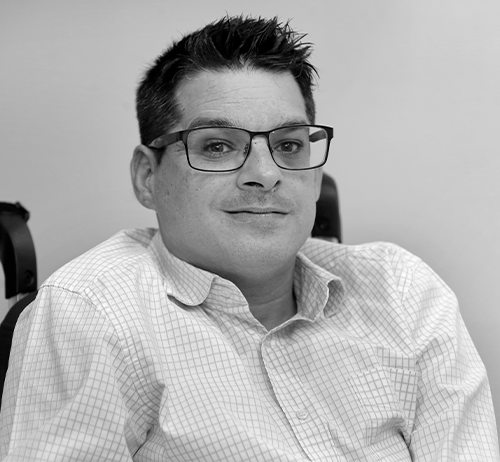
Matthew Kayne is a broadcaster, political campaigner and disability rights advocate who has turned personal challenges into platforms for change. He is the founder and owner of Sugar Kayne Radio, an online station dedicated to uplifting music and meaningful conversations, and the leader of a national petition calling for reform of the UK’s wheelchair service. Living with cerebral palsy and a survivor of bladder cancer, Matthew channels his lived experience into advocacy, broadcasting, and songwriting. His long-term ambition is to bring this experience into politics as an MP, championing disability rights, healthcare access, and workplace inclusion.
READ MORE: ‘When “We will raise it” becomes the problem‘. Disabled people are often told their concerns have been “raised through departmental channels”. It sounds polite and reassuring, but for many it exposes a system that keeps their lived experience at a distance from the political decisions that affect their lives, writes Matthew Kayne.
Do you have news to share or expertise to contribute? The European welcomes insights from business leaders and sector specialists. Get in touch with our editorial team to find out more.
Main Image: Tony Zohari/Pexels