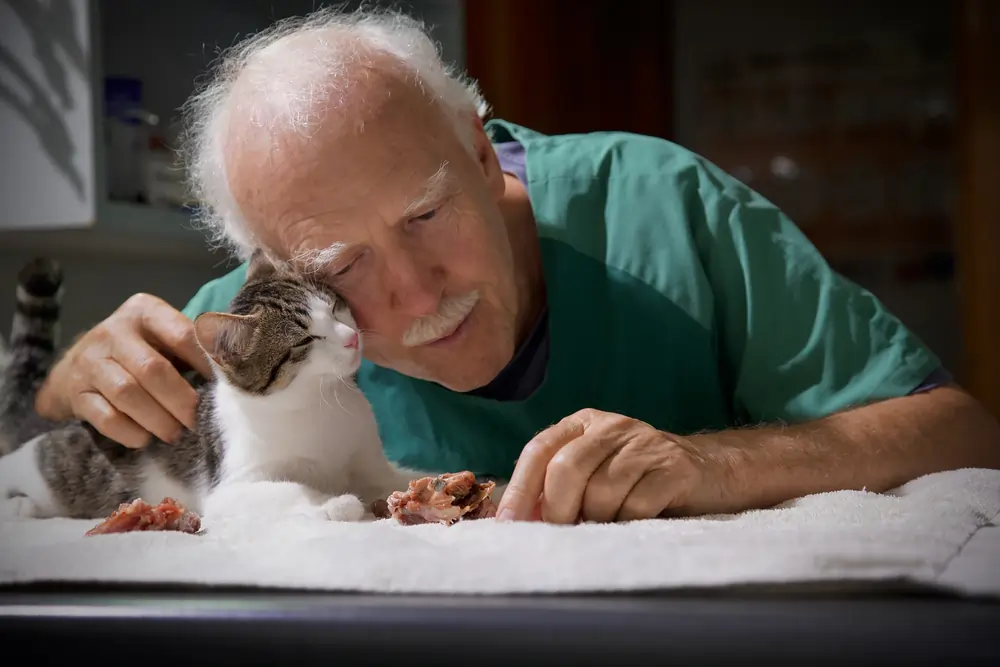
For more than 30 years and at a personal cost of nearly £1 million, the veterinary surgeon Dr Tom Lonsdale has fought tooth and nail against ultra-processed pet food. As he reaches his 75th birthday, the pioneer of the raw meaty bones diet exclusively discusses his decades-long war on kibble and its harmful health effects on cats and dogs
Ultra-processed food (UPF) harms your health. Earlier this year, the world’s largest review of its kind found it was directly linked to 32 harmful effects including a higher risk of heart disease, cancer, type 2 diabetes, adverse mental health and early death. The results of the review involving almost 10 million people underscored a need for measures to target and reduce exposure to UPF, the researchers said.
It should come as no surprise that UPF does our four-legged friends no favours, either. Dogs and cats are specialist predators that are naturally designed to rip, tear and crunch the raw meaty bones of their prey. Yet for reasons unknown to and largely kept from the consumer, pet owners are encouraged to solely feed their animals UPF on the basis it is “complete”, “balanced”, or “scientifically formulated”.
There are those within the veterinary profession, including me, who believe that marketing UPF – or kibble as it is widely known – for animals in this way is unethical. It is our view that processed pet food should have clear warnings about the dangers of UPF on its packaging – or, at the least, that inaccurate claims of it being ‘good for your pet’ are banned.
The effects of UPF on cats and dogs are many and serious, and range from oral disease to itchy skin, diarrhoea, and abnormal behavioural characteristics including sudden and explained aggression. If left untreated, most of these complaints can lead to premature death.
Rotting teeth and gums, and bad breath – the most common side effect of UPF by far – are routinely treated by scrubbing and removing the offending gnashers. Yet it needn’t be this way. Cats and dogs, though domesticated, share the same anatomy and physiology as their wild counterparts, which rip and chew their food instinctively. It is rare to find a wild animal with oral disease. By feeding pets the same diet of raw meaty bones, their teeth are kept sharp and free of disease in the way nature intended.
I graduated from the Royal Veterinary College at the University of London in 1972 and was, until my retirement, one of the most respected practitioners in my native Australia. I am no quack, conspiracy theorist, or armchair ‘expert’. And I have successfully treated thousands of cats and dogs whose health was directly affected by UPF by ‘prescribing’ a diet of raw meaty bones. Yet despite my academic standing and the simplicity of this provable ‘treatment’, gaining political support in a fight against many of the world’s largest brands has not come easy. Convincing decision makers that something as benign as kibble could be responsible for animal deaths, and for soaring vet bills and insurance premiums, is more difficult than you can imagine. Over the course of the last three decades, I have written several books and appeared on countless radio and TV shows – at a personal cost of almost £1million – to educate consumers and to garner support from the veterinary industry.
I am still in the throes of that battle but, despite my age – I turn 75 this month – I have no plans to quit. Winning the war on kibble was and remains my life mission. There is, as they say, life in the old dog yet.

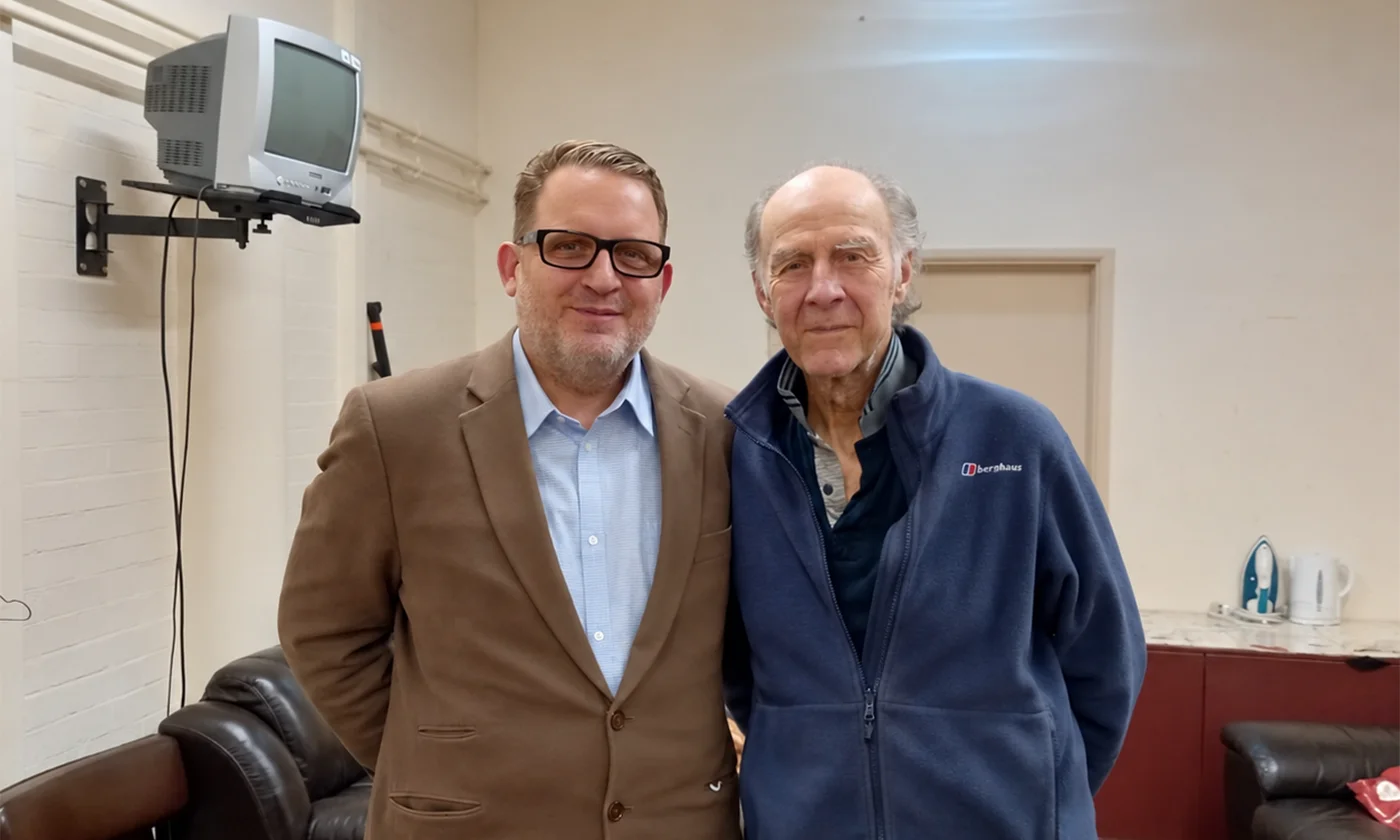
Dr. Tom Lonsdale BVetMed MRCVS is a distinguished veterinary clinician and author with over 50 years of experience. Known internationally as a pioneer and authority on the nutritional and medicinal features of a natural diet for pets. Tom is a vocal advocate against what he perceives as collusion between the veterinary establishment and the pet food industry. He has earned the moniker, ‘The Whistleblower Vet’, for debunking misinformation about pet health.
Images © The Double Agents