As South Korea cracks down on AI-assisted exam cheating and Harvard researchers warn of growing suspicion in classrooms, Iranian writer and researcher Babak Mehrdadnia asks whether the backlash against artificial intelligence risks punishing those who use it to overcome language barriers
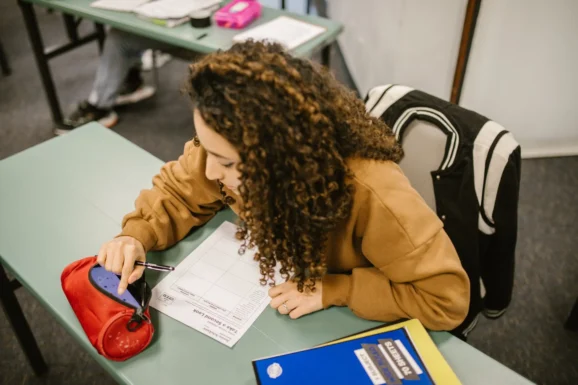
South Korea is reeling following an extraordinary cheating scandal in which the country’s top scorer in a national tax accountancy examination admitted using AI to answer questions.
The candidate reportedly photographed examination papers using a miniature camera, sent the questions to an AI system and checked the answers on his smartphone. His subsequent confession has prompted an emergency government response, with officials introducing tougher security measures ahead of the country’s crucial university entrance examinations.
The scandal has rocked South Korea’s academic establishment and fuelled growing concerns over AI-assisted cheating. The suspicion is spreading elsewhere, too. Research published by Harvard University in October found that a quarter of American teachers had faced dilemmas over AI use, yet just 18 per cent said their schools had clear policies governing it. Researchers warned of growing mistrust, with teachers suspecting students of cheating and students fearing false accusations.
In the literary world, meanwhile, the Nigerian novelist Jerry Falade faced similar suspicions after his debut crime thriller, Call Me, I’ll Hide the Body, attracted publishing offers exceeding $2 million (£1.5 million), only for his agents to withdraw the manuscript in July following allegations of AI use.
Falade denied using AI to write the novel, claiming that his writing style, influenced by Yorùbá oral storytelling traditions, had been mistaken for machine-generated prose. He argued that cultural ignorance had cost him a potentially life-changing publishing deal.
Are we, then, becoming so preoccupied with preventing AI-assisted cheating that we are unfairly judging, naming and shaming people who use the technology for entirely legitimate reasons? I believe the answer is yes, and almost always certainly so when it comes to people who write in English as a second language.
English dominates international academic publishing, journalism, business and professional communication. For millions of researchers, authors and other professionals, the ability to express complex ideas in fluent English can determine whether their work reaches an international audience.
Imagine, for instance, an Iranian historian who has spent decades researching ancient Persia. Their knowledge may be exceptional, their discoveries important and their arguments entirely original but submitting an article to a prestigious English-language journal may present practical difficulties that have little to do with the quality of their research.
An awkward sentence, an unfamiliar idiom or an imperfectly expressed argument – all simple mistakes for non-English speakers – can influence how the work is received.
The same difficulties confront novelists, journalists and academics whose first languages are Arabic, Persian, Spanish or countless others. They may have something really important to say – and be the first ones to say it – but lack the linguistic fluency to communicate it to an international readership with the precision expected of a native English speaker.
Professional translation is, of course, an option, but it can be prohibitively expensive, especially for lengthy manuscripts or specialist academic work. And even the best translators can struggle to preserve the cultural nuances, idioms, humour and subtleties that give writing its character. A translation may in other words be technically accurate yet lose much of the author’s original meaning, personality and voice – qualities that are essential to engaging readers, winning commissions, and being published in the first place.

Platforms like ChatGPT allow writers to translate their own work, improve grammar, identify unclear passages and explore different ways of expressing complicated ideas. Many have been cancelled because they’ve done this. But should someone really be regarded as less intelligent or less deserving of professional recognition?
Successful writers and academics have relied on professional editors, translators and proofreaders for centuries. Their assistance is widely accepted, and few people would suggest that an academic’s research becomes less valuable because an editor has improved its presentation.
Nor would we question a novelist’s imagination simply because their work had been translated into English by someone else.
And in mathematics and science, researchers have relied on computers for decades to analyse complex data, identify patterns and translate their findings into meaningful, usable information. The use of AI is now commonplace in those industries.
The same is true of filmmaking, photography, finance, music production and countless other professions, where digital tools have long been used to enhance human creativity and expertise without calling the abilities of those using them into question.
But despite our long use of technology across all known professions, attitudes change dramatically when AI enters the world of writing. Intellectual snobbery has a great deal to do with it.
Take Google, whose search engine gives us access to hundreds of billions of web pages. Those who use it to find information are said to have conducted ‘research’, while authors who turn to ChatGPT for similar assistance risk being branded cheats.

A writer who can afford a professional editor can receive extensive assistance with language, structure and clarity without anyone questioning their abilities. Someone without those financial resources may turn to AI for precisely the same help – only to find their intelligence, originality and professional credibility called into question.
Those who speak English as their first language already enjoy an advantage in international publishing and blanket restrictions on AI-assisted writing will almost certainly make that advantage even greater.
How is that possibly fair?
I have spent many years researching different subjects, preparing articles and writing books. My latest manuscript runs to nearly 500 pages and has demanded months of investigation, research and reflection.
ChatGPT could have saved me countless hours and helped me produce a stronger manuscript. Yet I have deliberately avoided using it, fearful that admitting to doing so might undermine my credibility and expose me to the very accusations of intellectual dishonesty I have been discussing.
The book is still awaiting publication. And I cannot help wondering whether my fear of being shamed for using AI has ultimately done more damage to my prospects than using it ever could.

Babak Mehrdadnia is an Iranian researcher, documentary filmmaker, and producer, holding an M.A. in Art Research. As the CEO and founder of Ahura Film, he bridges visual storytelling with cultural semiotics. He is the author of several historical works, including Isfahan: From Roots to Tomorrow. His forthcoming 500-page book examines 7,000 years of beard and moustache history from Mesopotamia and Ancient Iran to modern cultures and religions. His peer-reviewed scholarship includes semiotic studies on masculine facial hair, identity, and social status in ancient civilizations, presented at international academic conferences.
READ MORE: The short and the short of it: children’s fiction is shrinking. Would Harry Potter be published today? With its lengthy chapters, rich vocabulary and imaginative storytelling, the answer could be no, warns Robin Bennett, a veteran publishing entrepreneur who has helped bring numerous successful children’s books to market. He argues that publishers are increasingly favouring shorter, simpler stories to cater for a generation raised on TikTok and shrinking attention spans, sacrificing originality and literary ambition in the process. The trend, he fears, could threaten Britain’s reputation for producing world-class writers such as J.K. Rowling and J.R.R. Tolkien – although the very technology blamed for the decline might also help reverse it.
Do you have news to share or expertise to contribute? The European welcomes insights from business leaders and sector specialists. Get in touch with our editorial team to find out more.
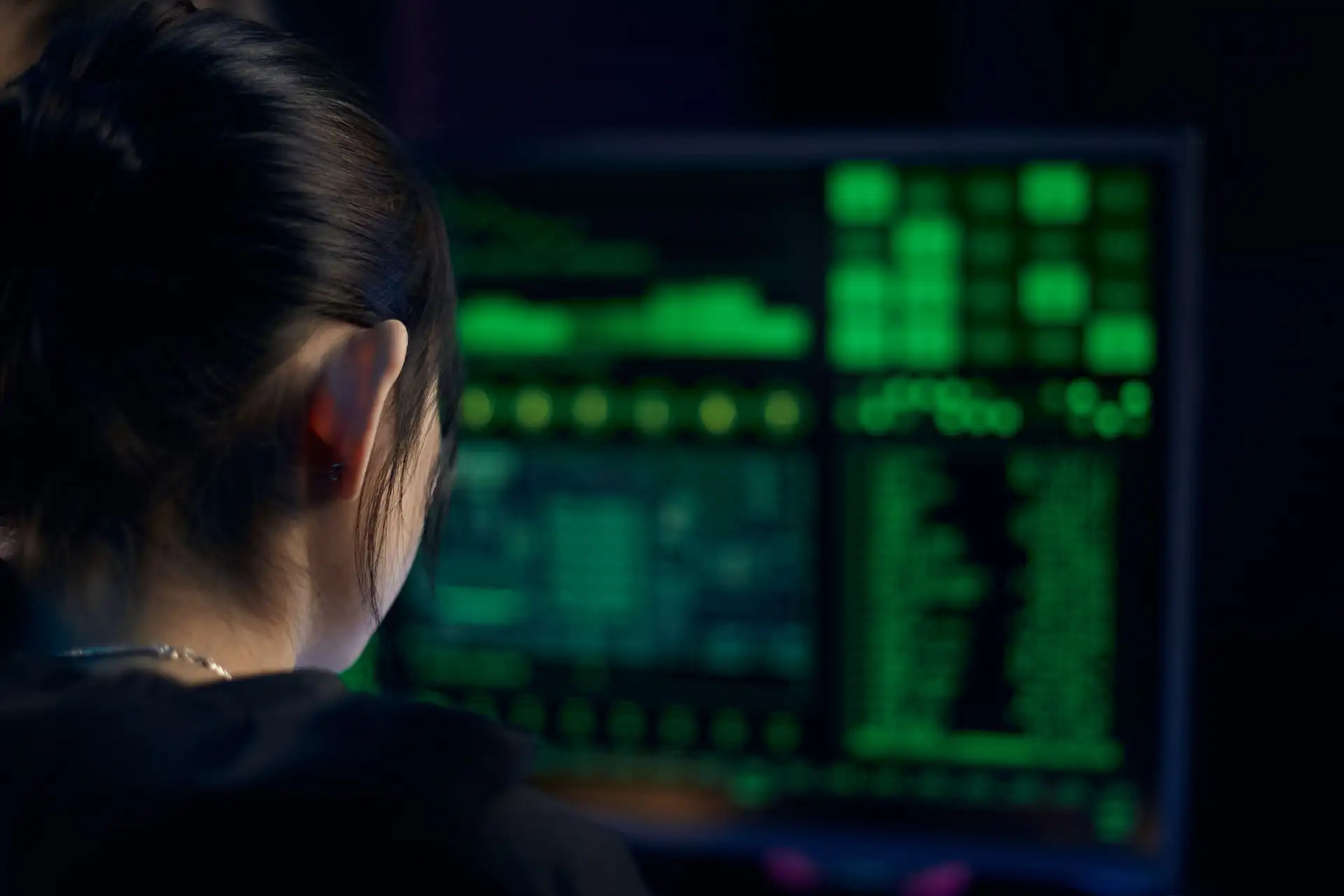
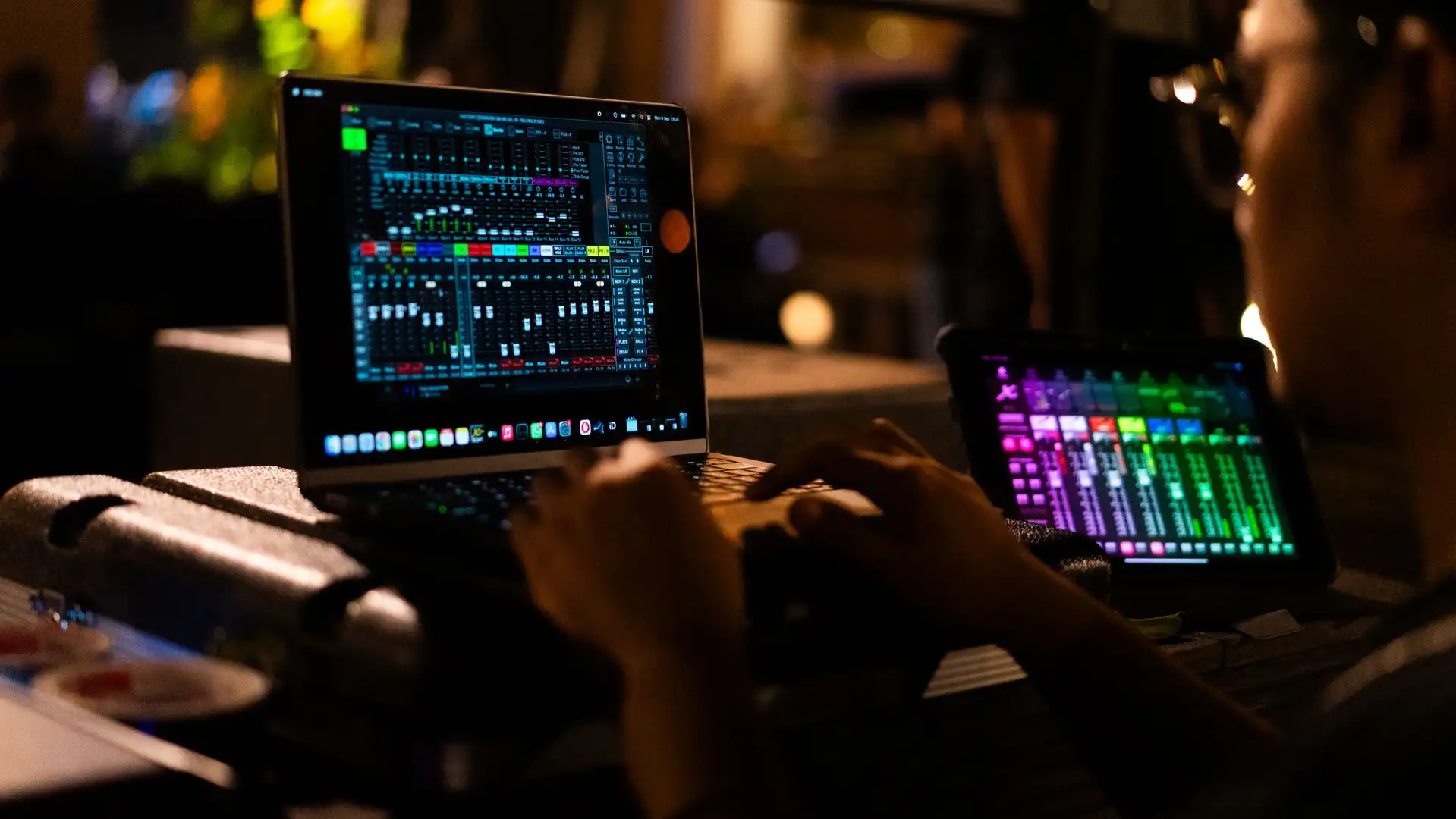
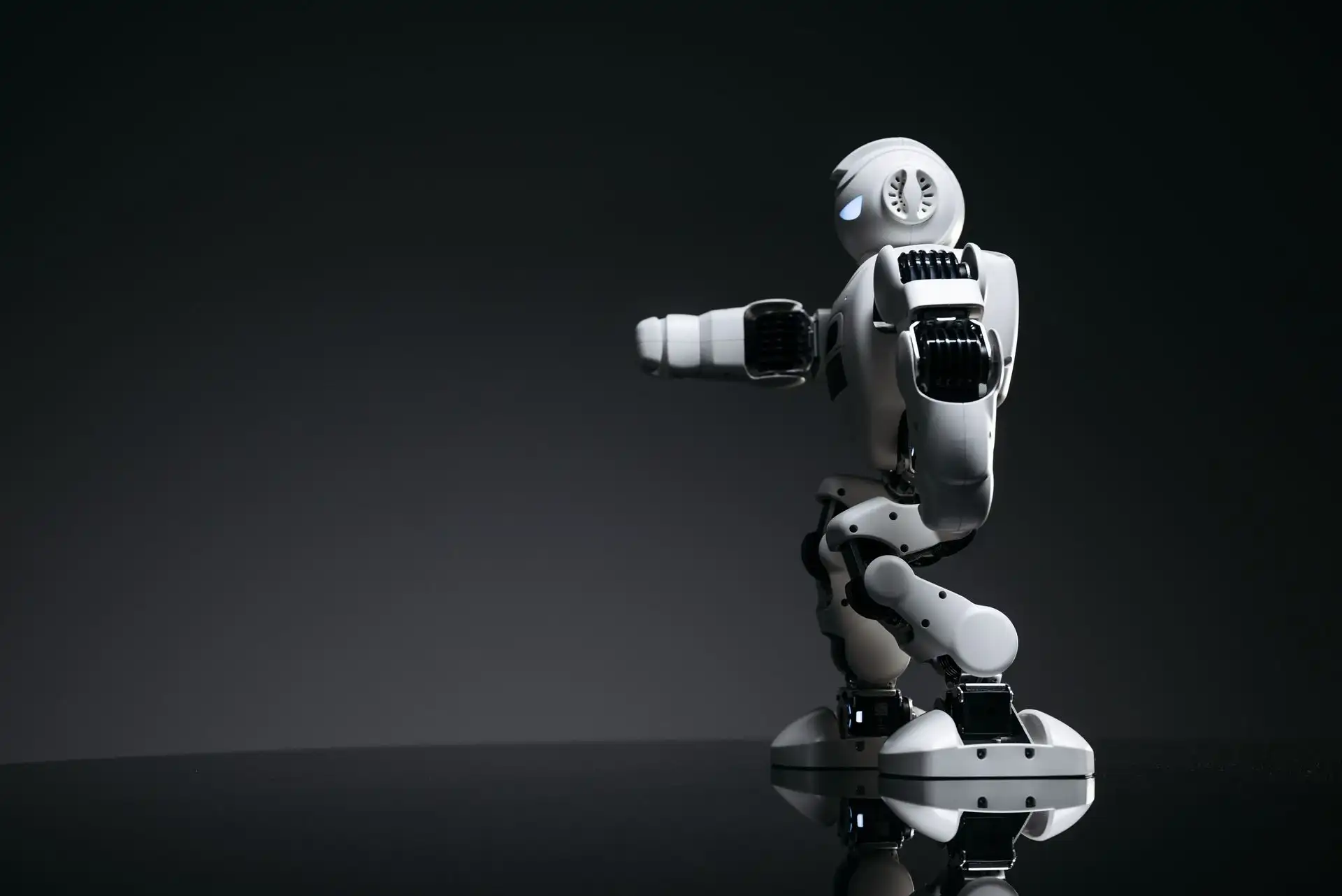
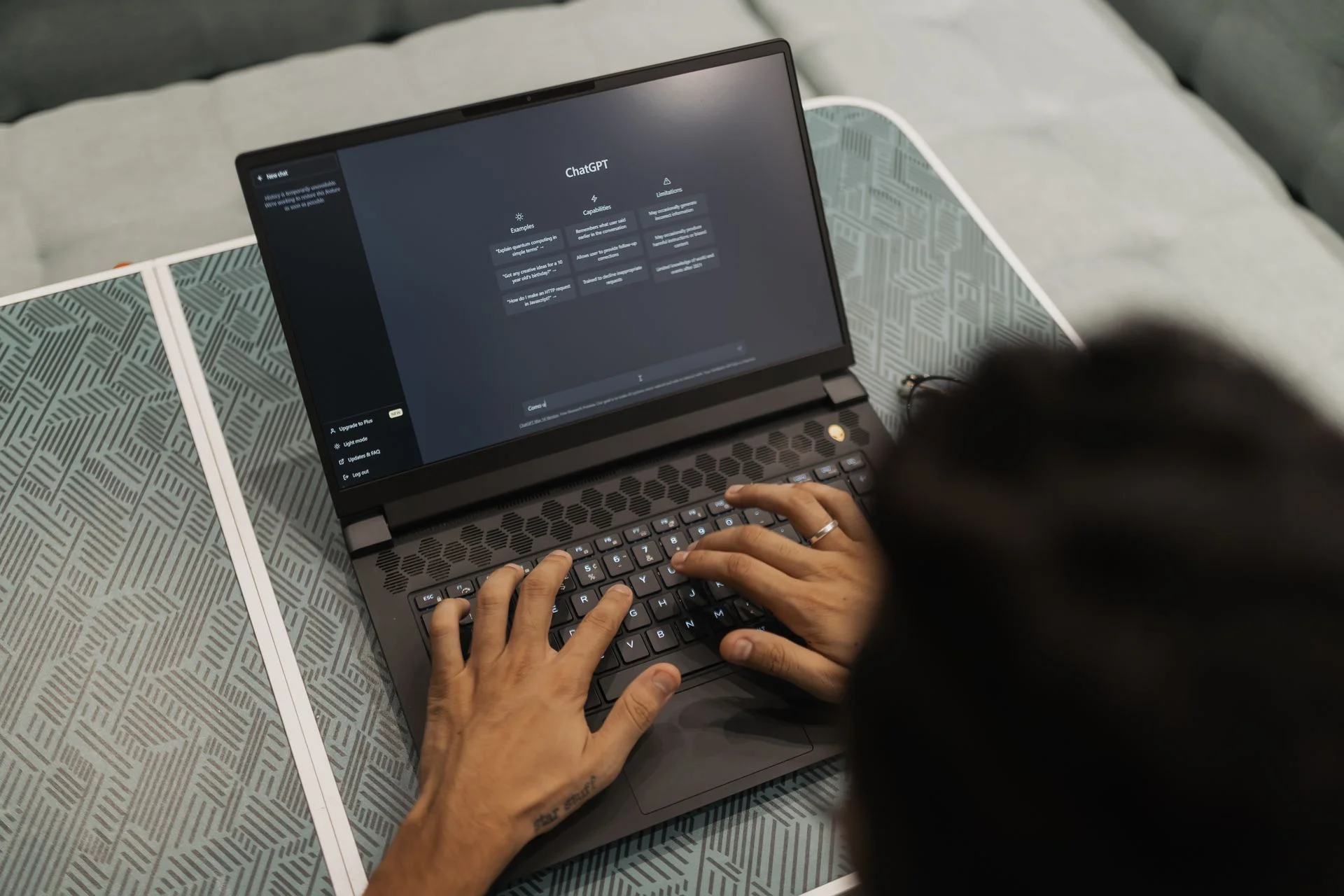
Main image: A user accesses ChatGPT, one of the AI tools increasingly used to research, translate and improve written work. While artificial intelligence is widely embraced across science, medicine and business, its use in writing remains controversial, with authors and academics risking accusations of cheating simply for seeking help with language and clarity. For those working in a second language, is the stigma doing more harm than good? Credit: Matheus Bertelli / Pexels