New research puts the economic value of lives lost to drowning and other water-related deaths in the UK at £933 million in a single year. To reduce this, water safety must be treated as a public-health priority rather than an afterthought, says Ben Hooper
I spend a great deal of my life encouraging people to get into water, and believe passionately that open water should be enjoyed rather than feared. But enjoying water and respecting it have never been opposites. A new study has put an extraordinary figure on what happens when that relationship goes wrong: £933 million in a single year.
Researchers led by Professor Mike Tipton at the University of Portsmouth examined UK water-related deaths in 2023 and calculated that they resulted in more than 15,500 years of life lost. Applying the Treasury’s monetary valuation of a statistical life year put the economic value of those lost years at a figure approaching £1 billion.
It’s worth pausing over what that number means. Nobody’s suggesting that somebody’s child, husband, wife or friend can be reduced to a balance-sheet entry. The calculation is simply a public-health tool: a way of assessing the scale of premature death and the value of preventing it. If anything, the coldness of the arithmetic makes the human story more powerful.
Drowning often takes people young. That means simply counting deaths can conceal its true impact. The researchers’ use of Years of Life Lost, by contrast, exposes something a headline fatality figure cannot.
In 2023, at least 659 people died through drowning or other water-related fatalities in the UK. Accidental drowning accounted for an estimated 7,755 years of life lost, valued at £465 million. Suspected suicide accounted for another 4,867 years, valued at £292 million, while inconclusive deaths represented another £170 million.
And £933 million may actually be a conservative figure, as the calculation excludes the full costs of search and rescue, emergency response and hospital treatment. Nor can it properly capture people who survive drowning with severe neurological injury or lifelong care needs. The published analysis cites previous critical-care research in South-West England in which three survivors alone were estimated to require £6.4 million in lifetime care.
Then there are costs no Treasury spreadsheet can accommodate: the parent who never again sleeps properly; the police officer who enters the water; the lifeboat crew recovering a body; the paramedic who has to stop resuscitation; the family standing beside a river while somebody tells them the search has changed from rescue to recovery.
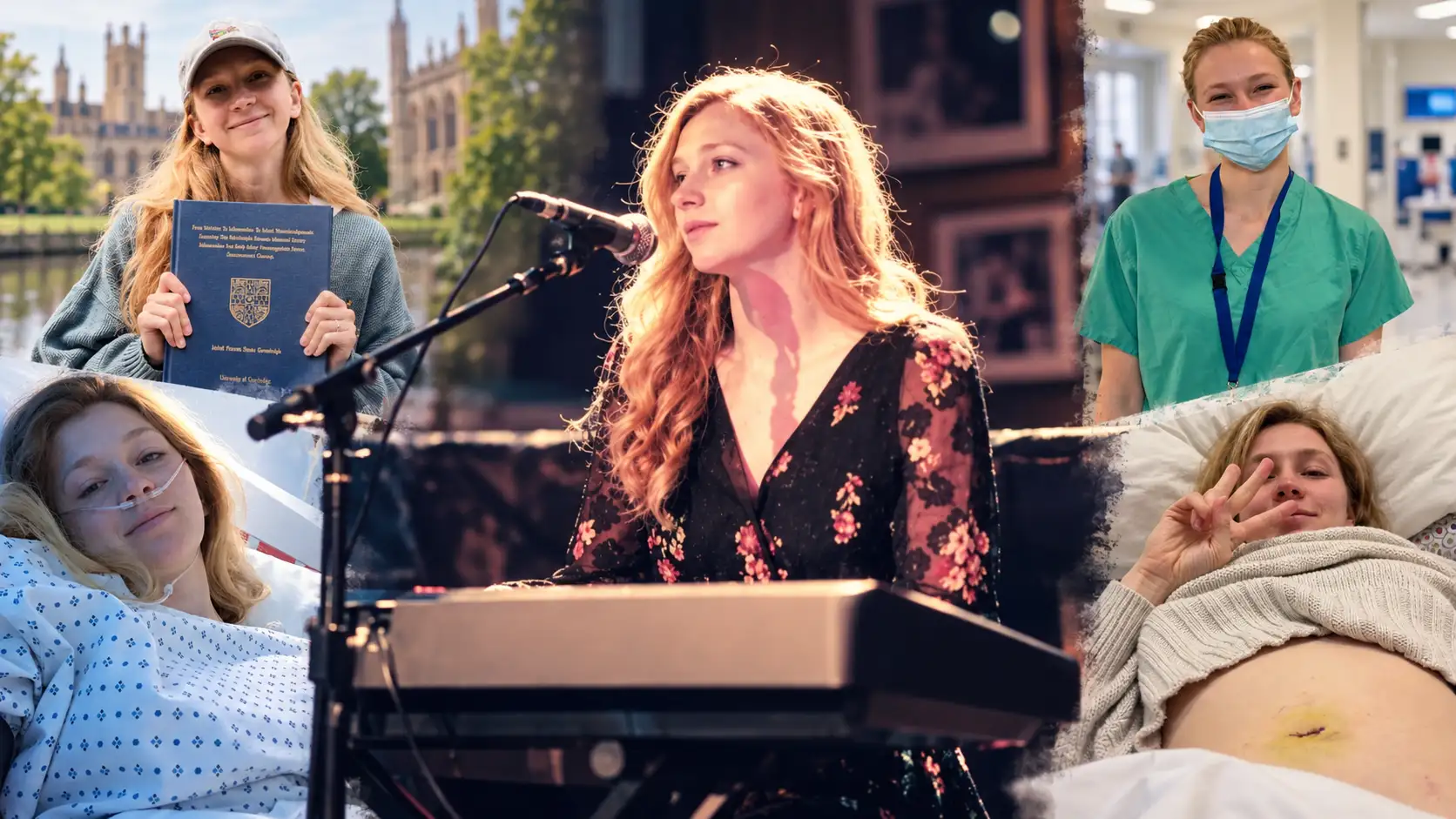
I understand something of the other side too. I drowned when I was 5 years old. Decades later, I attempted to swim the Atlantic from Africa to Brazil. Somewhere between those two events I learned something that sounds contradictory but isn’t: water can be one of the greatest sources of freedom in our lives and one of the most indifferent environments we ever enter.
The water doesn’t know whether you are an elite swimmer or somebody who cannot manage 25 metres. It doesn’t know you have had three pints of lager or that the air temperature is 30C but the lake beneath you is cold enough to trigger a gasp response at 8C. And it certainly doesn’t care how confident you felt standing on the bank, beach or bridge.
As the UK’s climate changes, with extended hot spells and heatwaves only becoming more frequent, the risk of drowning is only going to increase. Previous UK research found that every 1C increase in air temperature was associated with a 7.2 per cent increase in unintentional drowning risk, with the greatest elevations in risk appearing among males and where alcohol intoxication was suspected. Risk was also several times higher on very hot days than on cold ones.
So, anyone who writes regularly about wild swimming can see the dilemma. Hot weather sends people towards water. Social media tells them where the quarry, weir, reservoir or river beach is. What a photograph cannot show is depth, submerged objects, current, cold shock, offshore wind or how difficult it can be to climb back out.
Simply telling everybody to stay away doesn’t work. Instead, we need to make more people water competent, as was the intended purpose of the UK’s first 10-year drowning prevention strategy, which aimed to halve accidental drowning fatalities by 2026.
Progress has been made, but the problem remains substantial. The latest figures recorded 202 accidental water-related deaths in 2025, with 57 per cent occurring at inland locations such as rivers, lakes and reservoirs.
Water safety therefore needs to become ordinary. In England, primary pupils are already expected to learn to swim 25 metres and perform safe self-rescue in different water-based situations. From September 2026, revised statutory health-education guidance also includes water safety at primary and secondary level.
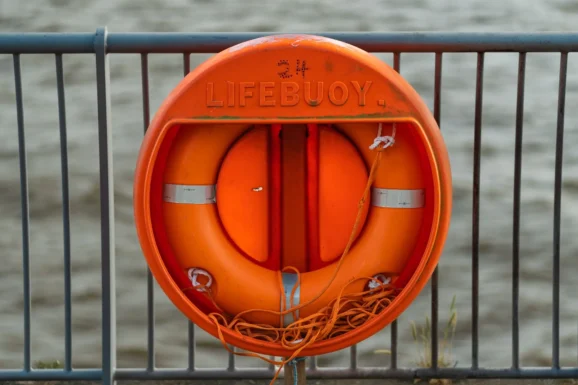
That is welcome, but education alone isn’t enough. High-risk locations need appropriate barriers, throwlines, signage and rescue equipment. Local authorities, landowners and water companies need proportionate risk assessments. Weather warnings during extreme heat should talk about drowning risk as naturally as they talk about dehydration, wildfire or sunscreen.
And perhaps most importantly, we must stop thinking about drowning solely as an outdoor-recreation problem. As Professor Tipton’s study revealed, the calculated loss relating to suspected suicide stands at £292 million. As a registered mental-health nurse, that figure caught my attention as much as the headline billion. Someone entering water in psychological crisis requires a very different prevention strategy from somebody unexpectedly swept from rocks or playing with little thought for consequence. Yet either may end up as another water fatality.
Drowning prevention therefore belongs in conversations about suicide prevention too: hotspot design, crisis intervention, emergency-service training and a better understanding of why particular bridges, rivers and waterfronts become places of risk.
Water safety is public health, and drowning prevention deserves the resources, planning and action that implies. That, I feel, may be the most important message in the new research. A throwline is cheap. Teaching a child how to float takes minutes. Swimming and self-rescue lessons cost money, as do barriers, rescue services and properly resourced prevention campaigns, but drowning, as Professor Tipton has shown, costs considerably more.
And behind that figure of £933 million, we must always remember the human price: thousands of birthdays that never happened, careers never completed and children never raised.
I will continue writing about the joy of open water, because fear is not a sensible national water-safety strategy either. But if we want more people to enjoy Britain’s extraordinary rivers, lakes and coastline, safety cannot be treated as the dull paragraph at the bottom of the adventure.
It has to be part of the invitation, and the cost of failing to make it so is now impossible to ignore.
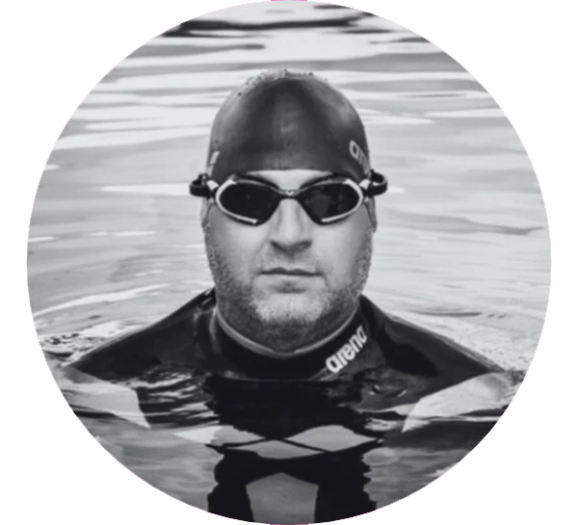
Ben Hooper made global headlines with his bid to swim every mile of the Atlantic Ocean — a challenge Sir Ranulph Fiennes OBE called “the last great bastion to be conquered.” His four-month, 2,000-mile route from Senegal to Brazil, known as Swim the Big Blue, was derailed mid-Atlantic after his support vessel was damaged by storms, despite him surviving a near-fatal encounter with thousands of Portuguese Man O’War. He remains the only person with a WOWSA-verified attempt at the feat. Follow him on Instagram and X @TheBenHooper or via www.thebenhooper.com
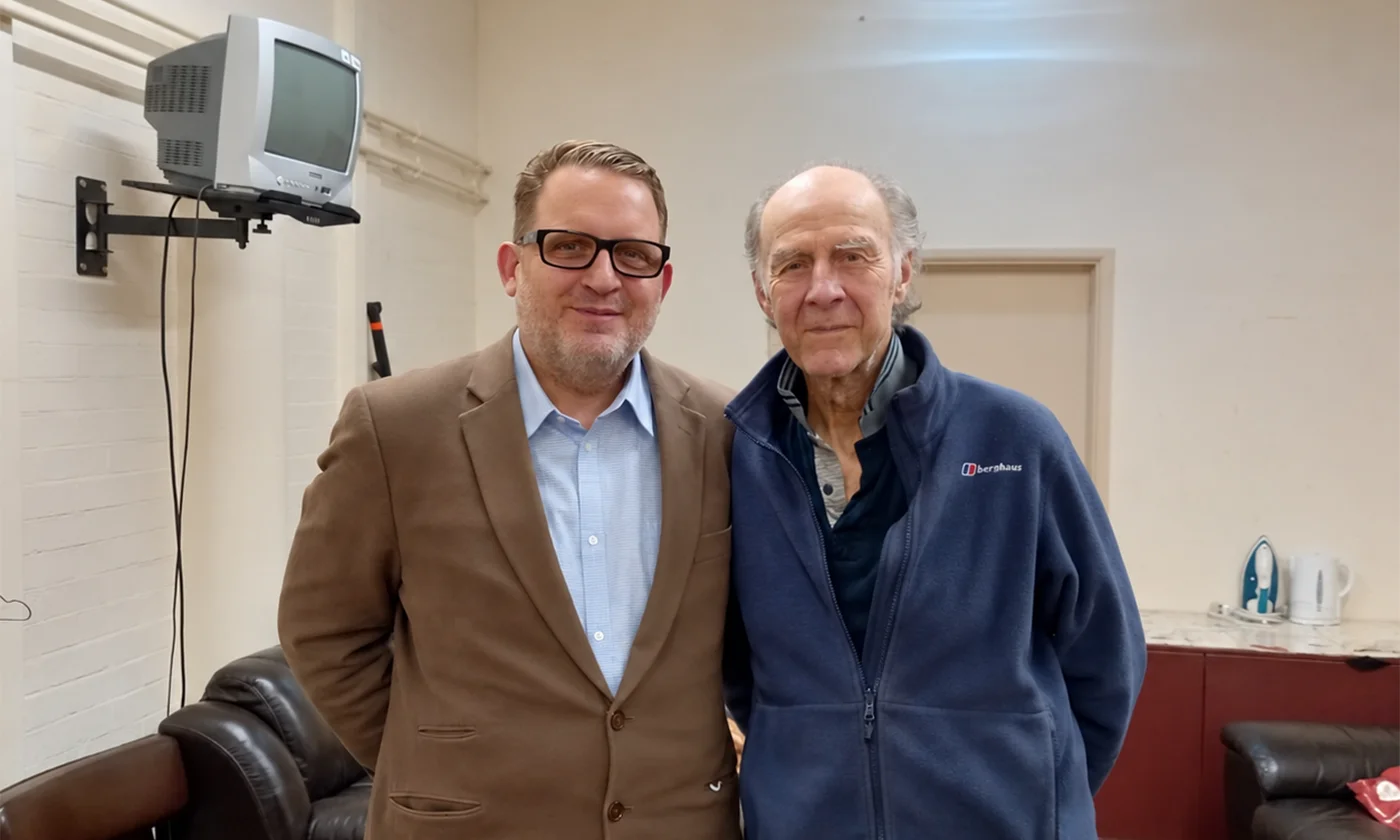
READ MORE: Life’s last expedition should not be made alone. Sir Ranulph Fiennes once gave a teenage Ben Hooper a map towards an impossible dream. Decades later, with friends and relatives raising concerns about the explorer’s isolation from those who know and love him, Hooper, adventurer turned registered mental health nurse, asks what recent events can teach us about liberty, dignity and the right to remain heard when we need care.
Do you have news to share or expertise to contribute? The European welcomes insights from business leaders and sector specialists. Get in touch with our editorial team to find out more.
Main Image: ClickerHappy / Pexels