Britain prepares systematically for war but gives peace no equivalent institutional weight. A dedicated Ministry of Peace could change that, argues Andrew Horn
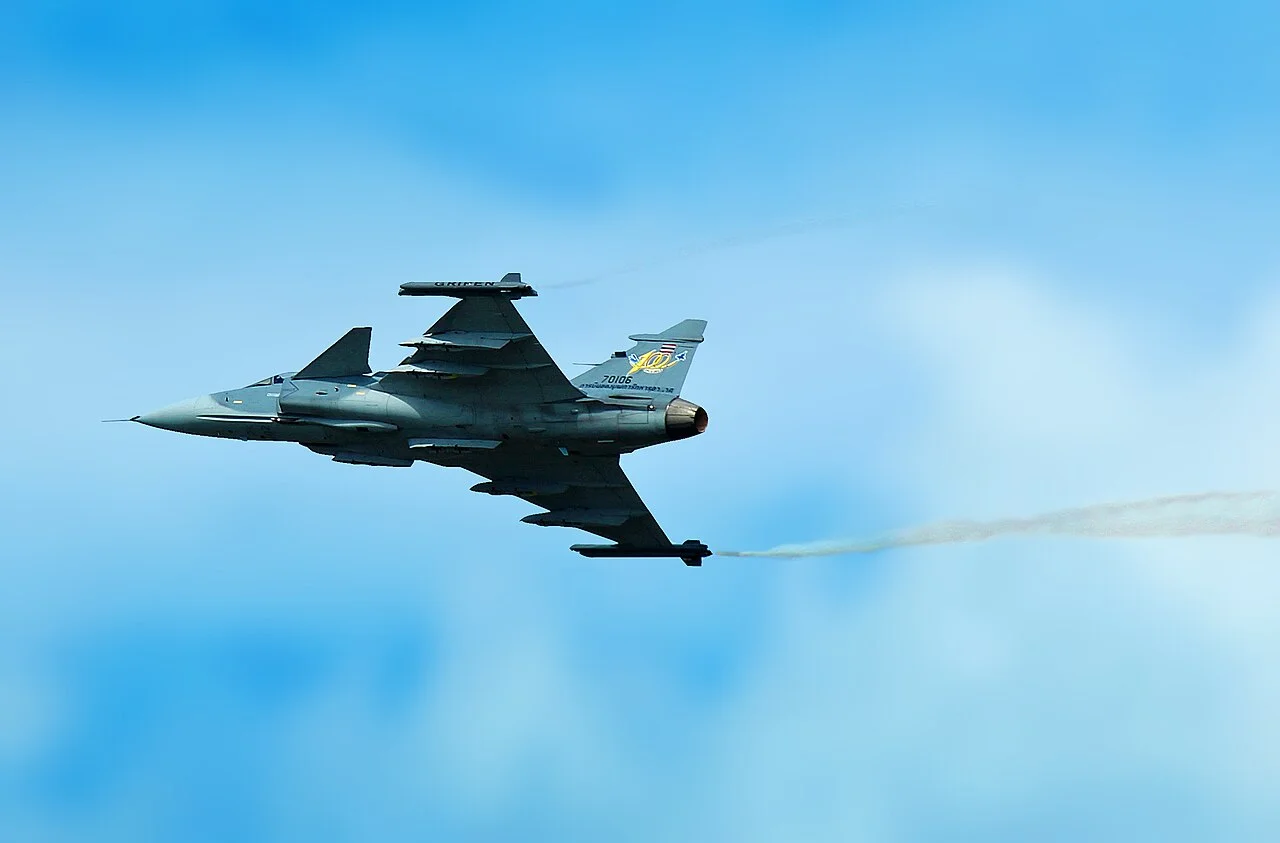
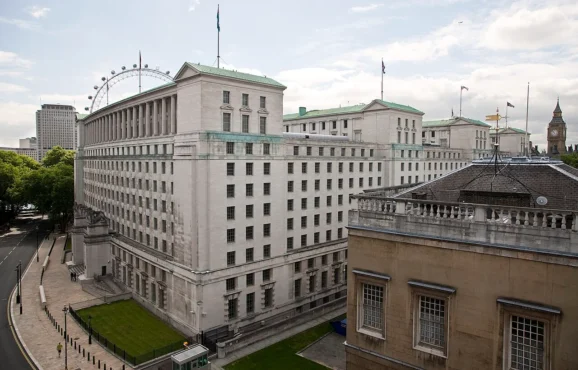
Britain has a Ministry of Defence. It spends billions every year preparing for conflict, strengthening the Armed Forces and protecting the country against threats from abroad. That’s necessary, of course, but what, ultimately, is defence for if not to secure peace?
Yet peace itself has no department of state – a gross social and political oversight that needs urgent correction, especially in these troubled times. You can call it the Ministry of Peace: a department dedicated not to wishful thinking or pacifist slogans but to the practical work of preventing conflict, encouraging mediation and teaching the habits of peaceful coexistence before violence makes their absence painfully obvious.
The principle behind it is simple. We accept that soldiers have to train before they are sent into battle. Nobody expects courage, discipline or good judgement simply to materialise in a crisis. Peacefulness, likewise, deserves the same preparation. After all, if peacefulness has to be cultivated in an individual life, why should we expect it to appear spontaneously in the life of a society?
Nor would it need to begin from nothing. Britain already funds conflict-prevention and peacekeeping programmes overseas, while different parts of government deal with diplomacy, security, arms exports and community cohesion. A Ministry of Peace could bring the preventative side of that work under one roof and, more importantly, give somebody in government the explicit job of asking a question that tends to receive less attention than military preparedness: what can Britain do now to make conflict less likely?
Part of its work could be international. It could strengthen British expertise in mediation, conflict prevention and reconciliation; support peacebuilding organisations before crises become wars; and give greater political weight to diplomatic alternatives when public debate begins hardening around military action.
But its remit should also be domestic. Britain is hardly immune to anger, polarisation, tribalism or the seductive appeal of belligerent rhetoric. A Ministry of Peace could support education in conflict resolution, media literacy and civic dialogue, helping people disagree without immediately treating opponents as enemies. That would not mean government policing legitimate political argument. It would mean recognising that a functioning democracy depends partly on citizens knowing how to live alongside people with whom they profoundly disagree.
It could also provide a counterweight inside government when weapons and military assistance are being considered. Britain already operates an arms-export licensing system. A Ministry of Peace need not possess a unilateral veto over exports, but it could have a formal role in examining whether particular decisions risk prolonging conflict and whether non-military alternatives have been seriously exhausted.
And it should have money. Defence policy is credible partly because Parliament attaches budgets, institutions and personnel to it. Peace cannot be expected to compete if it remains merely an aspiration buried across several departments. A dedicated peace budget could fund mediation, reconciliation projects, education, early intervention and international peacebuilding – investment intended to prevent some conflicts from becoming vastly more expensive human and military problems later.
There is precedent for thinking this way. John McDonnell introduced a Ministry of Peace Bill in Parliament in 2003, proposing consultation on a department concerned with conflict resolution and avoiding military conflict. The idea went nowhere, but the underlying question remains remarkably current: if government plans systematically for war, why should it not plan systematically for peace?
Perhaps the best work of the Ministry of Peace – MoP for short, but an acronym perhaps best avoided – would be in the training ground of our future citizens: schools. The old Jesuit maxim gets the importance of instilling values at an early age right: “Give me the child until he is seven, and I will give you the man”.

What would those values look like in practice? Not compulsory spirituality, certainly, but the habits that make peaceful societies possible: self-control, empathy, listening, mediation and the ability to disagree without immediately reaching for hostility.
Spiritual traditions have been teaching versions of this for centuries. In my own tradition, sadhana means regular practice: training the mind before the moment of difficulty arrives. It is rather like military training in reverse. A soldier drills so that discipline holds when conflict begins; the spiritual seeker practises so that anger, fear and ego are less likely to turn conflict into something worse.
That is why I believe meditation has a place in this discussion too. I’m not suggesting that breathing exercises will bring an end to war, or that somebody facing poverty, injustice or violence should be told simply to calm down and contemplate the eternal. Spiritual platitudes can be infuriating when the problems in front of you are painfully real. The point is preparation. Regular practice can help give people greater emotional stability when life becomes difficult.
That also requires challenging the acquisitiveness that so often sits beneath human conflict. We spend enormous energy deciding what is valuable – property, commodities, territory, resources, influence – while treating peace as though it were merely the empty space between wars. I think we have that backwards. Peace is the condition that allows almost everything else we value to flourish.
So let us treat it accordingly. Give it institutional weight. Give it expertise. Give it a budget. Give it a seat at the Cabinet table.
Presumably, Britain prepares for war because failing to prepare would be reckless. In these increasingly fractious times, failing to prepare for peace looks rather reckless too.

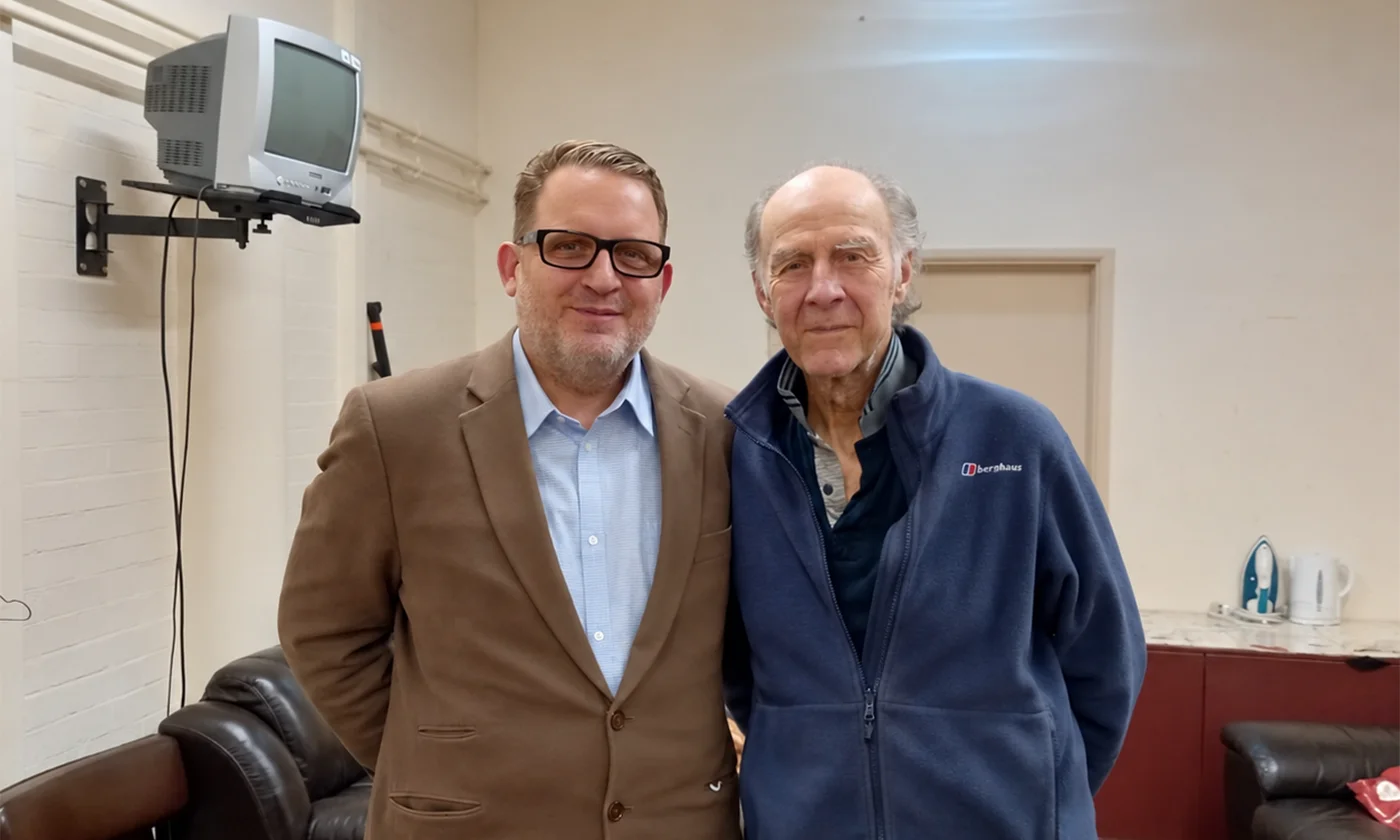
Author Andrew Horn, the son of the great neuroscientist Sir Gabriel Horn and grandson of the socialist peer Baron Soper, is widely regarded as one of the world’s leading experts on traditional Indian and Sanskrit drama whose English translations of the epic 16th-Century Vidagdha Madhava and Lalita Madhava by Rupa Goswami are considered the most accurate ever published. Despite his notable lineage, Andrew chose a different path, becoming a Hare Krishna monk for 20 years. During this time, he was given the name ‘Arjundas Adhikari’, signifying devotion to the hero Arjuna from the Mahabharata. He also appeared on Top of the Pops with Boy George for the singer’s 1991 hit, Bow Down Mister.
READ MORE: Why Europe’s rush to rearm cannot end the fear of nuclear war. As Europe rearms and the last US-Russia nuclear arms treaty expires, former Hare Krishna monk Andrew Horn reflects on his grandfather Donald Soper, a founding member of the CND, and asks whether peace can ever be built on fear.
Do you have news to share or expertise to contribute? The European welcomes insights from business leaders and sector specialists. Get in touch with our editorial team to find out more.
Main Image: Mathias Reding / Pexels