If Ukraine can join Europe’s environmental network in the middle of a war, the UK should return to the system it helped create – and should never have left
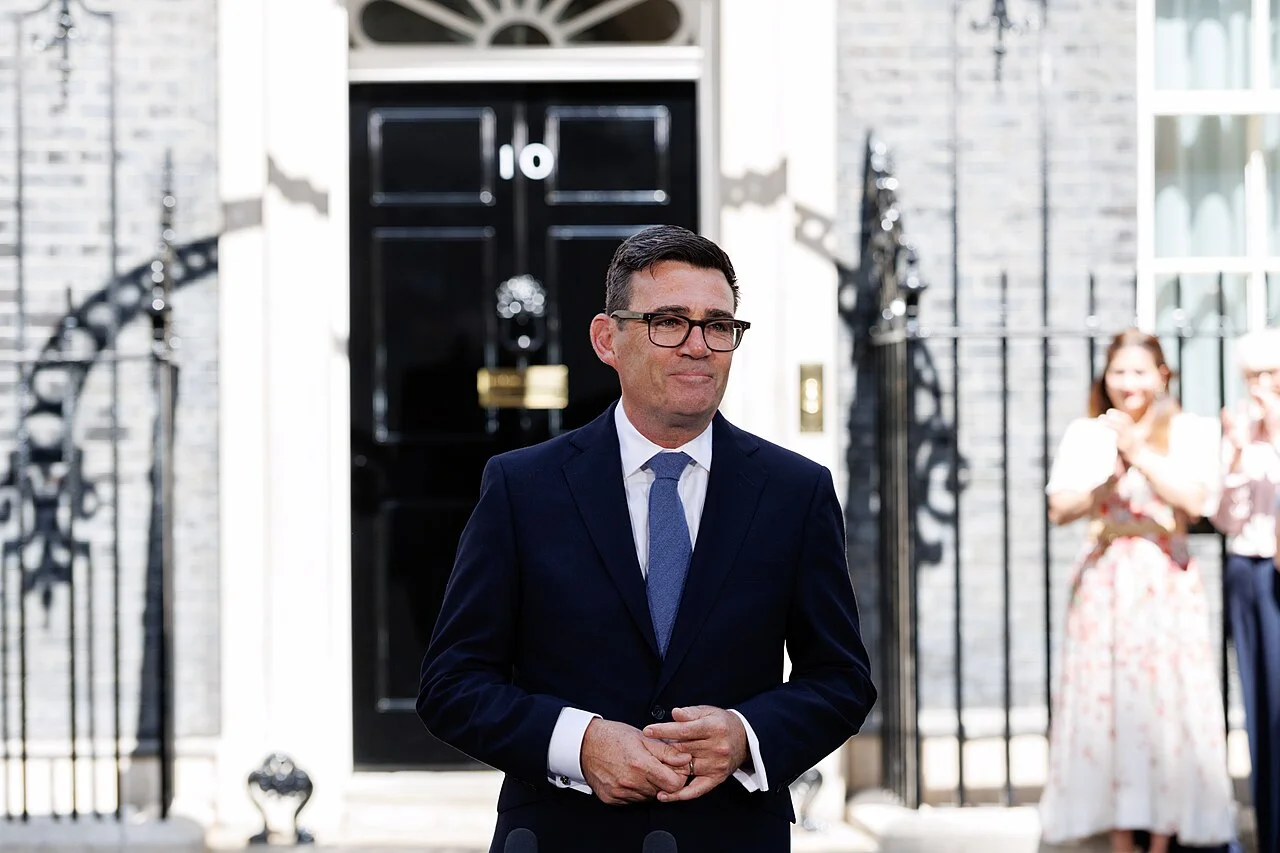
Andy Burnham’s arrival in Downing Street gives the government an immediate opportunity to reset the UK’s links with Europe. It will, of course, be tricky. Anything involving Europe usually is.
Energy, defence, agricultural trade and youth exchanges all seem to be under consideration. Yet the government’s insistence on keeping the UK outside the single market, the customs union and freedom of movement rules leaves Burnham with limited room for manoeuvre, especially if he wishes to avoid the familiar cries about ceding sovereignty or becoming a rule-taker. So where can useful progress be made without everyone reaching for the old Brexit megaphones? One area immediately springs to mind – the environment.
Air and water pollution, chemicals and waste, climate change and nature protection have the irritating habit of ignoring national borders. They are exactly the sort of problems that require shared data, regular monitoring and practical cooperation between neighbours.
A positive first step, therefore, would be for the UK to rejoin the European Environment Agency (EEA) and its technical network partner, Eionet.
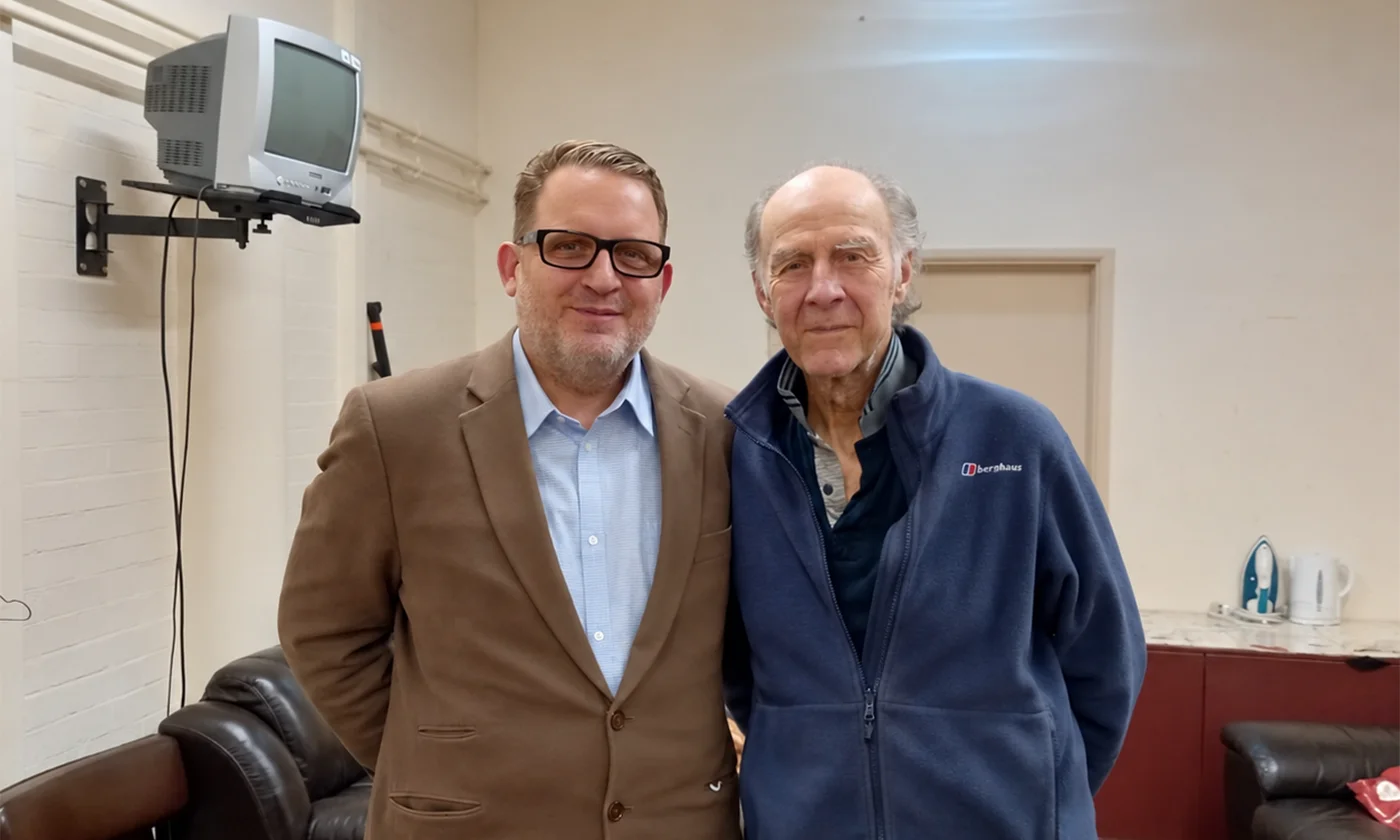
I have a particular interest in this. In the 1980s, both as an MEP and later as an environmental official in the European Commission, I was deeply involved in the establishment of the EEA and Eionet. Together, they collect data and information on the quality, pressures and sensitivity of the environment across a wide range of areas, most of which have a clear transnational aspect.
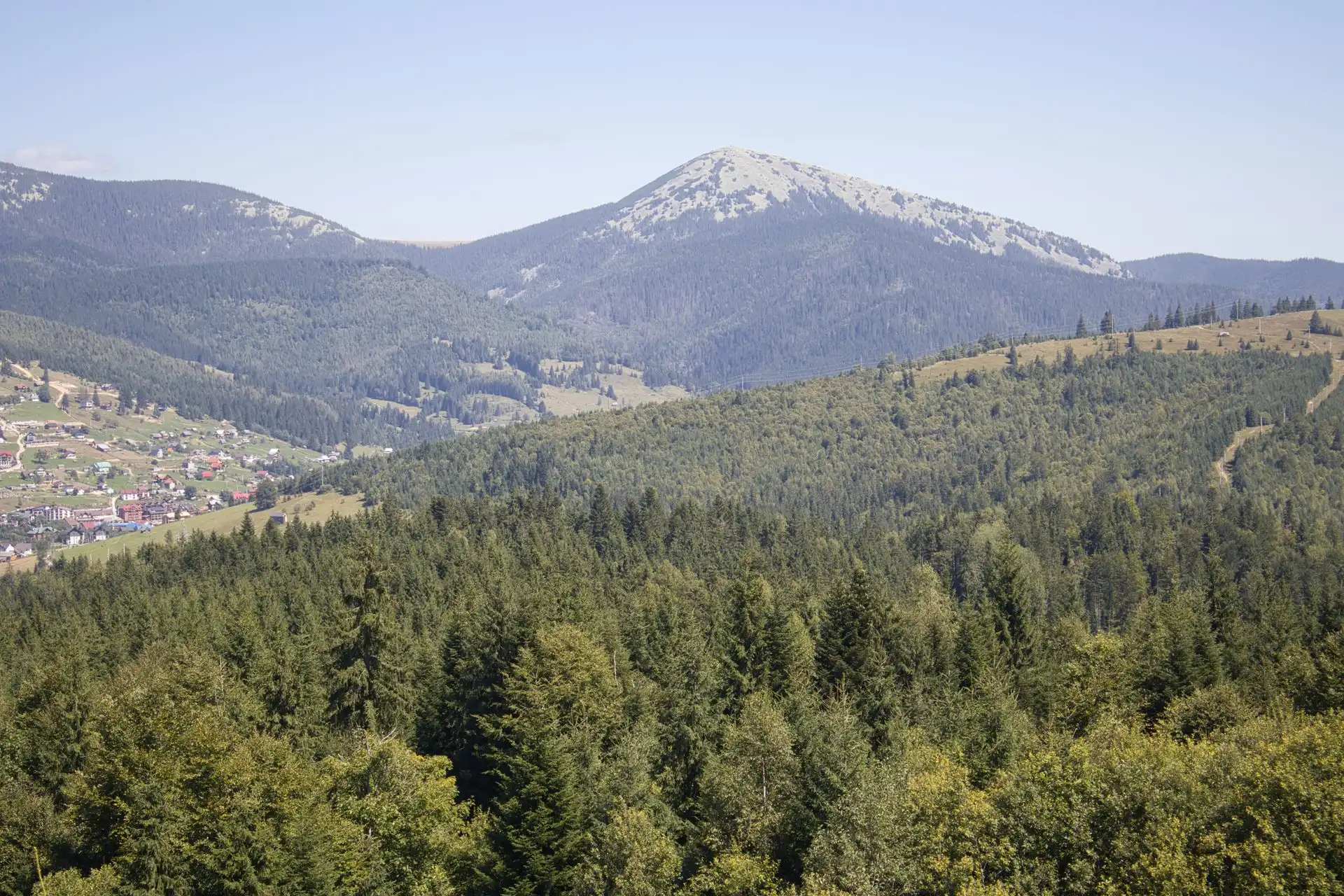
Membership of the EEA is open beyond the European Union. Non-EU countries can take part fully in its work, which is why the EEA is properly described as a pan-European body. Its members include the EU states, together with Iceland, Liechtenstein, Norway, Switzerland and Türkiye. Its cooperating countries include Albania, Bosnia and Herzegovina, Kosovo, Moldova, Montenegro, North Macedonia, Serbia and, as of June this year, Ukraine.
Ukraine’s inclusion makes the continued absence of the UK look increasingly odd, to put it mildly.
Until 11pm on January 31, 2020, the UK was a full member of the EEA; when Brexit took effect that night, the UK left the agency at the same time as it left the European Union.
The door to EEA membership, however, remained ajar thanks to statute and the UK could still have sought to continue as a non-EU country, joining in that status as Norway, Switzerland and Türkiye have done.
On February 2, 2020, I wrote to the then environment minister, Rebecca Pow, expressing as much. A few days later she kindly replied. “A decision has not yet been made on a future relationship with the EEA,” she told me.
Well, that was more than six years ago. As far as I know, the previous Conservative government made no serious effort to restore the UK’s place in the EEA or Eionet, the very bodies it left on the day the UK departed the EU. Nor have I seen any meaningful official comment on the issue since.
Happily, others have taken up the cause. The Liberal Democrats pledged in their 2024 manifesto to work “together with our European neighbours to tackle the nature crisis, including applying to join the European Environment Agency”.
The European Movement has also called for the UK to rejoin the EEA, giving the proposal prominence in its own recent campaign.
The Institute for European Environmental Policy has made the same case. In May 2024, it argued that no clear reasons had been given for leaving technical and scientific bodies including the EEA after more than 25 years of close cooperation.
For the record, the issue has also reached Parliament. On March 11, 2025, Baroness Hooper tabled a written question asking what action the Government intended to take to enable the UK to join the EEA and Eionet at the earliest opportunity. Baroness Hayman of Ullock, answering for Defra, said the UK was no longer a member, though it had “continued to co-operate with the EEA EU partners as appropriate”. That answer was weak then and looks much weaker today.
Now is surely the time for Andy Burnham to seize an opportunity which is sitting in plain sight. If Ukraine can join Eionet in the middle of a war, why on earth should the UK remain outside?
By reviving the UK’s membership of the EEA and Eionet, as a full member or even as a cooperating country like the newly admitted Ukraine, the Prime Minister would have a splendid chance to rebuild a bridge between the UK and Europe which should never have been destroyed.
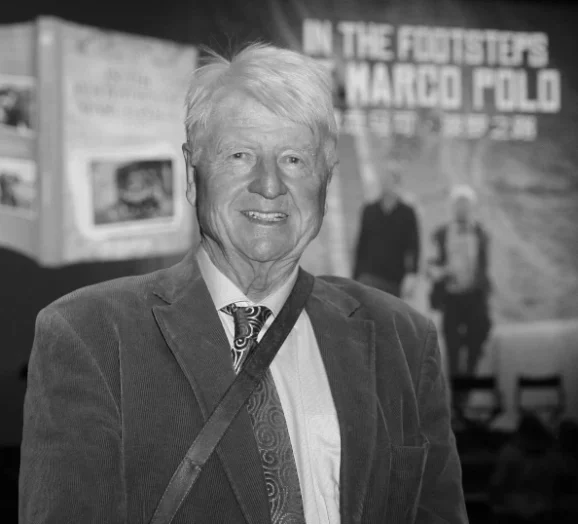
Stanley Johnson is a former Member of the European Parliament (MEP), award-winning author and long-time advocate for environmental protection and international cooperation. He served as Head of the Prevention of Pollution Division at the European Commission and played a key role in shaping early European environmental legislation on clean air, water and nature conservation.
Elected as MEP for Wight and Hampshire East in 1979, he became a leading voice on sustainability, public health and animal welfare in European policymaking. In parallel with his political career, Stanley has written more than 25 books across fiction, non-fiction and memoir, including The Commissioner and Kompromat. His work often draws on his experience in politics, development and global environmental affairs.
READ MORE: ‘New Hindu Kush Himalaya glacier reports warn of deepening risk to Asia’s water security‘. New reports published today lay bare the accelerating loss of ice across the Hindu Kush Himalaya, where glaciers are retreating at increasing speed in a region critical to the water security of nearly two billion people. Here, our editor-at-large Stanley Johnson, drawing on his long career as an environmentalist and ahead of the 30 March re-release of his book In the Footsteps of Marco Polo, reflects on changes to a mountain system whose fate matters far beyond the high Pamirs.
Do you have news to share or expertise to contribute? The European welcomes insights from business leaders and sector specialists. Get in touch with our editorial team to find out more.