Scientists and engineers quitting jobs as AI changes roles ‘beyond recognition’, study finds

Marco Ryan
- Published
- News, Technology
Research involving more than 4,100 technology, engineering and life sciences professionals across five countries reveals growing concerns over career prospects, heavier workloads and employers struggling to replace experienced specialists
Scientists, engineers and technology specialists are leaving jobs that artificial intelligence has changed “beyond recognition”, according to new research involving more than 4,100 professionals across five major economies.
One-in-six workers surveyed said they had seen colleagues leave their organisation during the past year because AI had fundamentally changed the nature of their jobs, raising concerns about employers losing specialist expertise as they introduce new technologies.
The research, commissioned by global STEM workforce consultancy SThree and conducted by YouGov, questioned 4,126 professionals in Britain, Germany, the Netherlands, the United States and Japan.
It found that 16 per cent had witnessed colleagues leaving after AI changed their work beyond recognition, while 14 per cent reported departures linked to reduced career progression and 13 per cent cited workloads that had become unsustainable.
Almost half of respondents, 45 per cent, said their organisation had struggled to replace specialists who had left during the previous 12 months.
The findings suggest that changes to existing jobs are becoming a concern for employers alongside the possibility of positions being automated or eliminated.
More than a third of those surveyed, 37 per cent, believed their organisation was introducing technologies such as AI too quickly to give sufficient consideration to the effects on employees’ roles.
The research also found evidence of changes to traditional career development within science, technology, engineering and mathematics (STEM).
Almost one-in-three respondents, 32 per cent, said senior employees were now undertaking work previously performed by junior colleagues as AI changed entry-level responsibilities.
The findings raise questions about how less experienced workers can develop the knowledge and practical skills needed to progress when some of the tasks traditionally assigned to them are being taken on by more senior staff.
Timo Lehne, the chief executive of SThree, said employers faced growing difficulties retaining specialist workers as AI altered established roles and career paths, adding: “Competition for specialist STEM skills is already intense. Businesses around the world are competing for specialist expertise just as AI transforms the jobs those people do.
“That makes retention increasingly important. If experienced people no longer see the work, development or progression they signed up for, they can take their expertise elsewhere. For employers, losing that capability can leave a gap that is difficult and costly to rebuild.”
SThree’s wider 2026 workforce research also found that 40 per cent of respondents believed growing dependence on AI threatened the development of junior talent.
At the same time, 54 per cent identified the loss of specialist knowledge as a risk to their organisations, underlining concerns about retaining experienced staff in technical roles.
Lehne said the movement of experienced employees between businesses could also create recruitment opportunities for organisations seeking specialist skills.
He added: “But movement creates opportunity too. As the global talent market becomes more fluid, businesses have a chance to access experienced specialists who may previously have been much harder to reach, including people moving between employers, industries and markets.
“We’re tracking these changes across global STEM markets to help organisations identify the capabilities they need to protect and where the best skills can be sourced next.”
The findings form part of SThree’s STEM Workforce Report 2026, which examines how employers and employees are responding to AI, changing skills requirements and recruitment pressures.
The research also found that 61 per cent of AI users reported improvements in team productivity, although 46 per cent said they were spending more time checking AI-generated work.
Among respondents who had witnessed AI-related redundancies, 77 per cent said their organisation had subsequently reversed those decisions or planned to do so, according to SThree’s wider report.
The company said the results demonstrated the challenges employers face in introducing new technologies while maintaining experienced teams and providing opportunities for younger workers to develop their careers.
READ MORE: Brits trust AI with their health but not their money. New research reveals that people are happier asking artificial intelligence about medical symptoms and legal problems than letting it handle their payments, with almost half uncomfortable about AI detecting fraud.
Do you have news to share or expertise to contribute? The European welcomes insights from business leaders and sector specialists. Get in touch with our editorial team to find out more.
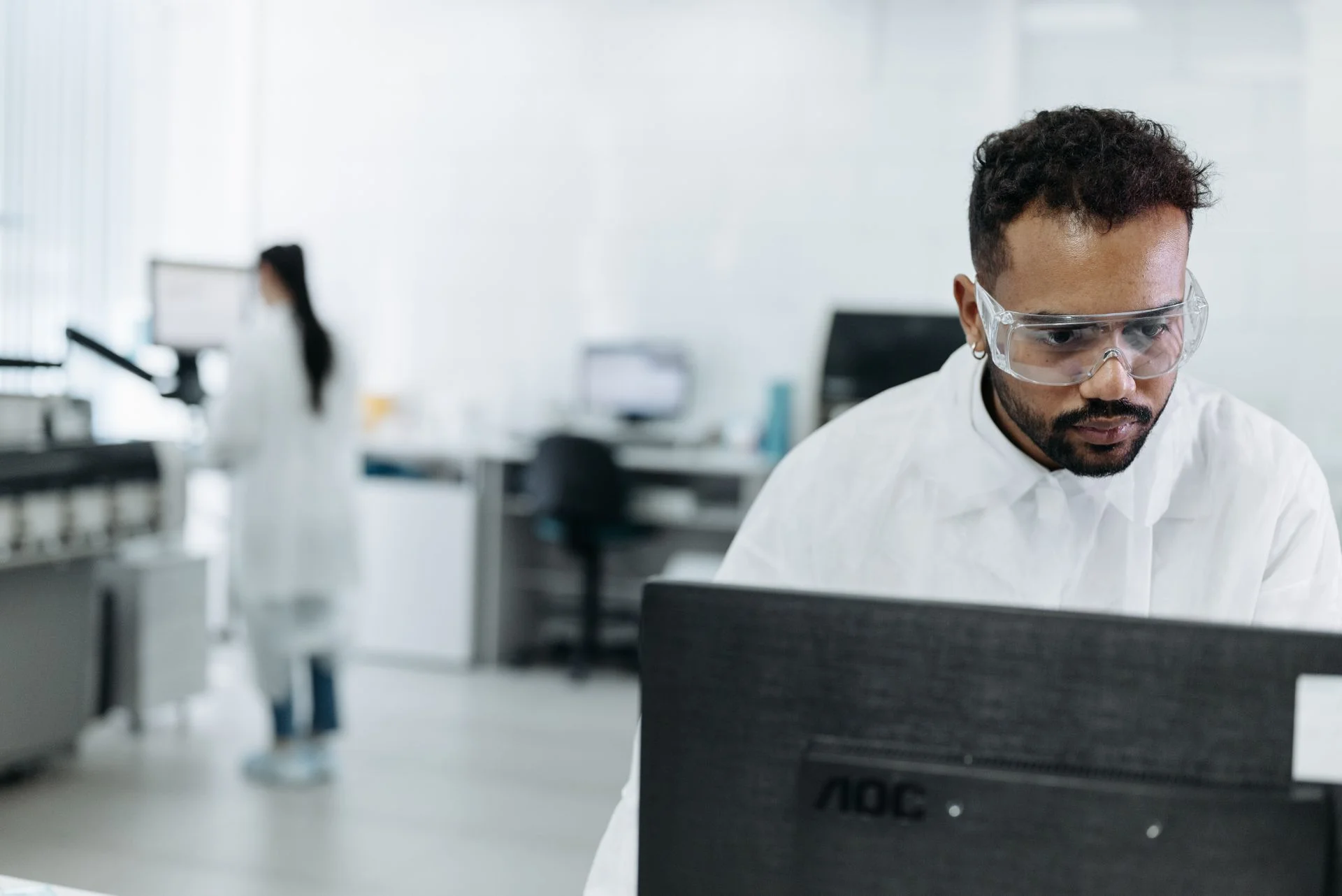
Main image: New research suggests artificial intelligence is transforming specialist jobs, with one in six STEM professionals surveyed reporting that colleagues have left roles changed ‘beyond recognition’ by the technology. Credit: Pavel Danilyuk / Pexels
TOP STORIES
-
 UK and European experts demand tougher AI laws as Australia considers criminal penalties after OpenAI breach
-
BBC loses bid to throw out Trump's $10bn defamation lawsuit over doctored Panorama speech
-
AI-generated CVs spark hiring crisis as a third of employers lose confidence in job applicants
-
MPs back calls for ‘Black English’ and ‘Asian English’ options on census
-
Nvidia hires top US lawyer to investigate CEO's alleged affair with Chinese spy
-
EXCLUSIVE – Comic Relief confirms David Walliams is no longer an honorary trustee and has ‘no formal association’ with charity
-
Why Airbnb and Uber take off in some cities but flop in others, according to scientists
-
Michael Jackson's Thriller jacket, Princess Diana's dresses and $3m Banksy painting go under the hammer
-
European entrepreneurs trust AI firms more than governments as four-in-10 look beyond Europe
-
Krakow massacre gunman named after hospital death as police officer fights for life
-
British Airways owner warns green fuel rules could ‘kill European aviation’
-
EU to join Ukraine–Russia peace talks as von der Leyen warns of escalating Black Sea attacks
-
Scientists grow world's largest diamond crystal in breakthrough that could stop AI chips overheating
-
China takes on Rolls-Royce with floating £230,000 electric limousine
-
Infront hires Deutsche Börse data expert Jeff Caldwell as AI transforms financial markets
-
US rocket firm plans Scottish launches in bid to revive failed Highland spaceport
-
Job adverts must reveal salaries under new ‘say what you pay’ law
-
Ireland's most wanted jobs for 2027 revealed as employers offer higher salaries to attract talent
-
American firms sign landmark deal to beam solar power from space as Europe faces AI energy crunch
-
Europe’s winners and losers as Democrats seize Congress in crushing blow to Trump
-
Spanish developer CLERHP reports US$410m in Caribbean property sales as profits return
-
Britain launches first major study into ‘forever chemicals’ lurking in our bodies
-
Scientists close in on mysterious ‘zeptoverse’ after 40-year hunt for ultra-rare particle
-
Cambodia offers free sightseeing tours to stranded Villa Vie Odyssey passengers
-
Bahrain lands $3.9bn investment deal with DHL, AirAsia and hotel giant Meliá